OTC topical pain relievers like creams and patches can ease muscle and joint pain safely - but only if used correctly. Learn the hidden risks of menthol, lidocaine, and capsaicin, and how to avoid serious side effects.
Read MoreArchive: 2026/02
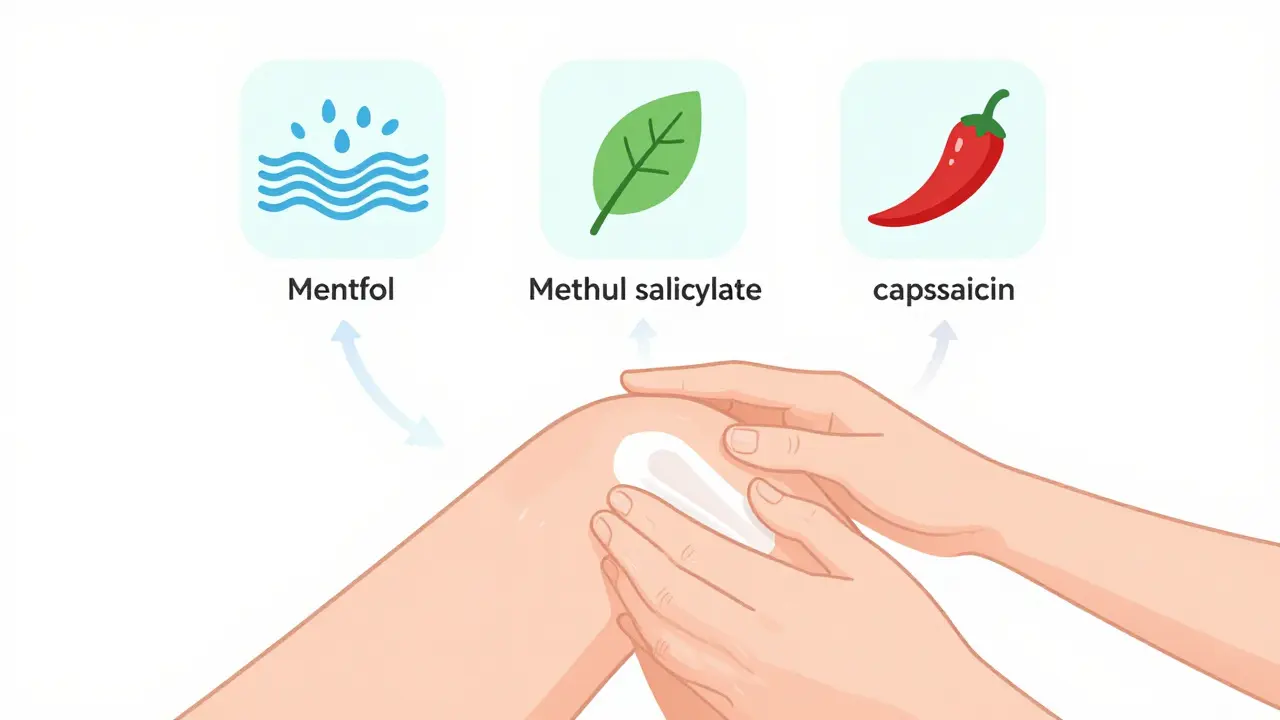
OTC Topical Pain Relievers: Creams, Gels, and Patches Safety Guide
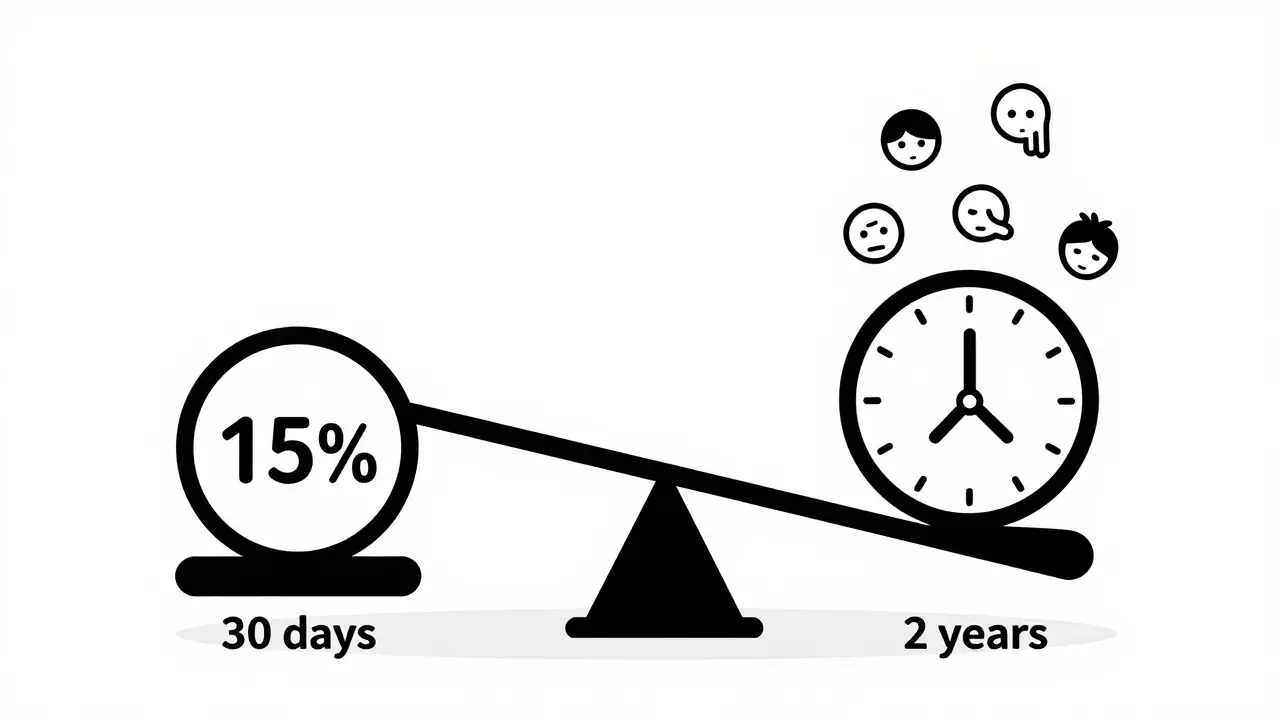
Understanding Adverse Event Rates: Percentages and Relative Risk in Clinical Trials
Adverse event rates in clinical trials aren't just percentages-they need to account for time on treatment. Learn how the FDA now requires exposure-adjusted methods like EAIR to reveal true safety risks, and why raw percentages can mislead.
Read More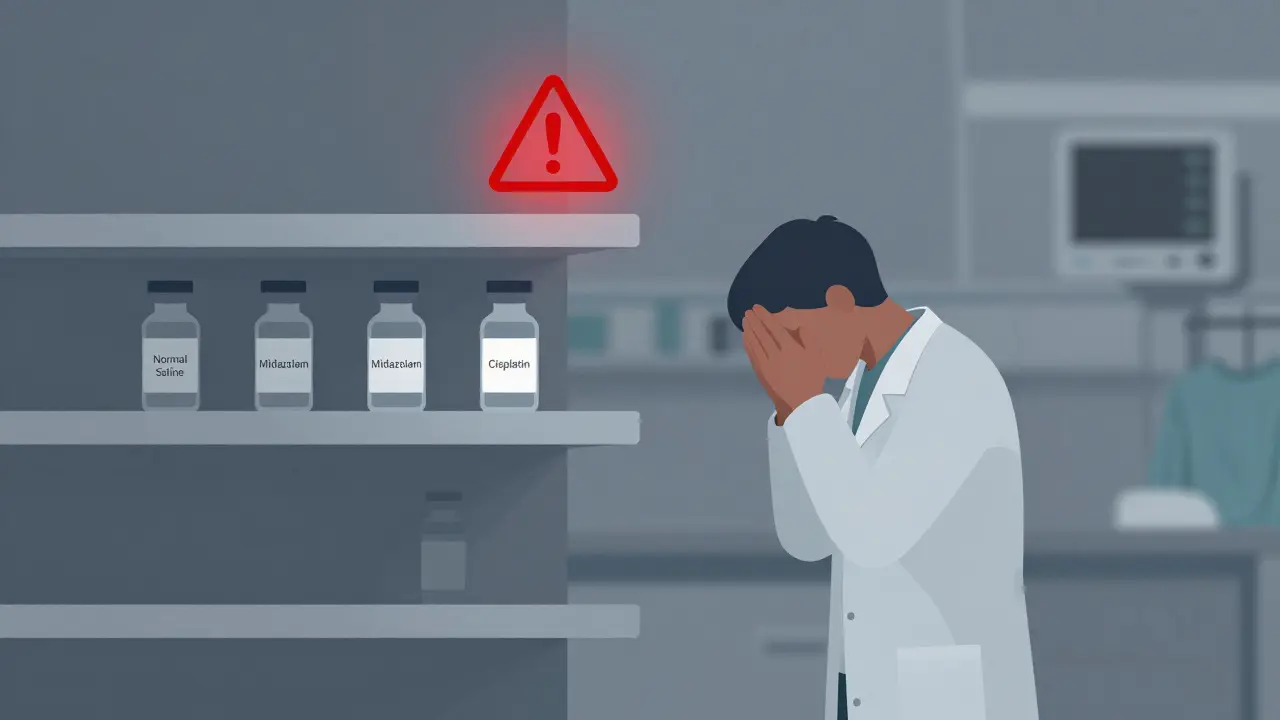
Injectable Medication Shortages: Why Hospital Pharmacies Are on the Front Line
Hospital pharmacies are on the front lines of a growing crisis: injectable medication shortages. With 60% of all drug shortages involving sterile injectables, hospitals face daily disruptions that delay surgeries, compromise care, and force ethical dilemmas. This is not a temporary glitch-it's a systemic failure.
Read More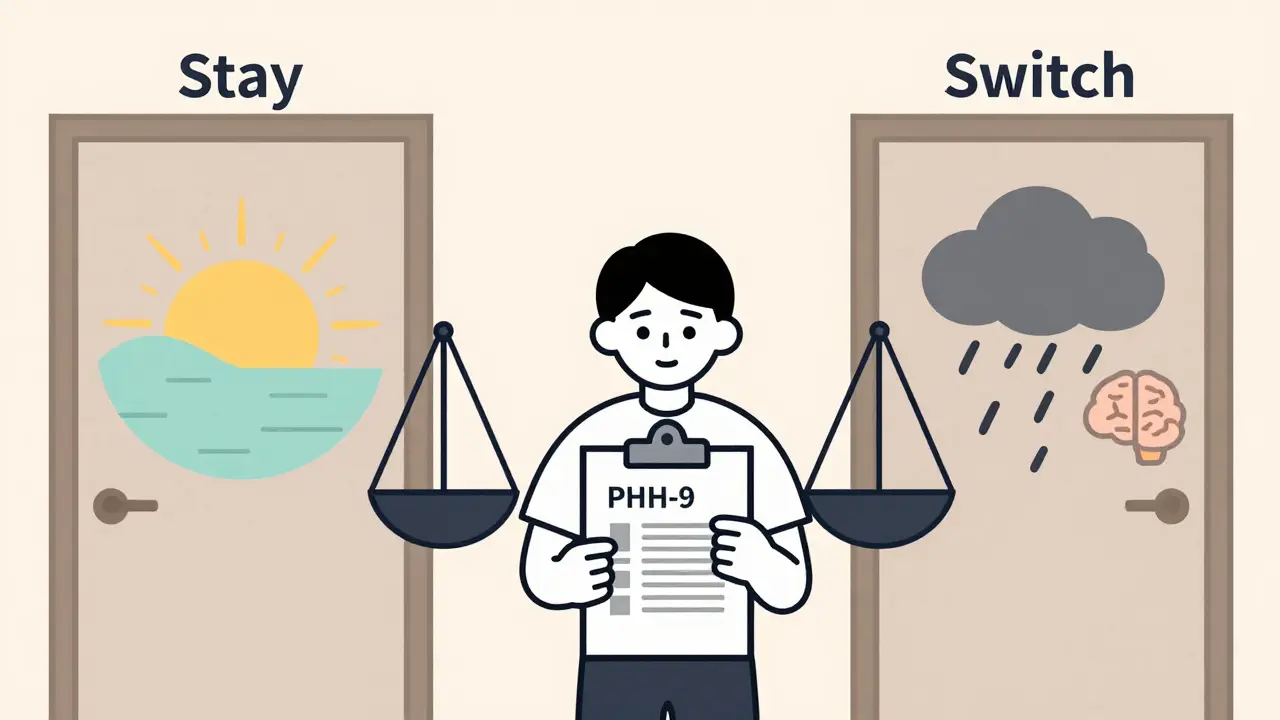
Monitoring Antidepressant Efficacy vs Side Effect Burden: Patient Strategies
Learn how to track antidepressant effectiveness and side effects using proven tools like PHQ-9, ASEC, and therapeutic drug monitoring. Patient-led strategies can improve outcomes when combined with clinical care.
Read More
Disposing of Expired Medications Safely: Take-Back and FDA Guidelines
Learn the FDA's safe methods for disposing of expired medications, including take-back programs, mail-back envelopes, and when flushing is allowed. Avoid risks to health and the environment with clear, up-to-date guidelines.
Read More
Generic vs Brand Identification in Pharmacy Systems: Best Practices
Learn how pharmacy systems correctly identify generic and brand drugs using NDC codes, TE ratings, and FDA guidelines. Best practices for safe, cost-effective medication substitution.
Read More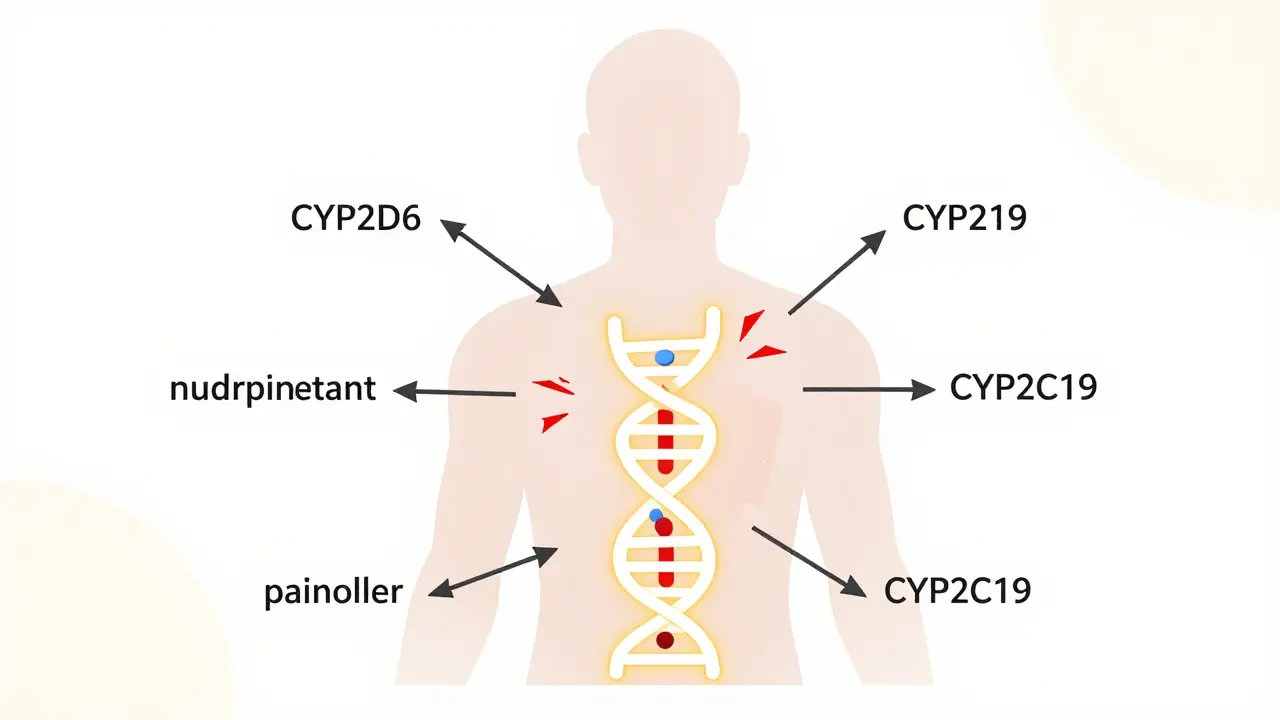
How Pharmacogenomics Reduces Drug Interaction Risk
Pharmacogenomics uses your genes to predict how you'll react to medications, cutting drug interaction risks by up to 30%. It's not theoretical-hospitals are already using it to prevent deadly side effects.
Read More
State Laws on NTI Substitution: Varying Requirements Across the US
State laws on NTI drug substitution vary widely across the U.S., with 27 states restricting generic swaps for medications like warfarin and levothyroxine. While the FDA says generics are safe, patient safety concerns are driving state-level rules - and a national shift is coming.
Read More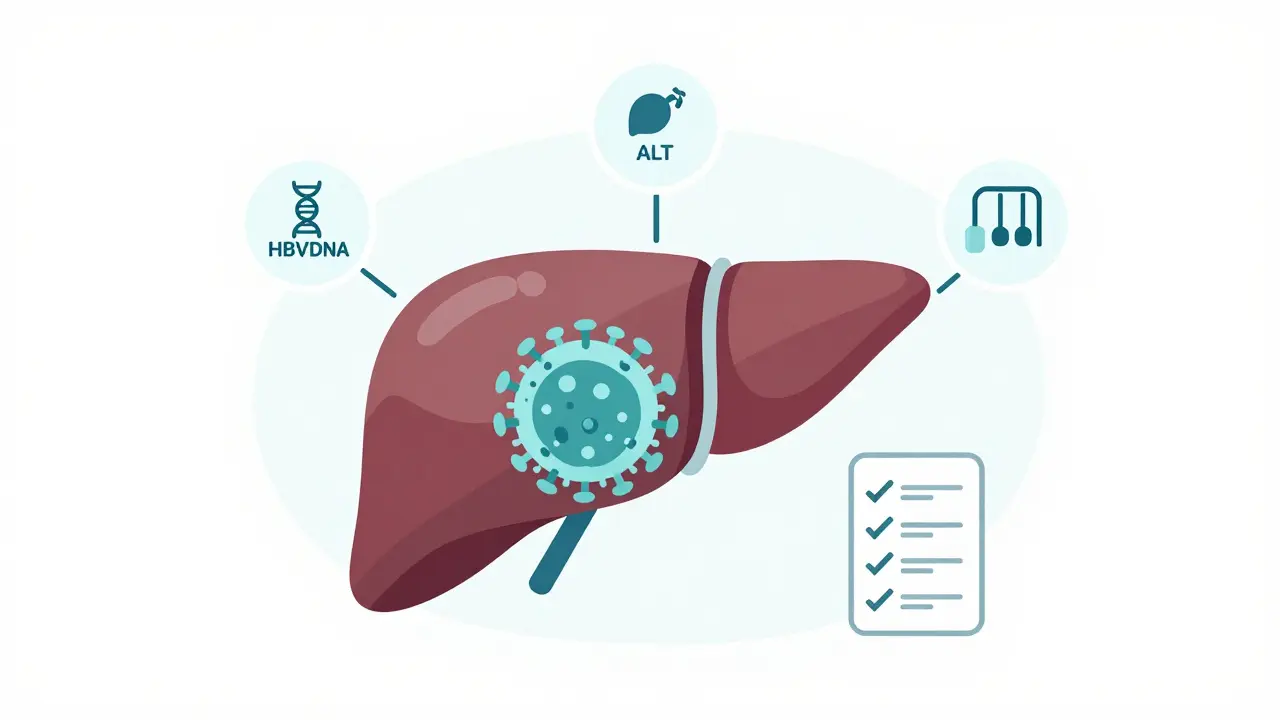
Hepatitis B: Chronic Infection, Antivirals, and Vaccination
Chronic hepatitis B requires lifelong management, but modern antivirals like TAF and entecavir can prevent liver damage. Vaccination remains the best prevention. Learn who needs treatment, how to monitor it, and what’s coming next.
Read More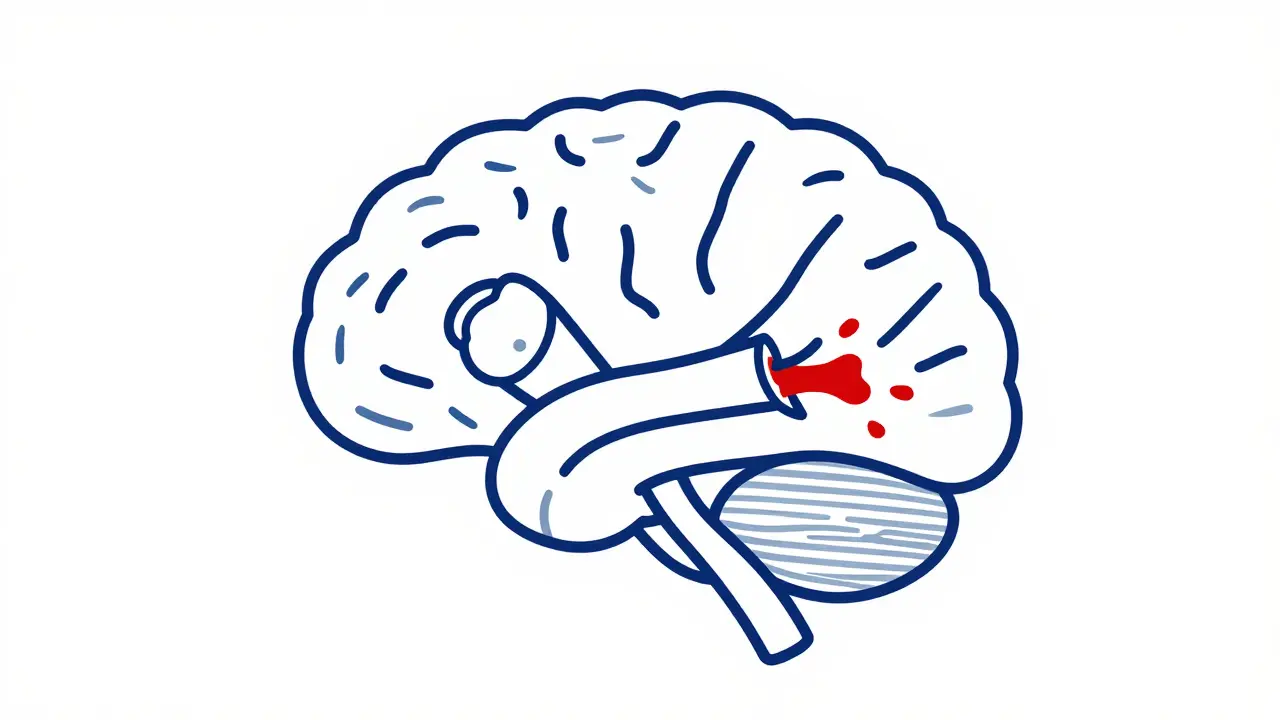
Ischemic vs. Hemorrhagic Stroke: Types, Symptoms, and Prevention Strategies
Stroke types differ in cause and treatment. Ischemic strokes block blood flow (87% of cases), hemorrhagic involve bleeding (13-15%). Knowing the difference is critical for emergency care. Prevention strategies vary: blood pressure control for hemorrhagic, anticoagulants for ischemic. Recognizing FAST signs can save lives.
Read More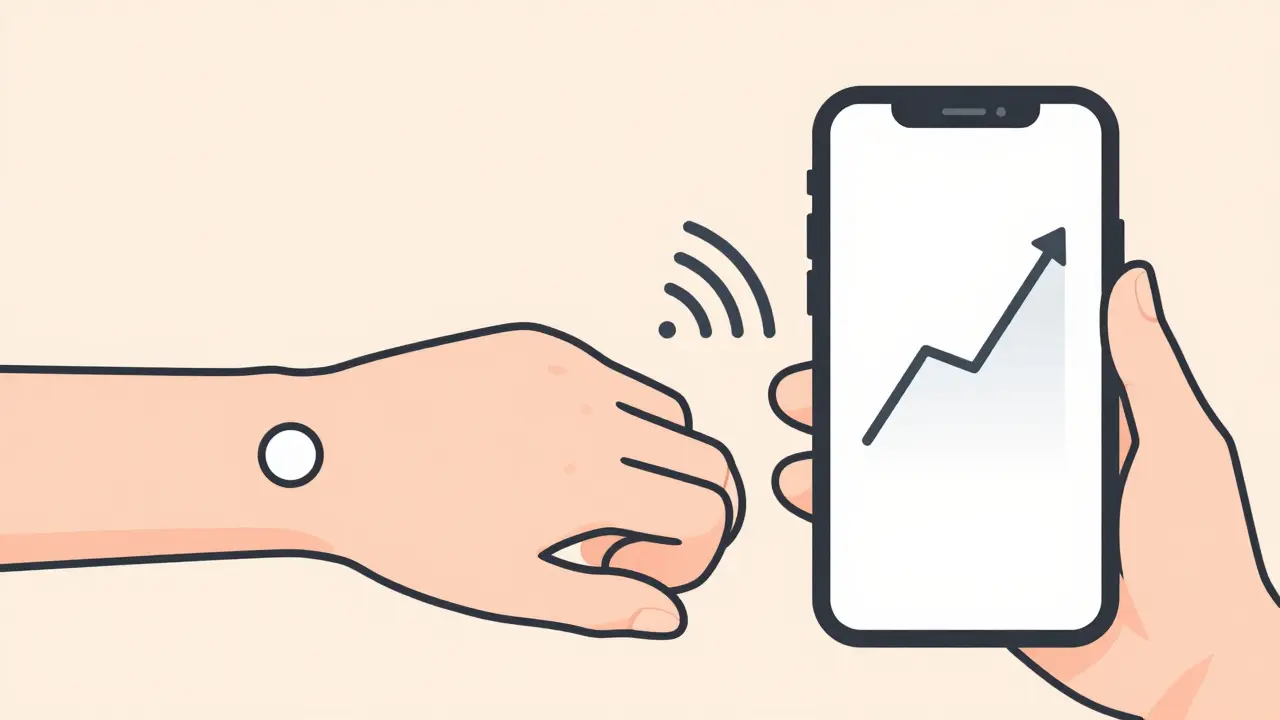
Continuous Glucose Monitors: How CGMs Work and Who Benefits
Continuous glucose monitors (CGMs) track blood sugar in real-time using a tiny sensor. They help people with diabetes avoid dangerous lows, reduce A1C levels, and improve daily management. Learn how CGMs work, who benefits most, and what to expect from modern devices like Dexcom G7 and FreeStyle Libre 3.
Read More
Why You Must Tell Your Doctor About Supplements and Herbal Remedies
Many people take supplements and herbal remedies without telling their doctor - but that can be dangerous. Learn why disclosing these products is essential to avoid harmful drug interactions and ensure safe, effective care.
Read MoreArchive
Categories
Drug Shortages: The Paradox of Generic Competition and Supply
Explore why the generic drug market suffers from shortages despite high competition. Learn about market concentration, the "race to the bottom," and supply chain risks.
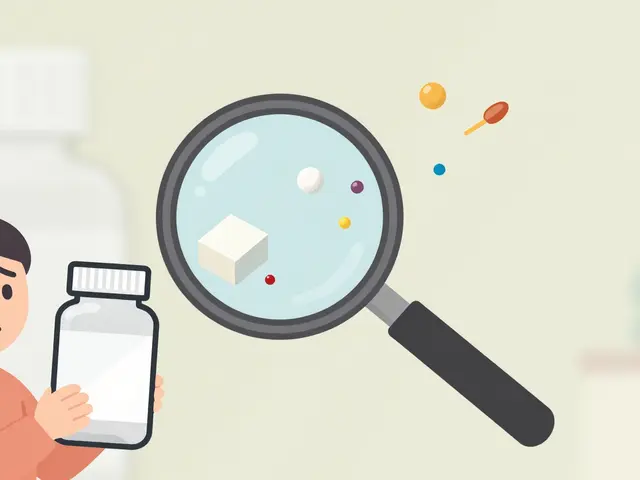
How to Address Allergies to Inactive Ingredients in Generics
Many people react to inactive ingredients in generic medications, not the active drug. Learn how lactose, gluten, dyes, and other fillers can trigger allergies - and what steps to take to stay safe.
Patent Term Restoration (PTE): How It Extends Drug Patent Life
Patent Term Restoration (PTE) lets drug makers recover lost patent time due to FDA delays. Learn how it works, who qualifies, and why it's shaping drug prices and market access.
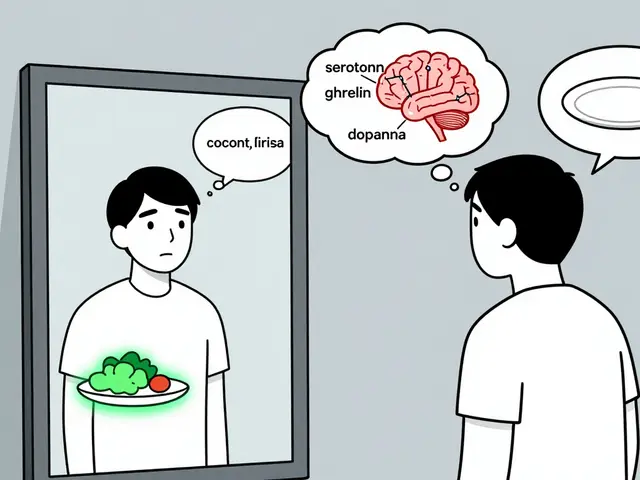
Appetite Changes from Medication: Why They Happen and How to Manage
Appetite changes from medication are common and often caused by how drugs affect brain chemicals like serotonin and ghrelin. Learn why some meds make you hungry, others make you lose interest in food, and how to manage it safely with diet, behavior, and doctor guidance.

How Generic Drugs Save Trillions: The Healthcare Cost Impact
Generic drugs saved the US healthcare system $467 billion in 2024. Discover how generics and biosimilars drive trillion-dollar savings despite comprising only 12% of drug spending.