Every year, millions of people in the UK and beyond reach for a topical pain reliever - a cream, gel, or patch - to ease sore muscles, stiff joints, or nagging arthritis pain. It feels simple: rub it on, wait a few minutes, and the discomfort fades. But what you don’t see on the label could be just as important as what you do. Not all OTC topical pain relievers are created equal, and some carry hidden risks that even experienced users overlook.
What’s Actually in Your Pain Reliever?
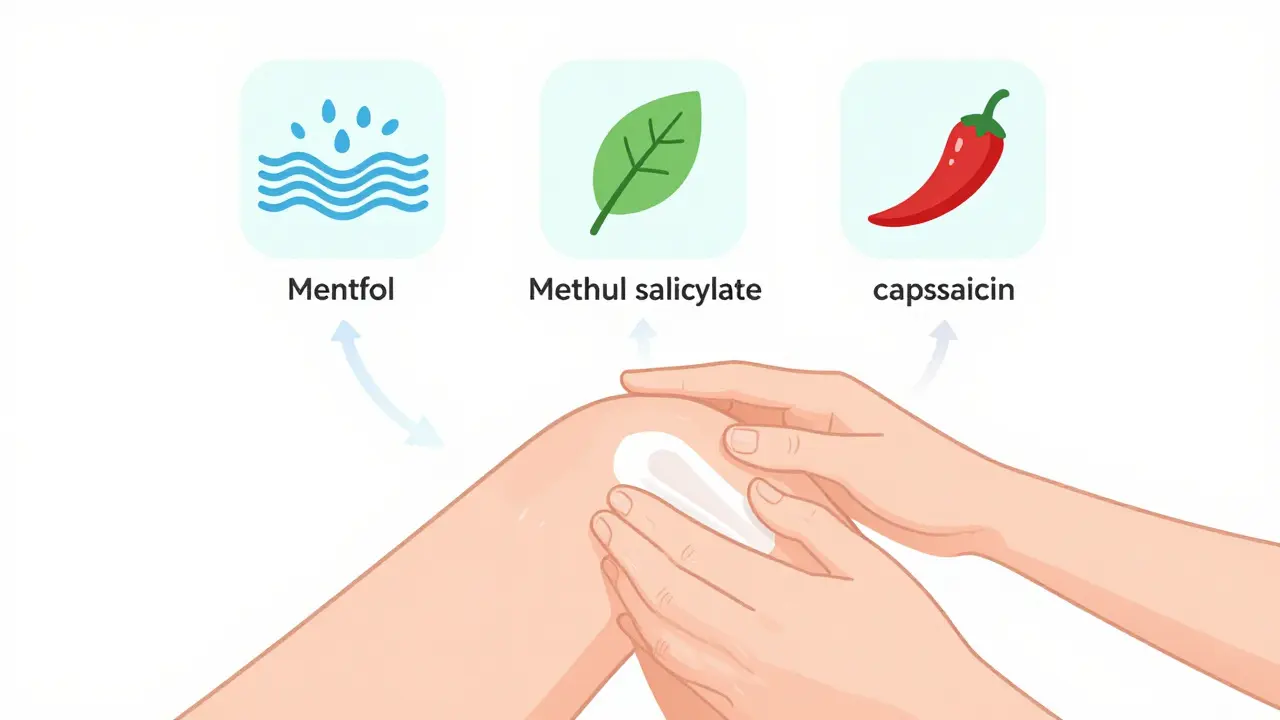
OTC topical pain relievers rely on a few key active ingredients, each with its own profile of benefits and dangers. The most common are menthol, a cooling agent that tricks nerves into feeling cold instead of pain, methyl salicylate, a cousin of aspirin that reduces inflammation at the skin’s surface, and capsaicin, the compound that makes chili peppers hot, which depletes pain-signaling chemicals in nerve endings.
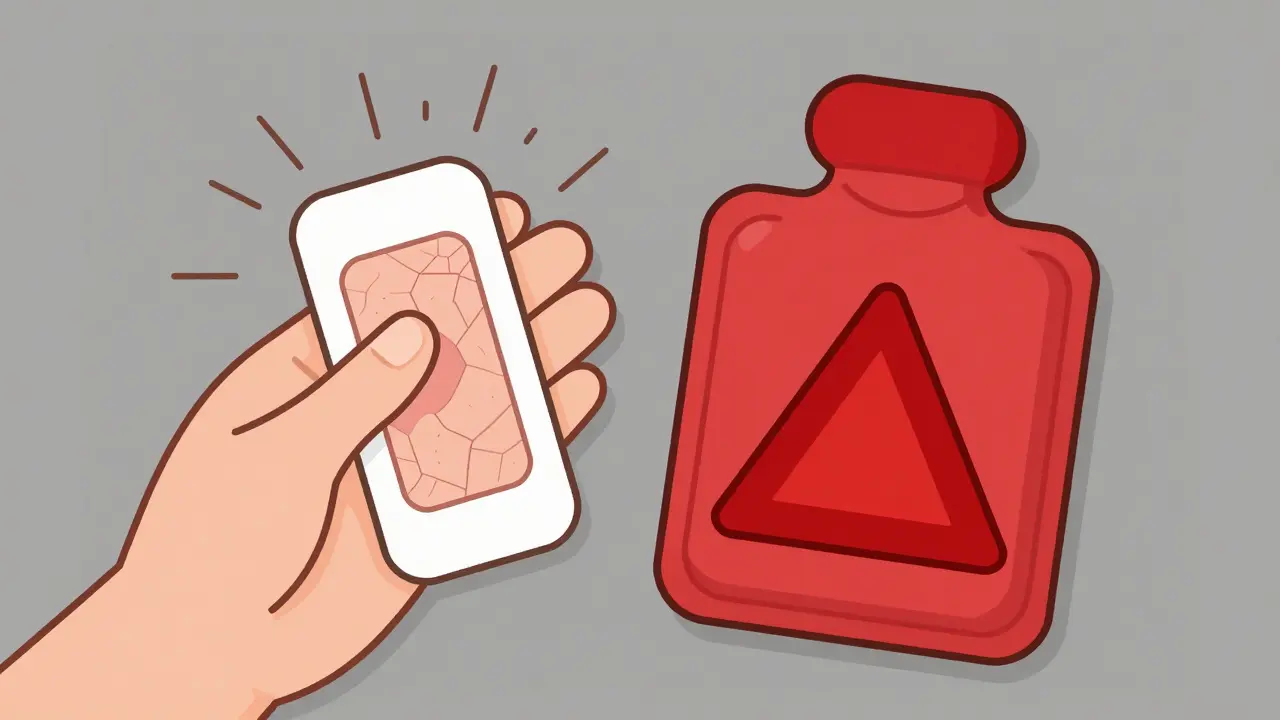
Products like Aspercreme Heat Pain Relieving Gel contain exactly 10% menthol - a concentration high enough to deliver strong relief but also enough to cause serious skin burns if misused. Health Canada confirmed this in 2017 after reviewing dozens of cases where people developed second-degree burns after applying menthol-based gels and then covering them with heating pads or tight bandages. The burns weren’t from heat - they were from chemical damage caused by menthol disrupting skin cells. That’s why Canadian labels now clearly warn: “Do not use with heating pads, electric blankets, or hot water bottles.”
Meanwhile, methyl salicylate - found in Bengay and similar products - doesn’t carry the same burn risk. But it’s still a salicylate. If you’re allergic to aspirin or take blood thinners like warfarin, using too much of this ingredient can lead to internal bleeding or bruising. It’s absorbed through the skin, and while less than oral aspirin, it still adds up over time.
Capsaicin is different. It doesn’t numb - it exhausts. Applied regularly, it reduces substance P, the chemical that tells your brain you’re in pain. But it takes work: you need to use it three to four times a day for up to a week before you feel relief. And yes, it stings - sometimes badly. That’s why pharmacists recommend wearing gloves or using a roll-on applicator. If you accidentally rub your eye after applying capsaicin, you’ll know why it’s called “chili pepper extract.”
The Lidocaine Trap
Not all topical pain relievers are legal. In July 2023, the U.S. Food and Drug Administration issued a public warning about products sold online - often marketed for use before or after tattoos, laser treatments, or microdermabrasion - that contain dangerously high levels of lidocaine. These products can contain up to 20% lidocaine, far exceeding the 4% maximum allowed for OTC use.
Why does that matter? Lidocaine is a local anesthetic. At high doses, it can enter your bloodstream and disrupt your heart rhythm, trigger seizures, or stop your breathing. The FDA named six companies - Bella’s Beauty Supply, DermaRoller Store, DermaSelect, DermaWand, DermaFlash, and DermaSweep - for selling these illegal products. Many were sold on Amazon, Etsy, and Instagram shops, often with claims like “numb your pain instantly” or “perfect for sensitive skin.”
There’s no excuse for these products to exist. The FDA has warned about them for over a decade. Yet, they keep popping up. If you bought a patch or gel labeled “10% lidocaine” or “professional strength” without a prescription, you’re using something the government says is unsafe.
When Topical Pain Relievers Are Safer Than Pills
One of the biggest advantages of topical pain relievers is that they don’t flood your whole body with chemicals. Oral NSAIDs like ibuprofen or naproxen can cause stomach ulcers, kidney damage, or raise blood pressure - especially if taken daily. The Mayo Clinic reports that 1-2% of regular oral NSAID users develop gastrointestinal bleeding each year.
Topical versions, by contrast, deliver pain relief where it’s needed with far less absorption. Dr. Christopher Gilligan from Brigham and Women’s Hospital says topical pain relievers are “a safe choice for pain due to soft tissue injury or osteoarthritis” because only small amounts enter the bloodstream. That’s why they’re often the first recommendation for older adults or people with kidney issues who can’t take oral meds.
But “safe” doesn’t mean “risk-free.” Even topical diclofenac - a nonsteroidal anti-inflammatory drug available as a gel - can cause skin rashes, itching, or allergic reactions. And if you apply it over large areas of skin or for weeks on end, you still risk systemic side effects.
How to Use These Products Safely
Here’s what you need to do - and not do - to avoid harm:
- Never apply on broken skin. Cuts, scrapes, rashes, or sunburns increase absorption. A patch on a scraped knee? That’s asking for trouble.
- Avoid heat. Heating pads, warm baths, saunas, or even tight clothing can trap heat and boost absorption. Menthol + heat = chemical burn risk. Capsaicin + heat = worse burning sensation.
- Wash your hands. Always. After applying any cream or gel, wash thoroughly. You don’t want to accidentally rub your eyes or transfer capsaicin to a child’s skin.
- Don’t use more than directed. Most products say “apply 3-4 times daily.” Going beyond that won’t make it work faster - it just increases your risk.
- Check for allergies. If you’re allergic to aspirin, avoid methyl salicylate. If you have sensitive skin, test a small patch first.
- Don’t combine with other pain meds without asking. Using a topical NSAID gel while also taking oral ibuprofen doubles your NSAID load. That’s not twice the pain relief - it’s twice the risk.
When to Stop and See a Doctor
Topical pain relievers are meant for short-term relief - not long-term management. If your pain lasts more than seven days, or if it gets worse instead of better, it’s not a problem you can rub away. It could be a pinched nerve, a torn tendon, or something more serious.
Also, if you notice:
- Redness, swelling, or blistering where you applied the product
- Heart palpitations, dizziness, or trouble breathing after use
- Unusual bruising or bleeding (especially if using methyl salicylate)
Stop using it immediately and call your doctor. These aren’t normal side effects - they’re warning signs.
What’s Missing From the Label?
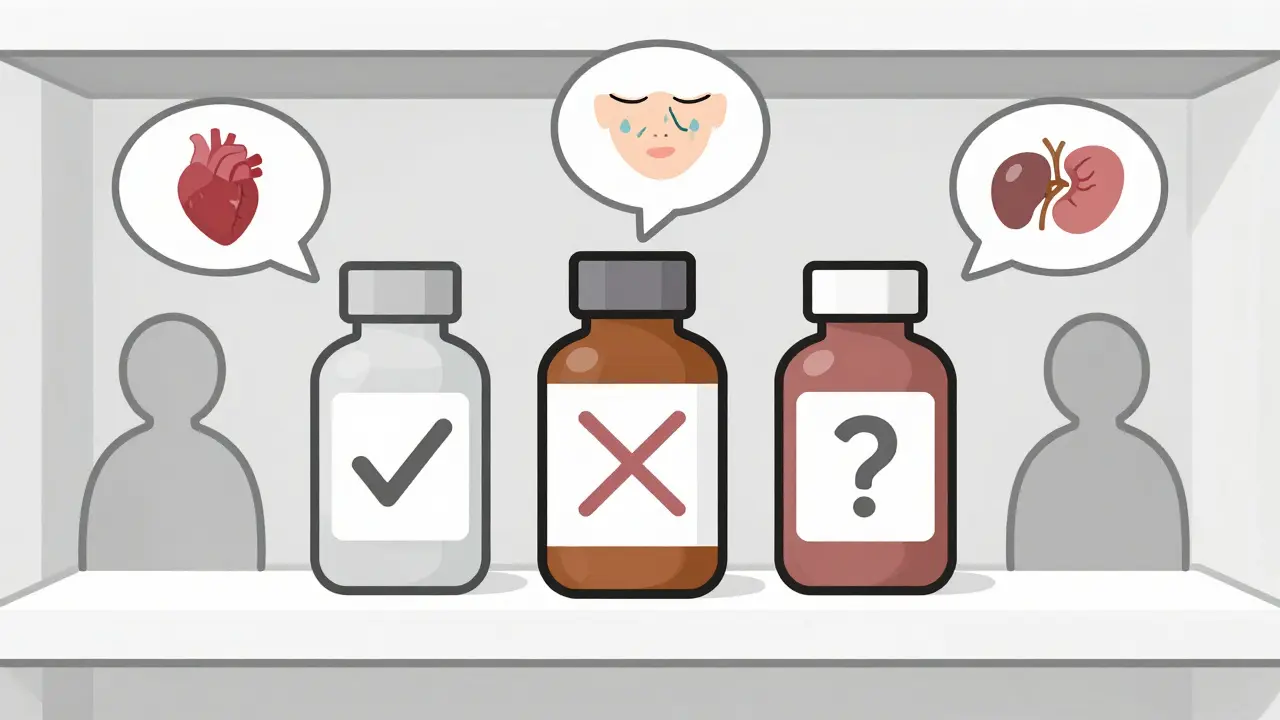
Most people assume OTC means “safe.” But as Dr. Laurie Danielson from Mayo Clinic points out: “Most people assume over-the-counter (OTC) medications are safe and then overlook discussing their use with their care team.”
That’s the real danger. You’re not just using a cream. You’re using a medicine. And medicines interact. They build up. They affect your organs. Even if it’s not swallowed.
That’s why it’s smart to mention any topical pain reliever you’re using during your next doctor’s visit - even if you think it’s harmless. Your pharmacist can check for interactions. Your GP can tell you if it’s right for your condition. And if you’re on blood thinners, have kidney disease, or are over 65, that conversation could prevent a hospital visit.
Bottom Line: Use Wisely, Not Often
OTC topical pain relievers have a place in modern pain management. They’re convenient, targeted, and often safer than pills. But they’re not magic. They’re chemicals. And like any chemical, they need respect.
Stick to products with clear labels, known ingredients, and approved concentrations. Avoid anything sold online with vague claims like “miracle pain relief” or “professional grade.” And never use them on broken skin, near heat sources, or for more than a week without checking in with a professional.
For most people, used correctly, these products are a smart, low-risk option. But used carelessly? They can turn a simple ache into a serious injury.
Can I use a menthol pain gel if I have sensitive skin?
Menthol can irritate sensitive skin, even without heat. If you have eczema, rosacea, or easily irritated skin, avoid menthol-based products. Try capsaicin or methyl salicylate instead - but patch test first. Always apply a small amount to your inner arm and wait 24 hours to check for redness or burning.
Is capsaicin cream safe for long-term use?
Yes - if used correctly. Capsaicin is approved for long-term use in osteoarthritis. But you must use it consistently: 3-4 times daily, every day. If you stop, the pain returns. Also, always wear gloves or use a roller applicator. Never touch your face or eyes after application. The initial burning sensation usually fades after 2-4 weeks of regular use.
Why do some pain patches say “do not use with heating pads”?
Heat increases blood flow to the area, which pulls more of the active ingredient into your bloodstream. With menthol, this can cause chemical burns. With lidocaine or diclofenac, it can raise the risk of overdose - leading to heart rhythm problems or seizures. This warning isn’t a suggestion. It’s a safety rule backed by real cases of injury.
Can topical pain relievers help with back pain?
They can help with surface-level muscle soreness or arthritis-related pain in the lower back. But if your pain radiates down your leg, causes numbness, or worsens with movement, it’s likely a nerve issue - not a surface muscle problem. Topical creams won’t fix a herniated disc or sciatica. See a doctor before relying on them for deep or radiating pain.
Are there OTC topical pain relievers that don’t work?
Yes. Many products on the market contain little to no active ingredient - just fragrance, aloe, or “natural extracts.” These may feel soothing, but they won’t reduce inflammation or block pain signals. Look for products that list the active ingredient and its percentage on the label. If it’s not listed, skip it.


10 Comments
Just used a menthol gel after yoga and nearly cried from the burn 😅 Turns out I left the heating pad on low for 10 mins-lesson learned. Never again. Also, wash your hands. Always. I once rubbed my eye and spent an hour crying in the shower. Not worth it.
lol people still get burned by this? i thought the labels said it clear enough. if you use heat with menthol you’re basically asking for a free trip to the er. also capsaicin? i used it once and thought my hand was on fire for 20 mins. worth it? kinda. but gloves. always gloves.
Topical pain relievers are great if you use them right. But most folks treat them like candy. They slap it on, cover it up, and think it’s magic. It’s not. It’s medicine. Read the label. Don’t use it on broken skin. Don’t use heat. Wash your hands. Simple. If you can’t do that, don’t use it.
As someone who grew up in a household where every ache got a Bengay rubdown, I can say this: context matters. My grandma used it daily for arthritis and never had a problem. But she never used heat, never covered it, and always washed her hands. The difference isn’t the product-it’s the habit. Respect the chemistry.
I work in a pharmacy and see so many people buy lidocaine patches off Amazon because they’re ‘cheaper’ or ‘stronger.’ The warning labels are there for a reason. One guy came in last week with numb lips and a racing heart after using a 15% patch he bought for his tattoo. He didn’t even know it was illegal. We need better public education on this.
The distinction between topical and systemic effects is often misunderstood. While it’s true that transdermal absorption is limited, it is not negligible-especially with repeated application, large surface areas, or compromised skin barriers. The cumulative pharmacokinetic burden, though modest, can be clinically significant in vulnerable populations. A precautionary approach is not alarmism; it is rational pharmacovigilance.
Thank you for this comprehensive guide. As a healthcare professional, I appreciate the emphasis on patient education. Many assume OTC equals risk-free, but the reality is that even topical agents can interact with systemic medications-especially anticoagulants and renal-impaired patients. I now routinely ask patients about topical pain products during medication reconciliation. This should be standard practice everywhere.
There is a deeper philosophical truth here: we treat medicine as a commodity rather than a covenant. We reach for relief without reverence. The body does not distinguish between ingested and absorbed. A chemical is a chemical. A warning is a warning. To ignore it is not ignorance-it is arrogance disguised as convenience. The modern age has taught us to consume pain, not endure it. But pain, when respected, can be a teacher. And we have forgotten how to listen.
I’ve been using capsaicin cream for knee arthritis for 8 months now. The first week was brutal-burning like crazy every time. But after two weeks, the pain started to fade. Now I barely notice it. I apply it after showering, always wear gloves, and never go near my face. It’s not instant, but it’s real. And honestly? It’s the only thing that’s helped me avoid NSAIDs.
Oh great another lecture on how to use a cream. Next you’ll tell us not to breathe oxygen. If you’re dumb enough to use heat with menthol or rub your eye after capsaicin, you deserve what you get. Stop pretending these are magic potions. They’re chemicals. Use them or don’t. But don’t act like you’re saving lives by reading the label.