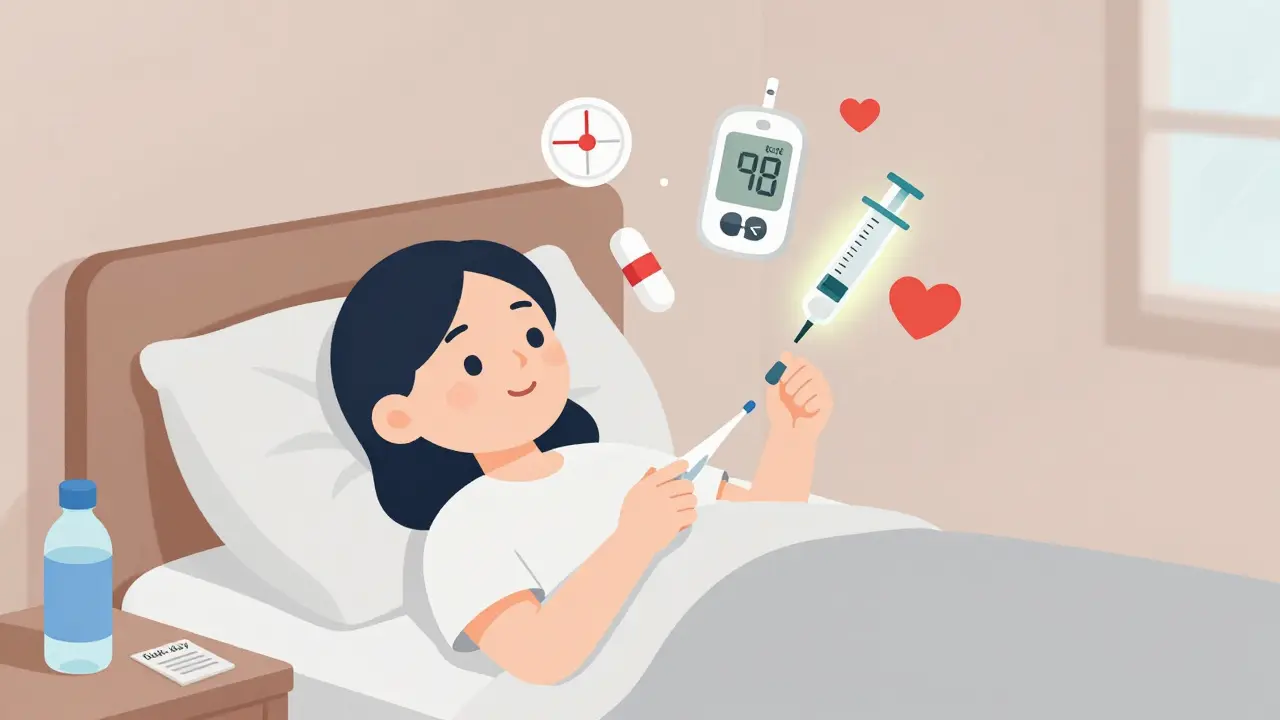
Diabetes Medication Safety Checker for Illness
When you're sick with a cold, flu, or stomach bug, your body is under stress. This interactive tool will help you make safe decisions about your diabetes medications. Based on guidelines from the ADA, IDF, and Joslin Center.
Your Medications
Your Symptoms
Results
Red Flags: If you have any of these symptoms, contact your doctor immediately.
When you’re sick with a cold, flu, or stomach bug, your body is under stress. For people with diabetes, that stress can turn a minor illness into a medical emergency. Diabetic ketoacidosis (DKA) and acute kidney injury (AKI) don’t wait for you to feel better-they can strike fast, especially if you’re taking the wrong medications at the wrong time. This isn’t about being careful. It’s about knowing exactly what to do with your diabetes meds when you’re too sick to eat, drink, or think clearly.
Why Illness Changes Everything for Diabetes Medications
Your body reacts to infection or fever by releasing stress hormones like cortisol and adrenaline. These hormones make your liver pump out more glucose-even if you’re not eating. At the same time, your body may not use insulin properly. That’s why blood sugar spikes during illness, even in people who usually have good control.
But here’s the real danger: some diabetes medications become risky when you’re dehydrated, vomiting, or not urinating enough. Metformin, SGLT2 inhibitors, and blood pressure drugs like ACE inhibitors or ARBs can turn from helpers into hazards. The risk isn’t theoretical. A 2022 study of nearly 48,000 hospital admissions found that people with diabetes are three times more likely to develop DKA and twice as likely to suffer AKI when sick-and most of these cases were preventable.
Metformin: Stop It When You’re Sick
If you take metformin, you need to know one thing: stop it at the first sign of vomiting, diarrhea, or fever. This isn’t optional. Metformin is cleared by your kidneys. When you’re sick, your kidneys may not work as well. That causes metformin to build up in your blood, increasing your risk of lactic acidosis-a rare but deadly condition where your blood becomes too acidic.
Studies show the risk jumps 8.3 times when your creatinine level rises above 1.5 mg/dL, which happens easily when you’re dehydrated. You don’t need to wait for lab results. If you’re vomiting, have diarrhea, or can’t keep fluids down, pause metformin immediately. Don’t restart it until you’ve been eating and drinking normally for at least 24 hours-and only after checking in with your doctor. Many patients don’t realize this. One Reddit user shared: “I kept taking metformin during my stomach flu. Ended up in the ER with high lactate levels.”
SGLT2 Inhibitors: Immediate Discontinuation Required
Drugs like empagliflozin, dapagliflozin, and canagliflozin help lower blood sugar by making your kidneys flush out glucose. Sounds good-until you’re sick. These medications increase your risk of euglycemic DKA, a dangerous version of ketoacidosis where your blood sugar isn’t sky-high, but your body is still burning fat for fuel and making ketones.
The FDA flagged this in 2021 after reviewing over 1,200 adverse events. The risk jumps 7.2 times when you’re not drinking enough fluids. That’s why you must stop SGLT2 inhibitors the moment you feel ill-even if your blood sugar looks normal. Waiting 24 hours increases your DKA risk by 300%, according to Dr. Anne Peters of USC. Don’t wait for symptoms like fruity breath or nausea. If you’re vomiting, have a fever above 100.4°F (38°C), or feel unusually tired, stop the medication right away.
ACE Inhibitors and ARBs: Watch Your Fluids
If you take lisinopril, ramipril, losartan, or valsartan for blood pressure or kidney protection, you’re at higher risk of AKI when sick. These drugs reduce blood flow to your kidneys. When you’re dehydrated, that reduction becomes dangerous. Your kidneys can shut down quickly.
Research shows a 40% spike in AKI risk when serum creatinine rises more than 0.3 mg/dL in 48 hours-which happens fast during vomiting or diarrhea. The rule? Pause these medications if you’re drinking less than 1,500 mL (about 6 cups) of fluid in 24 hours. That’s not much. If you’re sipping water but not keeping it down, stop the pill. Recheck with your doctor before restarting. Don’t assume your blood pressure is the only thing at risk. Your kidneys are too.
Insulin: Never Skip It
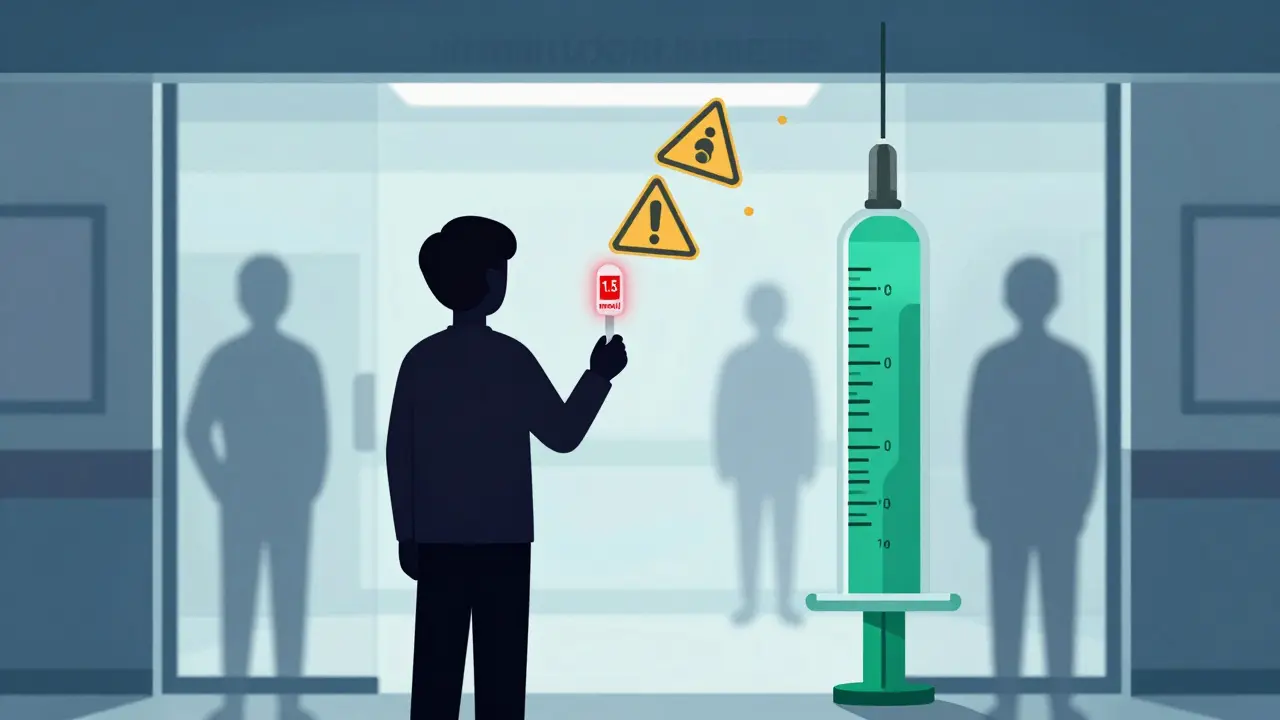
Insulin is the one medication you almost never stop-even when you can’t eat. Skipping insulin during illness is one of the biggest mistakes people make. Without insulin, your body breaks down fat for energy, creating ketones. That’s how DKA starts.
For type 1 diabetes: Increase your basal insulin by 10-20% every 4 hours if your blood sugar is above 15 mmol/L (270 mg/dL). Test every 2-4 hours. If ketones are above 0.6 mmol/L, call your doctor. For type 2 diabetes: Most people need more insulin when sick. A 2023 trial found 68% of type 2 patients on insulin needed higher doses during illness. Don’t guess. Use your sick-day plan. If you don’t have one, ask your provider for it now.
What to Do: The Sick Day Checklist
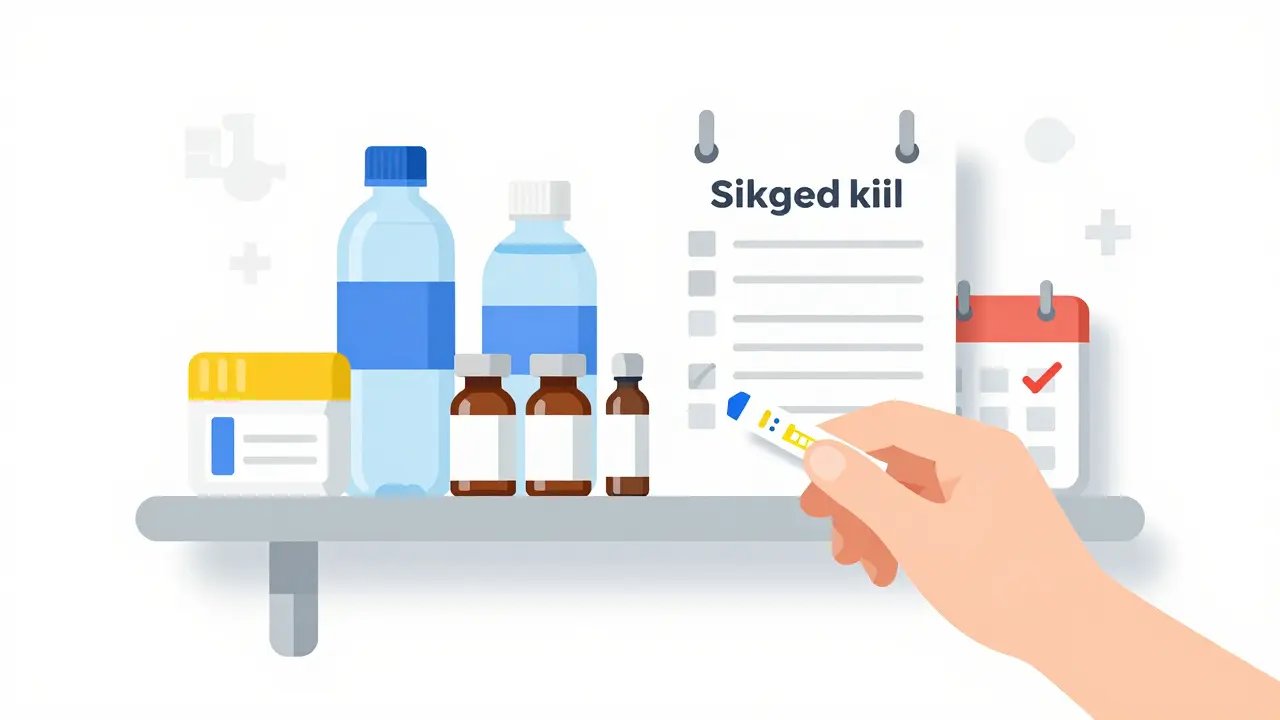
Don’t wait until you’re sick to figure this out. Prepare now. Here’s what to have ready:
- Glucose meter with 50+ test strips
- Ketone test strips (urine or blood)
- 7-day supply of all your medications (in case you can’t get to the pharmacy)
- 6 bottles of sugar-free fluids (water, broth, sugar-free electrolyte drinks)
- 15g fast-acting carbs (juice, glucose tablets) for lows
- ADA Sick Day Log (print or save on your phone)
When you get sick:
- Test blood sugar every 2-4 hours (minimum 6 times a day)
- Check ketones if blood sugar is above 240 mg/dL (13.3 mmol/L)
- Stop metformin if vomiting or diarrhea starts
- Stop SGLT2 inhibitors if fever >100.4°F (38°C)
- Pause ACE inhibitors/ARBs if you’re drinking less than 1,500 mL/day
- Keep taking insulin-even if you’re not eating
- Drink fluids: 2-3 liters per day if possible
- Call your doctor if ketones stay high for more than 2 hours, or if you’ve been vomiting for over 4 hours
Red Flags: When to Go to the ER
You don’t need to wait until you’re unconscious. These signs mean get help now:
- Blood sugar below 70 mg/dL and doesn’t rise after 15g carbs
- Blood ketones above 1.5 mmol/L or urine ketones >1.5 mmol/L
- Vomiting for more than 4 hours
- Diarrhea for more than 6 hours
- Difficulty breathing or fruity-smelling breath
- Confusion, drowsiness, or extreme fatigue
- Little or no urine output
These aren’t “maybe” situations. They’re emergencies. DKA and AKI can kill within hours if untreated.
Why Guidelines Conflict-and What to Do
Not all advice is the same. The ADA says you can keep metformin during mild illness. The IDF says stop it at the first sign of sickness. NICE says pause meds if you drink under 1,200 mL. Joslin Center says “always take your meds unless your doctor says otherwise.”
That’s confusing-and dangerous. A 2024 survey found 62% of patients had at least one medication mistake during illness. One patient told me: “My endocrinologist said keep metformin. My GP said stop it. I didn’t know who to trust.”
Here’s the fix: go with the most conservative, safest rule. If there’s doubt, stop the medication. It’s safer to pause metformin or SGLT2 inhibitors for a few days than risk lactic acidosis or DKA. Always confirm with your provider when you’re well again.
What You Can Do Today
Don’t wait until you’re sick to learn this. Right now, do three things:
- Make a sick-day kit with the items listed above. Keep it in your medicine cabinet.
- Write down your sick-day plan: which meds to stop, when, and who to call.
- Share it with a family member or friend. Give them a copy.
Most people who avoid hospitalization during illness had a plan. They didn’t guess. They didn’t wait. They acted.
Frequently Asked Questions
Should I stop my diabetes meds if I have a fever?
Yes-if you take SGLT2 inhibitors (like empagliflozin or dapagliflozin), stop them immediately. For metformin, stop if you have fever along with vomiting or diarrhea. For insulin, never stop. For ACE inhibitors or ARBs, pause if you’re not drinking enough fluids. Fever means your body is under stress, and that changes how your medications work.
Can I take over-the-counter cold medicine with diabetes?
Yes, but be careful. Avoid sugary syrups and decongestants like pseudoephedrine, which can raise blood sugar. Choose sugar-free versions. Check labels for hidden sugars or alcohol. If you’re unsure, ask your pharmacist. Some cold meds can also affect kidney function-especially if you’re already on ACE inhibitors or ARBs.
What if I can’t eat during illness?
You still need calories. Try clear broths, gelatin, popsicles, or sugar-free electrolyte drinks. If you can’t keep food down, drink fluids with 15g of carbs every hour (like regular ginger ale or juice) to prevent low blood sugar. Never skip insulin. You might need less, but you still need some. Test your blood sugar often and call your doctor if you’re not able to take in any carbs for more than 4 hours.
How often should I test my blood sugar when sick?
At least every 2 to 4 hours-so at least 6 times a day. If your blood sugar is rising quickly or you have ketones, test every hour. Don’t rely on how you feel. You can feel fine and still be heading for DKA. Use a log to track readings, ketones, fluids, and medications. This helps your doctor give you better advice later.
Is it safe to use ketone strips at home?
Yes, and it’s essential. Urine ketone strips are affordable and easy to use. Blood ketone meters are more accurate but cost more. Test when your blood sugar is above 240 mg/dL or if you feel nauseous, tired, or have stomach pain. Ketones above 1.5 mmol/L mean you need medical help. Don’t wait for symptoms to get worse.
When can I restart my medications after being sick?
Don’t restart on your own. Wait until you’re eating and drinking normally for at least 24 hours. Then call your doctor. They’ll check your kidney function (creatinine) and blood sugar control before telling you when to restart metformin, SGLT2 inhibitors, or blood pressure meds. Restarting too soon is a leading cause of preventable AKI.
Next Steps
If you have diabetes and haven’t created a sick-day plan, do it today. Talk to your doctor about your specific medications. Write down what to stop, what to keep, and who to call. Print it. Save it on your phone. Give a copy to someone you trust.
For those managing diabetes long-term, this isn’t just advice-it’s a survival skill. You’ve learned to count carbs, check blood sugar, and adjust insulin. Now you’ve learned how to protect your kidneys and avoid DKA when your body is under attack. That’s not just smart. It’s life-saving.

13 Comments
Wow. This is the kind of post that should be mandatory reading for every diabetic. I’ve seen too many people treat sick days like a vacation from their regimen. Metformin during a stomach bug? That’s not bravery-it’s negligence. Lactic acidosis doesn’t care if you ‘felt fine.’
I had a cousin who refused to stop her meds because ‘she didn’t want to go off her routine.’ Ended up in ICU for six days. She’s fine now, but she’s also permanently on dialysis. Don’t be her.
Print this. Tape it to your fridge. Share it with your mom. Your life depends on it.
Thank you SO MUCH for this 💙💛
I’ve been Type 1 for 18 years and this is the FIRST time someone laid it out like a clear, no-nonsense survival guide. I’m printing this and putting it in my emergency bag next to my glucagon. Also, sharing with my whole family-my sister just got diagnosed and she’s terrified. This will calm her down.
Also, YES to the 7-day med supply. I keep mine in a little ziplock with a sticky note that says: ‘IF YOU’RE SICK, STOP THESE. CALL DR. NOW.’
You’re a lifesaver. Seriously. 🙏
I really appreciate how thorough this is. I used to panic every time I got a cold because I didn’t know what to do with my meds. This checklist is exactly what I needed.
I’ve been on metformin for 5 years and never realized I was supposed to stop it when vomiting. My doctor never mentioned it. Maybe they assumed I knew? Either way, I’m glad I found this.
Going to make my sick-day kit this weekend. Also, I’ll share it with my dad-he’s Type 2 and hates talking about health stuff. Maybe seeing it written out will help.
Let me guess. This was written by a pharmaceutical rep with a LinkedIn profile.
Stop metformin? Really? So now we’re just supposed to ignore decades of clinical guidelines because some FDA advisory panel got spooked by 1,200 cases? Where’s the data on long-term outcomes? Where’s the RCT?
I’ve been on SGLT2 inhibitors for 4 years. I’ve never had DKA. I’ve had 3 urinary tract infections. That’s it. You’re scaring people into stopping meds that are proven to reduce heart failure and mortality.
Don’t confuse caution with fearmongering.
Also, ‘call your doctor’ is not a medical recommendation. It’s a cop-out.
THIS. IS. GOLD. 🏆
As a diabetes educator and former ICU nurse, I’ve seen too many patients show up with DKA because they kept taking their SGLT2i ‘because their sugar was normal.’ Euglycemic DKA is a silent killer. It doesn’t scream-it whispers. By the time they’re confused, it’s too late.
Metformin? Stop. ACEi/ARBs? Pause if hydration’s low. Insulin? NEVER skip. Ketones >0.6? Call. Vomiting >4h? ER. No exceptions.
Also-sugar-free electrolyte drinks? YES. Pedialyte? YES. Gatorade? NO. Glucose tabs? YES. Juice? ONLY if sugar is dropping.
Make this your bible. Bookmark it. Share it. Live by it.
And if your provider says ‘it’s fine’-get a second opinion. Your kidneys don’t negotiate.
It’s not the medications that are dangerous-it’s the assumption that illness is a discrete event. The body doesn’t distinguish between ‘flu’ and ‘metabolic stress.’ It responds to homeostatic collapse. The real issue is the fragmentation of care: endocrinologist, PCP, pharmacist, all giving conflicting advice because they’re operating in silos.
Guidelines are reactive. They’re not predictive. We need dynamic dosing algorithms tied to hydration status, renal biomarkers, and ketone thresholds-not static rules.
Also, ‘call your doctor’ is meaningless without access. What if you’re in rural Iowa and your doc doesn’t take calls after 5? The system fails. The patient pays.
So yes-stop the meds. But also fix the infrastructure.
So I’ve been on metformin for 8 years and I’ve never stopped it when sick. I just drink more water. I’m fine. Why are you telling me to panic? I’m not going to stop my meds because some guy on Reddit says so. I’ve got a PhD and I know how to read a lab report.
Also, I’m not paying for ketone strips. My insurance won’t cover them. So what do I do? Guess? That’s not medicine, that’s gambling.
And why are you telling people to call their doctor? What if they don’t have one? What if they’re undocumented? This feels like rich person advice.
Stop scaring people. Start solving problems.
Just wanted to say thank you. I’ve been avoiding reading anything about sick days because it felt too scary. This didn’t feel scary. It felt like someone handed me a flashlight in the dark.
I’m keeping this printed in my wallet. Also, I showed it to my partner and now he knows what to do if I pass out from low sugar or ketones. That’s huge.
Also, I never knew about the fluid intake thing with ACE inhibitors. I’ve been on lisinopril for 10 years. I’ll be calling my doctor Monday to get the specifics for my case.
You made this feel manageable. That’s rare.
They don’t want you to know this. Big Pharma makes billions off DKA hospitalizations. That’s why they push ‘keep taking your meds’-it keeps you coming back. The FDA? Controlled by lobbyists. The ADA? Ties to insulin companies. This post? It’s the truth they buried.
Why do you think they made ketone strips expensive? So you won’t test. So you won’t know you’re dying until it’s too late.
I stopped all my meds after reading this. I’m on a keto diet, drinking lemon water, and using apple cider vinegar. No more pills. My sugar’s better than ever.
They don’t want you to be healthy. They want you dependent.
Wake up.
Let’s be honest: this post is just fear porn wrapped in medical jargon. Stop metformin? Sure. But what about the 90% of people who won’t develop lactic acidosis? Are we supposed to treat everyone like they’re one bad stomach bug away from death?
And SGLT2 inhibitors? The data shows they reduce CV mortality. You’re telling people to ditch a proven therapy because of rare, preventable side effects? That’s not medicine-that’s dogma.
Also, ‘call your doctor’ is the worst advice in healthcare. It’s the equivalent of saying ‘if you’re bleeding, go to the hospital.’ No shit.
Real solution: educate providers. Not scare patients.
My dad had a stroke last year and now he’s on metformin and lisinopril. He got sick last month, kept taking everything, ended up with AKI. Spent a week in the hospital. Didn’t know any of this.
Printed this out and taped it to his medicine cabinet. Told him: ‘If you’re sick, stop these two. Drink water. Call me.’ He said he feels better now that he knows what to do.
Thanks for making it simple.
Every time I see someone say ‘just call your doctor,’ I want to scream. Who are you calling? The one who’s on vacation? The one who doesn’t answer texts? The one who charges $300 for a 10-minute consult?
This isn’t advice. It’s a privilege.
And why are we blaming patients for not knowing this? We’re supposed to memorize 17 different rules for 8 different meds? That’s not patient education. That’s medical gaslighting.
What we need is automated alerts in our glucose apps. ‘Ketones detected. SGLT2i contraindicated. Hold dose. Hydrate.’ Not a 5,000-word essay.
Technology can save us. But only if they stop treating us like dumb kids who need a pamphlet.
Ugh. Another ‘just stop your meds’ post. How many people have died because they stopped their ACE inhibitors and got rebound hypertension? Or because they didn’t take metformin and their HbA1c went to 11? This is why people hate diabetes care.
You’re not helping. You’re confusing.
Also, ‘sugar-free electrolyte drinks’? Please. Most of them are loaded with artificial sweeteners that spike insulin. You’re trading one problem for another.
And why is everyone so obsessed with ketones? Ketones aren’t evil. They’re fuel. Your body’s been using them for 2 million years.
Stop treating diabetes like a horror movie.
Just. Be. Consistent.