Adverse event rates in clinical trials aren't just percentages-they need to account for time on treatment. Learn how the FDA now requires exposure-adjusted methods like EAIR to reveal true safety risks, and why raw percentages can mislead.
Read MoreTag: relative risk
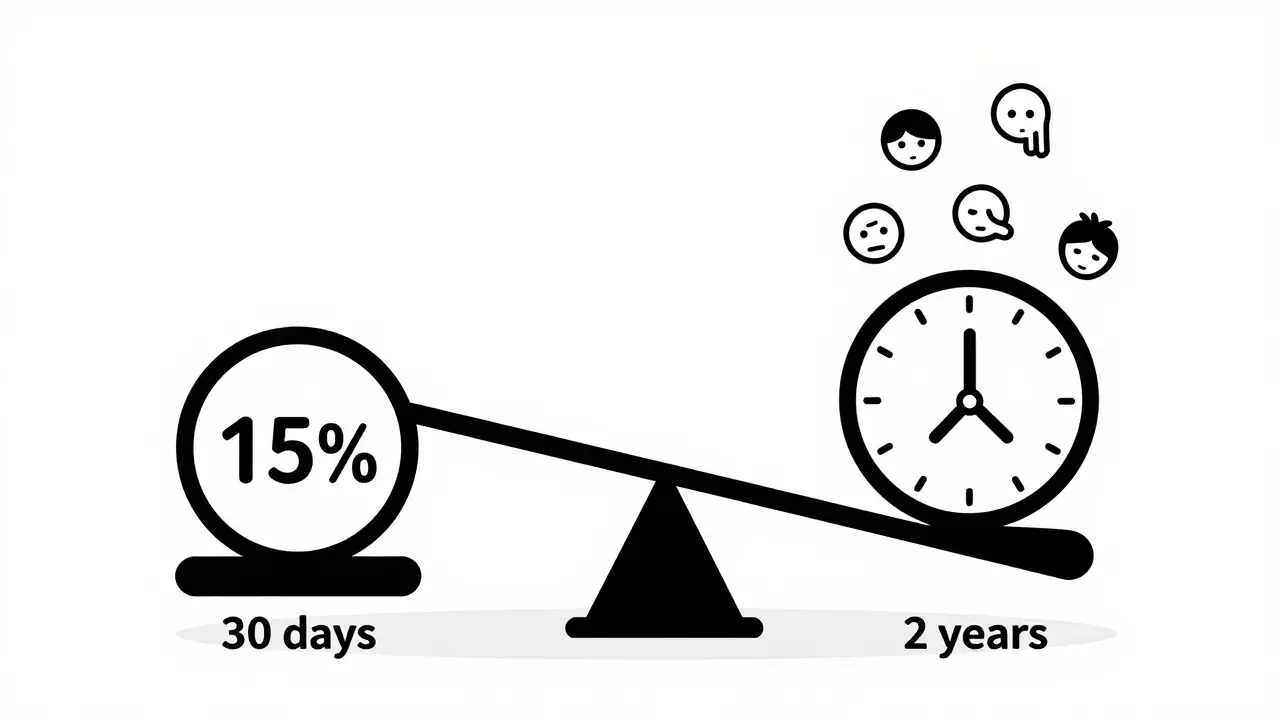
Understanding Adverse Event Rates: Percentages and Relative Risk in Clinical Trials
Archive
Categories
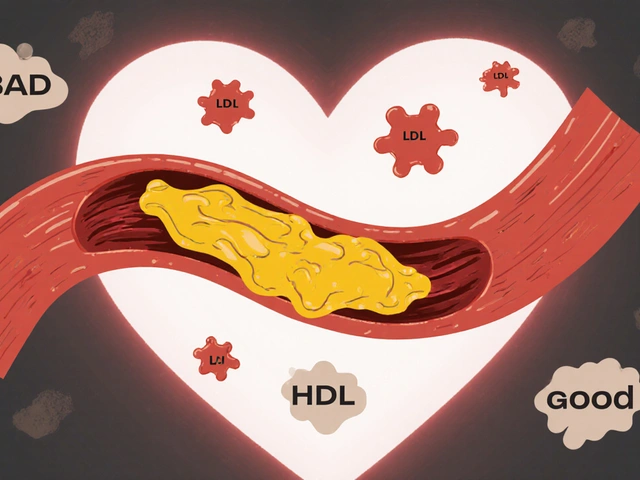
High Cholesterol: What You Need to Know About Hypercholesterolemia
High cholesterol often has no symptoms but can lead to heart disease. Learn what causes hypercholesterolemia, how to test for it, treatment options, and why early action saves lives.
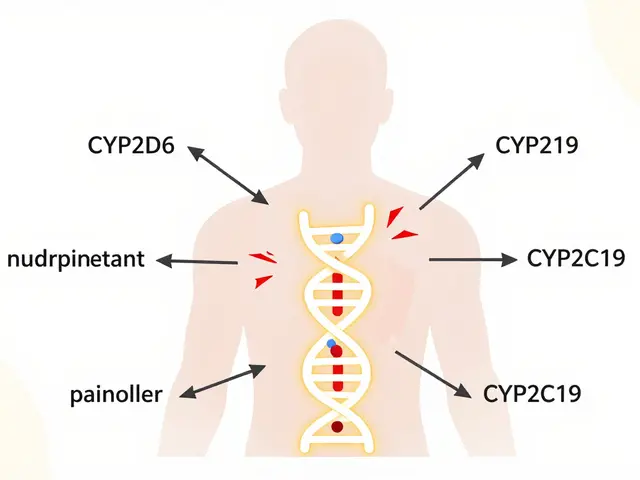
How Pharmacogenomics Reduces Drug Interaction Risk
Pharmacogenomics uses your genes to predict how you'll react to medications, cutting drug interaction risks by up to 30%. It's not theoretical-hospitals are already using it to prevent deadly side effects.
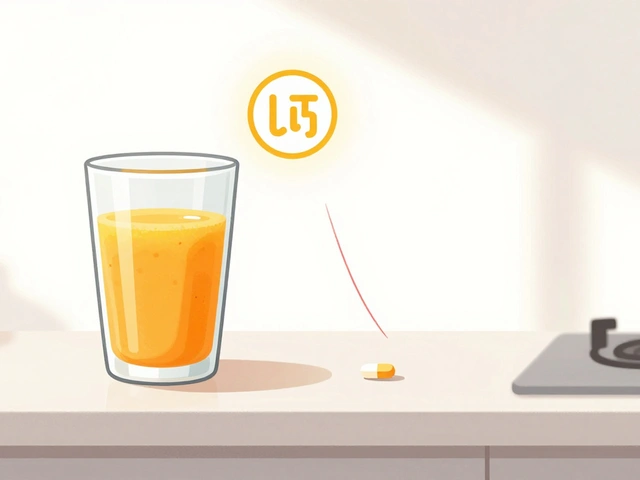
Calcium-Fortified Juices and Medications: What You Need to Know About Binding and Absorption Issues
Calcium-fortified juices can severely reduce the absorption of key medications like antibiotics, thyroid hormones, and osteoporosis drugs. Learn which drugs are affected, how long to wait, and what to do to protect your treatment.
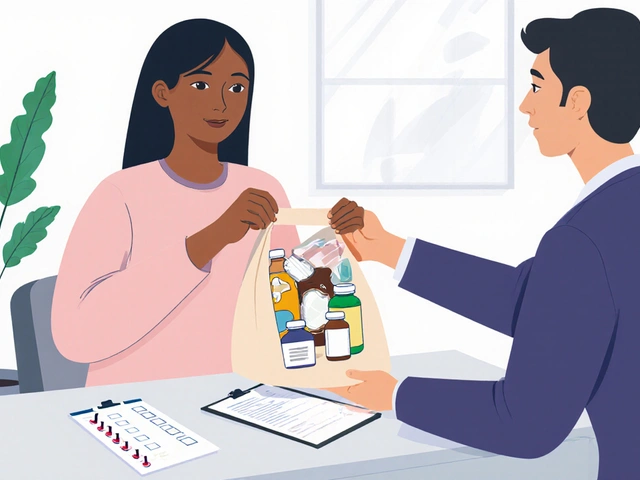
How to Use Your Pharmacy’s Consultation Service for Medication Safety
Learn how to use your pharmacy's consultation service to catch dangerous drug interactions, save money, and prevent medication errors. Pharmacists can review all your meds - even supplements - and stop problems before they happen.
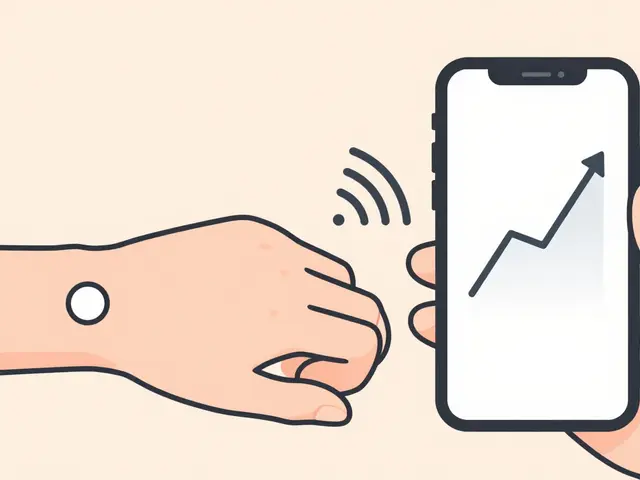
Continuous Glucose Monitors: How CGMs Work and Who Benefits
Continuous glucose monitors (CGMs) track blood sugar in real-time using a tiny sensor. They help people with diabetes avoid dangerous lows, reduce A1C levels, and improve daily management. Learn how CGMs work, who benefits most, and what to expect from modern devices like Dexcom G7 and FreeStyle Libre 3.