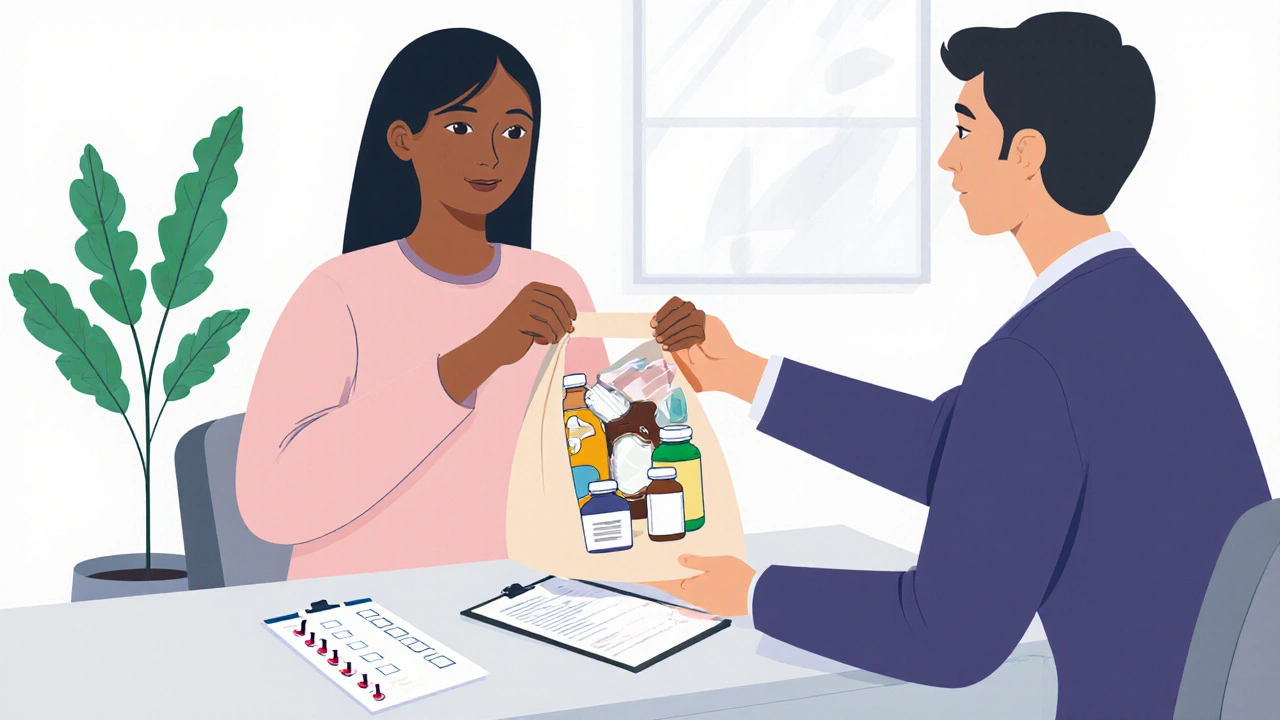
Why Your Pharmacy’s Consultation Service Is a Hidden Safety Net
You walk into the pharmacy to pick up your prescription. The pharmacist hands you the bottle, says "Take as directed," and moves on. But what if that quick exchange is missing the most important part - medication safety? Most people don’t realize their local pharmacist is trained to catch dangerous drug interactions, spot overprescribing, and even save them hundreds of dollars a month. And they’re ready to help - if you ask.
Community pharmacists in the U.S. conduct an average of 12.7 medication consultations per day. That’s not just filling prescriptions. It’s reviewing every pill, patch, and supplement you take - including over-the-counter drugs and vitamins - to make sure they don’t clash. A 2023 study found that pharmacist-led interventions prevented 87% of severe adverse drug events in VA medical centers. These aren’t rare cases. They’re routine.
What Happens During a Pharmacy Medication Consultation?
A real consultation isn’t a 30-second chat by the counter. It’s a structured review, usually lasting 15 to 20 minutes, done in a private space. Most community pharmacies now have consultation rooms - 68% as of 2023 - so you’re not talking over the sound of cash registers.
Here’s what they check:
- Your full list of medications - including supplements, herbal products, and OTC painkillers
- Drug interactions - like mixing blood thinners with certain NSAIDs
- Dosage errors - too much insulin, too little thyroid medicine
- Redundant prescriptions - two drugs doing the same job
- Adherence issues - why you’re skipping pills or running out early
- Cost-saving alternatives - cheaper generics or patient assistance programs
One patient in Texas found out her diabetes medication was causing dangerous low blood sugar because her doctor had increased the dose without telling her pharmacist. The pharmacist caught it during a routine review and called the doctor. That’s the kind of safety net you can’t get from an app or a website.
Who Should Use This Service? (It’s Not Just for Seniors)
Many assume pharmacy consultations are only for older adults on a dozen pills. That’s outdated. The new Medicare Part D eligibility rules (updated in April 2023) now cover anyone taking three or more chronic condition medications, even if you’re under 65. That includes people with diabetes, high blood pressure, depression, asthma, or arthritis.
But you don’t need insurance to benefit. Even if your plan doesn’t cover it, most pharmacies will do a free 10-minute review if you ask. You’re not being charged for the time - you’re paying for the medication. The consultation is part of their service.
High-risk groups who benefit most:
- People taking five or more medications daily
- Those who’ve recently been discharged from the hospital
- Patients with multiple doctors prescribing different drugs
- Anyone who’s had a side effect or allergic reaction
- People who skip doses because pills are expensive or confusing
A 2022 study showed pharmacist-led medication reconciliation caught errors in 40% of patient lists after hospital discharge. That’s nearly half of all cases where someone went home with the wrong meds - or the wrong doses.
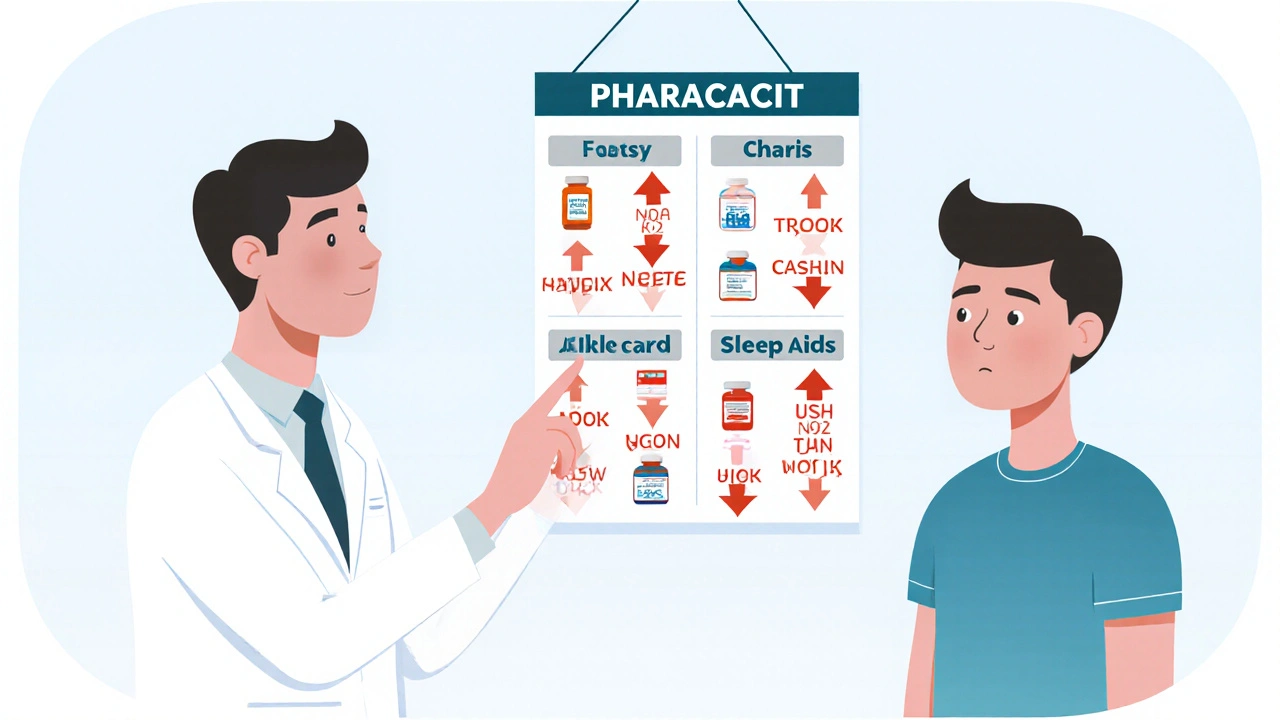
How to Get the Most Out of Your Consultation
Don’t wait for them to call you. Take control. Here’s how to make your consultation count:
- Bring everything. Include pills in their original bottles, supplements, inhalers, patches, and even herbal teas. Don’t assume they know what you’re taking.
- Write down your questions. Is your blood pressure still high? Why do you feel dizzy after lunch? Did your doctor say this new pill replaces the old one?
- Ask about cost. One patient saved $200 a month when their pharmacist found a generic alternative. Ask: "Is there a cheaper version?" or "Can you check if I qualify for a patient assistance program?"
- Request a written plan. Ask for a printed list of your medications, dosages, and what to watch for. This is your personal medication record. Keep it in your wallet.
- Follow up. If you start a new medication, go back in two weeks. Side effects often show up after a few days.
Pharmacists aren’t mind readers. If you don’t mention that you’re taking turmeric for inflammation or that you’re skipping your blood thinner because it makes you nauseous, they won’t know. Be honest. Be specific.
What If Your Pharmacy Doesn’t Offer Consultations?
It’s rare, but it happens. About 3% of community pharmacies still don’t have a private consultation area. If that’s your case:
- Ask if they can schedule a phone or video consult. Since 2020, 62% of pharmacies now offer telehealth reviews.
- Call ahead and request a consultation - don’t just show up. Pharmacies with dedicated MTM hours (76% of those offering the service) can better accommodate you.
- If they say no, ask why. Is it staffing? Lack of training? Tell them you’d like to use the service and would prefer to go to a pharmacy that offers it.
Pharmacists are trained for this. If your pharmacy doesn’t offer consultations, it’s not because they can’t - it’s because they haven’t made it a priority. Your feedback matters.
Insurance Coverage: What’s Covered and What’s Not
Medicare Part D covers comprehensive medication therapy management (MTM) for eligible beneficiaries - and 100% of Part D plans do. You qualify if you have multiple chronic conditions and take several medications. As of 2023, 14.3 million people were enrolled.
Private insurance is trickier. Only 43% of commercial plans cover full MTM services. But many still pay for basic consultations - especially if they’re tied to chronic disease management. Check your plan’s website or call customer service and ask: "Do you cover pharmacist-led medication reviews?"
Costs vary. Medicare doesn’t charge copays for MTM. Private insurers pay between $25 and $75 per session. Many pharmacies waive fees if you’re already filling prescriptions there. Even if you pay out-of-pocket, it’s often cheaper than an ER visit for a preventable drug reaction.
One VA study found each pharmacist intervention saved an average of $1,250 by preventing a hospitalization or severe reaction. That’s a 50x return on investment.
Real Stories: When a Pharmacist Saved the Day
Stories like this happen more often than you think:
- A 58-year-old man in Ohio was taking three different blood pressure meds. His pharmacist noticed they were all in the same class - doubling up. One was removed. His dizziness stopped.
- A woman in Florida was using a steroid inhaler for asthma but not rinsing her mouth. Her pharmacist explained it was causing oral thrush. She changed her routine - and her infections vanished.
- A veteran on insulin was getting dangerously low blood sugar at night. His VA pharmacist spotted the issue: he was taking a sleep aid that interacted with his insulin. The pharmacist switched his sleep med and prevented a possible coma.
Reddit threads and Trustpilot reviews are full of similar stories. One user wrote: "My pharmacist caught a dangerous interaction my doctor missed. I didn’t even know they talked to each other."
Barriers and What’s Changing
There’s a problem: time. Pharmacists say they only have 6.2 minutes on average per patient in busy stores - far below the 15-minute minimum recommended for a full review. That’s why pharmacies with automated screening (used by 83% of high-performing ones) are more successful. They flag patients who need help before they even walk in.
Another issue? Fragmented records. Your doctor’s EHR might not talk to your pharmacy’s system. That’s why bringing your own list is critical.
But things are improving. In 22 states, pharmacists can now prescribe certain medications - like birth control, smoking cessation aids, and flu shots - without a doctor’s note. That means they’re becoming more integrated into your care team. In 2023, 61% of health systems included pharmacists in primary care teams - up from 39% in 2019.
Final Thought: You’re the Key
Medication safety doesn’t start with a doctor. It doesn’t end with a pharmacy label. It starts with you asking the question: "Can we review my meds?"
Pharmacists are the most accessible health professionals you have. You see them more often than your primary care doctor - nearly twice as often. They’re trained to spot what others miss. And they’re waiting to help.
Don’t wait for a mistake to happen. Schedule your consultation today. Bring your pills. Ask your questions. Save yourself a trip to the ER - and maybe even your life.
Is a pharmacy consultation free?
Many pharmacy consultations are free, especially if you’re on Medicare Part D or your insurance covers Medication Therapy Management (MTM). Even if your plan doesn’t pay, most pharmacies offer a basic review at no cost if you’re filling prescriptions there. Some charge $25-$75 for in-depth reviews, but that’s often less than a copay for an unnecessary ER visit.
Do I need to make an appointment?
It’s best to call ahead. While some pharmacies offer walk-in consultations, others schedule them during quieter hours. Pharmacies with dedicated MTM programs often have set times - like Tuesday afternoons - to ensure pharmacists aren’t interrupted. Asking ahead means you’ll get the full 15-20 minutes you need.
Can my pharmacist change my medication?
No - pharmacists can’t prescribe or change your medication without your doctor’s approval. But they can flag issues, suggest alternatives, and call your doctor on your behalf. In 22 states, pharmacists have expanded authority to initiate certain therapies, like flu shots or smoking cessation meds, without a doctor’s script. For most prescriptions, they act as your advocate, not your prescriber.
What if I’m taking supplements or herbal remedies?
Bring them. Supplements like St. John’s Wort, garlic, or ginkgo can interact dangerously with blood thinners, antidepressants, and heart meds. Many patients don’t think these count as "medications," but pharmacists treat them the same. One woman took turmeric daily for joint pain - it was thinning her blood and causing bruising. Her pharmacist caught it and helped her switch to a safer option.
How often should I get a medication review?
At least once a year - or anytime your medications change. If you’ve been hospitalized, started a new drug, or had a side effect, schedule a review right away. For people on five or more medications, every six months is ideal. Your pharmacist can help you set reminders.
14 Comments
Bro, I didn’t know my pharmacist could literally save my life. I’ve been taking that turmeric supplement for months and had no idea it was thinning my blood. Just walked in yesterday and asked for a med review-she caught it immediately. Now I’m on a safer alternative. Pharmacies aren’t just for getting pills-they’re your secret health squad. 🙌
This is why people die.
The pharmacoeconomic ROI here is non-trivial-pharmacist-led MTM interventions demonstrate a 50:1 cost-benefit ratio in preventing ADEs, per VA data. Yet systemic underutilization persists due to fragmented EHR interoperability and lack of patient awareness. We’re treating pharmacists as dispensers, not clinical decision-support agents. Time to reframe the paradigm.
I used to think pharmacists just handed out pills and said 'take two'... until my mom almost went into a coma from mixing her blood thinner with a new OTC sleep aid. The pharmacist called her doctor on the spot. Now I bring my whole medicine cabinet every six months. Don’t be that person who thinks 'it’s just vitamins'.
This article is completely inaccurate. Most pharmacists are overworked and undertrained. They don’t have time for 'consultations'-they’re busy scanning barcodes and arguing with insurance companies. And don’t get me started on the 'free' reviews-they always upsell you on $40 supplements afterward. Don’t believe the hype.
Look, I get it. You want to feel like your pharmacist is your personal health guardian. But let’s be real-most of these 'consultations' are just 10 minutes while they’re ringing you up. And if you’re not on Medicare, good luck getting anyone to care. This whole thing is corporate PR dressed up as patient advocacy. Save your time. Just read the label.
In Nigeria, we don’t have this luxury. Our pharmacists are often the only medical professionals we see-and they’re doing their best with no EHR, no training, and no support. Don’t act like this is normal everywhere. Stop being so entitled. We’re lucky if they even know what a beta-blocker is.
According to the CDC’s 2023 Pharmacist Engagement Report (Table 4.2), 87% of ADEs prevented through MTM occurred in patients with ≥5 chronic conditions. Additionally, 68% of pharmacies now have dedicated consultation rooms per NABP 2023 Standards. The data is unequivocal: this is not optional-it is a critical component of value-based care. 📊💊
In India, we don’t have private consultation rooms. But my local pharmacist? He sits with me on a plastic stool, flips through my pills like a priest reading holy texts, and asks if I’m sleeping well. He doesn’t need a room. He needs us to show up. This isn’t about systems-it’s about care. And yes, he does it for free.
I started bringing my meds in every time I pick up a script-even if it’s just one pill. My pharmacist remembers my name, my dog’s name, and that I hate taking pills with coffee. She once caught a duplicate prescription from two different doctors. I didn’t even know they were both prescribing me the same thing. Small acts. Big saves.
The real issue isn’t whether consultations happen-it’s whether we’ve normalized the idea that our health is a shared responsibility. We outsource our well-being to doctors, then blame pharmacists when things go wrong. But if you don’t know what’s in your medicine cabinet, how can you expect someone else to? You’re not a patient. You’re a co-manager.
I used to think I was fine-until I got dizzy every afternoon and blamed it on stress. Then I brought my whole pillbox to the pharmacy. Turns out, my antidepressant and my OTC allergy med were fighting each other. She called my doctor. Changed one thing. Dizziness gone. I cried in the parking lot. You don’t need a big hospital. You just need someone who cares enough to ask. Don’t wait for a crisis.
I’ve been doing this for years. Every time I get a new script, I go back in a week and say, 'Can we go over this?' They always say yes. I don’t care if it’s 'free' or not-I care that I’m alive. I’ve had two near-misses because I asked. One was a drug interaction I didn’t even know existed. I don’t know why more people don’t do this. It’s like checking your brakes before a road trip. Why wouldn’t you?
Just to clarify-this isn’t just 'nice to have.' Per CMS guidelines (2023), MTM services are a required benefit under Part D for beneficiaries meeting the 'high-risk' criteria. If your pharmacy isn’t offering it, they’re not in compliance. File a complaint. 📞