HPV causes most cervical cancers, but vaccination and modern screening can prevent them. Learn how testing, self-sampling, and vaccination work together to stop cancer before it starts.
Read MoreHPV Testing: What It Is, Why It Matters, and What to Expect
When you hear HPV testing, a medical procedure used to detect infection with the human papillomavirus, a common virus linked to cervical cancer and other health issues. Also known as human papillomavirus screening, it’s not just for women—it’s a key part of preventive care for anyone with a cervix, and increasingly for men and people with HPV-related risks. Unlike a regular Pap smear that looks for abnormal cells, HPV testing finds the virus itself—before it causes damage. The CDC says over 80% of sexually active people will get HPV at some point, but most never know because it often goes away on its own. The problem? Some strains stick around and can lead to cancer if not caught early.
That’s where cervical cancer screening, a combined approach using HPV testing and Pap smears to detect precancerous changes before they become life-threatening comes in. For people aged 30 to 65, guidelines recommend HPV testing every five years, either alone or with a Pap test. Younger people usually start with Pap smears, but HPV testing is becoming the go-to because it’s more accurate at spotting high-risk strains like HPV 16 and 18, which cause about 70% of cervical cancers. The test itself is simple: a small brush collects cells from the cervix during a pelvic exam—no pain, no downtime. Results come back in about a week. If HPV is found, your doctor might suggest a follow-up colposcopy or repeat testing in a year. It’s not a diagnosis of cancer—it’s a warning sign, and a chance to act.
And it’s not just about cervical health. HPV vaccine, a preventive shot that protects against the most dangerous strains of the virus before exposure has changed the game. The CDC recommends it for everyone from ages 9 to 26, and even up to 45 in some cases. Vaccination cuts infection rates dramatically—studies show over 80% fewer cases of HPV-related precancers in vaccinated teens. But even if you’ve had the vaccine, you still need regular HPV testing. The vaccine doesn’t cover all strains, and it doesn’t clear existing infections. So testing remains essential.
Men don’t get routine HPV testing, but they can still carry and spread the virus. HPV is linked to throat, anal, and penile cancers too. If you’re immunocompromised, have a history of anal intercourse, or notice unusual warts or sores, talk to your doctor. There’s no official screening for men, but symptoms and risk factors matter. And if you’ve had an abnormal HPV result, your partner should know—this isn’t about blame, it’s about protection.
What you’ll find below are real, practical guides from people who’ve been through this. From how to prepare for your test, to understanding confusing results, to choosing between HPV testing and Pap smears, to how the vaccine fits into your overall plan—these posts cut through the noise. No fluff. No fear-mongering. Just what you need to know to stay in control of your health.
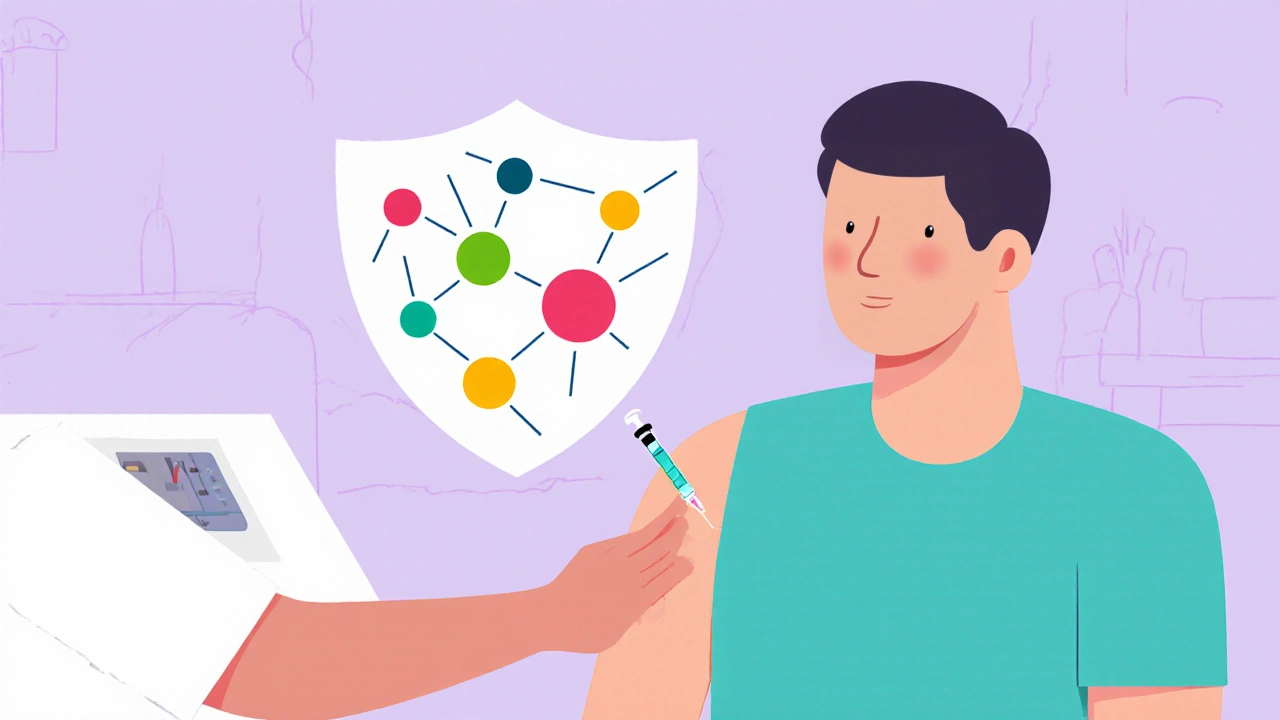
HPV Infections: How Vaccination, Screening, and Early Detection Prevent Cancer
Archive
Categories
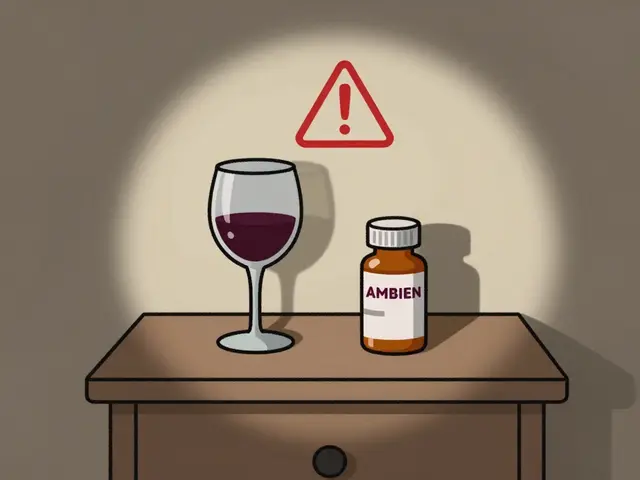
Alcohol and Sleep Medications: The Hidden Danger of Combined Sedation
Combining alcohol with sleep medications like Ambien or Lunesta can cause deadly sedation, slowed breathing, and memory loss. Learn why even one drink is dangerous and what safer alternatives exist.
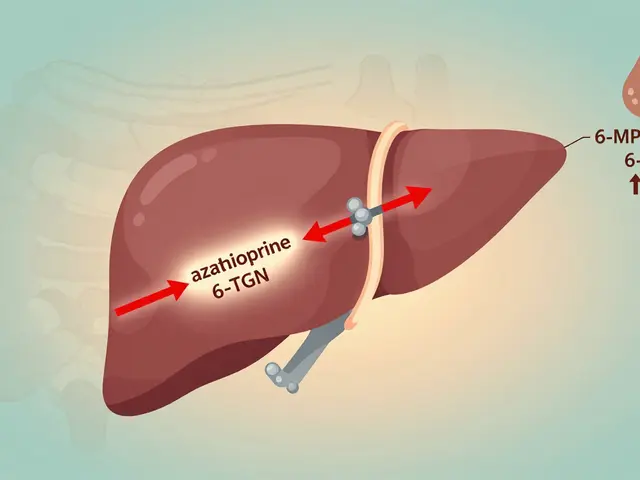
Azathioprine and Allopurinol: How Low-Dose Combination Therapy Prevents Toxic Metabolite Buildup
LDAA therapy combines low-dose azathioprine with allopurinol to redirect toxic metabolite production toward therapeutic effects. It’s a proven solution for patients with high liver enzymes or poor response to standard thiopurine therapy, but requires strict monitoring to avoid bone marrow suppression.

Environmental Triggers Behind Fungal Skin Discoloration
Explore how humidity, temperature, sweat, clothing, UV light and other environmental factors fuel fungal skin discoloration and learn practical prevention tips.

Generic Drug Availability: Why Your Medicine Costs Different Amounts Around the World
Generic drugs are identical in active ingredients but vary wildly in price and availability worldwide due to regulatory, economic, and cultural differences. Learn why the same pill costs $1 in India and $100 in the U.S.

Neck Pain: How to Treat Cervical Strain and Get Back to Normal
Cervical strain is the most common cause of neck pain, often triggered by poor posture or minor injuries. Learn evidence-based treatments, exercises, and prevention tips to heal faster and avoid long-term pain.