Rosacea and summer sun can be a tough combo. This article dives into practical ways to prevent sunburn-triggered rosacea flares, including smart SPF tips, the real scoop on antioxidant serums, and soothing post-sun routines. Grab dermatologist tricks to protect your skin if you’re prone to flares. The advice here goes beyond generic rules, focusing on science-backed, easy strategies for daily life. Learn what really helps and what to skip for happier, healthier skin.
Read MoreSunburn: How to Protect and Care for Your Skin
Sunburn can happen to anyone who spends time outdoors without proper protection. It’s not just about redness or pain; sunburn damages your skin cells and can lead to long-term problems like premature aging or even skin cancer. Knowing how to prevent sunburn and how to treat it if it occurs can make a huge difference in how you feel and how your skin stays healthy.
Avoiding sunburn starts with smart sun habits. Using sunscreen with broad-spectrum protection and at least SPF 30 is a must. Apply it generously on all exposed skin areas 15 minutes before going outside, and reapply every two hours or immediately after swimming or sweating. Wearing hats, sunglasses, and light but covering clothing adds extra layers of defense. Don’t forget: the sun's rays are strongest between 10 a.m. and 4 p.m., so try to seek shade or limit outdoor time during these hours.
Effective Ways to Soothe Sunburn
If you do get sunburned despite precautions, start treatment right away. Cool down your skin with a gentle shower or a cold compress. Avoid harsh soaps or scrubbing; keep your skin moist with soothing lotions or gels that contain aloe vera or soy. Over-the-counter pain relievers like ibuprofen can help reduce pain and swelling. Drink plenty of water to stay hydrated since sunburn draws fluid to the skin’s surface and away from the rest of your body.
Resist the urge to peel or scratch your sunburned skin, as it could lead to infection or scarring. If your sunburn is severe, with blisters covering large areas, fever, chills, or extreme pain, seek medical help promptly. These symptoms mean your body is reacting strongly, and you might need professional care.
Why Sunburn Matters Beyond the Burn
Sunburn is more than just a temporary annoyance. It signals damage to your DNA, which raises the risk of developing skin cancer over time. Even mild sunburns add up, so staying sun-safe is an investment in your long-term health. Regularly checking your skin for new or changing spots and discussing sun protection with your healthcare provider is a smart move to catch problems early.
Remember, sunburn can be avoided with a bit of care and respect for the sun. Use the right protection, treat your skin gently if you do get burned, and keep an eye on your skin's health. It’s simple steps like these that help you enjoy the outdoors safely without paying the price later.

Rosacea Sunburn Prevention: Dermatologist-Approved SPF, Serums, and Cooling Skin Routines

Rosacea or Sunburn: A Clear Guide to Spotting the Difference Fast
Confused between rosacea and sunburn after a day in the sun? This article breaks down their early signs, crucial differences, and what to watch for in the first 24 hours. Learn when redness is more than just sun and when it’s time to worry. Helpful tips and real-life examples make it easy to know what’s happening to your skin.
Read MoreArchive
Categories
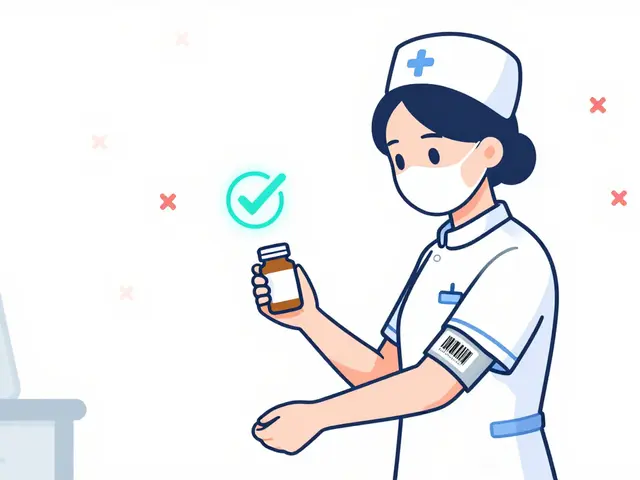
Medication Errors in Hospitals vs. Retail Pharmacies: What Really Happens Behind the Counter and at the Bedside
Medication errors happen in both hospitals and retail pharmacies, but they differ in frequency, type, and impact. Hospitals have more errors but better safety nets; pharmacies have fewer errors-but they often go unnoticed until it's too late.
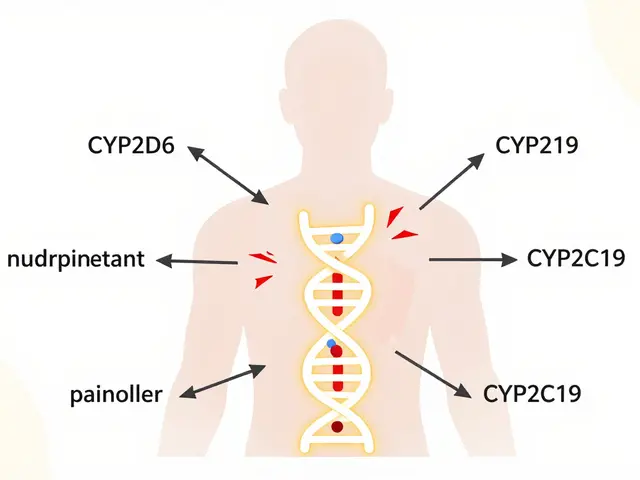
How Pharmacogenomics Reduces Drug Interaction Risk
Pharmacogenomics uses your genes to predict how you'll react to medications, cutting drug interaction risks by up to 30%. It's not theoretical-hospitals are already using it to prevent deadly side effects.
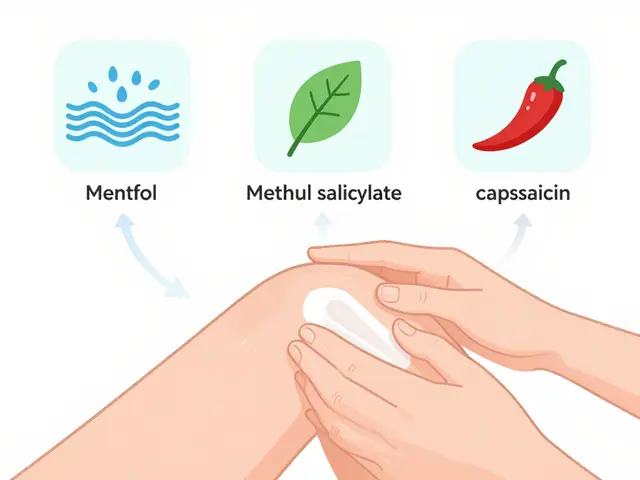
OTC Topical Pain Relievers: Creams, Gels, and Patches Safety Guide
OTC topical pain relievers like creams and patches can ease muscle and joint pain safely - but only if used correctly. Learn the hidden risks of menthol, lidocaine, and capsaicin, and how to avoid serious side effects.
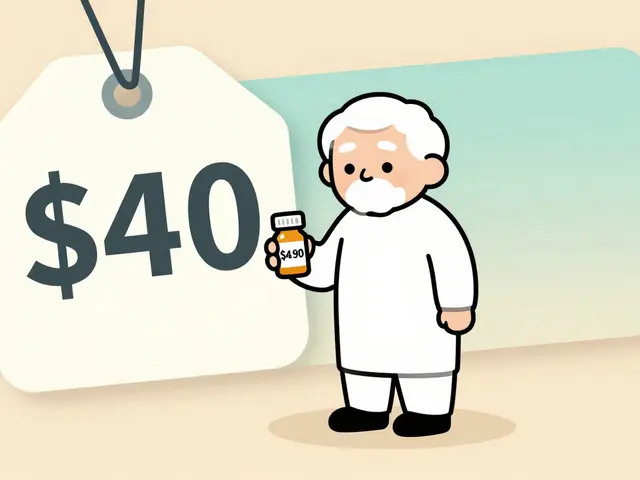
How to Use Medicare Extra Help to Pay Less for Generic Prescriptions
Medicare Extra Help cuts generic prescription costs to $4.90 per pill for low-income seniors. Learn who qualifies, how to apply, and why so many miss out - even when they should get it.
How to Recognize Labeling Errors and Ask for Corrections in Medical Data Annotation
Learn how to spot and correct labeling errors in medical data to improve AI accuracy and patient safety. Practical steps for annotators, pharmacists, and data teams.