Ondansetron can cause dangerous QT prolongation, especially with IV use. Learn which patients are at risk, how to use it safely, and safer alternatives like palonosetron and dexamethasone.
Read MoreOndansetron QT Prolongation: Risks, Signs, and What You Need to Know
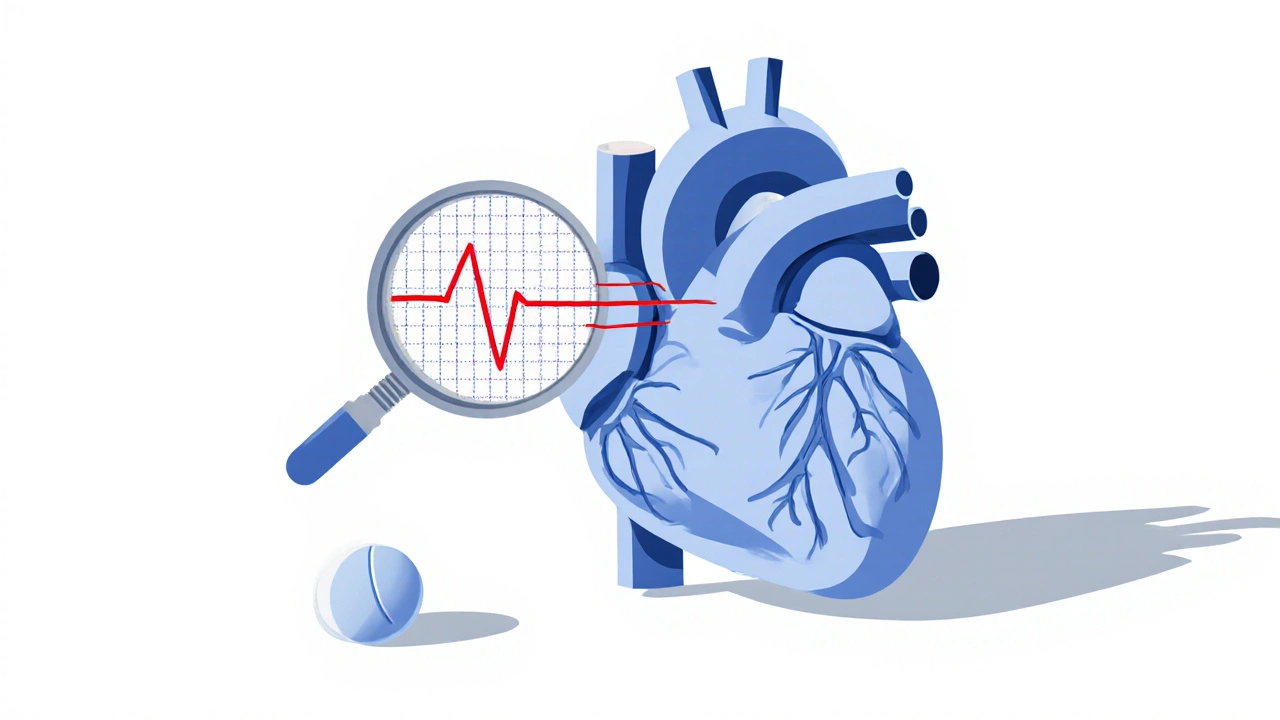
When you take ondansetron, a serotonin blocker used to prevent nausea from chemotherapy, surgery, or severe vomiting. It's known for working fast and helping people feel better—but it can also affect your heart’s electrical rhythm in a way that’s not always obvious. This effect is called QT prolongation, a delay in the heart’s recovery phase after each beat, which can lead to dangerous irregular heartbeats. It’s not common, but when it happens, it can be life-threatening—especially if you’re older, have heart disease, or are taking other drugs that also stretch the QT interval.
QT prolongation, a measurable change on an ECG that signals abnormal heart electrical activity. isn’t something you feel right away. You won’t get chest pain or dizziness every time it occurs. But if your QT interval gets too long, it can trigger a rare but deadly rhythm called torsades de pointes. That’s when your heart starts quivering instead of pumping. People who’ve had this before, those with low potassium or magnesium, or those on high doses of ondansetron are at higher risk. The FDA has warned about this since 2012, and studies show the risk goes up significantly when ondansetron is given in doses over 16 mg IV or when combined with other QT-prolonging drugs like certain antibiotics, antidepressants, or antifungals.
Many people don’t realize that even over-the-counter supplements can add to this risk. Things like licorice root, certain herbal teas, or even some weight-loss pills can interfere with your heart’s rhythm. If you’re on ondansetron, it’s not just about the pill you’re taking—it’s about everything else in your system. That’s why pharmacists often run full med reviews. They check your list of drugs, supplements, even past heart issues, to spot hidden dangers before they become emergencies.
If you’ve been prescribed ondansetron and have a history of heart problems, ask your doctor for a baseline ECG. It’s a simple, painless test that can catch early signs of QT changes. And if you start feeling lightheaded, your heart races for no reason, or you suddenly feel faint—don’t wait. Get checked. These aren’t normal side effects. They’re red flags.
The posts below cover real cases, drug interactions, and safety tips from people who’ve been through this. You’ll find guides on how to talk to your pharmacist about heart risks, what other meds to avoid, and how to monitor yourself at home. No fluff. Just clear, practical info to help you use ondansetron safely—or decide if there’s a better option for you.
Antiemetics and QT Prolongation: Ondansetron Risks and Safe Use
Archive
Categories

Pre-Medication Strategies: How Antiemetics, Antihistamines, and Steroids Prevent Reactions
Learn how antiemetics, antihistamines, and steroids prevent reactions to contrast scans and chemotherapy. Evidence-based protocols, timing rules, and real-world tips to keep patients safe.
Hepatitis B: Chronic Infection, Antivirals, and Vaccination
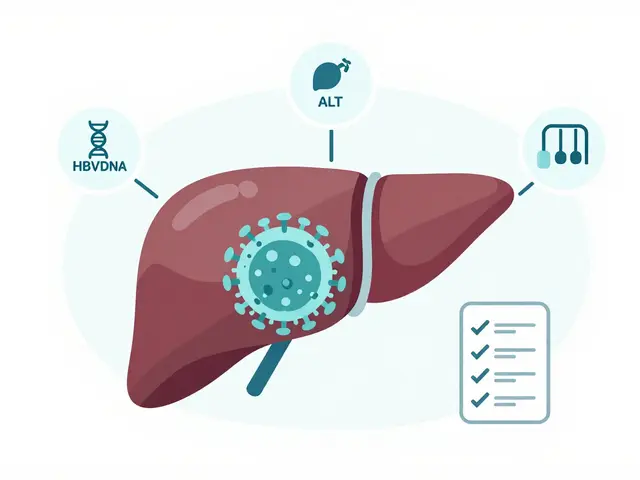
Chronic hepatitis B requires lifelong management, but modern antivirals like TAF and entecavir can prevent liver damage. Vaccination remains the best prevention. Learn who needs treatment, how to monitor it, and what’s coming next.
Immunosuppressants: What Transplant Patients Need to Know About Safety and Side Effects
Immunosuppressants prevent organ rejection after transplant but carry serious risks like infection, cancer, and organ damage. Learn how to manage these medications safely and avoid life-threatening mistakes.
Patent Term Restoration (PTE): How It Extends Drug Patent Life
Patent Term Restoration (PTE) lets drug makers recover lost patent time due to FDA delays. Learn how it works, who qualifies, and why it's shaping drug prices and market access.
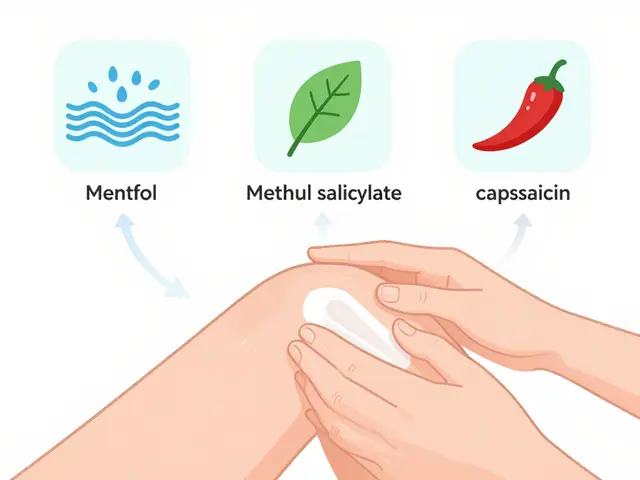
OTC Topical Pain Relievers: Creams, Gels, and Patches Safety Guide
OTC topical pain relievers like creams and patches can ease muscle and joint pain safely - but only if used correctly. Learn the hidden risks of menthol, lidocaine, and capsaicin, and how to avoid serious side effects.