Adverse event rates in clinical trials aren't just percentages-they need to account for time on treatment. Learn how the FDA now requires exposure-adjusted methods like EAIR to reveal true safety risks, and why raw percentages can mislead.
Read MoreTag: FDA safety guidelines
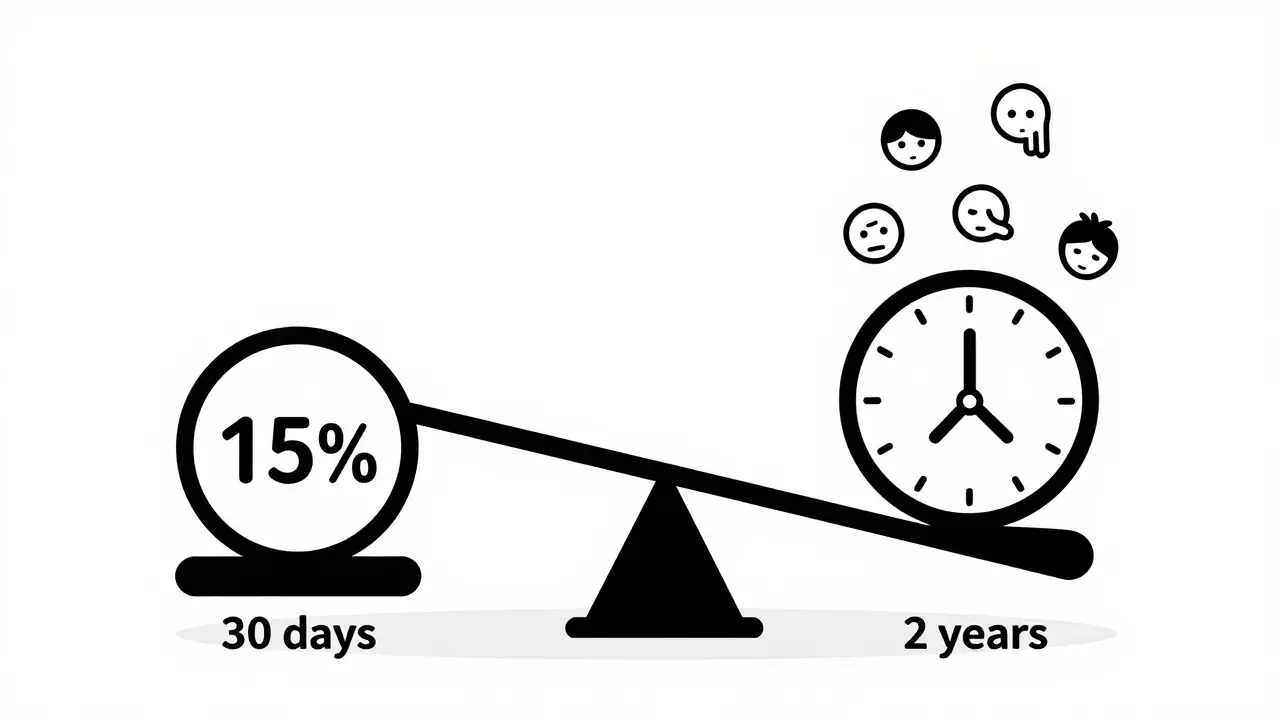
Understanding Adverse Event Rates: Percentages and Relative Risk in Clinical Trials
Archive
Categories

How to Get U.S. Pharmacies to Beat Canadian Drug Prices: Price Match, Coupons & Insider Tips
Prescription costs in the U.S. can feel brutal, driving people to hunt for meds from Canada. But did you know you can often make American pharmacies drop their prices below popular Canadian outlets using price match secrets and coupon stacking? This article digs deep into negotiation tactics, how to use price matches, and which coupons really move the needle. Plus, get the inside scoop on reliable pharmacy alternatives that make saving even easier. Real-world examples, clear steps, and behind-the-scenes strategies for fighting high pharmacy prices in 2025.
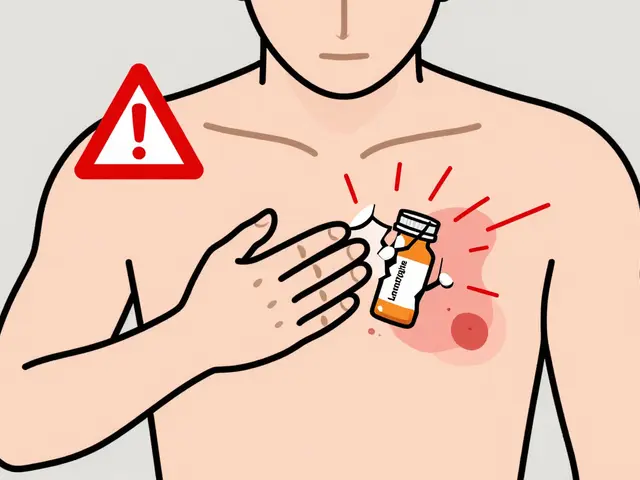
When Side Effects Warrant Stopping a Medication Immediately
Not all side effects mean you should stop your medication. Some require immediate discontinuation to prevent death, while others can be managed with medical guidance. Learn the red flags that demand urgent action and the drugs that can't be stopped cold turkey.
Patent Term Restoration (PTE): How It Extends Drug Patent Life
Patent Term Restoration (PTE) lets drug makers recover lost patent time due to FDA delays. Learn how it works, who qualifies, and why it's shaping drug prices and market access.
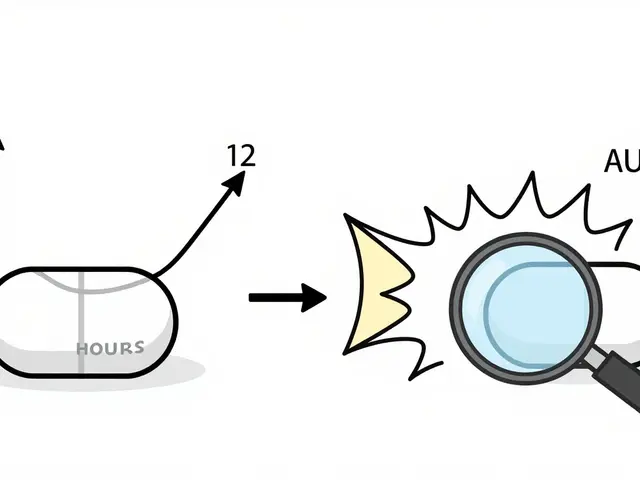
Partial AUC: Advanced Bioequivalence Measurements Explained
Partial AUC is a refined bioequivalence metric that measures drug exposure during key time windows, not the entire curve. It catches dangerous differences in absorption that traditional tests miss-especially for extended-release and abuse-deterrent generics.
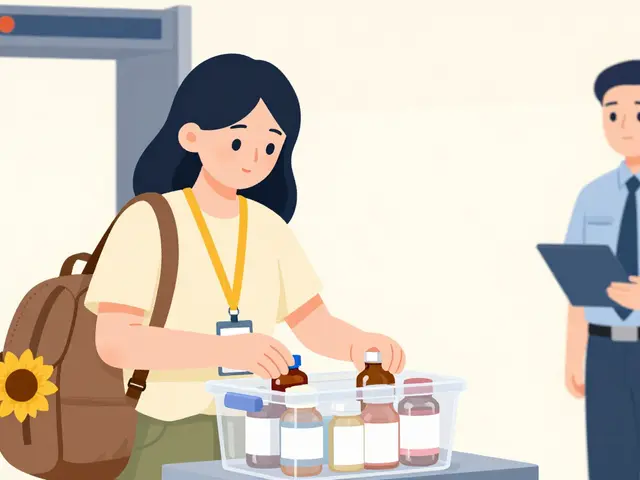
Traveling With Medications: Security, Storage, and Refills Guide for 2025
Learn how to safely travel with medications in 2025-avoid confiscation, handle TSA checks, store insulin properly, refill prescriptions abroad, and navigate international drug laws without stress.