Adverse event rates in clinical trials aren't just percentages-they need to account for time on treatment. Learn how the FDA now requires exposure-adjusted methods like EAIR to reveal true safety risks, and why raw percentages can mislead.
Read MoreTag: exposure-adjusted incidence rate
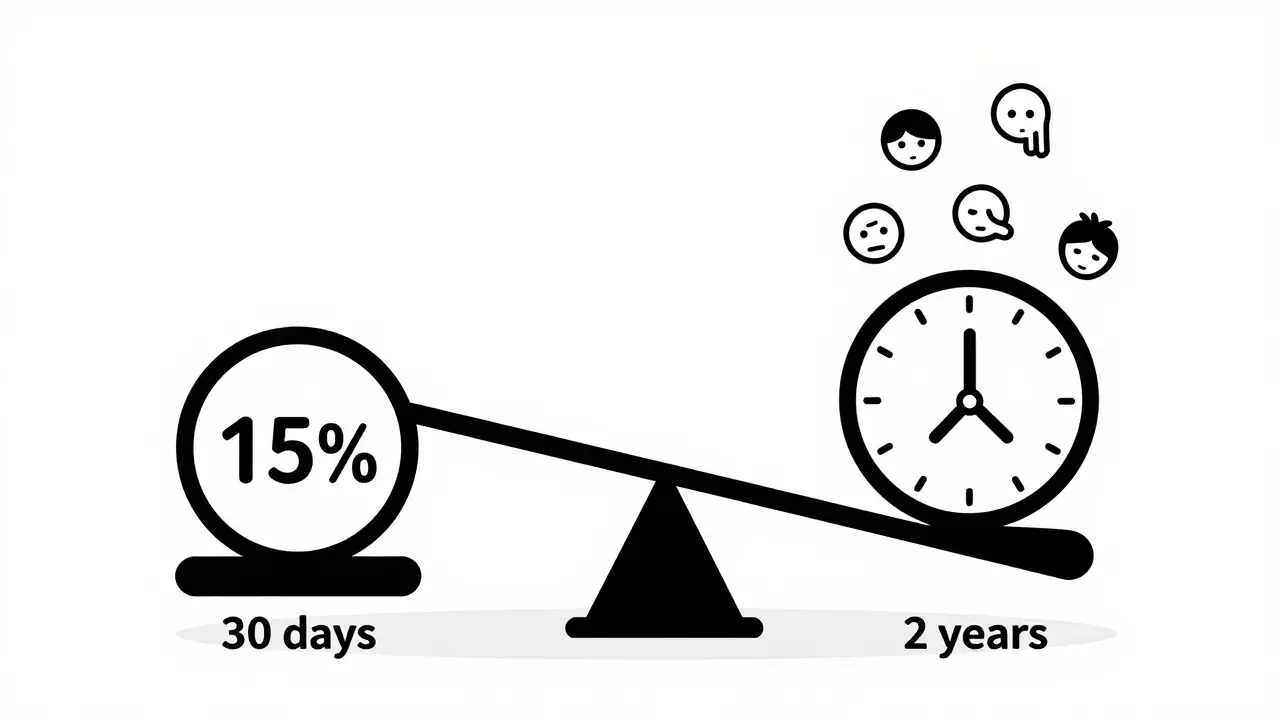
Understanding Adverse Event Rates: Percentages and Relative Risk in Clinical Trials
Archive
Categories

How to Participate in Patient Registries for Drug Safety: A Step-by-Step Guide
Learn how to join patient registries for drug safety. Discover the difference between mandatory and voluntary programs, how your data is protected, and the steps to participate in post-marketing surveillance.
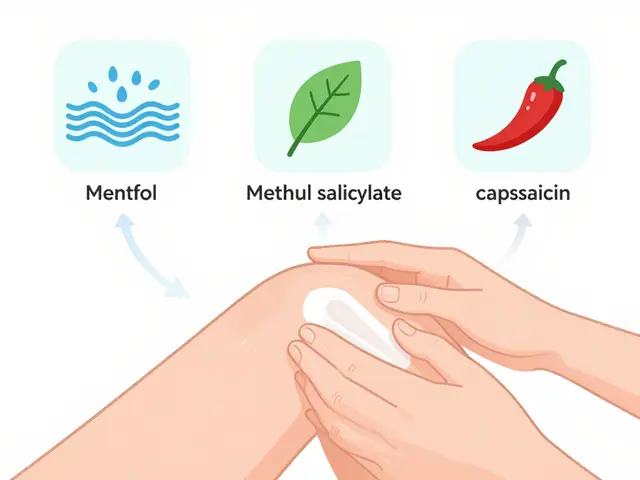
OTC Topical Pain Relievers: Creams, Gels, and Patches Safety Guide
OTC topical pain relievers like creams and patches can ease muscle and joint pain safely - but only if used correctly. Learn the hidden risks of menthol, lidocaine, and capsaicin, and how to avoid serious side effects.
Beta-Lactam Allergies: Penicillin vs Cephalosporin Reactions Explained
Most people labeled penicillin-allergic aren't truly allergic. Learn the real risks of penicillin and cephalosporin reactions, how to tell if your allergy is real, and why mislabeling costs lives and money.
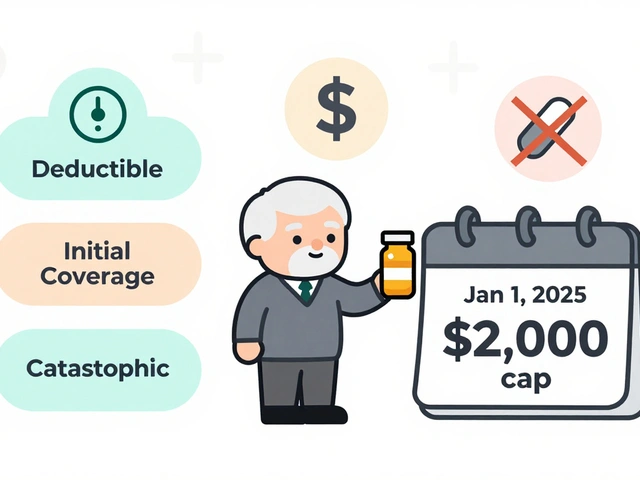
Medicare Part D Drug Coverage Explained for Patients in 2025
Medicare Part D in 2025 caps out-of-pocket drug costs at $2,000 annually, eliminating the donut hole. Learn how the new three-phase system works, how to pick the best plan, and what you still need to pay.
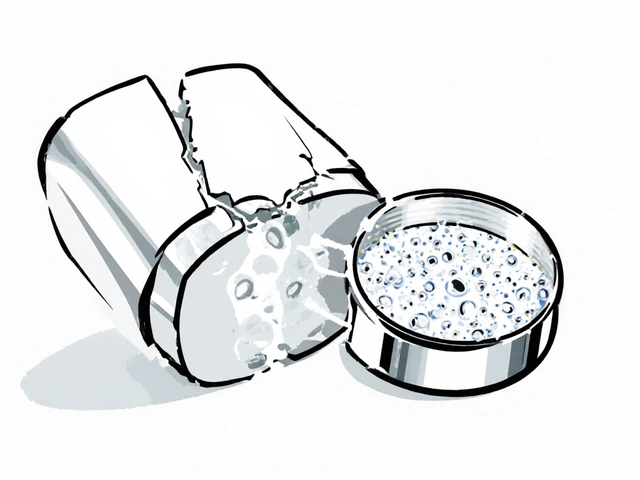
Quality Defects in Generics: Common Manufacturing Issues and Patient Safety Risks
Generic drugs are cheaper but face far more manufacturing defects than brand-name versions. Common issues like capping, contamination, and weight variation can impact safety and effectiveness. Here's what's causing them-and what's being done to fix them.