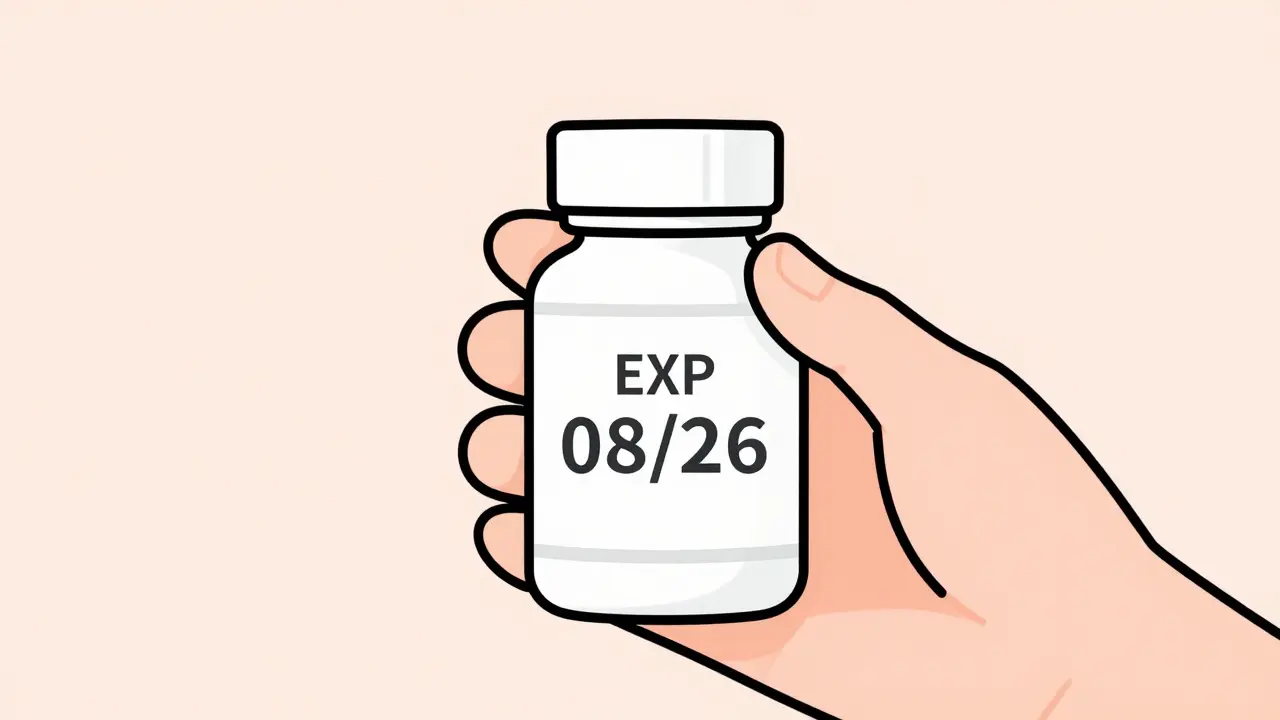
You open your medicine cabinet and realize the bottle of painkillers is a few months past its date. Do you toss it immediately, or is it still safe to take? It’s a common dilemma, and the answer isn't always a simple "yes" or "no." While most people assume a drug turns into poison the moment it hits that date, the reality is usually about expired medications losing their strength rather than becoming toxic. However, for some critical drugs, using them past the deadline can be genuinely dangerous.
Quick Guide to Medication Dates
- Manufacturer Date: The date the company guarantees full potency and safety.
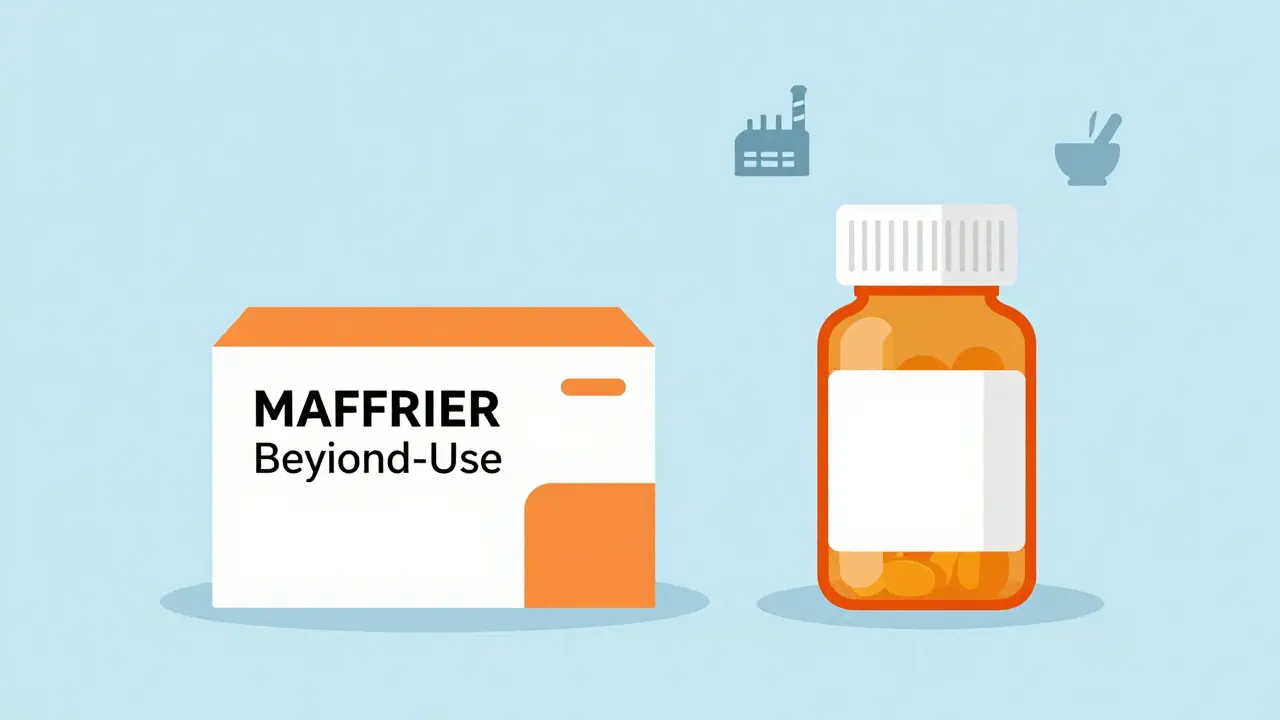
- Pharmacy Beyond-Use Date (BUD): A shorter date set by the pharmacist (often 1 year from dispensing).
- Month/Year Format: If it says 08/26, it expires on the last day of August 2026.
- High-Risk Drugs: Insulin, birth control, and thyroid meds should never be used past the date.
- Red Flags: Change in color, smell, or texture means the drug is gone-regardless of the date.
Understanding the Manufacturer Expiration Date
When you look at a box of tablets, you'll see a date labeled as "Exp," "Use by," or "Expiry." This is the manufacturer's guarantee. Expiration dates are the final day a pharmaceutical company guarantees a product's full potency, safety, and purity when stored correctly.
Companies don't just guess these dates. They run stability tests, keeping the drug in different temperatures and humidity levels to see when the chemical structure starts to break down. For most pills, this window is 1 to 5 years. However, things change based on the form of the medicine. Injections often last longer (2-5 years), while topical creams or patches usually have a shorter shelf life of 1-3 years. Eye drops are the most sensitive, often expiring in as little as 6 months.
Depending on where your medicine was made, the format might change. In the US, it's often MM/YY. In the European Union, you'll typically see Day/Month/Year, while products from China often follow the Year/Month/Day order. If you're confused by the numbers, remember that a month/year format always means the drug is good until the very last day of that specific month.
Pharmacy Labels vs. Manufacturer Dates
This is where most people get tripped up. You might have a manufacturer date that says 2028, but the pharmacy sticker on the bottle says "Discard after 2027." Which one do you follow?
Beyond-use dates (or BUD) are dates assigned by a pharmacist that indicate when a drug should no longer be used after being dispensed or reconstituted.
Pharmacists set these because once a drug is moved from its original sealed blister pack into a plastic pill bottle, it's exposed to more air and moisture. This can speed up degradation. Generally, a pharmacy BUD is one year from the date you picked up the prescription. But for some things, like antibiotic liquid suspensions, the window is tiny-sometimes only 14 days. When in doubt, the shorter date is the safer bet, but you can always ask your pharmacist to write the original manufacturer date on the label to avoid confusion.
The Risks: Potency Loss vs. Toxicity
Does a pill actually become "bad" the day after the expiration date? For about 90% of medications, the answer is no. Most drugs just slowly lose their potency. This means the drug still works, but maybe only at 80% or 90% strength. For a headache powder, that's barely noticeable. For a life-saving heart medication, it's a disaster.
The real danger isn't usually toxicity, but failure. If an antibiotic loses potency, it might not kill all the bacteria in your system, which can actually lead to antibiotic resistance. However, there are a few absolute "no-go" medications. Insulin, a hormone used to control blood sugar in diabetes, must be discarded after the date because it can lose its ability to regulate glucose, leading to hyperglycemic crises.
Similarly, birth control pills, thyroid medications, and anti-platelet drugs (like blood thinners) have very narrow safety windows. If these aren't at 100% strength, the consequences can be life-threatening. While a few months of expired ibuprofen might just leave you with a lingering headache, expired insulin could land you in the ER.
| Medication Form | Average Shelf Life | Risk Level After Expiry | Primary Concern |
|---|---|---|---|
| Injections/Vials | 2-5 Years | High | Sterility & Potency |
| Tablets/Capsules | 1-5 Years | Low to Moderate | Gradual Potency Loss |
| Topicals (Creams) | 1-3 Years | Moderate | Chemical Breakdown |
| Eye Drops | 6 Months - 2 Years | High | Bacterial Growth |
How to Tell if Medicine Has Gone Bad Early
The date on the box assumes you stored the medicine perfectly. If you keep your aspirin in a humid bathroom or your insulin in a hot car, that date becomes meaningless. Heat and moisture are the biggest enemies of pharmaceutical stability.
Before taking any medication-even if it's technically still "in date"-do a quick visual and scent check. Look for these red flags:
- Color Changes: If a white pill has turned yellow or developed spots, toss it.
- Texture: Capsules that have become soft, sticky, or crumbly are degraded.
- Smell: A strong, unusual odor (like vinegar or ammonia) coming from a pill that shouldn't smell is a bad sign.
- Consistency: Liquid medications that have separated or developed crystals or "flakes" should not be used.
If you see these signs, the drug has likely undergone chemical degradation regardless of what the label says. When this happens, the medicine can either be ineffective or, in rare cases, create irritating by-products.
Smart Storage Habits to Extend Potency
You can't change the expiration date, but you can ensure the drug actually lasts until that date. Many people store meds in the "medicine cabinet," which is ironically usually in the bathroom-the worst place possible due to the heat and steam from the shower.
To keep your meds stable, follow these rules of thumb:
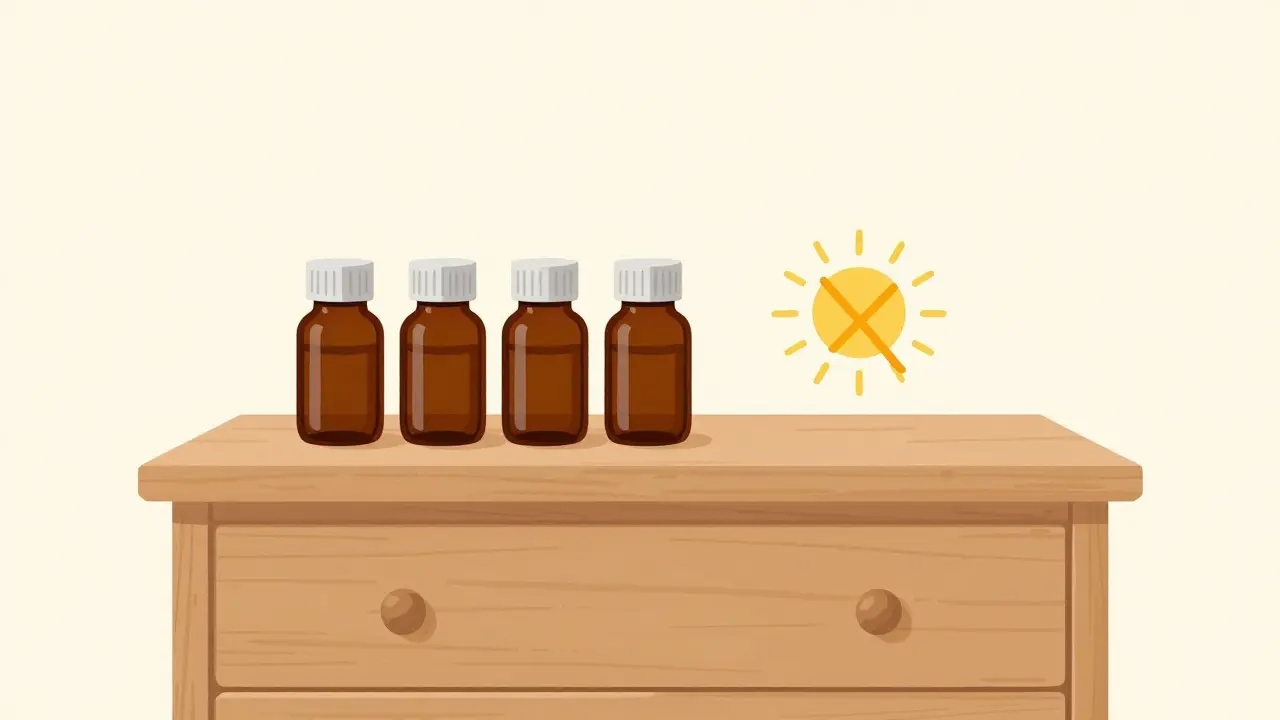
- Keep them cool and dry: A bedroom dresser or a high shelf in a pantry is often better than a bathroom cabinet.
- Avoid light exposure: Keep medications in their original amber-colored bottles. Light can break down the chemical bonds in many drugs, causing them to expire prematurely.
- Don't transfer pills: It's tempting to put everything in one large daily organizer, but this exposes the pills to air and humidity. Keep them in their original blister packs until it's time to take them.
- Check the fridge requirements: Some medications must be refrigerated. If you leave them on the counter for a few days, you might effectively "expire" them instantly.
If you manage a lot of different prescriptions, consider using a tracking app like MedSafe. It's much easier to get a notification on your phone than to manually check twenty different bottles every month.
Is it safe to take a pill a few days past its expiration date?
For most over-the-counter medications like ibuprofen or acetaminophen, a few days (or even a few months) usually won't cause harm; the drug just might be slightly less effective. However, you should never do this with critical medications like insulin, nitroglycerin, or EpiPens, where a slight drop in potency can be life-threatening.
What does "Exp 05/25" actually mean?
This format indicates the month and year of expiration. In this case, the medication is guaranteed by the manufacturer to be safe and potent until the last day of May 2025. After that date, the manufacturer no longer guarantees its full strength.
Can expired medication actually become toxic?
In the vast majority of cases, medications just lose strength. The most famous example of a drug becoming truly harmful was an older version of tetracycline, but modern manufacturing has largely eliminated this risk. The bigger risk is usually bacterial growth in expired liquid drops or the failure of a critical drug to work during an emergency.
Why does the pharmacy date differ from the box date?
The manufacturer's date is based on the drug in its original, airtight packaging. Once a pharmacist moves the pills into a plastic bottle, they are exposed to more oxygen and moisture. The "beyond-use date" (BUD) accounts for this increased exposure to ensure you aren't taking degraded medicine.
How should I dispose of expired medications?
Do not flush medications down the toilet or throw them in the trash where pets or children can find them. The best method is to take them to a pharmacy that offers a "take-back" program or a designated drug disposal kiosk. If you must throw them away, mix the pills with an unappealing substance like coffee grounds or kitty litter in a sealed bag.
Next Steps for Your Medicine Cabinet
If you're staring at a pile of old prescriptions and aren't sure what to do, start by sorting them into two piles: "Critical" and "General." Anything in the critical pile (insulin, heart meds, inhalers) that is past its date should be replaced immediately. For the general pile, check for any changes in color or smell. If you're unsure about a specific drug, the fastest way to get a reliable answer is to take the bottle to your local pharmacist; they can tell you if that specific chemical compound is stable or needs to be tossed.