
The margin between healing and harming can be measured in milligrams. For patients taking Theophylline is a bronchodilator medication used to treat respiratory diseases like asthma and COPD by relaxing the muscles around airways., this margin isn't wide; it's razor-thin. You might wonder why a doctor insists on another blood test when your cough seems manageable. The answer lies in the chemistry of how your body processes this specific drug.
The Dangerous Edge of the Therapeutic Window
When we talk about medication safety, we often hear about the 'therapeutic range.' Think of this as a target zone. For most drugs, if you miss the target slightly, you might get fewer side effects or reduced benefit, but nothing catastrophic happens. Narrow Therapeutic Index (NTI) is a measure of the difference between the minimum dose required for efficacy and the maximum tolerated dose before toxicity occurs. For Theophylline, this gap is exceptionally small.
Clinicians define the safe zone specifically between 10 and 20 mg/L in the blood. Below 10 mg/L, the medicine barely works; your airways remain tight, and breathing stays difficult. Push the concentration above 20 mg/L, and the drug turns toxic. You might start feeling nauseous, your heart could race uncontrollably, or you could experience dangerous shaking fits. In severe cases where levels climb past 25 mg/L, the risk of life-threatening cardiac arrhythmias and seizures spikes dramatically. Because the line between a helpful dose and a harmful one is so thin, relying on guesswork is impossible.
Why Your Body Reacts Differently
You might ask yourself why a standard pill size isn't enough for everyone. The issue isn't the tablet; it's your biology. The body eliminates Theophylline primarily in the liver using enzymes called Cytochrome P450. Here is where things get complicated for patients.
The metabolism of this drug is non-linear. Imagine pouring water into a sponge. At first, the sponge soaks it up quickly. But once the sponge is saturated, any extra water just runs off. Similarly, at higher doses, the liver's enzymes get saturated. A tiny increase in dose can cause a massive jump in blood concentration because the liver can't clear the drug fast enough anymore. This phenomenon means two people taking the exact same amount of medication could end up with vastly different levels in their blood-one might be well below the effective range, while the other is teetering on the edge of poisoning.
| Factor | Effect on Levels | Clinical Impact |
|---|---|---|
| Steroidal Smoking | Increases clearance by 50-70% | Risk of sub-therapeutic levels |
| Heart Failure | Decreases clearance significantly | Risk of toxicity accumulation |
| Pregnancy (3rd Trimester) | Clearance drops by 30-50% | Requires dose reduction |
| Viral Infections | Sudden drop in metabolism | Rapid rise to toxic levels |
| Liver Disease | Impairs elimination capacity | Dangerously prolonged half-life |
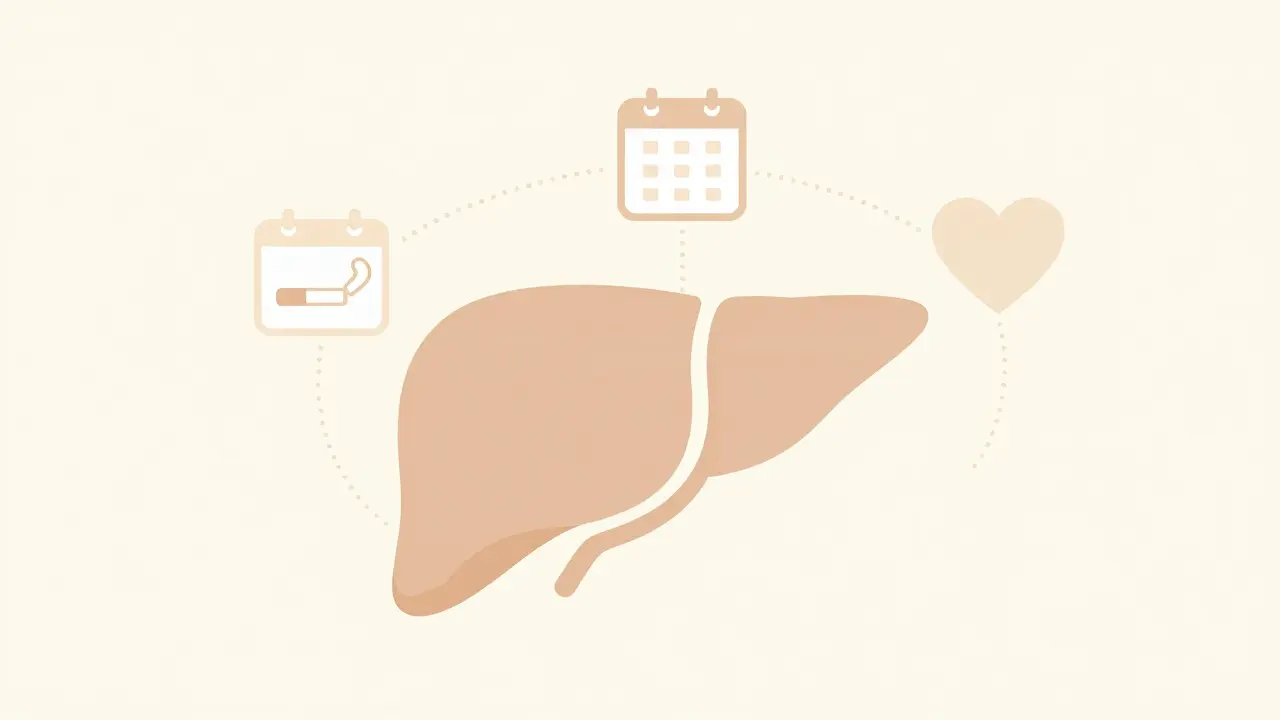
Beyond your genetics, your lifestyle changes affect the numbers too. Cigarette smoke contains chemicals that speed up liver enzymes, burning through the drug faster. Quitting smoking suddenly can cause the medication to build up in your system within days if the dose isn't adjusted immediately. Age plays a role as well; older adults often metabolize drugs more slowly simply due to natural declines in liver function.
The Hidden Dangers of Drug Interactions
A common scenario involves a patient starting a treatment for a chest infection while already on maintenance therapy for chronic lung issues. Common antibiotics like erythromycin, clarithromycin, and ciprofloxacin interfere with the liver enzymes processing Theophylline. These inhibitors can block the breakdown of the bronchodilator, causing serum levels to spike by up to 100% within a few days.
I've seen cases where a routine course of antibiotics sent a stable patient straight to the emergency department with palpitations and confusion. Conversely, medications like carbamazepine or even herbal supplements like St. John's Wort do the opposite-they stimulate the liver to work harder, flushing the Theophylline out too quickly. This leaves the patient unprotected against asthma attacks. Without checking blood levels, a clinician cannot know if your dose is actually doing the work it promises.
Mastering the Monitoring Schedule
To manage these risks, we use Therapeutic Drug Monitoring (TDM) is a clinical practice involving the measurement of drug concentrations in biological fluids to optimize dosage regimens for individual patients.. The timing of the blood draw is everything. If you take your pill at 8:00 AM and 8:00 PM, the nurse shouldn't take blood right after you swallow it. That measures peak absorption, not the lowest point. We need to know the trough-the lowest concentration in your system-usually taken just before your next scheduled dose.
For immediate-release tablets, this is straightforward. Blood is drawn right before the morning dose. However, slow-release (modified-release) formulations change the game. They release medicine over a longer period, meaning the trough is measured differently, often 4 to 6 hours after dosing depending on the specific formulation type.
Frequency matters too. When you first start the medication, we check your levels about five days later to see how your body adapts. If you have stable results, we might only need to check twice a year. But if you have heart failure, liver disease, or are elderly, we monitor every three months. If you get sick with flu or pneumonia, you get a one-off check, as your metabolism likely shifted during the illness.

Recognizing Toxicity Before It Strikes
Numbers on a lab report tell us one thing, but your body tells us another. While blood tests confirm the chemical reality, symptoms act as early warning signals. Early signs of toxicity are often vague. You might feel jittery, lose your appetite, or wake up unable to sleep. Nausea is a classic red flag. As levels worsen, the central nervous system gets affected. You may notice hand tremors that won't go away or persistent headaches.
The transition to severe toxicity is rapid. Patients often report their heart beating so fast they feel faint (tachycardia) or irregular heartbeats (arrhythmias). Potassium levels in the blood can also drop dangerously low when Theophylline enters the toxicity zone, further straining the heart muscle. Because seizures can occur without prior nausea, waiting until you "feel sick" to visit a doctor is often too late. Regular monitoring catches these trends before the symptoms become life-threatening.
What Is Coming Next for Patient Safety?
We are standing on the brink of a change in how we handle these tests. Currently, you need a clinic visit, a needle stick, and a wait for results. Researchers are developing handheld devices capable of measuring levels instantly, similar to glucose meters for diabetics. Trials are underway for monitors that could give results in under five minutes at home.
However, until these technologies are widely validated and available, the traditional blood sample remains the gold standard. Recent data shows a worrying trend: despite better education, reports of toxicity are creeping up among elderly populations, particularly those with undiagnosed kidney or liver issues. This reinforces that old-school vigilance still beats cutting corners.
The goal of monitoring isn't to restrict your freedom, but to preserve your health. A controlled level keeps your airways open, allowing you to sleep, breathe, and move comfortably. It prevents the chaos of hospital admissions for overdose. Understanding the 'why' behind the blood draw helps you take ownership of your treatment plan. You know now that the test isn't just bureaucracy; it is the safety rail keeping your therapy within the golden zone.
How often should I check my Theophylline levels?
Initially, tests happen five days after starting. Once stable, healthy adults check every 6 to 12 months. Elderly patients or those with heart/liver conditions usually need checks every 3 months. Always test again after changing other medications or stopping smoking.
Can I stop taking the test if I feel fine?
No. Toxicity can develop silently. Even if you feel okay, liver function can change due to infections or aging, causing levels to spike dangerously without immediate physical symptoms.
Which foods affect my Theophylline levels?
High-alcohol intake can reduce plasma concentrations. Caffeine consumption can theoretically increase levels since caffeine is chemically related, though food sources usually have less impact than medication interactions.
What if my level is slightly outside the target range?
If you are asymptomatic, doctors may allow levels up to 20-25 mg/L occasionally. However, consistent readings above 20 mg/L require dose reduction to prevent future risks of arrhythmia or seizures.
Does pregnancy require different monitoring?
Yes. Clearance drops significantly in the third trimester. Pregnant patients generally need monthly monitoring during the second and third trimesters to adjust doses for the baby's safety and the mother's health.




8 Comments
The negligence observed in modern adherence to therapeutic protocols is alarming. It is imperative that patients understand their obligation to the medical establishment. We cannot afford lax attitudes regarding drug concentrations. The data presented here illustrates a grave responsibility. Every single patient must respect the narrow window of safety. Ignorance is not an acceptable defense when lives are at stake. The liver enzymes function precisely, yet we treat dosage with casual indifference. This approach is fundamentally flawed and dangerous. Society demands better accountability from those ingesting powerful pharmacological agents. We must enforce stricter monitoring regimes without hesitation. Personal convenience should never supersede clinical requirements. The statistics do not lie about the risks involved here. Arrhythmias result directly from poor management of levels. Seizures happen when patience wanes and testing stops. It is a moral failing to skip blood work entirely. Doctors require your cooperation to maintain health standards.
You are making way too much noise about patient responsibility without considering systemic flaws. The doctor holds the power in these consultations often enough already. Blaming the individual ignores the complexity of metabolism variables entirely. Your high ground does nothing to help someone struggling with nausea. People are already terrified enough about their heart rates beating wrong. It feels intrusive to lecture on ethics when survival is on the line. You assume everyone has access to these frequent blood draws easily. Many simply cannot afford the clinic visits required constantly. Shifting the burden to them is unfair and unhelpful in practice. Medical systems fail more often than individual patients try. Stop pretending you know every struggle a patient faces daily. Real world logistics trump your idealistic moral framework completely.
This breakdown helps clarify why standard dosing fails for so many people. Enzymes change faster than anyone expects during an infection. Smoking habits impact how quickly the body clears the substance entirely. Quitting suddenly creates a spike in toxicity risk immediately. Heart failure also slows down the clearing process significantly. Knowing these factors allows for better adjustments before trouble starts. Blood tests confirm what symptoms sometimes hide effectively. Regular checks prevent emergencies from happening unexpectedly later. Patients need to share their full medication list honestly. Herbs can interfere just as badly as prescription drugs sometimes. Slow release forms need different timing for the draw always. Understanding the trough gives doctors accurate data to work with. Home monitoring might come soon but labs are current standard now. Keeping levels stable keeps airways open comfortably. It is good to see awareness spreading about these risks.
While the basics are correct the nuance here is often ignored by practitioners. Doctors frequently miss the interaction markers in patient history sheets. You need to demand that they review your antibiotics list carefully. Do not wait until you feel dizzy to call the specialist. Nausea is a late sign that toxicity has already begun. Severe arrhythmias can occur silently before shaking starts appearing. Potassium levels drop dangerously low without obvious early warning signs. Older adults metabolize slower due to natural organ decline over decades. Pregnancy changes clearance rates drastically in the final months alone. St John's Wort flushes the drug out leaving protection gaps. Erythromycin blocks breakdown pathways causing rapid accumulation spikes. You must track these changes yourself because providers get busy. Ignoring the timeline for the blood draw ruins the entire test. Peak measurements do not tell the story of the trough accurately. Timing matters more than the pill size most of the time. Stability is rare without consistent surveillance measures in place.
i hear you loud and clear about taking charge of your own health records. stress really gets worse when dealing with toxic side effects. it helps to read stuff like this for clarity. everyone wants to breathe easy without hospital trips. let us support each other through the testing schedules
The table lists heart failure as a risk factor which is obvious. Viral infections dropping metabolism is well documented. Why mention steroids smoking as a header error. That seems like a typo in the source material. Clearance drops in pregnancy but dose reduction needs precision. Most clinicians forget the saturation point of liver enzymes. Non-linear kinetics make guessing impossible for laypeople. Handheld monitors are likely decades away from accuracy standards. Current gold standard remains serum concentration analysis. Toxicity reports rising in elderly populations is concerning news. Education efforts clearly need more funding overall. Monitoring frequency depends heavily on comorbidities present.
Hope springs eternal even when facing such rigid chemical limitations. Life continues despite the razor thin margins defined by science. We conquer health challenges through vigilance and knowledge acquisition. Technology will eventually bridge the gap between clinic and home. Freedom comes from understanding our own biological machinery deeply. Do not fear the needle but embrace the data it provides. Health preservation is the ultimate act of self love in truth. Move forward with confidence in your ability to manage this. The golden zone awaits those who seek it relentlessly.
Future handheld devices must undergo rigorous validation before clinical adoption is permitted.