Ondansetron can cause dangerous QT prolongation, especially with IV use. Learn which patients are at risk, how to use it safely, and safer alternatives like palonosetron and dexamethasone.
Read MoreQTc Interval: What It Means, Why It Matters, and How Medications Affect It
When your heart beats, it goes through a cycle of electrical activity—and the QTc interval, a corrected measurement of the time it takes for the heart’s ventricles to electrically reset after each beat. Also known as corrected QT interval, it’s a key indicator of heart rhythm safety. A normal QTc is under 450 milliseconds for men and under 460 for women. Go beyond that, and you risk a life-threatening rhythm called torsades de pointes. This isn’t theoretical—hundreds of common medications, from antibiotics to antidepressants, can stretch this interval without you even knowing it.
The QTc prolongation, a condition where the heart takes too long to recharge between beats doesn’t always cause symptoms. But when it does, you might feel dizzy, faint, or notice your heart skipping or pounding. It’s often found accidentally during an ECG, especially in people taking multiple drugs. That’s why medication safety, the practice of avoiding harmful drug interactions that affect heart rhythm matters so much. Some drugs alone are fine. But mix them—say, an antibiotic with an antipsychotic—and the risk spikes. Even over-the-counter cough syrups or antihistamines can push a borderline QTc into danger zone. Pharmacists and doctors check for this when reviewing your full list of meds, including supplements.
It’s not just about single drugs. People with existing heart conditions, low potassium, or genetic risks like long QT syndrome are more vulnerable. That’s why cardiac arrhythmia, an irregular heartbeat caused by disrupted electrical signals in the heart isn’t just a buzzword—it’s a silent threat tied directly to how you take your pills. The good news? Most cases are preventable. If you’re on any medication for mental health, infection, or heart issues, ask if it affects your QTc. Get a simple ECG if you’re on multiple drugs or have unexplained dizziness. You don’t need to panic, but you do need to be aware.
The posts below dive into exactly this: how common drugs like ziprasidone, verapamil, and even ADHD stimulants can alter heart rhythms. You’ll find real-world examples of what happens when meds interact, how to spot the warning signs, and what steps to take before it’s too late. No fluff. Just what you need to protect your heart while managing your health.
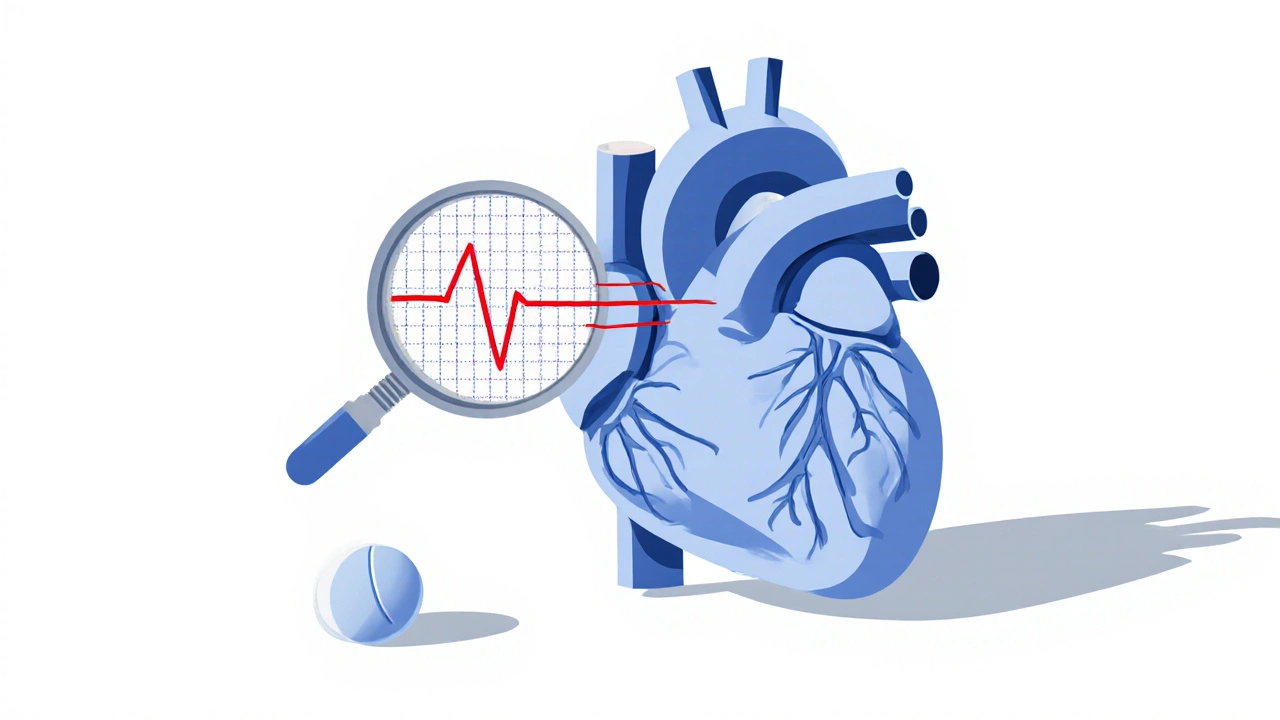
Antiemetics and QT Prolongation: Ondansetron Risks and Safe Use
Archive
Categories

Managing Healthcare Resources During Novel Influenza Outbreaks
Learn how novel influenza strains strain hospitals and discover practical steps to manage beds, staff, PPE, and vaccines during outbreaks.
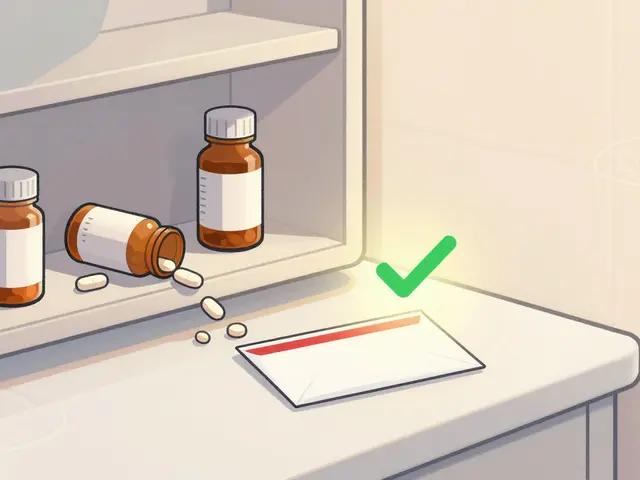
Prepaid Drug Mail-Back Envelopes for Medication Disposal: A Simple, Safe Way to Get Rid of Unused Pills
Prepaid drug mail-back envelopes let you safely dispose of expired or unused medications by mailing them back for secure destruction. No trips needed. No environmental harm. Just seal, mail, and forget.
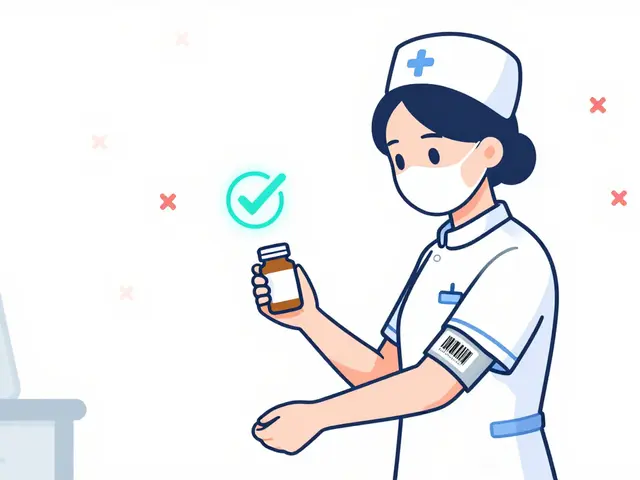
Medication Errors in Hospitals vs. Retail Pharmacies: What Really Happens Behind the Counter and at the Bedside
Medication errors happen in both hospitals and retail pharmacies, but they differ in frequency, type, and impact. Hospitals have more errors but better safety nets; pharmacies have fewer errors-but they often go unnoticed until it's too late.
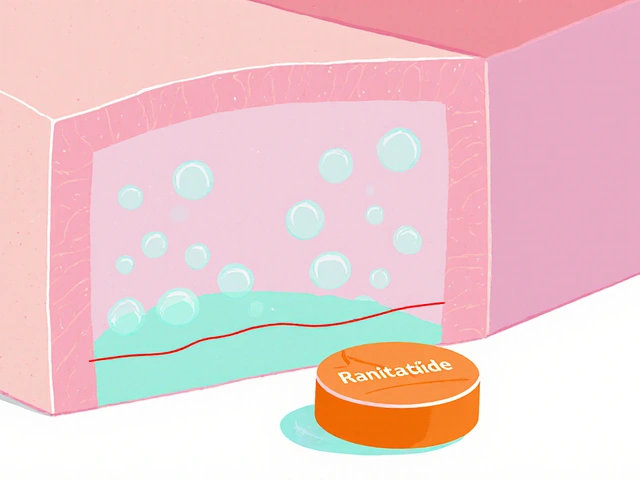
Ranitidine Explained: Uses, Risks, and Alternatives
A clear guide to ranitidine: what it does, why it was recalled, dosing basics, safety concerns, and safe alternatives for acid‑related conditions.

Buy Cheap Generic Lipitor Online - Safe & Affordable Options
Learn how to purchase cheap generic Lipitor online safely, spot legit pharmacies, compare prices, and avoid counterfeit risks while managing cholesterol effectively.