Kids with juvenile arthritis face more than joint pain-anxiety, low mood, sleep issues, and school stress are common. Spot the signs, act early, and use proven supports.
Read MoreJuvenile Idiopathic Arthritis – What You Need to Know
If your child has joint pain that won’t quit, you’ve probably heard the term juvenile idiopathic arthritis, or JIA. It’s the most common form of arthritis in kids, but many parents still feel confused about what it means. The good news is that with early detection and the right plan, most kids can stay active and enjoy daily life.
Common Signs and Symptoms
JIA shows up in different ways, but there are a few red flags to watch for. Swollen or warm joints, especially in the knees, wrists, or ankles, are a big clue. Stiffness that’s worse in the morning or after sitting still for a while often points to arthritis. Kids might also seem unusually tired, have a low-grade fever, or complain of general aches.
Because the symptoms can be mild at first, it’s easy to chalk them up to a growth spurt or a sports injury. If you notice any of these signs lasting more than a week, give your pediatrician a call. Early tests, like blood work or an X‑ray, can help rule out other issues and confirm JIA.
Treatment and Everyday Management
The goal of treatment is simple: reduce inflammation, keep joints moving, and prevent damage. Doctors usually start with non‑steroidal anti‑inflammatory drugs (NSAIDs) to bring down pain. If those aren’t enough, disease‑modifying drugs such as methotrexate may be added. Biologic therapies are an option for kids who need stronger control.
Medication is only part of the picture. Physical therapy helps maintain range of motion and strength. A therapist will show you gentle exercises you can do at home – think stretching, low‑impact cardio, and light resistance work. Consistency beats intensity, so aim for a short routine most days rather than a long session once a week.
Don’t forget the everyday tweaks that make life easier. Warm showers or heating packs can ease morning stiffness. Encourage your child to stay active with activities that don’t stress the joints, like swimming, cycling, or yoga. Balanced meals rich in omega‑3 fatty acids, calcium, and vitamin D also support joint health.
Support matters, too. Connect with other families dealing with JIA through online groups or local meet‑ups. Sharing experiences can give you new ideas for coping and help your child feel less alone.
Remember, JIA is a chronic condition, but it doesn’t have to define your child’s future. With a clear plan, regular check‑ups, and a focus on staying active, many kids grow up leading full, active lives. Keep an eye on symptoms, talk openly with your doctor, and make the small daily choices that add up to big improvements over time.

Juvenile Arthritis and Mental Health: Signs, Risks, and Support for Kids and Teens
Archive
Categories
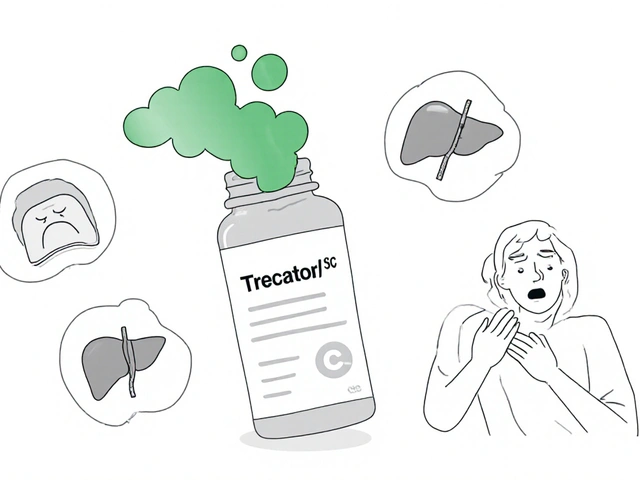
Compare Trecator SC (Ethionamide) with Alternatives for Tuberculosis Treatment
Trecator SC (ethionamide) is a second-line TB drug with tough side effects. Newer alternatives like bedaquiline, pretomanid, and linezolid offer higher cure rates and fewer side effects. Find out which options are now available in the UK.
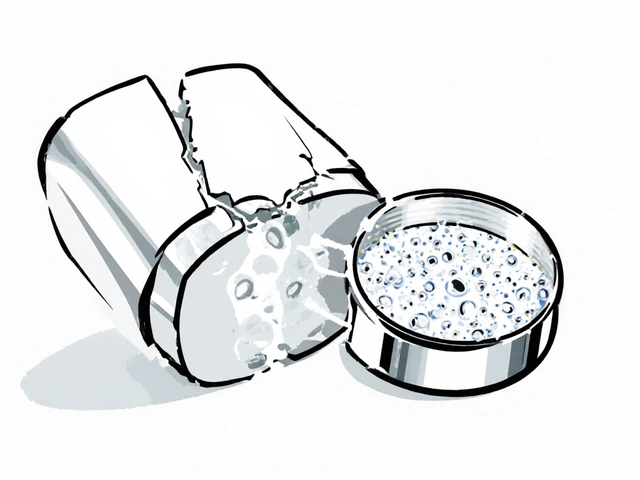
Quality Defects in Generics: Common Manufacturing Issues and Patient Safety Risks
Generic drugs are cheaper but face far more manufacturing defects than brand-name versions. Common issues like capping, contamination, and weight variation can impact safety and effectiveness. Here's what's causing them-and what's being done to fix them.

Kaposi Sarcoma Prevention: Practical Tips for Reducing Your Risk
Worried about Kaposi sarcoma? This guide breaks down the main ways to lower your risk, with easy-to-follow tips on immune health and lifestyle choices. Learn why certain people are more at risk and what daily habits can make a real difference. Get real-world advice, not medical jargon, to keep you and your loved ones safer. If you or someone you know is worried about this cancer, the info here will actually help.
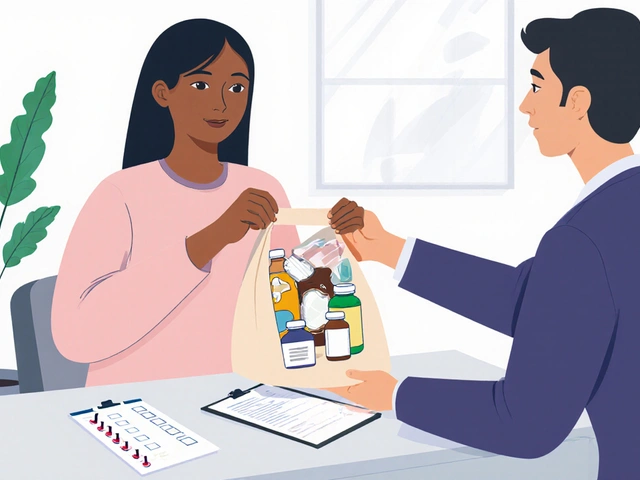
How to Use Your Pharmacy’s Consultation Service for Medication Safety
Learn how to use your pharmacy's consultation service to catch dangerous drug interactions, save money, and prevent medication errors. Pharmacists can review all your meds - even supplements - and stop problems before they happen.
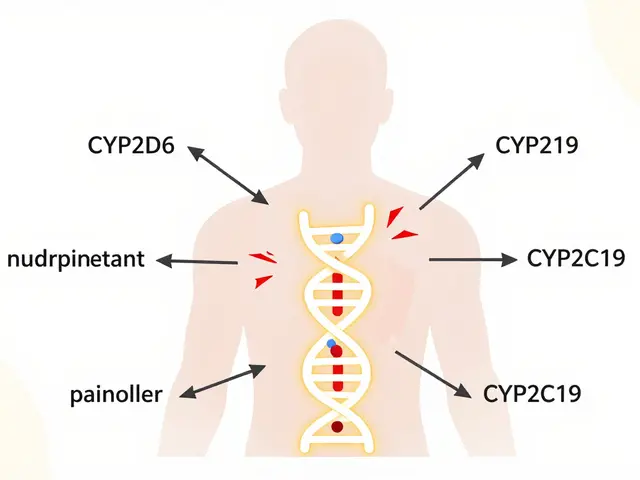
How Pharmacogenomics Reduces Drug Interaction Risk
Pharmacogenomics uses your genes to predict how you'll react to medications, cutting drug interaction risks by up to 30%. It's not theoretical-hospitals are already using it to prevent deadly side effects.