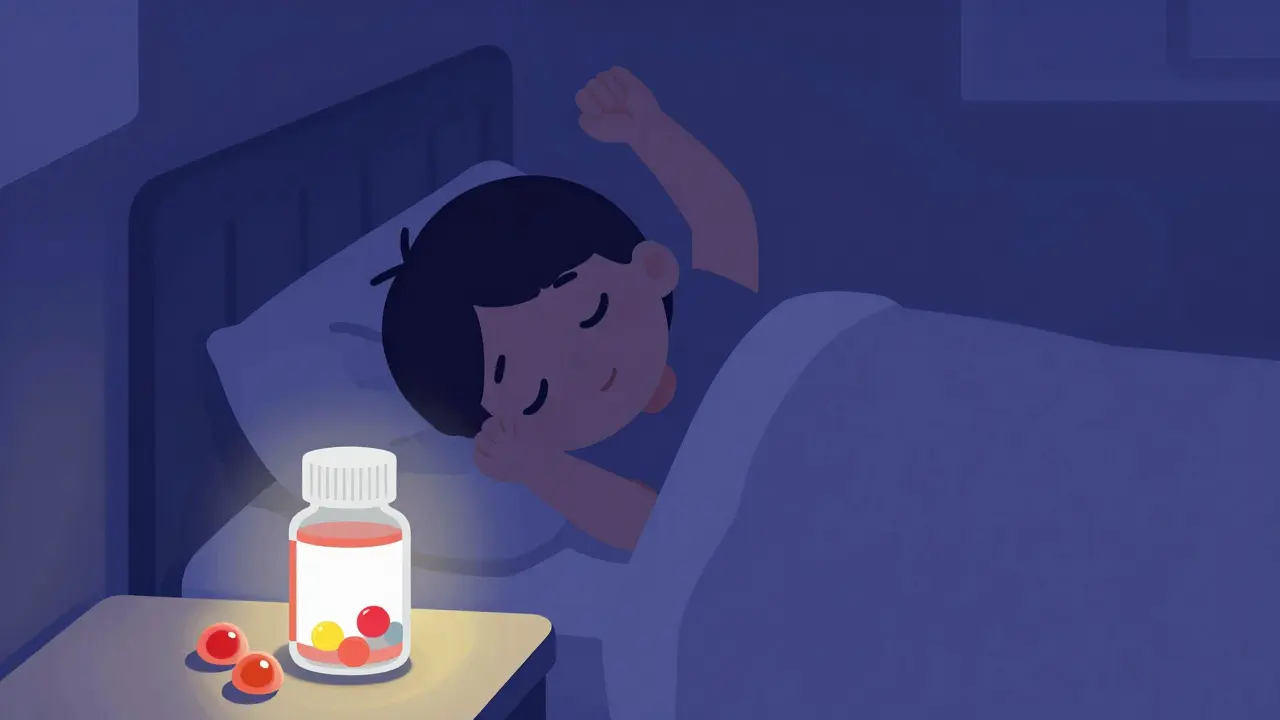
If your child is tossing and turning every night, you've probably looked at the supplement aisle and seen those colorful melatonin gummies. It seems like a quick fix, and since it's a "natural" hormone, many parents assume it's completely harmless. But here is the reality: giving a child a sleep aid isn't as simple as giving them a vitamin. While Melatonin is a naturally occurring hormone produced by the pineal gland that regulates the sleep-wake cycle , adding extra versions of it into a developing body requires a bit of caution. You aren't just helping them drift off; you're interacting with their biological clock.
The Big Question: Is it Actually Safe?
The short answer is that most experts agree it's relatively safe for short-term use, but the long-term picture is still blurry. The American Academy of Pediatrics (AAP) has pointed out that we simply don't have enough research on what happens when children use these supplements over months or years. It's important to remember that in the US, these are sold as dietary supplements, meaning they aren't held to the same strict testing standards as prescription drugs. In the UK, however, it's treated much more seriously as a prescription medication.
One of the biggest risks isn't the hormone itself, but the product you buy. A 2022 study in JAMA Network Open found that the amount of melatonin actually inside a bottle often doesn't match what's written on the label. You might think you're giving your child 1mg, but they could be getting significantly more or less. This is why looking for a "USP Verified Mark" is a smart move-it tells you the product has been independently tested for accuracy.
Understanding Dosage: Why the Confusion?
If you look at different medical sites, you'll notice that dosage recommendations are all over the place. This is because there isn't one "universal" dose for kids. Your child's age, weight, and why they can't sleep all play a role. Most specialists suggest starting with the lowest possible dose and increasing it slowly only if necessary.
| Age Group | Suggested Dose Range | Typical Timing |
|---|---|---|
| Preschoolers (3-5 years) | 1 - 3 mg | 30-60 mins before bed |
| School-Age (6-12 years) | 1 - 5 mg | 30-60 mins before bed |
| Adolescents (13-18 years) | 3 - 10 mg | 30-60 mins before bed |
A critical point to keep in mind: a 2024 review published in PubMed Central noted that doses above 1mg are already higher than the body's natural physiological levels. When you push doses toward 10mg, the hormone can stay in the system for over 24 hours, which can lead to morning grogginess or "sleep hangovers."
When Melatonin is Most Effective
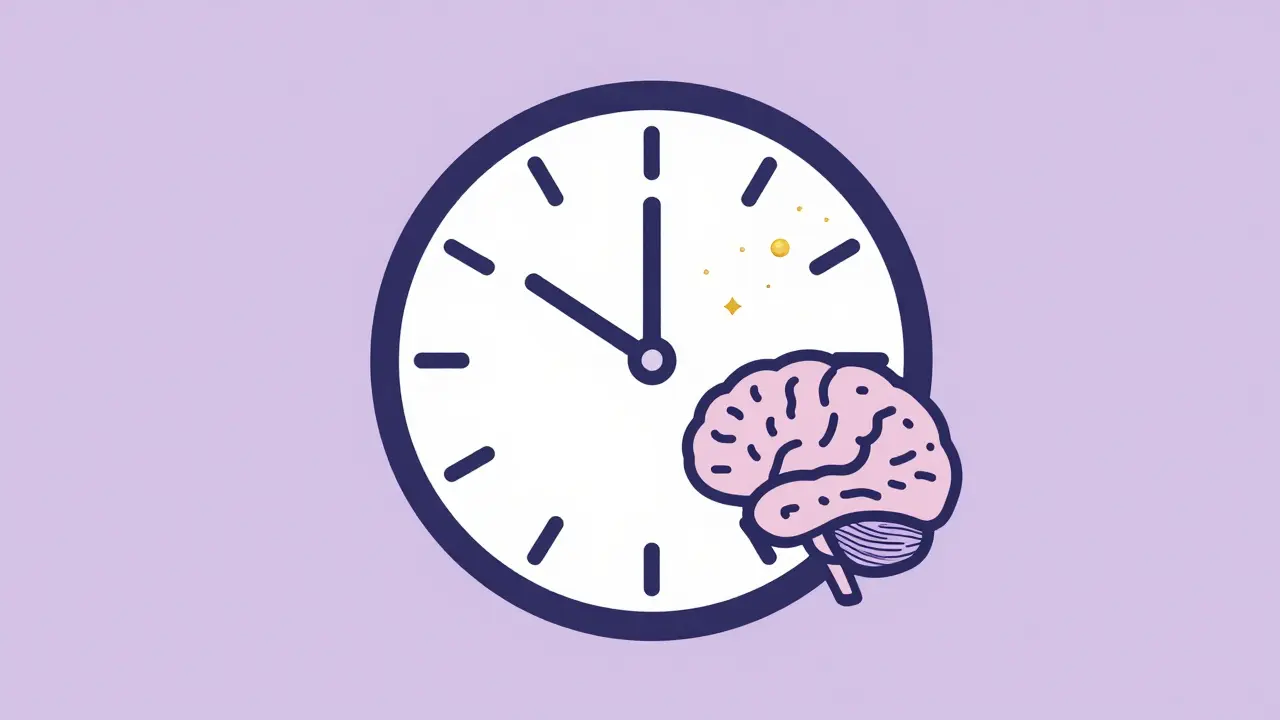
Melatonin isn't a sedative; it doesn't "knock out" a child. Instead, it's a signal to the brain that it's time to wind down. Because of this, it works best for specific situations rather than general restlessness. For example, it's incredibly helpful for jet lag or for children who have a delayed sleep phase (where their internal clock is shifted late).
There is also a significant benefit for children with neurodevelopmental disorders. For kids with Autism Spectrum Disorder (ASD) or Attention-Deficit/Hyperactivity Disorder (ADHD), sleep issues are often more ingrained. In these cases, doctors often find that the benefit of a good night's sleep far outweighs the theoretical risks of long-term use. While a healthy child might only use melatonin for two weeks to reset their clock, a child with ASD might use it more consistently under medical supervision.
The "Sleep Hygiene" First Rule
Before you reach for the bottle, ask yourself: have we tried everything else? Most sleep problems in children are behavioral, not chemical. If you use melatonin for children as a shortcut to avoid a bedtime battle, you're missing the chance to build a sustainable habit. Medical professionals call this "sleep hygiene," and it should always be the first line of defense.
- Consistent Timing: Wake up and go to bed at the same time every day, even on weekends.
- The Digital Sunset: Turn off tablets, phones, and gaming consoles at least one hour before bed. The blue light from these screens suppresses the body's own natural melatonin production.
- Environment Check: Keep the room cool, dark, and quiet. Use blackout curtains if the sun is still up during winter bedtimes.
- Winding Down: Replace screens with a book, a warm bath, or a calm conversation about the day.
If these steps aren't working, that's when a visit to the pediatrician becomes necessary. They can help determine if the sleep issue is caused by something else, like sleep apnea, restless leg syndrome, or anxiety.

Red Flags and Safety Warnings
You should be very cautious if your child is under 3 years old. Most health organizations, including Children's Health, strongly advise against melatonin for toddlers. At that age, sleep struggles are often developmental and usually resolve on their own with consistent routines.
You also need to know the signs of an overdose. Because gummy vitamins look like candy, accidental ingestion is a real risk. Watch for these symptoms if your child has taken too much:
- Sudden vomiting
- Rapid or irregular heart rhythm
- Unusually low blood pressure
- Extreme lethargy the next day
Can melatonin be habit-forming for children?
While melatonin is not addictive in the way that prescription sedatives are, children can develop a psychological dependence on it to fall asleep. If they forget their dose, they may feel they "can't" sleep, which increases anxiety and makes it harder to drift off. This is why doctors recommend using it for short bursts rather than as a permanent solution.
What is the best time to give melatonin?
The general consensus among the NHS and the Sleep Foundation is to administer melatonin 30 to 60 minutes before the desired bedtime. This allows the hormone to enter the bloodstream and signal the brain to begin the sleep process naturally.
Should I choose gummies, liquids, or tablets?
The delivery method matters less than the accuracy of the dose. However, gummies are often the most inconsistent in terms of actual melatonin content. Liquids allow for more precise dosing for younger children, while slow-release tablets (often prescribed in the UK) are better for children who have trouble staying asleep throughout the night rather than just falling asleep.
Does melatonin interfere with other medications?
Yes, it can. Melatonin may interact with blood thinners, diabetes medications, and some antidepressants. This is exactly why you must consult a pediatrician before starting any supplement, even one that is available over-the-counter.
Is there a maximum dose a child should ever take?
While it varies by child, experts like Dr. Sarah Malik from Children's Healthcare of Atlanta suggest that the absolute highest dose a child should typically take is 12 mg, and this should only be under strict medical supervision. Most children respond effectively to much lower doses, often between 1 and 5 mg.
Next Steps for Parents
If you're undecided about whether to use a sleep aid, start with a "sleep diary" for one week. Track when your child goes to bed, when they actually fall asleep, and any disruptions during the night. Note what they did in the two hours before bed (e.g., "played iPad," "had a snack").
Take this diary to your pediatrician. Instead of asking "Can I give my child melatonin?", ask "Based on these patterns, do you think a supplement is appropriate, or should we adjust our routine?" This approach ensures you're treating the cause of the sleep issue, not just masking the symptom. If you do proceed with melatonin, remember to start with the lowest dose possible and keep a close eye on their morning alertness and mood.