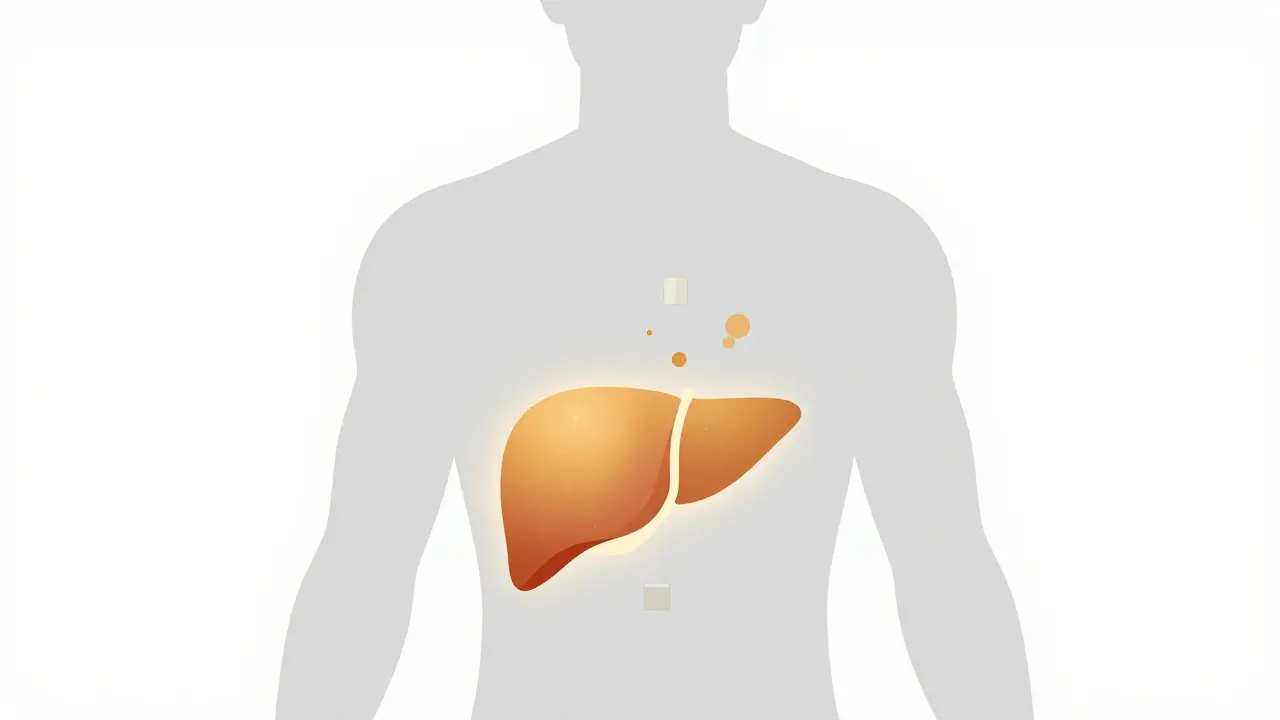
Your liver works hard every day to filter toxins, process nutrients, and keep your body running smoothly. But for millions of people, this vital organ is under siege from a silent enemy: fat. We used to call it Nonalcoholic Fatty Liver Disease (NAFLD), but in June 2023, the medical community reclassified it as Metabolic Dysfunction-Associated Steatotic Liver Disease (MASLD). The name change matters because it shifts the focus away from what you *don't* drink (alcohol) and toward what drives the disease: metabolic dysfunction.
This condition isn't just a minor health hiccup. It’s the most common chronic liver problem worldwide, affecting roughly 25% of the global population. In the United States alone, an estimated 100 million people are living with it. What makes MASLD so dangerous is that it often shows no symptoms until significant damage has already occurred. By the time you feel fatigue or notice pain in your upper right abdomen, the disease may have progressed from simple fat accumulation to inflammation, scarring (fibrosis), and potentially cirrhosis or liver cancer.
Understanding the New Name: Why MASLD Matters
You might still hear doctors use the term NAFLD, but the shift to MASLD reflects a deeper understanding of how the disease works. The old name implied that if you didn’t drink alcohol, you were safe. That’s misleading. The new terminology highlights that the root cause is metabolic dysfunction-specifically, issues like insulin resistance, obesity, and high blood sugar.
Metabolic Syndrome is a cluster of conditions including increased blood pressure, high blood sugar, excess body fat around the waist, and abnormal cholesterol levels. When these factors combine, they create a perfect storm for liver damage. According to Dr. Naim Alkhouri, President of the American Association for the Study of Liver Diseases (AASLD), MASLD is not merely a fatty liver issue; it is a multisystem disorder requiring integrated metabolic management. This means treating your liver isn't just about diet-it's about addressing your entire metabolic health.
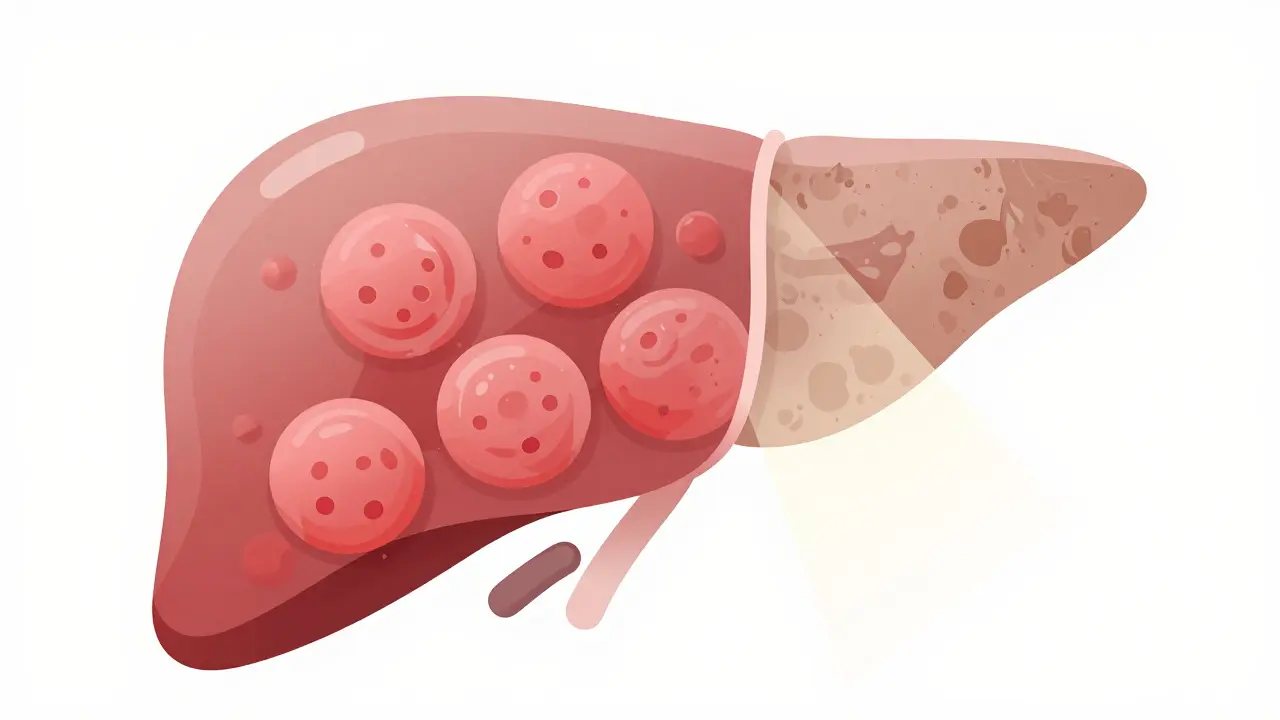
The spectrum of the disease ranges from simple steatosis (fat buildup without inflammation) to Metabolic Dysfunction-Associated Steatohepatitis (MASH), formerly known as NASH. MASH involves inflammation and liver cell damage. If left unchecked, MASH can lead to fibrosis (scarring), which stiffens the liver and impairs its function. In severe cases, this progresses to cirrhosis, where healthy liver tissue is replaced by scar tissue, leading to liver failure.
Who Is at Risk? Identifying the Warning Signs
MASLD doesn't discriminate, but some groups are at significantly higher risk. You don't need to be overweight to develop it, though obesity is the biggest driver. Here are the key risk factors you should watch for:
- Central Obesity: Carrying extra weight around your waist is particularly dangerous. Men with a waist circumference over 40 inches and women over 35 inches are at higher risk.
- Type 2 Diabetes: About 70% of people with MASH also have type 2 diabetes. High blood sugar strains the liver, causing it to store more fat.
- Insulin Resistance: Present in up to 90% of MASLD cases, this condition means your cells don't respond properly to insulin, leading to higher blood sugar and fat storage.
- Dyslipidemia: High triglycerides (over 150 mg/dL) and low HDL ("good") cholesterol are common markers.
- Hypertension: High blood pressure (systolic >130 mmHg or diastolic >80 mmHg) affects about half of MASLD patients.
Race and ethnicity also play a role. Data from the National Health and Nutrition Examination Survey (NHANES) shows that Hispanics have a prevalence rate of 45%, compared to 24% in non-Hispanic whites and 20% in non-Hispanic Blacks. Children are increasingly affected too, with prevalence rising to 70% among obese pediatric populations.
The tricky part? Most people feel fine. Only 20% report early symptoms like fatigue or mild abdominal discomfort. Advanced stages might present with jaundice (yellowing of skin/eyes), ascites (fluid buildup in the abdomen), or confusion due to hepatic encephalopathy. Because it’s so silent, many people are misdiagnosed initially, told their elevated liver enzymes are "benign" when they’re actually a warning sign.
Diagnosis: Moving Beyond Biopsies
Historically, the gold standard for diagnosing MASLD was a liver biopsy-a procedure where a doctor removes a small sample of liver tissue using a needle. While accurate, it’s invasive, carries a small risk of complications (0.01-0.1% mortality), and isn’t practical for widespread screening.
Thankfully, we’re moving toward less invasive methods. Blood tests checking liver enzymes like ALT (Alanine Aminotransferase) are often the first step. Levels above 30 U/L in women or 40 U/L in men can signal trouble. However, normal enzyme levels don’t rule out MASLD, as some patients have advanced disease despite normal blood work.
Imaging techniques are becoming more popular. FibroScan is a non-invasive test that uses ultrasound to measure liver stiffness and fat content. A Reddit user shared their experience on r/NAFLD in March 2024: "After 12 months of exercise and weight loss, my FibroScan score improved from 9.8 kPa to 5.2 kPa." Scores below 7 kPa generally indicate minimal fibrosis, while higher numbers suggest more scarring.
Newer blood-based panels, like the Enhanced Liver Fibrosis (ELF) test, promise even easier detection. Validated in the NASH Registry study, this test detects advanced fibrosis with 89% accuracy. These tools help catch the disease earlier, before irreversible damage occurs.

Prevention and Reversal: Lifestyle as Medicine
Here’s the good news: MASLD is largely preventable and reversible in its early stages. Unlike genetic liver diseases, you have significant control over your outcome through lifestyle changes. The goal isn’t perfection; it’s consistency.
Weight Loss Targets
Research published in Nature Reviews Gastroenterology & Hepatology by Dr. Rohit Loomba provides clear targets. Losing just 5-7% of your body weight can reverse fat accumulation in 81% of patients. To resolve inflammation (MASH), aim for a 10% weight loss, which resolves the condition in 45% of cases based on histological endpoints.
For example, if you weigh 200 pounds, losing 10-14 pounds could dramatically improve your liver health. You don’t need to crash diet. A sustainable deficit of 500 calories per day combined with regular activity yields steady results.
Dietary Changes
What you eat matters immensely. The Mediterranean diet consistently ranks highest for liver health. It emphasizes vegetables, fruits, whole grains, legumes, nuts, olive oil, and fish. Limit red meat, processed foods, and sugary drinks.
Pay attention to the glycemic index. Foods with a GI below 55 cause slower spikes in blood sugar, reducing the strain on your liver. Avoid fructose-heavy beverages like sodas, as the liver processes fructose directly into fat. One study noted that replacing sugary drinks with water or unsweetened tea reduced liver fat significantly over six months.
Exercise Prescription
Move your body. The NIDDK’s DRINA protocol recommends 150 minutes of moderate-intensity exercise per week. This doesn’t mean you need to run marathons. Brisk walking, cycling, or swimming counts. Aim for 10,000 steps daily. Exercise improves insulin sensitivity independent of weight loss, meaning it helps your liver even if the scale doesn’t budge immediately.
Cleveland Clinic’s Fatty Liver Program reported a 65% adherence rate at 12 months using a structured 12-week intervention. Start small. Ten minutes a day is better than zero. Build up gradually to avoid burnout.
Treatment Options: Current and Future
As of October 2024, there were no FDA-approved drugs specifically for NAFLD/MASLD. Treatment focused entirely on managing underlying conditions: controlling diabetes, lowering cholesterol, and maintaining blood pressure. Medications like metformin or statins help indirectly by improving metabolic health.
However, the landscape changed in March 2024 with the approval of Resmetirom (Rezdiffra). This drug became the first FDA-approved treatment for MASH. The RESOLVE-IT phase 3 trial showed it achieved a 24% relative risk reduction in fibrosis progression compared to placebo. It’s designed for adults with moderate-to-advanced liver scarring who haven’t had success with lifestyle changes alone. Access can be limited by insurance coverage, so discuss eligibility with your hepatologist.
Other therapies are in development. Researchers are exploring obeticholic acid and GLP-1 receptor agonists (like semaglutide), which aid weight loss and may reduce liver inflammation. Always consult your doctor before starting any new medication.
Comparison of Management Strategies
| Strategy | Key Action | Expected Outcome | Timeframe |
|---|---|---|---|
| Weight Loss | 5-10% body weight reduction | Reverses steatosis; resolves MASH in 45% | 6-12 months |
| Mediterranean Diet | High fiber, healthy fats, low sugar | Reduces liver fat by 30% (MRI-PDFF) | 3-6 months |
| Exercise | 150 mins/week moderate activity | Improves insulin sensitivity | Ongoing |
| Resmetirom | FDA-approved drug for MASH | 24% risk reduction in fibrosis progression | Prescription required |
Living with MASLD: Long-Term Outlook
Managing MASLD is a marathon, not a sprint. Regular monitoring is crucial. Check your weight monthly and get liver enzyme tests quarterly. If you have diabetes, keep your HbA1c below 7%. Manage blood pressure and cholesterol aggressively.
Avoid alcohol completely. While the debate continues between European and American guidelines, the safest approach for someone with existing liver fat is abstinence. Even moderate drinking can accelerate damage in a compromised liver.
Stay informed. Join support communities like the American Liver Foundation’s online forums. Sharing experiences helps combat the isolation many patients feel. Remember, you’re not alone. With the right strategies, you can protect your liver and improve your overall quality of life.
Is Nonalcoholic Fatty Liver Disease reversible?
Yes, in its early stages. Simple steatosis (fat buildup) is highly reversible with lifestyle changes. Studies show that losing 5-7% of body weight can reverse fat accumulation in 81% of patients. However, once fibrosis (scarring) develops, it becomes harder to reverse. Early detection and intervention are critical to preventing progression to cirrhosis.
What is the difference between NAFLD and MASLD?
They refer to the same condition, but MASLD is the newer, preferred term adopted in 2023. NAFLD stood for Nonalcoholic Fatty Liver Disease, focusing on the absence of alcohol. MASLD stands for Metabolic Dysfunction-Associated Steatotic Liver Disease, highlighting that metabolic issues like insulin resistance and obesity are the primary drivers. The change aims to reduce stigma and encourage broader screening.
How do I know if I have fatty liver?
Most people have no symptoms in early stages. Diagnosis usually comes through routine blood tests showing elevated liver enzymes (ALT/AST). Imaging tests like ultrasound or FibroScan can detect fat and scarring. If you have risk factors like obesity, diabetes, or high cholesterol, ask your doctor for screening even if you feel fine.
Can exercise alone cure fatty liver?
Exercise significantly improves liver health by increasing insulin sensitivity and reducing inflammation, even without weight loss. However, combining exercise with dietary changes and modest weight loss yields the best results. Aim for 150 minutes of moderate activity weekly alongside a balanced diet.
Are there medications approved for MASLD?
As of 2024, Resmetirom (Rezdiffra) is the first FDA-approved drug for treating MASH (the inflammatory form of MASLD) with moderate-to-advanced fibrosis. Other treatments focus on managing underlying conditions like diabetes and high cholesterol. Always consult a healthcare provider for personalized medical advice.



10 Comments
Great article but honestly who has time to cook mediterranean every day lol
Oh my gosh this is so important!! I was totally unaware that the name change meant such a big shift in how we treat it. Its not just about alcohol anymore its about metabolic health which makes total sense given everything else going on with diet and exercise today
I have been trying to cut down on sugary drinks because i heard fructose is bad for the liver but i never knew it got processed directly into fat by the liver itself wow that is scary! The part about losing just 5-7 percent of body weight reversing fat accumulation gives me so much hope though because thats actually doable for most people right? I mean sure ten pounds is hard but its not impossible like some diets make you believe
Also the fibroscan thing sounds way better than a biopsy i would be terrified of a needle in my liver honestly thank goodness for technology advancements. Did anyone here try the Resmetirom drug yet? I am curious if it really works as well as they say since insurance coverage seems to be a huge hurdle for many folks out there. My doctor mentioned GLP-1 agonists might help too but i am worried about the side effects everyone talks about online
We really need to stop stigmatizing this condition and start treating it as the multisystem disorder it truly is. Dr Naim Alkhouri said it best when he called for integrated metabolic management. It is not just your liver failing you it is your whole body asking for help with insulin resistance and blood sugar control. I am starting to walk more after dinner even if its just around the block because movement matters regardless of weight loss
Does anyone have tips on sticking to the Mediterranean diet without spending a fortune on groceries? Olive oil and fish can get pricey fast especially if you are doing it alone or with picky eaters. Any hacks would be appreciated!
This is really eye opening info 🧠 I think many people ignore these silent symptoms until it is too late. The statistics about Hispanic prevalence being higher is concerning and we need more community awareness programs maybe? 🙏
The sheer negligence of modern society towards basic metabolic hygiene is appalling. People consume liquid sugar and expect their livers to function perfectly while simultaneously ignoring clear warning signs from their bodies. It is pathetic how we blame genetics or 'bad luck' when the root cause is almost always a sedentary lifestyle combined with an abundance of processed garbage food. You cannot out-supplement a terrible diet.
Furthermore, the reclassification to MASLD is long overdue because it strips away the false comfort that abstaining from alcohol saves you. If you are obese and insulin resistant, your liver is already under siege regardless of whether you drink wine with dinner or not. We need to hold individuals accountable for their choices rather than coddling them with vague advice about 'trying harder.'
I agree with Emma that accountability is key but we also need to remember that systemic issues play a role in access to healthy food. However personally i have found that small changes add up over time and consistency beats intensity every single time. Start with one glass of water instead of soda each day and build from there.
ugh dont get me started on the cost of healthy food :/ but yeah i guess walking helps? i tried running once and hated it so now i just pace around my house while watching tv lol
It is imperative that we consider the broader socioeconomic factors influencing dietary choices. While individual responsibility is paramount, the lack of accessible, affordable nutritious options in many communities creates a significant barrier to implementing the recommended lifestyle modifications. We must advocate for policy changes that support equitable access to fresh produce and safe spaces for physical activity. Additionally, healthcare providers should receive training to address metabolic dysfunction holistically, integrating nutritional counseling and behavioral support into standard care protocols for patients diagnosed with MASLD.
the philosophy behind the name change is interesting because it shifts the narrative from exclusion to inclusion of risk factors. it forces us to look at the body as an interconnected system rather than isolated organs. perhaps we should view our habits not as moral failings but as data points informing our biological reality
FibroScan scores are super helpful for tracking progress 📉 Does anyone know if home monitoring kits are accurate enough or is clinic visits still necessary?
The distinction between NAFLD and MASLD highlights the evolving understanding of disease etiology. It is crucial for patients to engage with their healthcare providers regarding screening methods, particularly those with risk factors such as central obesity or type 2 diabetes. Early intervention through lifestyle modification remains the most effective strategy for preventing progression to cirrhosis.