Missing a dose of your medication can seem harmless-until it isn’t. One skipped pill for blood pressure, diabetes, or antibiotics can lead to worse symptoms, hospital visits, or even long-term damage. The good news? A simple text message can make a big difference. Text message reminders for medication schedules are one of the most studied, low-cost tools in digital health-and when done right, they work.
Why Text Reminders Work (And Why They Sometimes Don’t)
More than half of people with chronic conditions miss doses at least once a month. That’s not laziness-it’s forgetfulness, confusion, or life getting in the way. Text reminders cut through that noise. A 2017 study found patients who got daily texts were 14% more likely to take their meds on time over a full year compared to those who didn’t. That’s not a small boost-it’s the difference between managing a condition and letting it spiral.
But here’s the catch: not all text reminders are created equal. A 2023 study of nearly 10,000 heart patients found that generic daily texts-like “Take your pill”-made no difference after 12 months. Why? Because people got used to them. The message became background noise. The real winners? Messages that feel personal, timely, and smart.
How to Set Up Effective Text Reminders
Setting up a text reminder isn’t just about picking a time and hitting send. It’s about designing a system that fits your life.
- Match the timing to your routine. If you take your pill with breakfast, set the text for 7:30 a.m., not 8:00 a.m. Studies show reminders sent more than two hours before or after the actual dose lose most of their effect.
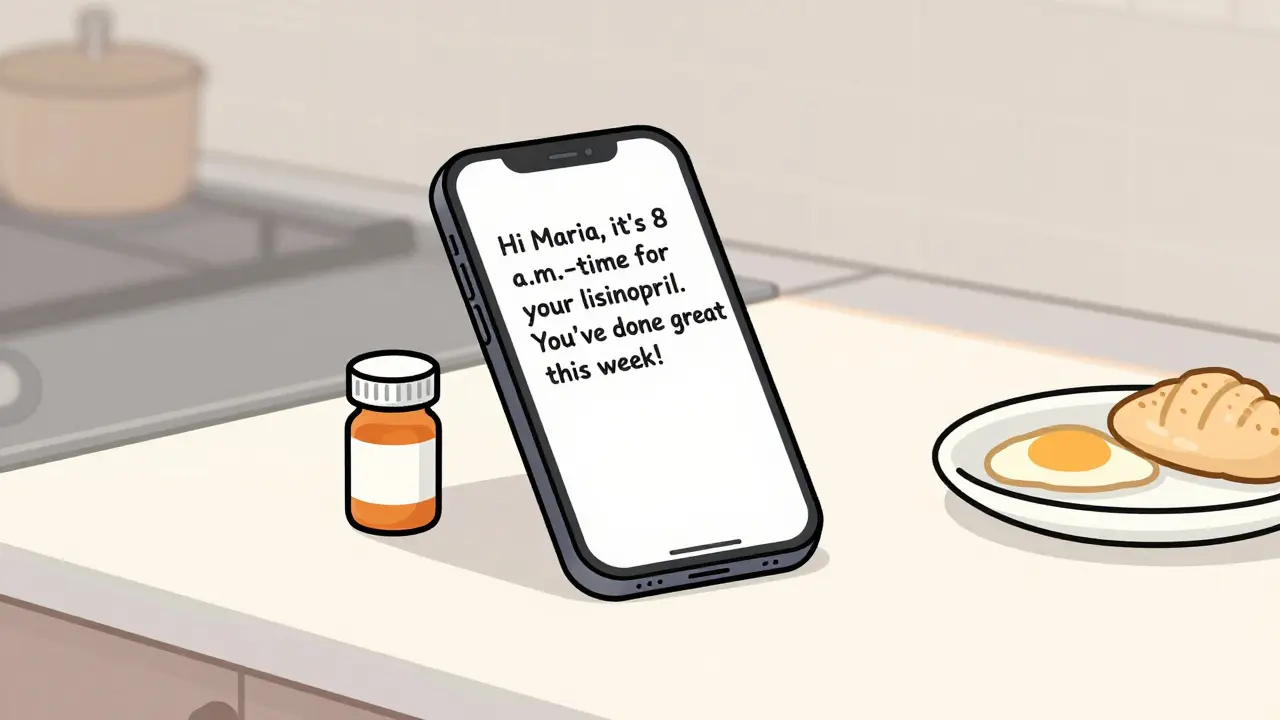
- Personalize the message. Instead of “Take your medication,” try “Hi Maria, it’s 8 a.m.-time for your lisinopril. You’ve done great this week!” Personalized messages improve adherence by up to 30% compared to generic ones.
- Keep it short. SMS limits messages to 160 characters. Use clear language: “Take your metformin now. You’ve got 3 days left in your prescription.”
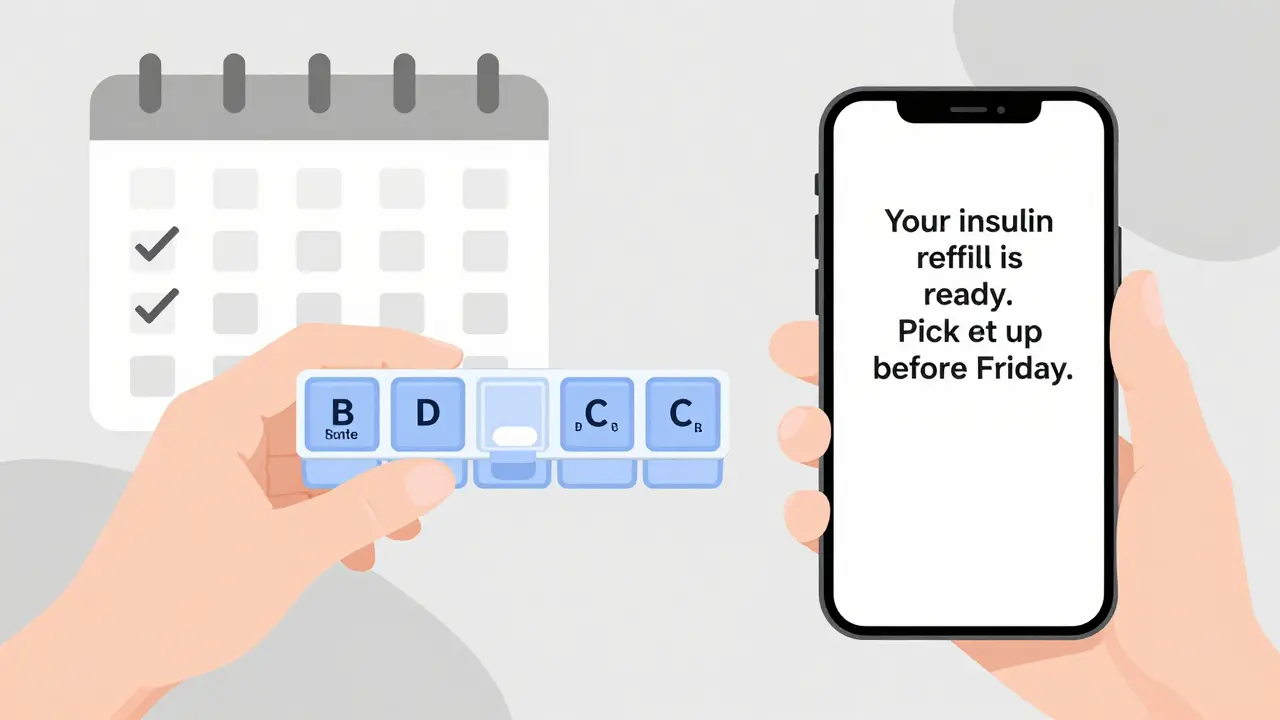
- Use a system that tracks refills. If your pharmacy or clinic can connect to your electronic health record, they can spot when you’re running low and send a reminder like, “Your insulin refill is ready. Pick it up before Friday.”
- Choose frequency wisely. Daily texts work best for new prescriptions or high-risk meds like antibiotics. For maintenance drugs like cholesterol pills, weekly check-ins reduce fatigue and still work.
Who Benefits the Most?
Text reminders aren’t equally effective for everyone. They shine brightest in situations where timing is critical.
- HIV treatment: Missing even one dose can lead to drug resistance. Studies show text reminders increase adherence by over 70% in this group.
- Tuberculosis: Even though texts didn’t improve pill counts, they cut patient dropouts by 58%-meaning more people stayed in treatment.
- Heart disease and diabetes: Daily texts improved blood pressure control by nearly double in multiple studies. For diabetics, reminders tied to meal times led to better glucose control.
- Psychiatric meds: For schizophrenia or bipolar disorder, consistent dosing prevents relapse. Texts help patients stay on track during unstable periods.
On the flip side, for some chronic conditions like high cholesterol or mild hypertension, simple texts alone often fail after six months. That’s not because the idea doesn’t work-it’s because those conditions don’t have immediate symptoms. If you don’t feel sick when you skip a pill, you’re more likely to skip it. That’s when reminders need backup: phone calls, pill dispensers, or family check-ins.
Common Mistakes to Avoid
Many people try text reminders and give up because they didn’t set them up right.
- Setting reminders at the wrong time. If you take your pill at 9 p.m., don’t send the text at 7 a.m. You’ll ignore it-or worse, get annoyed.
- Using the same message every day. “Take your meds” gets old fast. Change the wording. Add emojis. Mention how many days you’ve been on track. A little variety keeps it fresh.
- Ignoring opt-outs. About 1 in 5 people turn off reminders after six months. Don’t assume they’re fine. Check in with them. Maybe they need a different time, or a family member to help.
- Forgetting about accessibility. Not everyone has a smartphone or reliable data. Texts work on basic phones, but if someone can’t receive SMS at all, they need another solution-like a pillbox with alarms or a caregiver.
- Not linking to care. A text that says “Take your pill” is just a nudge. A text that says “Take your pill and call your doctor if you feel dizzy” ties the reminder to action and support.
Tools and Apps That Help
You don’t need to build a system from scratch. Many tools already exist:
- Medisafe: Sends personalized texts and alerts, tracks refills, and lets family members get updates (with permission).
- MyTherapy: Combines reminders with symptom logging and reports for your doctor.
- Pharmacy apps: CVS, Walgreens, and others now offer automated refill reminders via text.
- Health system portals: Many hospitals and clinics now offer built-in text reminder services for patients on chronic meds.
Most of these apps sync with your pharmacy and can detect if you haven’t picked up a refill. That’s powerful-it means the system can send a message like, “Your blood thinner refill isn’t ready yet. Call us if you need help.”
What to Do If Texts Aren’t Working
Maybe you’ve tried texts for months and still miss doses. That doesn’t mean you’re failing-it means you need a different approach.
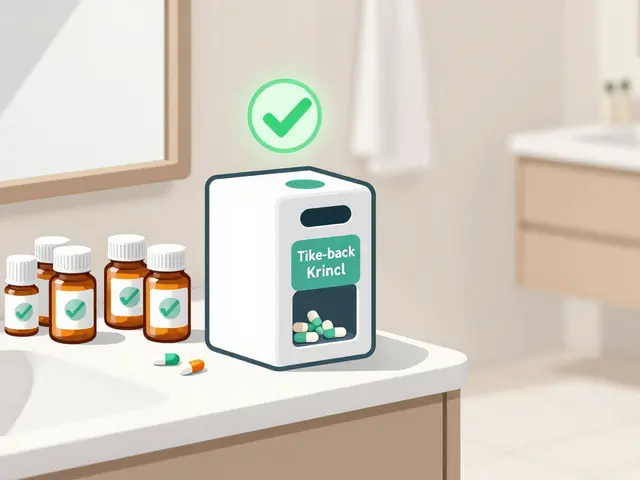
- Try a pill organizer with alarms. Some models flash lights, play sounds, or even lock compartments until the right time.
- Ask for a caregiver check-in. A family member or friend can call or text you once a day to confirm you took your meds.
- Switch to a once-daily pill. Talk to your doctor. Can your meds be combined? Fewer pills = fewer chances to miss one.
- Use voice assistants. Set up Alexa or Google Home to say, “It’s time to take your medication,” at your usual time.
The goal isn’t to rely on one tool. It’s to layer support until you’re covered.
The Bottom Line
Text message reminders aren’t magic. But they’re one of the few tools in digital health that actually works for millions of people-when used correctly. The key is personalization, timing, and connection to real care. A generic message sent at the wrong time? Useless. A thoughtful, tailored reminder that fits your life? That’s the kind that saves lives.
If you’re managing a chronic condition, ask your doctor or pharmacist if they offer text reminders. If they don’t, ask how you can set one up yourself. It takes five minutes to configure-and it could be the difference between staying healthy and ending up in the hospital.
Can text message reminders help with antibiotics?
Yes, they’re especially helpful for antibiotics because missing doses can lead to drug-resistant infections. Studies show patients who get daily texts during a 7- to 14-day antibiotic course are far more likely to finish the full course. A simple message like “Don’t stop here-finish your pills” can make a big difference.
Are text reminders HIPAA compliant?
Yes, if they’re sent through a secure healthcare platform. Most hospital and pharmacy systems use encrypted, compliant services. But if you’re using a personal app or texting your doctor directly via regular SMS, that’s not secure. Always ask your provider if their text system is HIPAA-compliant before sharing health details.
What if I don’t have a smartphone?
You don’t need one. Text messages work on any mobile phone that can receive SMS. Even basic phones can get reminders. If you can’t receive texts at all, ask your clinic about alternative options like automated voice calls or mailed pill organizers with alarms.
How long do text reminders stay effective?
They work best in the first 3 to 6 months. After that, people often tune them out unless the messages change. The most successful programs update content weekly, add motivational notes, or trigger messages based on refill patterns. Static, unchanging reminders lose power over time.
Can I set up reminders for someone else?
Yes, with permission. Many apps let caregivers or family members manage reminders for a loved one. You can set the time, choose the message, and even get alerts if they haven’t confirmed taking their pill. Always get written consent before managing someone else’s health reminders.
Next Steps
Start small. Pick one medication you’re most likely to miss. Set up a text reminder for it tomorrow. Use a simple format: “Hi [Name], it’s [time]-take your [medication].” Test it for two weeks. If it helps, add another. If it doesn’t, tweak the time or wording. You’re not just setting a reminder-you’re building a habit that keeps you healthy.

10 Comments
I’ve been using Medisafe for my mom’s diabetes meds and it’s been a game changer. She forgets like clockwork, but now she gets a little voice alert + text that says ‘Hey love, it’s 8am - your metformin’s waiting!’ She even started smiling when she sees it. No more frantic calls at 11am asking if she took it. Small touches matter.
in india most people still use basic phones and no data. text reminders work fine but only if the number is registered with the clinic. my uncle got his blood pressure texts from the gov’t hospital - no app needed. just sms. simple. free. real.
Let’s be real - if you need a text to remember to take your pills, you probably shouldn’t be managing your own meds. My aunt had a pill organizer with a lock and a loud alarm. She didn’t need texts. She needed accountability. Technology shouldn’t replace responsibility.
OMG I JUST REALIZED I’VE BEEN DOING THIS WRONG 😭 I’ve been sending my dad ‘Take your meds’ every day at 7am… he’s on a 10-hour time difference and takes them at 7pm his time 😭 I’m so sorry dad 😭 I’m switching to MyTherapy and letting him pick the message. I love you so much 💕
While the efficacy of SMS-based adherence interventions has been demonstrated in RCTs with moderate effect sizes (Cohen’s d = 0.42–0.67), the underlying behavioral economics framework is underexplored. The mere exposure effect diminishes utility over time unless variable reinforcement schedules are implemented - i.e., probabilistic rewards embedded in messaging cadence. Without dynamic content generation via NLP, these systems devolve into noise. Consider integrating sentiment analysis from patient responses to tailor motivational valence.
Been using a free SMS system through my clinic for my HIV meds for 3 years. They change the message every week - sometimes it’s just ‘You got this’ with a 🌞, sometimes it’s ‘30 days clean’ with a little badge emoji. I don’t even think about it anymore. It’s just there. That’s the magic. Not fancy tech. Just consistency with heart
I work with seniors in a community center and we started a ‘Text Buddy’ program where volunteers send one friendly message a day to someone who’s struggling with meds. Not ‘take your pill’ - more like ‘Hope you had a good walk today’ or ‘The sun’s out, I’m thinking of you’. Turns out, people respond better to connection than commands. One woman told me she started taking her pills because she didn’t want to ‘disappoint her text friend’. That’s the real win.
Of course texts work for some. But if your entire medication adherence strategy relies on a phone notification, you’re already one software update away from disaster. People who need reminders are the same ones who forget to charge their phones. Or lose them. Or don’t understand how to turn off Do Not Disturb. This isn’t a solution. It’s a bandage on a hemorrhage.
Bro I set up a reminder for my grandma using Alexa and now she yells ‘I TOOK IT!’ every time it goes off. Like, full volume. In the middle of the grocery store. I didn’t think she even knew what Alexa was. Now she’s the one reminding ME to take my vitamins. She’s got more discipline than half the people in this thread.
my bro got a dumb phone and his clinic sends him texts for his insulin. he dont even have data but he gets the sms just fine. i thought he’d be lost but he uses the alarm on the phone to double check. he dont need apps. he just needs someone to care enough to set it up for him. i did it. its easy. you should too