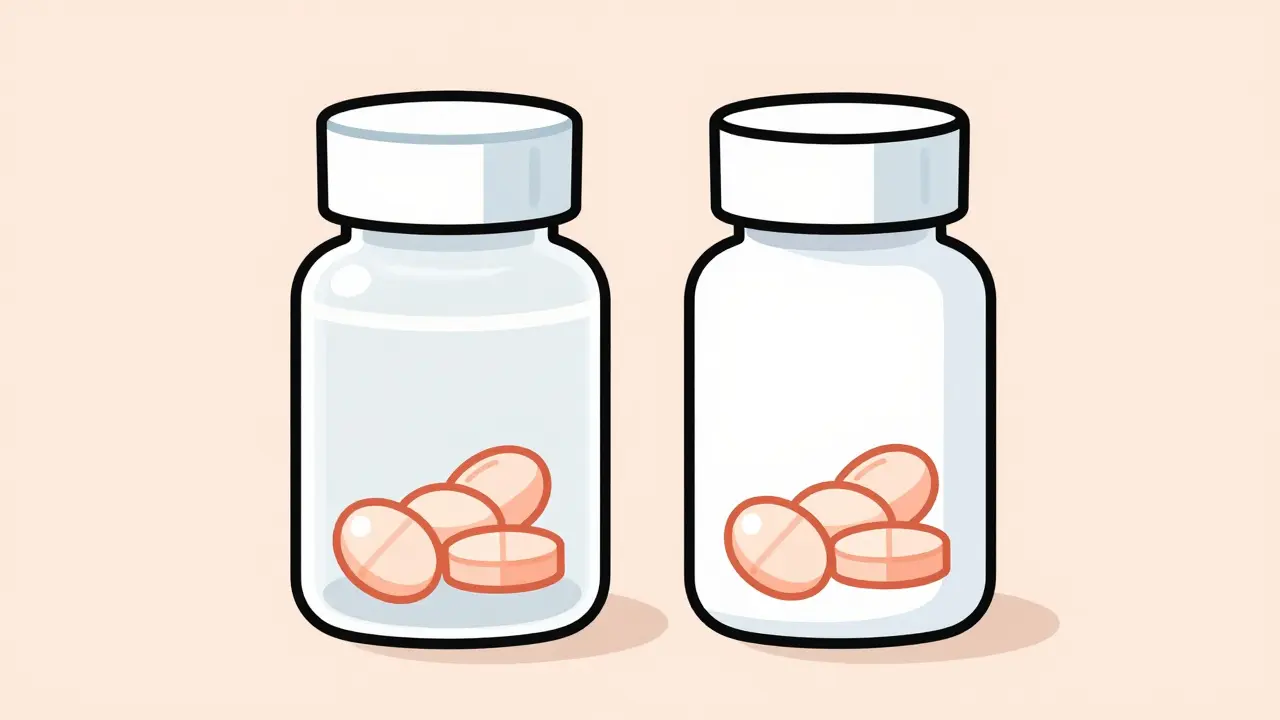
Ever opened your prescription bottle and seen a pill that looks exactly like your brand-name drug-but without the brand name on it? That’s an authorized generic. It’s not a copy. It’s not a knockoff. It’s the exact same pill, made in the same factory, with the same ingredients, just sold under a different label.
What Exactly Is an Authorized Generic?
An authorized generic is a brand-name drug that’s sold without the brand name on the packaging. The U.S. Food and Drug Administration (FDA) defines it clearly: it’s identical to the original brand-name medication in every way-active ingredient, dosage, shape, color, and even the inactive ingredients like fillers and coatings. The only difference? No logo, no fancy packaging, no marketing. Just the medicine.
Think of it like buying a Coca-Cola bottle with the logo removed. The liquid inside? Still Coca-Cola. That’s what an authorized generic is. It’s made by the same company that makes the brand-name drug, or by a partner they’ve licensed the formula to. It doesn’t go through the usual generic approval process. Instead, it uses the original brand’s FDA approval (called an NDA), so it skips the long wait and testing required for traditional generics.
How Is It Different From a Regular Generic?
This is where things get confusing. Most people think all generics are the same. They’re not.
Regular generics-those you see on pharmacy shelves labeled as “metformin” instead of “Glucophage”-must prove they work the same way as the brand-name drug. They go through a process called an ANDA (Abbreviated New Drug Application). That means they have to show they’re bioequivalent: the same amount of active drug gets into your bloodstream at the same rate. But they can change the inactive ingredients. That’s why some people say their generic pill “doesn’t feel the same.” Sometimes it’s the fillers. Sometimes it’s the coating. Sometimes it’s just psychological.
An authorized generic doesn’t have that problem. It’s not just bioequivalent. It’s identical. Same active ingredient. Same inactive ingredient. Same manufacturing process. Same machine that pressed the pill. Same batch code, if you could trace it. If your doctor prescribed you Celebrex, and you get an authorized generic of celecoxib? You’re getting the exact same tablet-just without the Celebrex name on it.
Why Do Drug Companies Make Authorized Generics?
It sounds strange. Why would a company that spent millions developing a drug turn around and sell its own product as a cheaper generic? The answer? Business strategy.
When a brand-name drug’s patent runs out, other companies can make their own generics. But that’s risky for the original maker. Their sales could drop 80% overnight. So instead of watching their profits vanish, they launch an authorized generic. It’s like they’re saying: “We’ll let you buy a cheaper version-but we’re the ones selling it.”
Research shows this isn’t random. Between 2010 and 2019, there were 854 authorized generic launches in the U.S. And in 75% of cases, they showed up after traditional generics had already entered the market. That’s not coincidence. It’s timing. The brand company waits to see who’s coming in, then drops their own version-often during the 180-day exclusivity window when only one generic is allowed to sell. That way, they capture the early adopters, keep their pharmacy relationships, and keep some revenue flowing.
Some critics say this slows down real competition. Instead of letting multiple generic makers drive prices down, the brand company holds back the cheapest option until it’s convenient for them. Others argue it gives patients a reliable, identical alternative without the guesswork of switching to a different manufacturer’s version.
How Do You Know You’re Getting an Authorized Generic?
Good luck. Most of the time, you won’t know unless you check the label or ask your pharmacist.
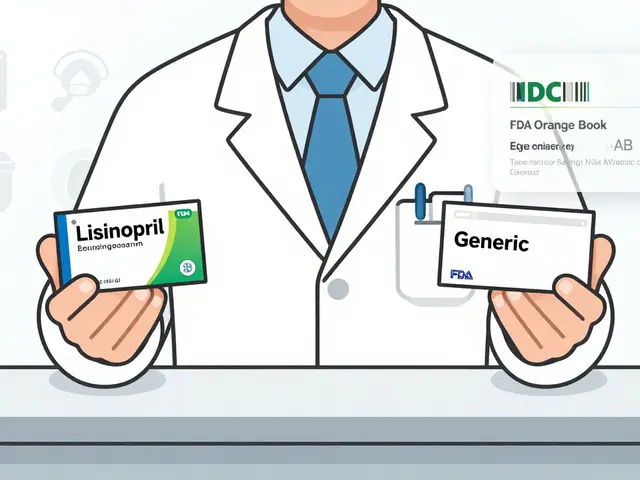
Authorized generics aren’t listed in the FDA’s Orange Book-the official directory of approved generics. That means your pharmacist’s system might not flag it as “generic.” It might just show up as a lower-priced version of your brand-name drug. Sometimes the pill looks identical to the brand. Sometimes it’s slightly different in color or shape, just to avoid confusion.
Here’s how to find out: look at the manufacturer name on the bottle. If it’s the same company that makes the brand-name drug-like Pfizer, AbbVie, or Johnson & Johnson-you’re likely looking at an authorized generic. If it’s a company you’ve never heard of-like Teva, Mylan, or Sandoz-it’s probably a traditional generic.
Examples you might recognize:
- Colcrys (brand) → Colchicine (authorized generic by Prasco)
- Concerta (brand) → Methylphenidate ER (authorized generic by Actavis)
- Celebrex (brand) → Celecoxib (authorized generic by Greenstone)
- Unithroid (brand) → Levothyroxine (authorized generic by Jerome Stevens)
These are all made by the original brand companies or their licensed partners.
Are Authorized Generics Cheaper?
Yes-but not always the cheapest.
Authorized generics usually cost less than the brand-name version-often 15% to 30% lower. But they’re typically more expensive than traditional generics that enter the market later, especially when multiple companies start making the same drug.
For example, if you’re on a brand-name drug that costs $120 a month, the authorized generic might be $90. But once three other generic makers jump in, the price could drop to $40. So timing matters. If you get the authorized generic right after patent expiry, you save money. Wait six months? You might save even more.
Insurance plans sometimes prefer authorized generics because they’re still technically “brand” products under the hood. That means they might be covered under your brand-name tier, not your generic tier. Always check with your pharmacy or insurer.
What Do Patients and Pharmacists Say?
Most patients don’t notice a difference. That’s the point. If you’ve had bad reactions to other generics-like stomach upset, headaches, or feeling “off”-an authorized generic often solves that. Because the inactive ingredients are the same, your body doesn’t have to adjust.
Pharmacists report fewer complaints when patients get authorized generics. No one’s calling to say, “This pill doesn’t work like my last one.” Because it’s the same pill.
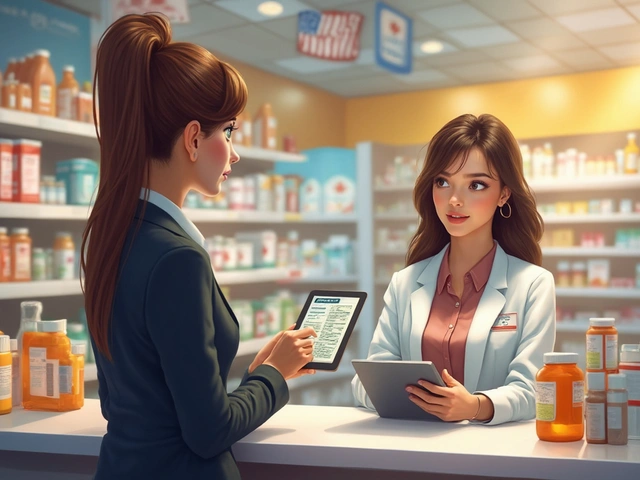
But there’s confusion. Patients sometimes ask: “Why is my doctor giving me a generic version of my brand-name drug?” Or worse: “Is this fake?” Pharmacists spend time explaining that it’s not a copy-it’s the real thing, just unlabeled.
Some people are suspicious. “Why would Pfizer make a generic of its own drug?” The answer: because it’s smart business. But that doesn’t make it bad. If you’re paying less and getting the same medicine, that’s a win.
What Should You Do?
If you’re on a brand-name drug that’s about to go generic, ask your pharmacist or doctor: “Is there an authorized generic available?”
If you’re switching to a generic and notice a change in how you feel, ask: “Is this an authorized generic or a traditional one?”
Don’t assume all generics are the same. If you’ve had issues before, ask for the authorized version. It’s not always cheaper, but it’s the closest thing to the brand you’ll ever get.
And if you see a drug that looks identical to your brand but costs half as much? It’s probably an authorized generic. Don’t panic. You’re getting the same medicine.
Where Can You Find the Official List?
The FDA maintains a public list of authorized generics, updated regularly. The most recent version was published in October 2025. It’s not easy to find-search for “FDA Authorized Generic List” on their website. It’s not in the Orange Book. It’s a separate document. Pharmacists use it. You don’t have to. But knowing it exists helps you ask the right questions.
Final Thought
Authorized generics aren’t a loophole. They’re a legal, FDA-approved way to offer patients the exact same drug at a lower price. They’re not perfect. They’re not always the cheapest. But for people who need consistency-especially with medications like thyroid drugs, epilepsy meds, or psychiatric treatments-they’re often the best option.
Next time you get a prescription, don’t just take what’s handed to you. Ask: “Is this the brand? Is this a generic? Is it an authorized generic?” You’re not being difficult. You’re being informed.
Are authorized generics the same as brand-name drugs?
Yes. Authorized generics are identical to brand-name drugs in every way-active ingredient, dosage, strength, shape, color, and even inactive ingredients. The only difference is the label. They’re made by the same manufacturer, in the same facility, using the same process. The FDA confirms they are exactly the same product, just sold without the brand name.
Are authorized generics cheaper than brand-name drugs?
Yes, typically by 15% to 30%. But they’re often more expensive than traditional generics that enter the market later. Authorized generics are priced to compete with early generic entrants, not the lowest-priced generics after multiple manufacturers join the market. So while you save money compared to the brand, waiting a few months might get you an even lower price.
Why don’t authorized generics appear in the FDA’s Orange Book?
Because the Orange Book only lists traditional generics that went through the ANDA process and proved bioequivalence. Authorized generics don’t need that-they’re covered under the original brand’s NDA. So they’re not included. Instead, the FDA keeps a separate, less-publicized list of authorized generics. This makes them harder to track but doesn’t affect their safety or effectiveness.
Can I ask my pharmacist for an authorized generic?
Absolutely. You can request it by name or ask: “Is there an authorized generic available for this drug?” Pharmacists can check manufacturer codes and FDA lists to identify them. If your insurance covers it, they can usually switch your prescription. This is especially helpful if you’ve had issues with other generics due to inactive ingredients.
Do authorized generics have the same side effects as the brand?
Yes. Since they contain the exact same ingredients-including inactive ones-the side effect profile is identical. If you tolerated the brand-name drug well, you should tolerate the authorized generic just as well. That’s why they’re often recommended for patients who react poorly to traditional generics with different fillers or coatings.
Why do some people distrust authorized generics?
Some people think it’s a trick-why would a drug company make its own generic? The answer is business: it lets them keep market share and revenue when patents expire. But that doesn’t make the medicine less safe or effective. It’s still the same product. The distrust usually comes from misunderstanding the process, not from any actual risk.
Are authorized generics available for all brand-name drugs?
No. Only about 10% to 15% of brand-name drugs have authorized generics. It’s a strategic decision by the manufacturer. If the drug has high profits and a large patient base, the company is more likely to launch one. For lower-cost or less popular drugs, it’s not worth the effort.
Can I switch from a traditional generic to an authorized generic?
Yes, if your doctor approves it and your insurance covers it. If you’re experiencing issues with your current generic-like inconsistent effects or side effects-you can ask your pharmacist if an authorized generic is available. Since it’s identical to the brand, it may solve problems caused by differences in inactive ingredients in traditional generics.
14 Comments
So let me get this straight-you’re telling me I’ve been overpaying for my antidepressant because I didn’t know the pill in my bottle was literally the same one my doctor prescribed, just without the fancy logo?!! I feel like I’ve been scammed by capitalism itself-like buying a Ferrari with the badge peeled off and paying $50K less. Why didn’t anyone tell me this before?!?!?!
Authorized generics are a fascinating intersection of pharmaceutical regulation, market dynamics, and patient care. The FDA’s distinction between NDA-based authorized generics and ANDA-based traditional generics reflects a nuanced regulatory framework designed to balance innovation incentives with accessibility. The fact that authorized generics share identical inactive ingredients eliminates variability in bioavailability that can occur with traditional generics-this is particularly critical for drugs with narrow therapeutic indices like levothyroxine or phenytoin. Moreover, the strategic timing of authorized generic launches-often coinciding with the 180-day exclusivity window for first filers-demonstrates how patent law and market entry strategies are deeply intertwined. It’s not merely a pricing tactic; it’s a structural response to the incentives created by the Hatch-Waxman Act.
OMG. I just realized my $140/month brand-name migraine med? Same exact pill as the $45 generic my pharmacist slipped me last week. 😱 And I thought I was being clever switching to generics. Turns out I was just being *manipulated* by Big Pharma’s psychological warfare. They’re not selling you cheaper medicine-they’re selling you the illusion of choice. 🤡 I’m not even mad. I’m just… disappointed in humanity.
It is imperative to clarify that the term 'authorized generic' is not synonymous with 'generic drug' as defined under the Federal Food, Drug, and Cosmetic Act. Authorized generics are marketed under the original New Drug Application (NDA) and therefore do not undergo the Abbreviated New Drug Application (ANDA) process. Consequently, they are not subject to the same labeling requirements as traditional generics, which may lead to confusion among patients and pharmacists. The absence of these products from the Orange Book is not an oversight but a reflection of their regulatory classification. Patients should be advised to consult their pharmacist regarding the manufacturer of their dispensed medication to ensure continuity of therapy.
I appreciate this comprehensive breakdown. Many patients don’t realize that the differences they experience between generics aren’t always in the active ingredient-they’re often in the fillers, binders, or coatings. For individuals with sensitivities to lactose, dyes, or gluten, the authorized generic can be a lifesaver. I’ve worked with patients on antiepileptics who had breakthrough seizures after switching to a traditional generic with a different binder. Once we switched to the authorized version, stability returned. This isn’t just about cost-it’s about clinical consistency. Thank you for highlighting this critical distinction.
Let’s be real-this is Big Pharma’s way of saying, ‘We’ll let you have our drug for less… but only if we control the supply.’ They don’t want real competition. They want to *manage* it. Authorized generics are the corporate equivalent of a fake discount: ‘Sale! 50% off!’… except the original price was inflated for 12 years. And now they’re still making bank while pretending they’re being generous. 🤭 Meanwhile, real generics? They get buried under insurance tier restrictions because they’re not ‘brand-adjacent.’ This isn’t patient care-it’s profit engineering.
Wait… so you’re telling me the government allows pharmaceutical companies to manufacture their own ‘generic’ versions to undercut competitors, but then doesn’t even list them in the official database? That’s not transparency-that’s a cover-up. Who’s really benefiting here? Not patients. Not pharmacies. Not even insurers. It’s the same CEOs who got rich off 10-year monopolies and now want to milk the post-patent market without letting anyone else in. And they get to call it ‘authorized’ like that makes it ethical? I’ve seen what happens when you trust Big Pharma-remember the opioid crisis? This is just the next phase. They’re not giving you cheaper medicine-they’re giving you a more expensive version of the same lie.
Yo, I’m from South Africa and we don’t even have this stuff here. Our generics are either cheap and sketchy or expensive and brand-named. So you’re telling me in the US you can get the *exact same pill* for half the price and it’s legal? That’s wild. Meanwhile, my cousin’s epilepsy med costs $300/month because there’s no generic at all. Y’all got a system. I’m jealous. But also… why isn’t this common knowledge? Like, why does the average person still think ‘generic’ = ‘weaker’?
Authorized generics? Bro, that’s just brand-name drugs in a cheap hoodie. You think you’re saving money? Nah. You’re just letting the same company keep your cash while pretending they’re the hero. ANDA generics? Those are the real ones. The ones that actually force prices down. Authorized generics? That’s corporate sabotage disguised as consumer help. I’d rather pay $40 for a Teva pill than $80 for a ‘same thing’ with a different label. Don’t fall for the rebrand.
Have you ever wondered why the FDA doesn’t require authorized generics to be labeled as such? Or why pharmacies don’t have to disclose the manufacturer unless you ask? I think this is part of a larger pattern-pharmaceutical companies are allowed to manipulate perception without accountability. If the pill is identical, why hide the fact that it’s the same company? Because if people knew, they’d realize they’ve been paying brand prices for years… and then they’d get angry. And angry people file lawsuits. So silence is the business model. This isn’t innovation. It’s obfuscation.
Let’s unpack the regulatory taxonomy here. Authorized generics fall under 21 CFR § 314.3(b) as ‘products marketed under the NDA holder’s label’-meaning they’re not subject to bioequivalence testing because they’re not ‘new’ products. They’re identical to the reference listed drug (RLD). Traditional generics, by contrast, must demonstrate bioequivalence via pharmacokinetic studies and are subject to post-marketing surveillance under the ANDA framework. The key distinction lies in the regulatory pathway, not the product. Mislabeling this as ‘same thing’ is misleading-it’s the same *product*, but not the same *regulatory category*. This matters for liability, supply chain traceability, and adverse event reporting.
There is a moral paradox here: a system that incentivizes innovation through patent monopolies, then permits the patent holder to preempt competition by introducing a lower-priced version of their own product-thereby preserving market share while eliminating the very competition the system was designed to encourage. Is this not a perversion of the original intent of the Hatch-Waxman Act? We are not merely discussing pricing-we are confronting a structural flaw in the architecture of American pharmaceutical policy. The patient is caught in the middle, unaware that their ‘savings’ are orchestrated by the very entity that once priced them out of access entirely. This is not healthcare. This is economic theater.
In my village in Nigeria, we call this ‘the same water in a different bottle.’ People trust the brand because it’s familiar-even when the cheaper version is identical. Here, in the U.S., you’ve turned medicine into a branding contest. But I admire the clarity of your explanation. For the first time, I understand why some people feel better on an authorized generic. It’s not placebo-it’s consistency. And in healing, consistency is sacred. Maybe the real lesson isn’t about pills… but about trust. Who do we trust? The logo? Or the science? The answer, I think, should be the science.
Thank you for writing this. I’ve been on the same thyroid med for 8 years and switched to a generic last year-I felt foggy and tired for weeks. My pharmacist finally checked the manufacturer and found out it was an authorized generic. We switched back to the brand, and I felt like myself again. Turns out, I wasn’t imagining it. I didn’t know authorized generics existed until now. Please share this with everyone you know. This isn’t just pharmacy trivia-it’s your health.