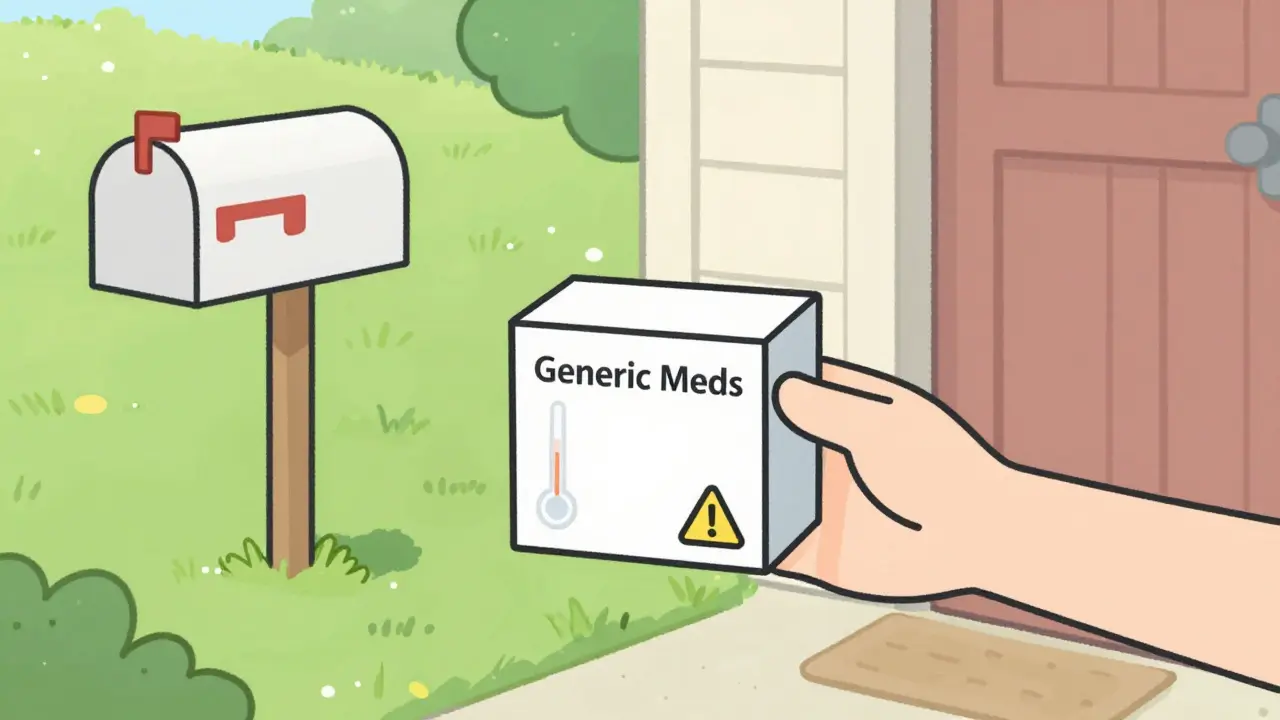
For millions of people taking daily meds for high blood pressure, diabetes, or cholesterol, mail-order generics sound like a no-brainer: save money, skip the pharmacy line, and get pills delivered right to your door. But behind the convenience and low copays lies a system full of hidden costs, shipping risks, and safety gaps most people never hear about.
Why Mail-Order Generics Look Too Good to Be True
Most people sign up for mail-order pharmacies because their insurance offers a $10 copay for a 90-day supply of a generic drug. That’s a huge jump from paying $40 every 30 days at your local pharmacy. For someone on a blood pressure med like lisinopril, that’s $480 saved a year-money that can go toward groceries, rent, or even a weekend away. The system works because insurers partner with big pharmacy benefit managers (PBMs) like Express Scripts, CVS Caremark, and OptumRx. These companies buy meds in bulk, negotiate deep discounts with manufacturers, and pass some savings along to you. And it’s not just about price. Automatic refills mean you’re less likely to run out. Studies from the National Institutes of Health show people on mail-order are more consistent with their meds, especially for chronic conditions. That’s not small-it cuts hospital visits and long-term damage.The Price Isn’t Always What It Seems
Here’s where things get messy. That $10 copay? It’s not the real cost of the drug. It’s what your insurer lets you pay. The actual price the PBM charges your insurance plan can be wildly inflated. Take a common generic antidepressant. At a local pharmacy, it might cost $12. Through mail-order, the same pill gets billed at $100-eight times more. Brand-name drugs? Sometimes the markup hits 35 times the retail price. How is that legal? Because there’s no transparency. You don’t see the real cost. Your insurer pays the inflated price, and you only pay your copay. But if you’re uninsured, you’re stuck with the full $100-or worse. A 2023 report from The Happy PharmD found mail-order sales jumped from $86 billion to over $206 billion between 2013 and 2023. Prescription volume? Only up 11%. That means the system is making more money per pill, not selling more pills. The math doesn’t add up unless prices are being padded.Medicines That Arrive Broken
Medications aren’t books or socks. They’re chemicals. Many need to stay between 68°F and 77°F during shipping. Insulin, thyroid meds, and some antibiotics can lose potency if they get too hot or too cold. A study in the Journal of the American Pharmacists Association found only one in three mail-order shipments keep meds in safe temperature ranges. Real-world stories back this up. On Reddit, users describe insulin arriving melted after summer heatwaves. Others report pills turning sticky or discolored. The FDA has logged over 1,200 reports of temperature-related failures between 2020 and 2023-and that’s just what got reported. If you’re on insulin, epilepsy meds, or heart drugs, a failed shipment isn’t an inconvenience-it’s a medical emergency. One Trustpilot review found 17% of negative experiences were about lost or damaged packages. That’s nearly one in five.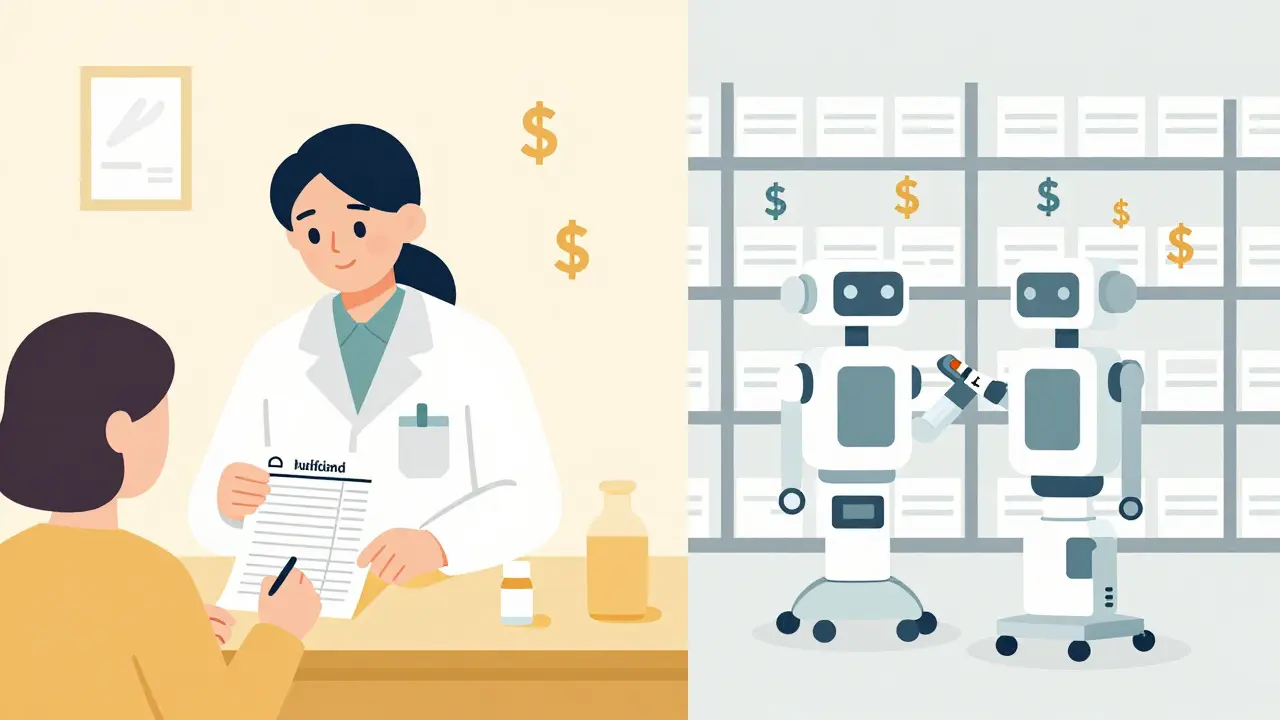
When Your Pharmacy Doesn’t Know Your Full Story
At your local pharmacy, the pharmacist sees your full list of meds. They catch interactions. They warn you if your new blood pressure pill clashes with your old painkiller. Mail-order pharmacies often don’t. If you’re using different pharmacies for different meds-say, one for your diabetes drug, another for your antidepressant-no single pharmacist has the full picture. JAMA Network Open found this increases the risk of dangerous drug interactions. You might not know until it’s too late. And if you switch generics? That’s another risk. Generic drugs are chemically identical to brand-name ones, but they can look different-color, shape, size, even taste. For older adults or people with memory issues, that change can cause confusion. One study found patients who switched between multiple generic versions of topiramate ended up in the hospital more often. They didn’t know if they were getting the same pill.Who Benefits the Most?
Mail-order works best for people with chronic conditions who take the same meds every day. By 2022, 63% of people with high blood pressure and 58% of those with diabetes used mail-order. That’s because it’s built for routine, not emergencies. It’s not ideal for antibiotics, inhalers, or post-surgery pain meds. If you need a drug right now, waiting a week for delivery isn’t an option. And if you’re uninsured? You’re out of luck. Injectable weight-loss drugs like semaglutide can cost $500 a month through direct-to-consumer mail-order. That’s not savings-that’s a barrier.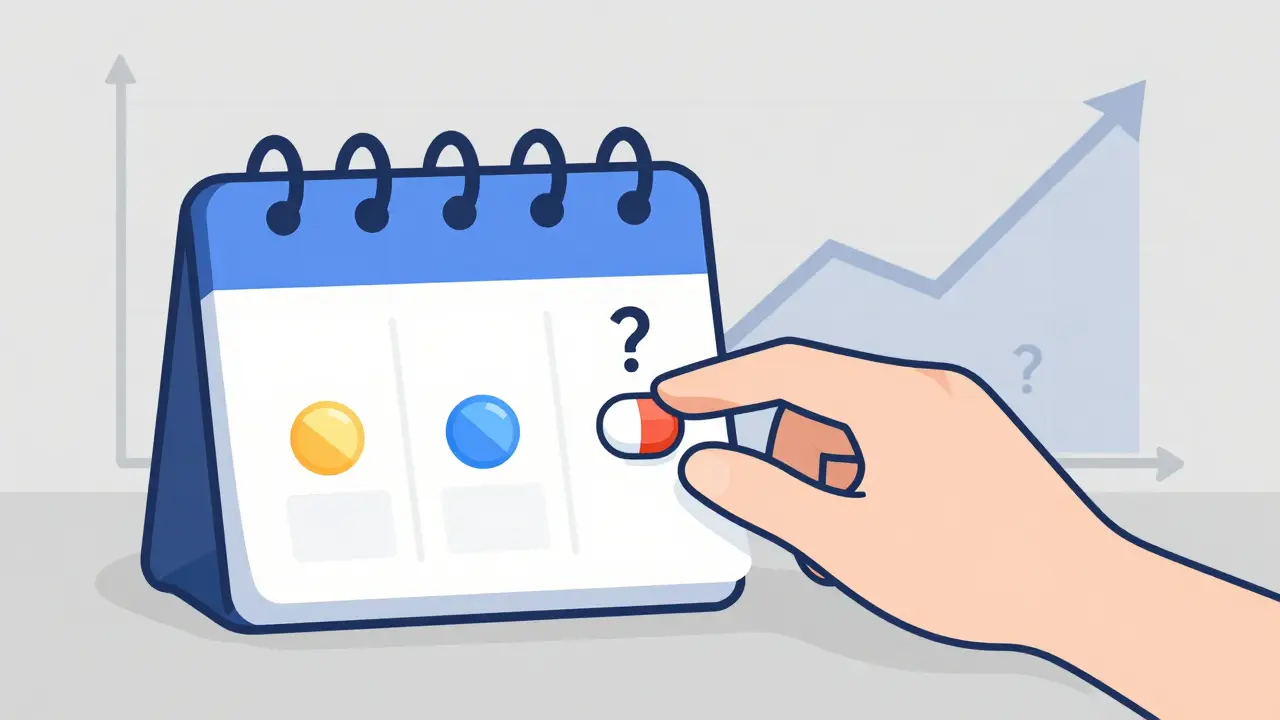
What You Can Do to Stay Safe
If you’re using mail-order, don’t assume it’s perfect. Here’s how to protect yourself:- Order early. Set up refills at least two weeks before you run out. Don’t wait for the reminder.
- Check your meds. When they arrive, inspect them. Look for discoloration, melting, or odd smells. If something’s off, call your pharmacist.
- Keep a list. Track every medication you take, including dosages and pharmacies. Share it with your doctor and local pharmacist.
- Ask about temperature control. If you’re on insulin or other sensitive meds, ask if the pharmacy uses cold packs and insulated shipping. If they don’t, consider switching.
- Don’t mix pharmacies blindly. If you’re using multiple pharmacies, make sure your main doctor or pharmacist has a complete list.
The Bigger Picture
The mail-order pharmacy system was designed to improve access and adherence. For many, it does. But it’s also become a profit engine for big corporations with little oversight. There are no federal rules requiring temperature monitoring. No laws forcing price transparency. No requirement that all your meds be managed by one pharmacist. A bill called the Pharmacy Delivery Safety Act is now in Congress, pushing for temperature standards and clearer pricing. But until then, the system remains a gamble. The truth? Mail-order generics can save you money and time. But they’re not risk-free. The convenience comes with trade-offs-some small, some life-threatening. If you’re using them, know the risks. Ask questions. Stay vigilant. Your health depends on it.Are mail-order generics as effective as brand-name drugs?
Yes. The FDA requires generic drugs to have the same active ingredients, strength, dosage form, and safety profile as brand-name versions. They’re not cheaper because they’re weaker-they’re cheaper because they don’t have the marketing and R&D costs. For most people, generics work just as well.
Can mail-order pharmacies ship insulin safely?
Some can, but not all. Insulin is sensitive to heat and can lose potency if exposed to temperatures above 86°F for more than 24 hours. Many mail-order pharmacies don’t guarantee temperature-controlled shipping. If you’re on insulin, ask if they use cold packs and insulated packaging. If they don’t, consider switching to a local pharmacy or one that guarantees safe shipping.
Why do some people get different-looking generic pills?
Different manufacturers make the same generic drug. Each one uses different fillers, dyes, and shapes. That’s why your pill might look different each time you refill. For most people, this doesn’t matter. But for older adults or those with memory issues, changing pill appearance can cause confusion, anxiety, or even skipped doses.
Should I use mail-order for all my medications?
No. Mail-order is best for long-term, daily medications like blood pressure or cholesterol pills. It’s not good for antibiotics, rescue inhalers, or pain meds you need right away. If you’re on multiple drugs, using different pharmacies can create safety gaps. Stick with mail-order for your chronic meds, but keep your acute meds at a local pharmacy where you can talk to a pharmacist.
What should I do if my mail-order meds arrive damaged?
Don’t take them. Take a photo of the damaged packaging and pills, then call the pharmacy immediately. Most will replace them free of charge. Also, notify your doctor-especially if you’re on a critical medication like insulin or seizure meds. Missing even one dose can be dangerous. If this happens often, consider switching to a different mail-order provider or your local pharmacy.

12 Comments
I’ve been on mail-order for my blood pressure med for three years now, and honestly? It’s been a game-changer. No more rushing to the pharmacy during lunch breaks, and I’ve saved over $500 a year. But I do inspect every package when it arrives-especially in summer. If it feels warm or the pills look weird, I call them right away. Better safe than sorry.
Also, I keep a printed list of everything I take and show it to my doctor every visit. Simple habit, huge safety net.
The lack of temperature regulation in mail-order shipping is a serious oversight. The FDA’s 1,200 reported incidents are likely the tip of the iceberg. There’s no federal mandate requiring cold-chain logistics for temperature-sensitive medications, despite insulin being biologically unstable above 86°F for more than 24 hours. This isn’t negligence-it’s systemic regulatory failure.
Pharmacies are incentivized to cut costs, not ensure safety. Until Congress passes the Pharmacy Delivery Safety Act, patients are essentially gambling with their health.
I’ve seen this play out with my dad-he’s 72 and on six different meds. He switched to mail-order for his diabetes pills, but kept his heart med at the local pharmacy. Then one day, he got a new batch of generic lisinopril that looked completely different. He thought it was a new drug and skipped a week. Ended up in the ER.
Generics are fine, but the changing pill shapes? That’s a silent hazard for older folks. Pharmacies should be required to notify patients when the manufacturer changes. Just a heads-up.
Y’all are overthinking this. I get my meds delivered every 90 days, they’re always fine. I’ve never had one melt or look weird. Maybe you’re just paranoid? I mean, come on-people used to get pills in brown bags from the corner store. Now we get insulated boxes with cold packs? Chill.
Also, if you’re worried about interactions, just use one pharmacy. Problem solved. Stop making everything a crisis.
Just got my insulin delivery yesterday and it was COLD as ice, perfect. But I did notice the pills for my cholesterol looked a little lighter than last time. I didn’t panic-I took a pic and emailed the pharmacy. They sent a replacement same day. No drama.
Point is: if you stay on top of it, mail-order is awesome. Don’t let fear scare you out of saving money. Just be smart about it. 😊
I’m curious-how many people actually know their PBM? Like, do you know if your insurer uses Express Scripts or OptumRx? I didn’t until I started digging into my statements. The price differences between local and mail-order are wild. One pill I bought for $15 locally was billed at $98 to my insurer. That’s not savings-that’s a shell game.
The economic structure of pharmacy benefit managers is fundamentally misaligned with patient outcomes. PBMs operate on a rebate-driven model where the profitability of a drug is inversely proportional to its actual cost. This creates perverse incentives: the more expensive the drug is billed to the insurer, the higher the rebate, even if the patient pays a flat $10 copay. The result is a hidden inflationary spiral disguised as cost-saving. This is not a market failure-it’s a structural corruption enabled by regulatory capture and lack of transparency. Until Congress mandates real-time pricing disclosure and prohibits rebate-based compensation models, this system will continue to exploit vulnerable populations under the guise of accessibility.
Let’s be real: this isn’t about safety. It’s about control. The pharmaceutical-industrial complex doesn’t want you talking to a pharmacist. They want you passive, automated, and compliant. Mail-order isn’t convenient-it’s a surveillance tool. Your meds, your habits, your refills-all tracked, sold, analyzed. And you think you’re saving money? You’re just feeding the machine.
Next thing you know, your insurance will deny your meds if you don’t use mail-order. Welcome to healthcare 2.0: corporate loyalty programs disguised as benefits.
THIS IS WHY AMERICA IS FALLING APART. People are getting DEAD because they’re too lazy to go to the pharmacy. You think it’s ‘convenient’ to let some warehouse in Ohio ship your insulin? You’re not saving money-you’re risking your LIFE. And don’t even get me started on how these companies don’t even label the pills the same way every time. My cousin had a seizure because she thought she was taking her seizure med and it was a different generic. They didn’t even apologize.
STOP BEING NAIVE. This is corporate greed wrapped in a bow.
Convenience has a cost. Always.
Mail-order? That’s how the globalists control the population. They don’t want you talking to real pharmacists. They want you dependent on centralized, untraceable shipping networks. You think the FDA’s 1,200 reports are all? Nah. They’re hiding thousands more. And why? Because if you knew how many meds are shipped without temperature control, you’d riot.
Also, why do all these PBMs have names that sound like secret societies? Express Scripts? OptumRx? Sounds like a CIA front. They’re not here to help you. They’re here to break you.
Okay but have you heard about the secret algorithm that decides which generics you get? My friend swears her blood pressure med changed twice last year and she kept getting dizzy. She looked up the pill ID online and realized they were giving her a different manufacturer every time-some from India, some from China. No one told her. She thinks they’re doing it on purpose to see who’s too scared to complain.
I’m not saying it’s a conspiracy… but why won’t they just pick one and stick with it?