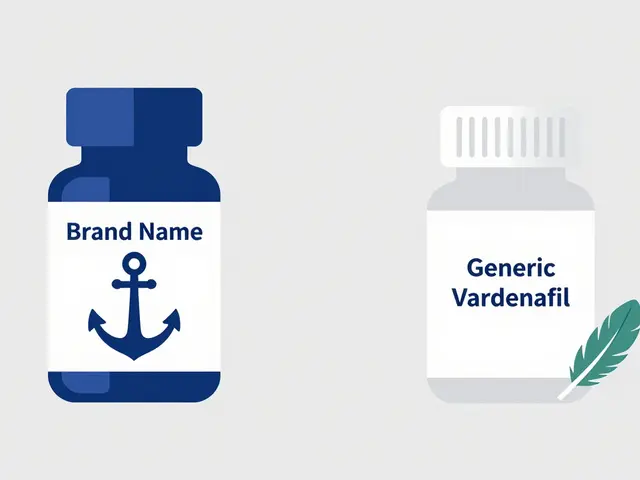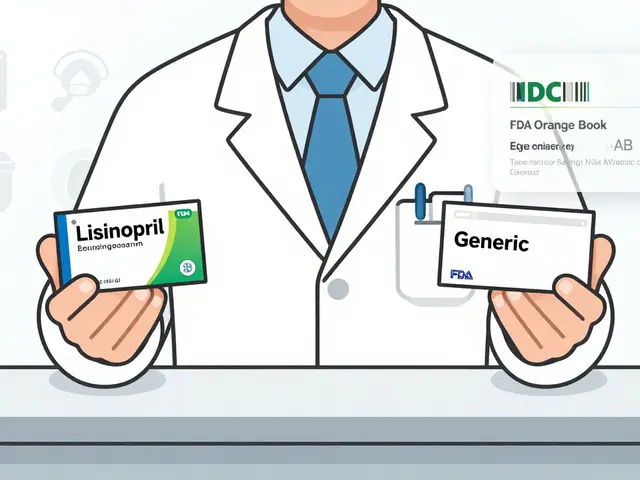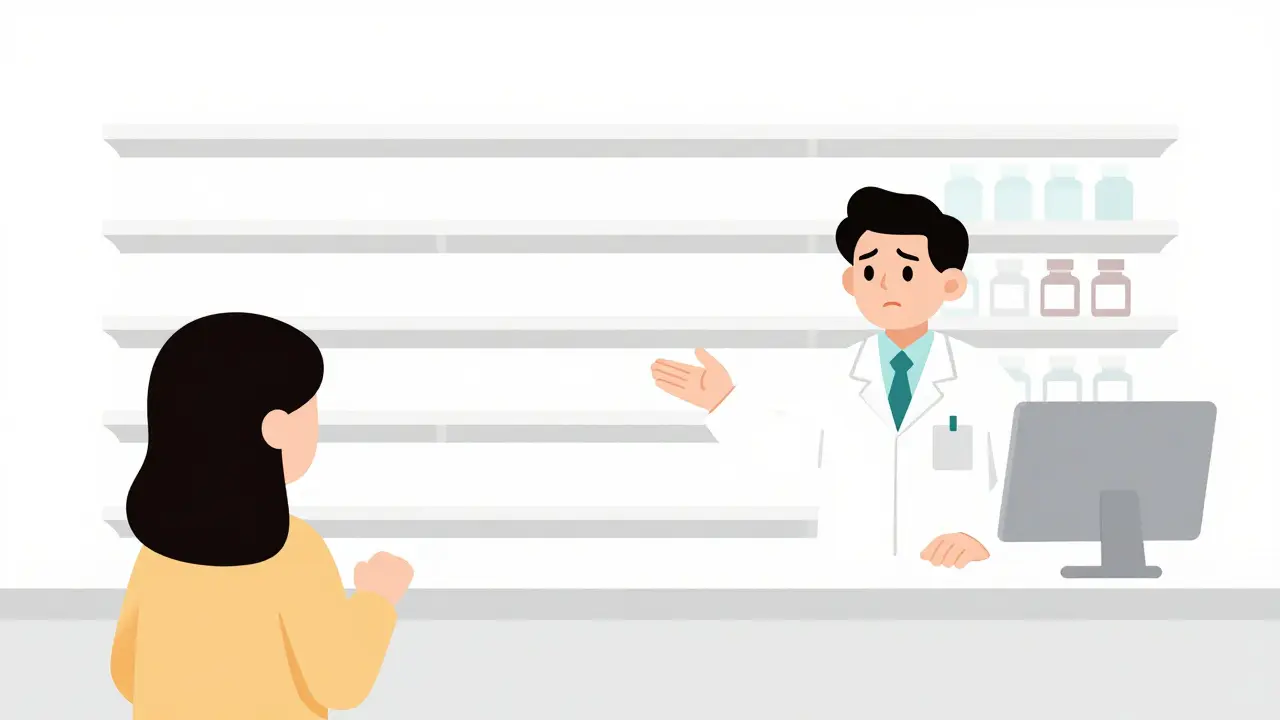
You go to the pharmacy for a routine prescription, only to be told the medication is out of stock. It happens more often than it should. We are told that generic pharmaceuticals is a segment of the healthcare market that provides affordable, bioequivalent alternatives to brand-name drugs. On paper, more generics mean lower prices and better access. But why are we seeing more empty shelves despite a global market projected to hit nearly $690 billion by 2034? The truth is that we aren't necessarily suffering from a lack of generics, but from a dangerous imbalance in who actually makes them.
The Race to the Bottom: Why Low Prices Can Be a Problem
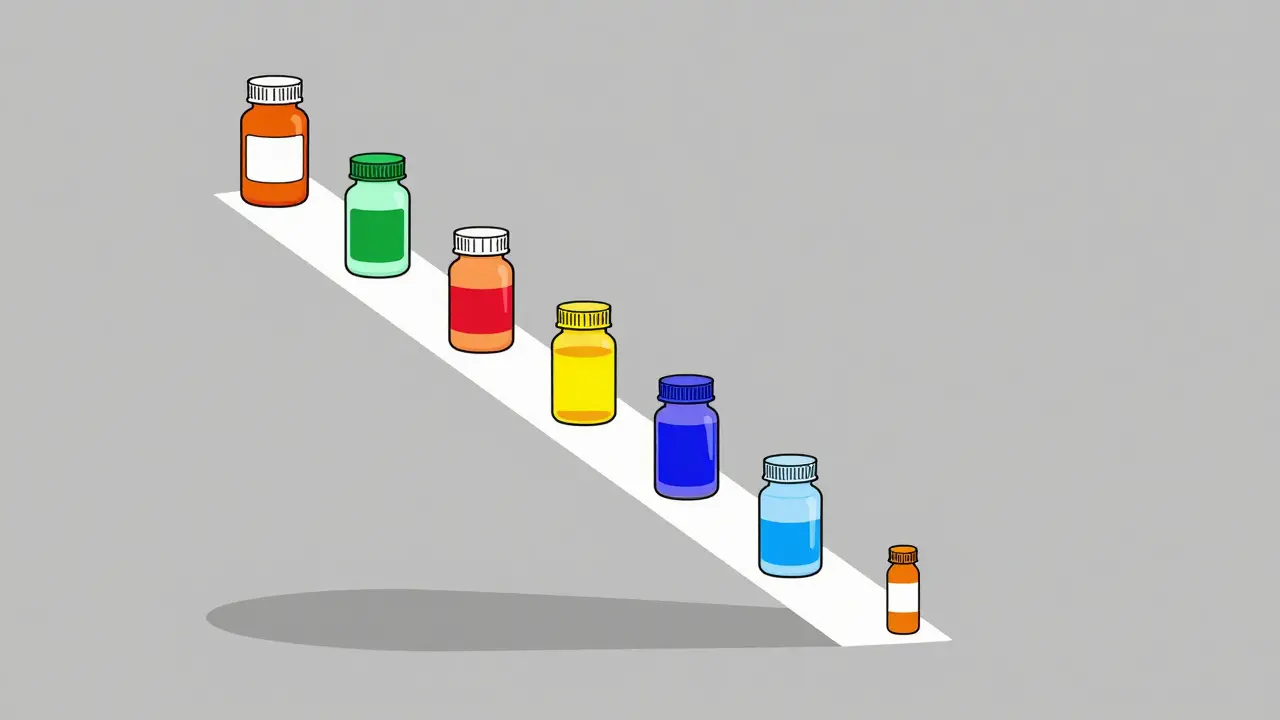
It sounds counterintuitive, but the very thing we love about generics-the low price-is often what kills the supply. When a brand-name drug loses its patent, a "patent cliff" occurs. This triggers a gold rush where multiple companies scramble to launch the same drug. In the beginning, prices plummet. According to data from the US Department of Health and Human Services, prices often drop by 20% once three competitors enter the market, and can eventually crash to just 20% of the original brand price.
This creates a "race to the bottom." When profit margins become razor-thin, the incentive to maintain high-quality, expensive manufacturing plants disappears. If a company can't make a decent profit on a cardiovascular med or a basic antibiotic, they might simply stop producing it. This leaves the market with only one or two suppliers. If one of those factories has a technical glitch or a regulatory failure, the entire supply chain snaps. We aren't seeing "too many generics" in terms of options, but rather "too few makers" who can actually afford to keep the lights on.
The Complexity Gap: Not All Generics Are Equal
We often treat all generic drugs as the same, but there is a massive difference between a simple tablet and a complex injectable. Creating a pill is relatively straightforward. However, Sterile Injectables are a different beast entirely. They require aseptic manufacturing environments where a single speck of dust can ruin a batch.
The barriers to entry here are staggering. A single facility can cost between $200 million and $500 million to build, and it can take up to two years just to get the validation process finished. Because of this, the market is heavily concentrated. In some subsegments, just five suppliers hold nearly half the market share. When the barrier to entry is this high, we don't get the healthy competition that keeps prices low and supplies steady; instead, we get a fragile oligopoly.
| Attribute | Simple Generics (Oral Tablets) | Complex Generics (Sterile Injectables) |
|---|---|---|
| Capital Investment | Moderate | Very High ($200M - $500M per plant) |
| Approval Path | Standard ANDA | Stringent Bioequivalence & Aseptic Validation |
| Market Competition | High (Many manufacturers) | Low (Highly concentrated) |
| Supply Risk | Lower | High (Single point of failure) |
The Regulatory Tightrope and the Quality Trap
To get a generic drug to market, companies use the Abbreviated New Drug Application or ANDA. This is a shortcut that allows them to prove the drug works the same way as the original without repeating expensive clinical trials. While this speeds up access, it puts an enormous burden on post-market inspection.
Here is the catch: as the FDA pushes for more competition to lower prices, the pressure on manufacturing plants increases. In 2023, the FDA issued 147 warning letters for data integrity breaches. When a plant is shut down due to a quality violation, the demand doesn't vanish; it just shifts to the remaining makers. If there are only two companies making a specific dose of epinephrine, and one gets a warning letter, the other company cannot suddenly double its production overnight. This is exactly how a regulatory success (catching a bad plant) turns into a patient crisis (a drug shortage).
Global Hubs and the Fragility of Distance
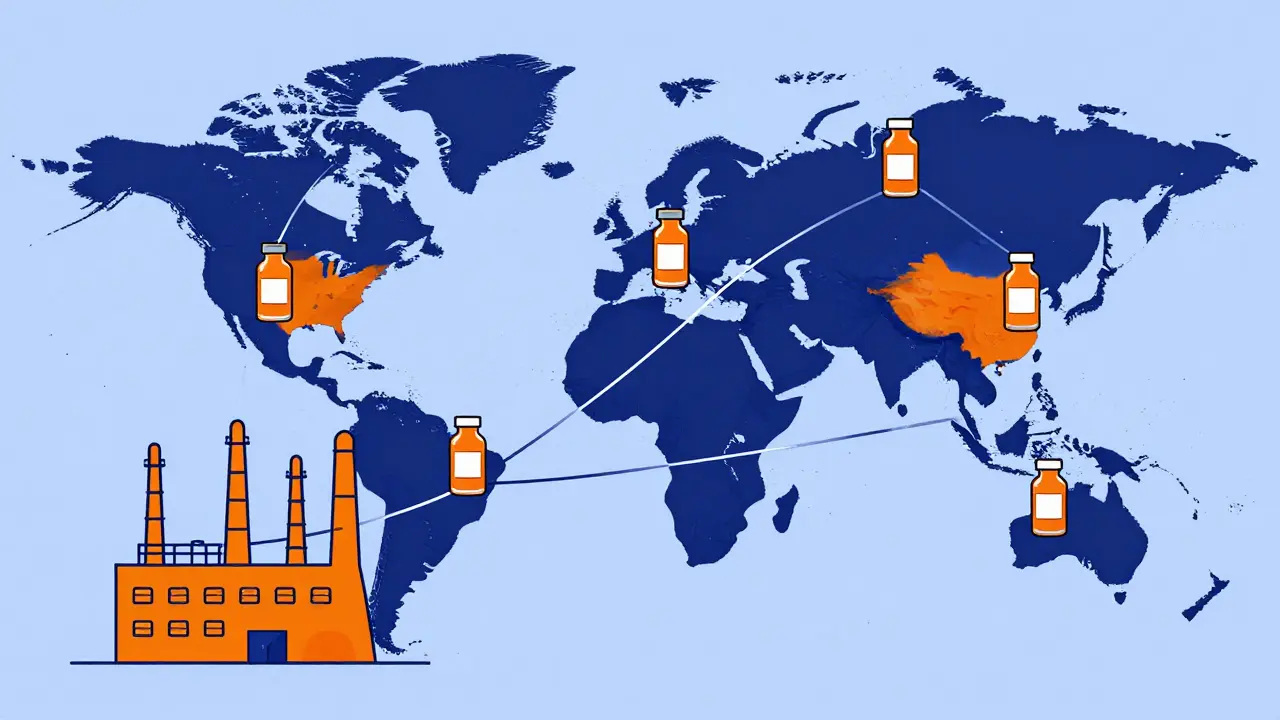
Our supply chain relies heavily on a few geographic hubs. India and China have become the world's pharmacies, driving the fastest growth in the Asia-Pacific region. While this has made medicine incredibly cheap, it has created a dangerous dependency. Most generic companies don't make the final pill; they buy the Active Pharmaceutical Ingredient, or API, from a handful of massive factories in Asia.
If a regional disaster or a policy change hits one of these API hubs, the ripple effect is felt globally. We see a paradoxical situation where we might have ten different "brands" of a generic drug on the shelf, but all ten are using the exact same raw material from one single factory in China. In reality, we don't have ten suppliers; we have one supplier and nine packaging companies.
Finding the "Goldilocks Zone" of Competition
So, how many makers are enough? If we have too many, the price crashes, companies go bankrupt, and supply vanishes. If we have too few, a single factory fire creates a national emergency. The European Medicines Agency has suggested a "goldilocks zone" of 4 to 6 manufacturers per essential medicine. This number is high enough to keep prices fair through competition, but low enough that each company can maintain a profitable margin to invest in quality and resilience.
Right now, we are far from that ideal. Analysis shows that about 35% of generic markets have fewer than three active makers, and some have only one. When the Inflation Reduction Act begins squeezing margins further in 2026, there is a real risk that more companies will simply walk away from low-profit drugs, leaving us with even more shortages.
Why do generic drug shortages happen if there are so many companies?
It's often because of market concentration. While there are many generic companies, many of them only package the drug. The actual manufacturing of the active ingredients (API) is often concentrated in just one or two factories globally. If one of those factories fails, every "brand" of that generic disappears from the shelves.
Does the price of generics always go down?
Not always. While prices usually crash after a patent expires, some older generics are actually seeing price increases. This happens because the drugs become so unprofitable that manufacturers stop making them, leaving only one or two players who can then raise prices due to the lack of competition.
Are biosimilars different from regular generics?
Yes. Regular generics are exact chemical copies. Biosimilars are copies of complex biological medicines made from living cells. They are much harder to produce and require more rigorous testing to prove they are "similar enough" to the original, which is why they have different regulatory paths and higher costs.
What happens if my generic medication is unavailable?
Your pharmacist or doctor may suggest a therapeutic alternative-a different drug in the same class that treats the condition similarly. In some cases, you might be switched back to the brand-name version, though this may increase your out-of-pocket costs depending on your insurance.
Can the government stop drug shortages?
They can try by incentivizing domestic manufacturing or creating "strategic reserves" of essential medicines. However, the core problem is economic; if the market price is too low for a company to safely and legally produce a drug, government mandates alone rarely solve the long-term supply issue.
What to do when your medication is missing
If you find yourself facing a shortage, don't panic, but be proactive. Start by asking your pharmacist if there is an alternative dosage or a different manufacturer that is still in stock. Sometimes a 40mg tablet is out, but two 20mg tablets are available.
If the pharmacy is totally dry, contact your doctor immediately. Don't wait until your last pill is gone. Your provider can often switch you to a different but equivalent medication (a therapeutic substitute) or provide samples from their office. In some regions, pharmacies can also search their networks to find a location that still has the drug in stock, though this depends on the pharmacy chain.