Bisphosphonate Routine & Interference Checker
Set your dose time to see your safety windows.
Quick Summary: The Golden Rules
- Take your medication first thing in the morning on a completely empty stomach.
- Use only plain water; avoid juice, coffee, or milk.
- Stay upright (sitting or standing) for at least 30 to 60 minutes.
- Wait at least 30 minutes before eating any food, especially dairy.
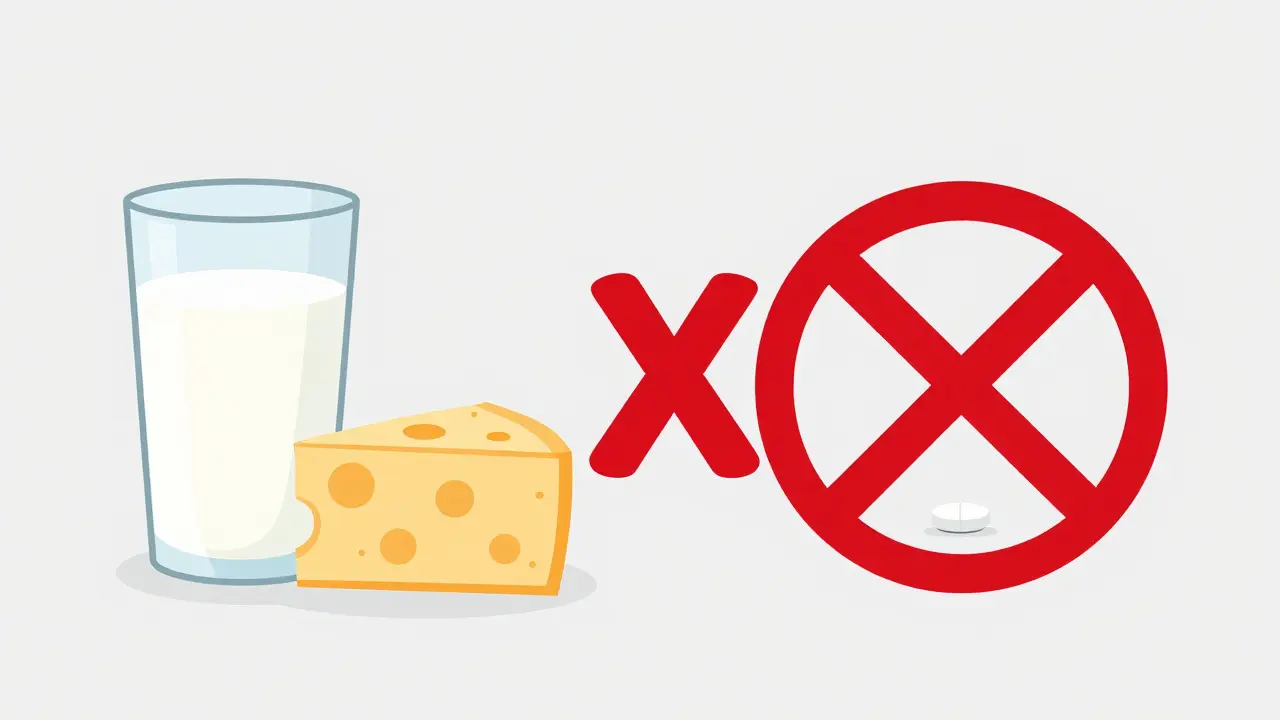
- Dairy and calcium-rich foods can block up to 90% of the drug's absorption.
Why Dairy Ruins Your Medication's Effectiveness
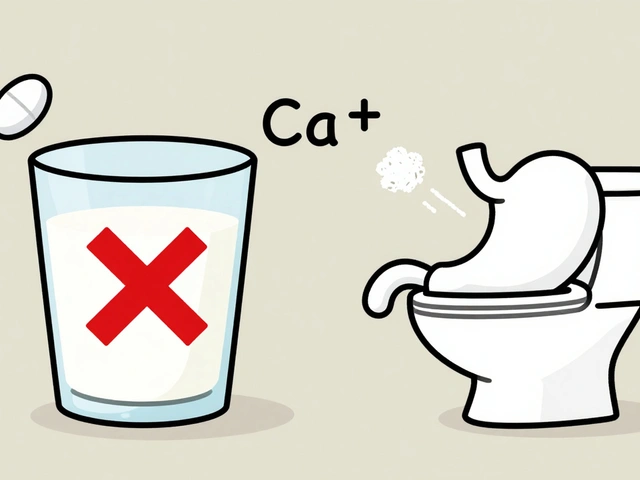
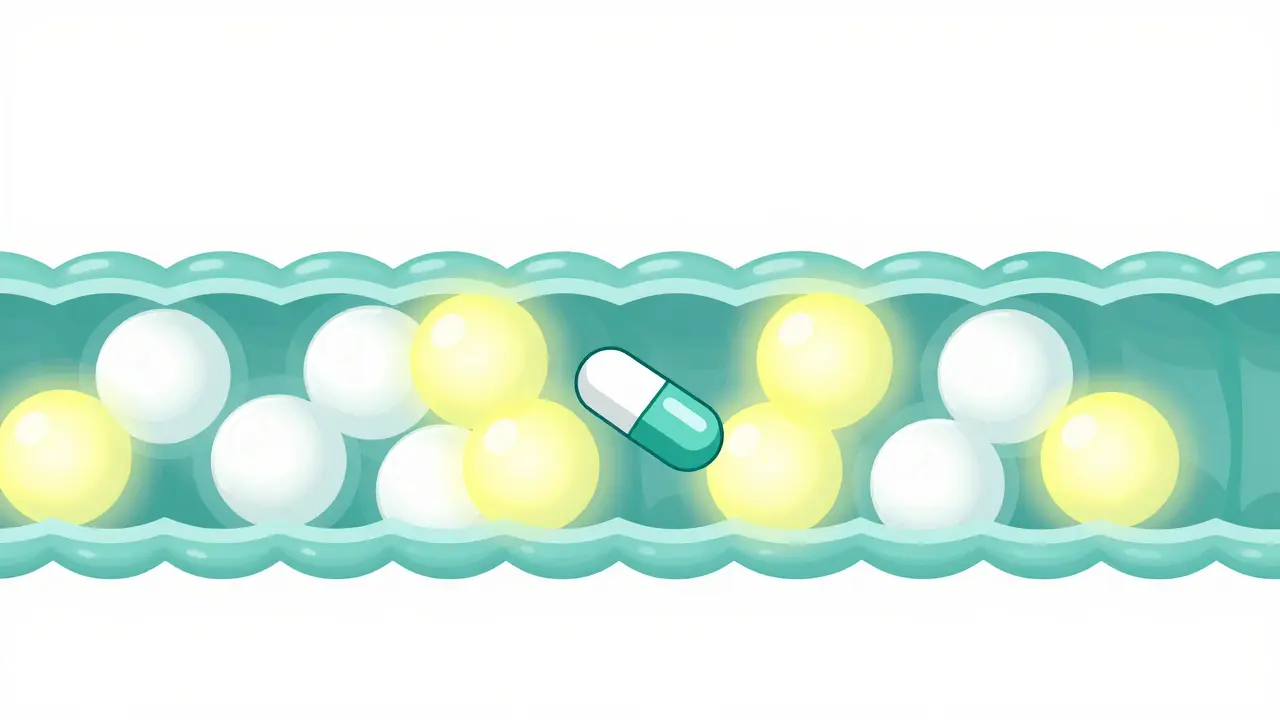
If you've ever wondered why your pharmacist was so insistent about the "no food" rule, it comes down to chemistry. Oral bisphosphonates have a notoriously low bioavailability. For example, Alendronate (commonly known as Fosamax) has an absolute oral bioavailability of only about 0.6% to 0.7%. This means your body already struggles to absorb the drug; adding food to the mix makes it almost impossible. Dairy products are rich in divalent cations-specifically calcium and magnesium. When these minerals meet a bisphosphonate in your gut, they bind together to form insoluble complexes. Essentially, the calcium "grabs" the medication and creates a clump that your body cannot absorb. Research shows that eating just 30 to 40 grams of cheese can bind up to 90mg of a 100mg dose of Risedronate (Actonel). In plain English: a few bites of cheddar can render your expensive medication almost entirely useless.The "Danger Zone": Foods and Drinks to Avoid
It's not just milk and yogurt that cause trouble. Any substance that changes the pH of your stomach or contains minerals can interfere with the drug. Many people make the mistake of taking their pill with orange juice, thinking the Vitamin C will help. In reality, the acidity and mineral content of orange juice can slash absorption by 50% to 60%. Common culprits include:- Dairy Products: Milk, cheese, yogurt, and butter.
- Calcium Supplements: Antacids or calcium tablets taken too close to your dose.
- Beverages: Coffee, tea, and fruit juices.
- High-Fiber Foods: Bran or whole-grain cereals, which can also bind to the medication.
| Food/Drink Item | Interfering Agent | Estimated Absorption Loss |
|---|---|---|
| Cheese (100g) | Calcium | Near 100% loss |
| Orange Juice | Acidity/Minerals | 50-60% loss |
| Bran/Egg Yolk | Divalent Cations | 80-90% loss |
Mastering the Morning Routine
Because the requirements are so strict, the best way to ensure your medication works is to build a bulletproof morning routine. Most patients who struggle with adherence find that a set schedule removes the guesswork. Here is the step-by-step protocol recommended by experts:- Wake up early: Set your alarm 60 minutes before you plan to eat breakfast.
- Water only: Take your pill with a full glass (6-8 ounces) of plain tap water. Do not use sparkling water or filtered water that is heavily mineralized.
- Stay upright: Do not lie back down. You must stay sitting or standing for at least 30 minutes. This is critical not only for absorption but to prevent the medication from irritating your esophagus.
- The Waiting Game: Wait at least 30 minutes (or up to 60 minutes for drugs like Ibandronate) before you touch any food or other medications.
What Happens if You Can't Follow the Rules?
Let's be honest: waking up at 6 AM and staring at a wall for 30 minutes isn't easy for everyone. If you find the fasting window impossible to maintain, you aren't alone. About 41% of users report these requirements as "very difficult," especially those over 65. If you consistently struggle with the timing, you might want to talk to your doctor about alternatives. There are injectable treatments, such as Denosumab (Prolia) or Teriparatide (Forteo), which bypass the digestive tract entirely. These options eliminate the food-interference problem. While they are significantly more expensive than generic bisphosphonates, they offer a much higher success rate for people who can't stick to a strict fasting schedule. There is also a newer delayed-release version of risedronate called Atelvia. While it's more flexible with food, you still have to be careful with calcium-rich dairy. Always check with your provider to see if a different formulation fits your lifestyle better.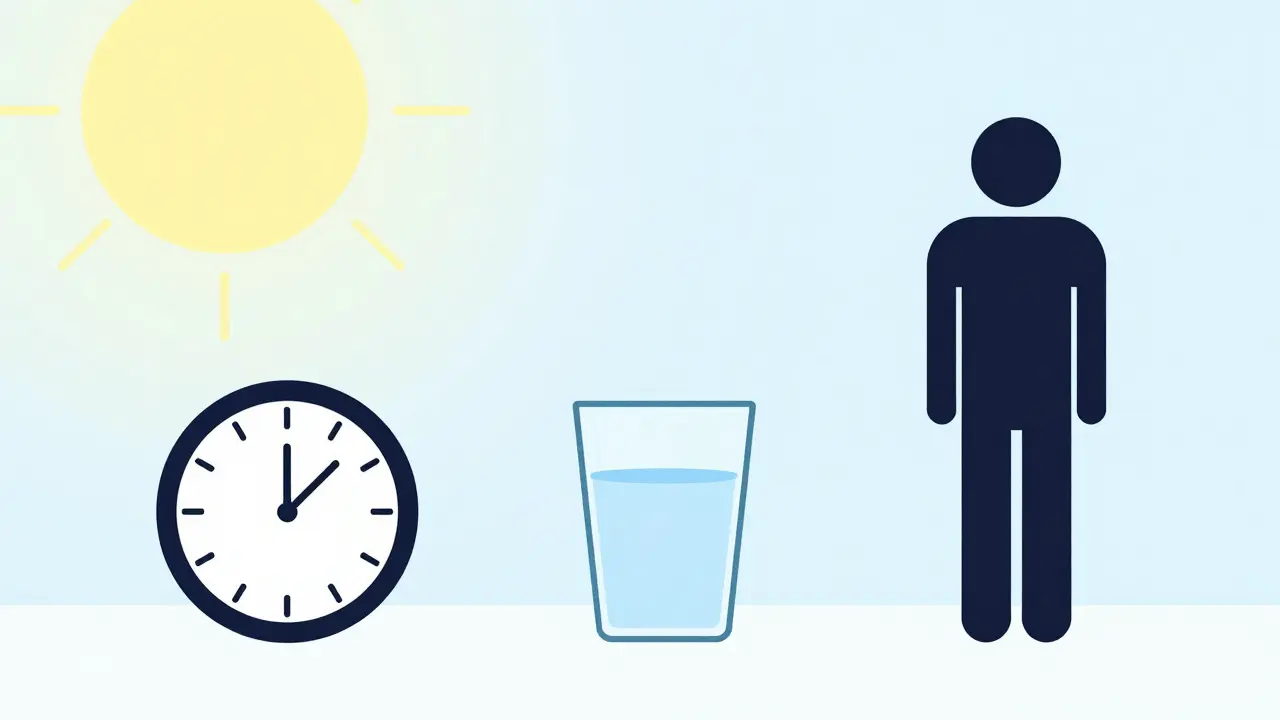
Common Pitfalls and How to Fix Them
One of the most frequent mistakes is taking a calcium supplement too close to the bisphosphonate. It seems counterintuitive-you're taking the medication for bone health, so you're also taking calcium. However, taking them at the same time cancels out the medication. Move your calcium supplements to the evening or at least four hours away from your dose. Another trap is the "healthy breakfast" mistake. A smoothie with Greek yogurt and almond milk is a nutritional powerhouse, but if you drink it 15 minutes after your pill, you've essentially wasted your dose. If you accidentally eat too soon, don't panic, but don't make it a habit. Consistency is what leads to the 40-70% reduction in fracture risk that these drugs promise.Can I take my medication with a splash of milk in my coffee?
No. Even a small amount of milk contains enough calcium to bind with the medication and stop it from being absorbed. You must wait at least 30 to 60 minutes after taking your pill before having any coffee with milk or cream.
What if I forget to wait and eat breakfast immediately?
While a single mistake won't ruin your entire treatment, doing this regularly will significantly lower the drug's effectiveness. If it happens, just be extra diligent with your next dose. If you find this happens often, consider asking your doctor about injectable alternatives.
Why do I have to stay upright for 30 minutes?
Bisphosphonates can be caustic to the lining of the esophagus. Staying upright uses gravity to ensure the pill moves quickly into the stomach, reducing the risk of esophageal irritation or ulcers.
Are all bisphosphonates affected by dairy in the same way?
Yes, the mechanism is similar across the class. Whether you are taking Alendronate, Risedronate, or Ibandronate, the presence of calcium and other divalent cations in the gut will interfere with absorption.
Can I take my vitamin D supplement at the same time?
It is best to separate all other medications and supplements from your bisphosphonate dose. Even if a supplement doesn't contain calcium, the guidelines recommend waiting at least 30 minutes to ensure maximum absorption of the bone medication.