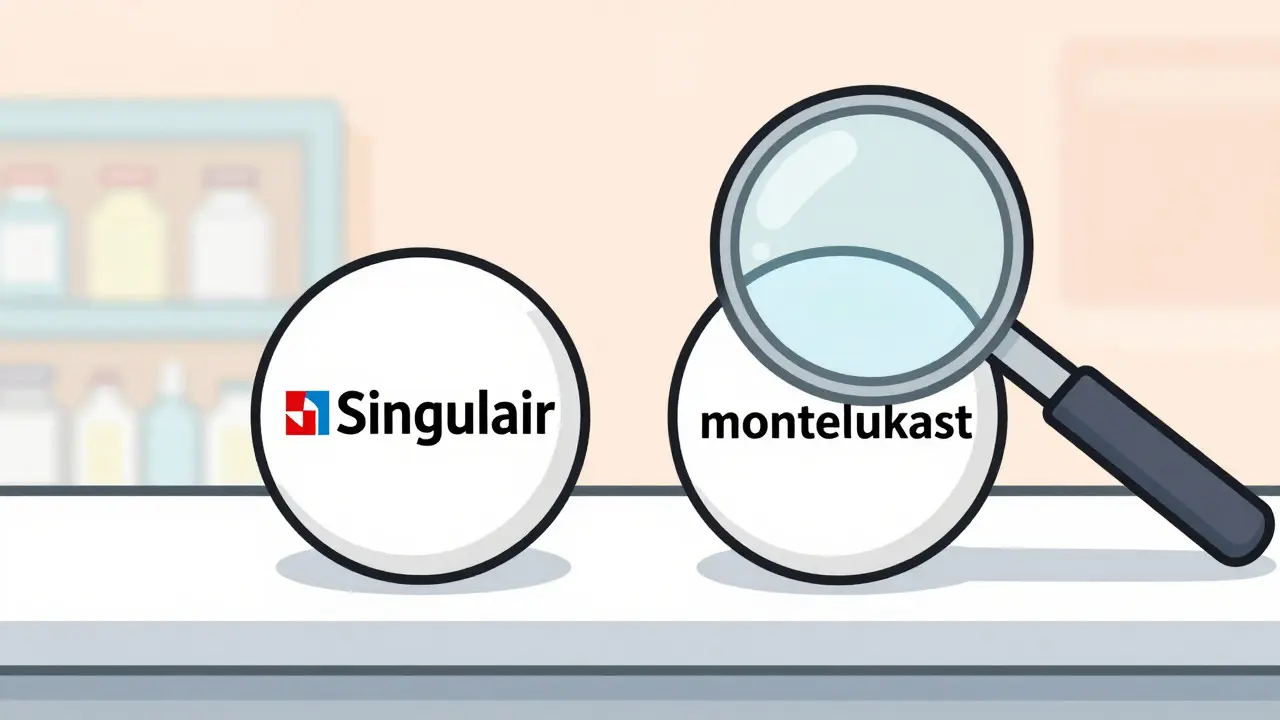
When you pick up a prescription, you might see a label that says "montelukast" instead of "Singulair"-and assume it’s just another generic. But not all generics are the same. There’s a big difference between an authorized generic and a traditional generic, and knowing that can save you money, avoid confusion, and even improve how well your medicine works.
What Exactly Is an Authorized Generic?
An authorized generic is the exact same pill, capsule, or liquid as the brand-name drug-same active ingredients, same inactive ingredients, same size, same color, same markings. The only difference? It doesn’t have the brand name on the label. For example, if you’re taking the brand-name drug Singulair (montelukast), the authorized generic is made by the same company, in the same factory, using the same recipe. It’s just sold under a different name-often cheaper. These aren’t copies. They’re the real thing, just unlabeled. The FDA calls them "the same drug product as the brand-name drug," and they’re manufactured under the original brand’s New Drug Application (NDA). That means they skip the usual generic approval process. No need to prove bioequivalence again-the FDA already approved the original. Because they’re identical, patients who’ve had bad experiences with traditional generics-like asthma sufferers who notice their inhaler doesn’t work as well-often switch to authorized generics and see immediate improvement.How Traditional Generics Are Different
Traditional generics, sometimes called "typical generics," are approved through a different route: the Abbreviated New Drug Application (ANDA). They must contain the same active ingredient, strength, and dosage form as the brand, but they can-and often do-have different inactive ingredients. Inactive ingredients? That’s the stuff that doesn’t treat your condition but helps the pill hold together, dissolve at the right time, or look a certain color. Think cornstarch, dyes, fillers, coatings. For most drugs, these small differences don’t matter. But for drugs with a narrow therapeutic index-like warfarin, levothyroxine, or some seizure medications-even tiny changes in how the drug is absorbed can lead to serious problems. That’s why some doctors and pharmacists are cautious about switching patients between different generic versions. Traditional generics are listed in the FDA’s Orange Book, which tells pharmacists which generics are considered therapeutically equivalent. Authorized generics? Not listed there. That’s a big deal for pharmacists trying to verify what they’re dispensing.Why the Difference Matters for You
If you’re paying out of pocket, price is the biggest factor. Authorized generics are often cheaper than the brand name, but sometimes they cost more than traditional generics because they’re still tied to the brand manufacturer’s pricing structure. But if you’ve ever switched from a brand to a generic and felt like the medicine didn’t work the same, you’re not imagining it. Some patients report changes in side effects, effectiveness, or how quickly the drug kicks in. These complaints are rare with authorized generics because the formula hasn’t changed. With traditional generics, it happens more often-especially with complex formulations like extended-release pills or inhalers. A 2023 study in Health Affairs found that authorized generics were most common in oral solid drugs-like pills and capsules-where consistency matters most. In fact, patients using authorized generics for asthma or COPD medications reported fewer flare-ups compared to those using traditional generics.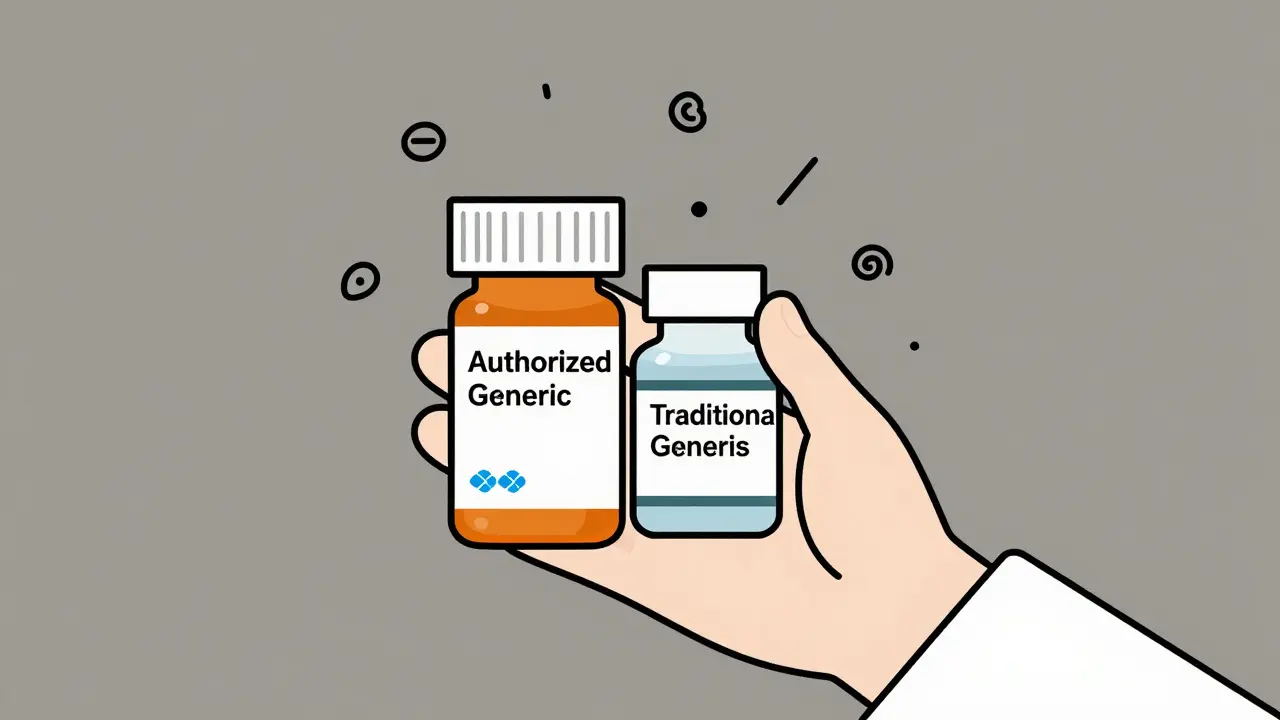
Market Timing and How Companies Use These Products
Brand-name drug makers don’t wait for patents to expire before launching generics. They can release an authorized generic even before the patent ends. Why? To beat competitors to market. Here’s how it works: a brand company waits until a traditional generic is approved, then releases its own version-identical to the brand, but cheaper. It’s not a trick. It’s a business move. The authorized generic undercuts the traditional generic, often forcing the first generic maker to drop prices or exit the market. Between 2010 and 2020, over 200 authorized generics hit the U.S. market. Most were for high-selling drugs where the brand company wanted to keep control of the supply chain. This strategy is especially common for drugs that cost more than $100 per month. Meanwhile, traditional generics are the backbone of the U.S. drug system. They make up about 90% of all prescriptions filled. But they’re not all created equal. One company’s version of metformin might dissolve faster than another’s. That’s why pharmacists sometimes get calls from patients asking, "Why does this one make me feel different?"What Pharmacists and Doctors Need to Know
Pharmacists can’t tell the difference just by looking at the pill. Authorized generics look just like the brand. The only way to know for sure is to check the manufacturer’s name on the bottle or ask the pharmacy’s system. Many patients don’t realize they’re getting an authorized generic. They assume all generics are the same. That’s a problem. If you’re switched from an authorized generic to a traditional one, you might notice a change in how you feel-even though both are "FDA approved." Doctors can help by writing "DAW" (dispense as written) on prescriptions if they want to avoid substitutions. But that’s not always practical. A better solution? Ask your pharmacist: "Is this an authorized generic?" The FDA doesn’t require pharmacies to disclose whether a generic is authorized or traditional. That’s a gap. Some pharmacies track it internally, but most don’t. If you care about consistency, don’t assume. Ask.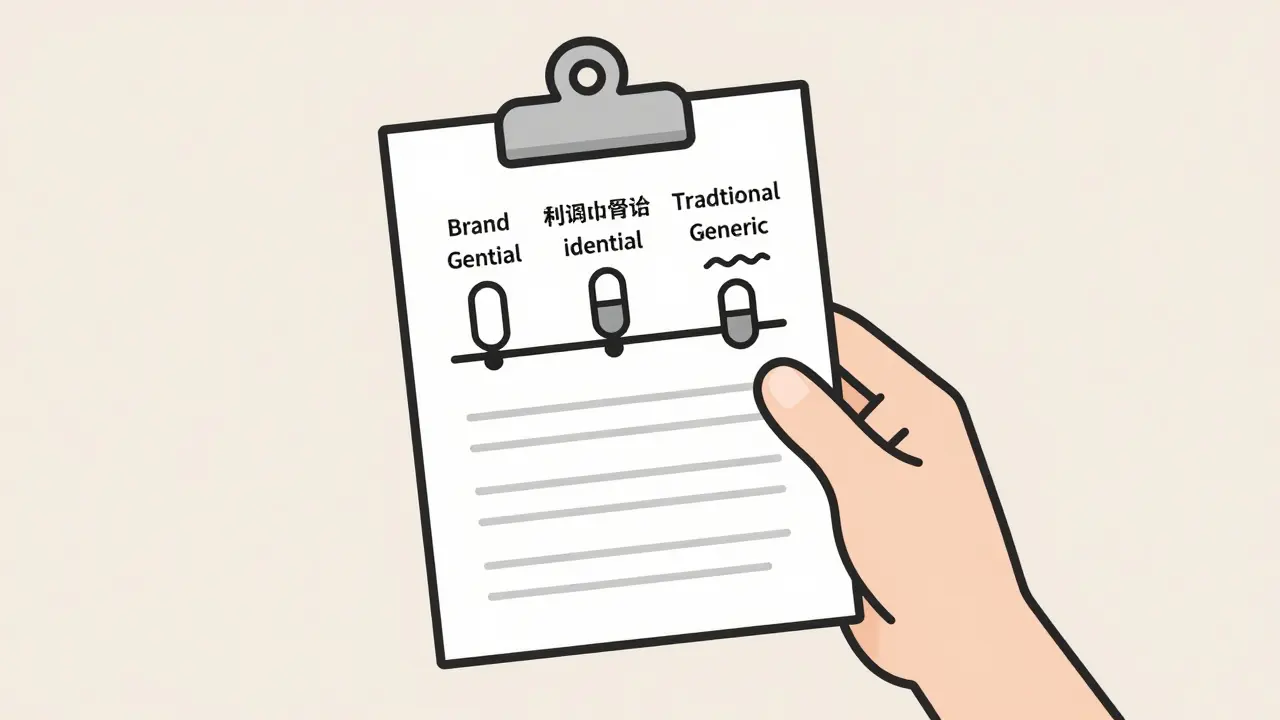
Insurance and Coverage: What’s Covered?
Insurance companies often prefer generics because they’re cheaper. But they don’t always distinguish between authorized and traditional. Many plans put both on the same tier, meaning you pay the same copay. Some insurers, however, have started to favor authorized generics for certain drugs-especially those with a history of patient complaints about traditional versions. For example, some Medicare Part D plans now list authorized montelukast as the preferred generic over traditional ones. The problem? Formularies (the lists of covered drugs) rarely specify which generic version is preferred. You might get an authorized generic one month, then a traditional one the next. If you’re sensitive to formulation changes, that’s risky.What to Do If You’re Concerned
If you’ve noticed changes in how your medication works after switching to a generic, here’s what to do:- Check the name of the manufacturer on the bottle. If it’s the same as the brand (e.g., Merck for Singulair), it’s likely an authorized generic.
- Ask your pharmacist: "Is this an authorized generic?" They can check the supplier code or contact the wholesaler.
- Keep a simple log: note when you switch generics and any changes in symptoms, side effects, or effectiveness.
- If you’re on a critical medication (like thyroid or seizure drugs), ask your doctor to write "do not substitute" on the prescription.
- Look up the FDA’s quarterly list of authorized generics. It’s not perfect, but it’s the best public source.
Final Thoughts: Which One Should You Choose?
There’s no one-size-fits-all answer. For most people, traditional generics are safe, effective, and affordable. But if you’ve had bad experiences with generics before-if your asthma worsened, your blood pressure became unstable, or you felt off after a switch-ask for an authorized generic. They’re not always cheaper, but they’re more predictable. And in medicine, predictability matters. The bottom line: not all generics are created equal. Authorized generics are the brand in disguise. Traditional generics are the imitators. Knowing the difference gives you real power over your health.Are authorized generics the same as the brand-name drug?
Yes. Authorized generics are identical to the brand-name drug in every way-same active and inactive ingredients, same manufacturer, same factory. The only difference is the label doesn’t have the brand name on it. They’re not copies. They’re the exact same product, just sold under a different name.
Why aren’t authorized generics listed in the FDA’s Orange Book?
Because they’re approved under the brand’s original New Drug Application (NDA), not through the generic Abbreviated New Drug Application (ANDA) process. The Orange Book only lists drugs approved under ANDAs. Authorized generics bypass that step entirely, so they don’t appear there-even though they’re therapeutically equivalent.
Can pharmacists substitute an authorized generic for a brand-name drug?
Yes, and they often do-without telling you. Since authorized generics aren’t listed in the Orange Book, pharmacists don’t always know they’re dispensing one. If your doctor wrote "dispense as written," the pharmacist must give you the exact drug prescribed. Otherwise, substitution is allowed, and you might get an authorized generic without realizing it.
Are authorized generics cheaper than traditional generics?
Sometimes, but not always. Authorized generics are often priced lower than the brand name, but they can be more expensive than traditional generics because they’re produced by the original brand company. Traditional generics compete with each other, driving prices down. Authorized generics don’t face that same competition, so their price depends on the brand’s strategy.
Should I always choose an authorized generic over a traditional one?
Not necessarily. For most drugs, traditional generics work just fine. But if you’ve had problems with generics before-like side effects, reduced effectiveness, or inconsistent results-ask for an authorized generic. They’re the safest choice for drugs with narrow therapeutic windows, like thyroid meds, blood thinners, or epilepsy drugs.
How can I tell if I’m getting an authorized generic?
Check the manufacturer name on the bottle. If it’s the same company that makes the brand-name drug (e.g., Pfizer for Lipitor), it’s likely an authorized generic. You can also ask your pharmacist directly. The FDA publishes a quarterly list of authorized generics, but it’s not always easy to find. When in doubt, ask.



11 Comments
Okay, but let’s be real-Big Pharma is just using "authorized generics" to trick you into thinking you’re getting a deal, when really they’re just keeping their monopoly alive by undercutting other generics with their own version. Same factory? Sure. But they’re still charging you more than they should. And don’t get me started on how pharmacies don’t even tell you which one you’re getting?! This is manipulation disguised as transparency!!!
Oh, please. In the UK, we don’t have this nonsense. We have generics, period. If your medicine doesn’t work, it’s because you’re overthinking it. Americans turn every pill into a conspiracy. The FDA approves these things-they’re not magic potions. Stop fetishizing brand names. You’re not special because you take "the real thing"-you’re just paying more for the same chemistry.
I’ve been on levothyroxine for 12 years. I switched from brand to generic-and my TSH went through the roof. Then I switched back to the authorized generic (same maker as Synthroid) and my energy came back. I’m not paranoid-I’m a survivor. If you’re on a narrow-window drug, don’t gamble. Ask for the authorized version. It’s not elitism. It’s self-preservation.
Thank you for this detailed breakdown. Many patients are unaware of the distinction between authorized and traditional generics, and this information is critical for those managing chronic conditions. The regulatory nuance here is often overlooked, but the clinical implications are significant. Pharmacists and prescribers should be better educated on this topic to ensure continuity of care.
LOL at people acting like authorized generics are some kind of luxury item 😂 You’re not getting a VIP pill, you’re getting the same damn tablet with a different label. If you feel different, maybe it’s your brain playing tricks on you. Also, if you’re spending $$$ on this, you’re doing it wrong. Go to GoodRx. Problem solved. 💸💊
It’s wild how much we’ve lost in trust when it comes to medicine. We used to just take what the pharmacist gave us-now we’re digging into manufacturer codes like detectives. But honestly? This whole system feels like it was designed to confuse people. Maybe the real solution isn’t figuring out which generic is which-but fixing the pricing and transparency so we don’t have to. We shouldn’t need a PhD to understand our own prescriptions.
Hey, I just want to say-you’re not alone if you’ve noticed a difference after switching generics. I had the same thing with my asthma inhaler. Felt like I was breathing through a straw. Then I asked my pharmacist-"Is this the authorized one?"-and they said yes. Everything went back to normal. Don’t be shy to ask. Your body knows. Trust it. And tell your doctor. We’ve got to speak up for our health!
My mom’s on warfarin and her INR spiked after a switch. We traced it to a new generic manufacturer. We now only accept the authorized version-same as Coumadin. It’s not about being picky. It’s about safety. If your doctor doesn’t know this, educate them. It’s a simple question: "Is this authorized?"
OMG I just realized I’ve been getting the authorized generic for my antidepressant and I didn’t even know!! No wonder I’ve been feeling stable lately 😭 I thought it was just the weather. I’m gonna start asking for it every time. PS: my pharmacist rolled her eyes but gave me the info. We need a sticker or something!!
What’s the source for the 2023 Health Affairs study? I’d love to read it. Also, is there a public database where you can check if a specific generic is authorized? I’ve been looking and can’t find a reliable one.
just wanted to say-i got switched from my authorized generic to some random generic last month and my migraines came back like a freight train. i asked the pharmacy and they were like "oh yeah we switched" like it was no big deal. i was so mad. if you feel different after a switch-don’t brush it off. go back. ask. demand the same one. your body remembers.