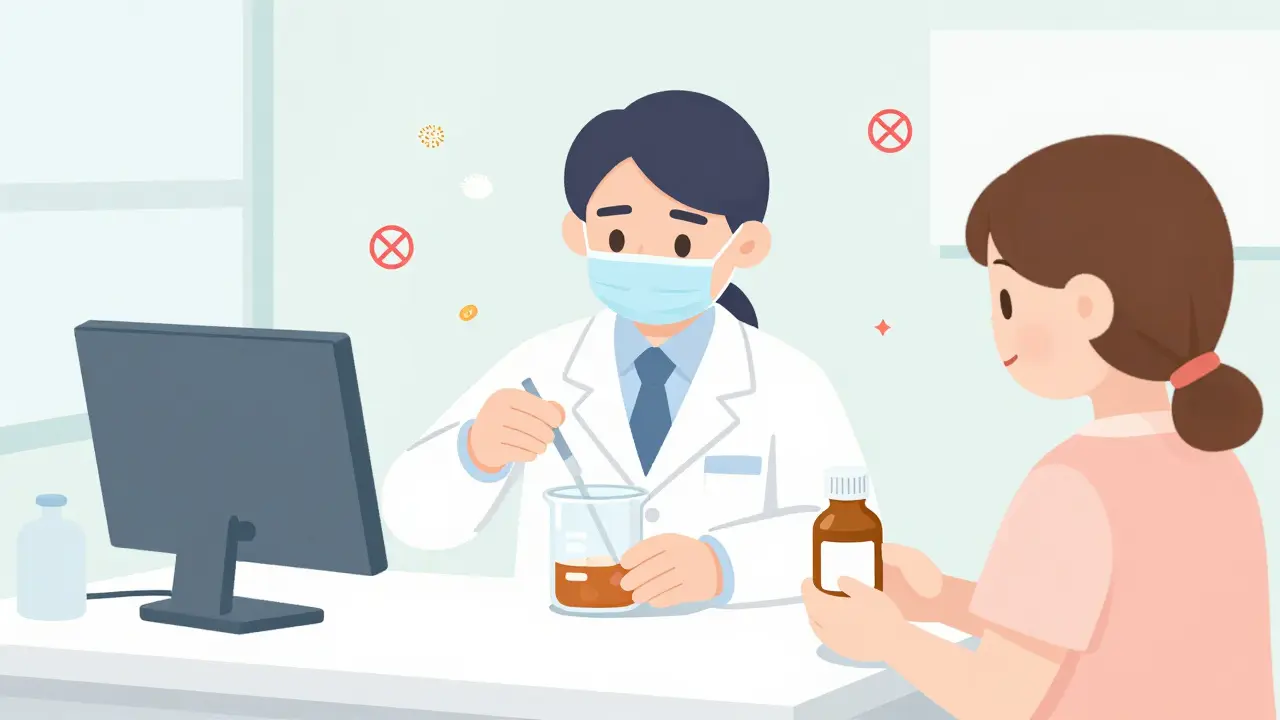
When a standard pill just won’t work-because you’re allergic to the dye, can’t swallow tablets, or need a dose that doesn’t exist-compounded medications step in. These aren’t mass-produced drugs you find at your local pharmacy. They’re made by hand, one at a time, by specialized pharmacists who mix ingredients to match exactly what your body needs. For some people, this isn’t a luxury-it’s the only way to take their medicine safely and effectively.
Why Standard Drugs Don’t Always Work
Most medications you get at the pharmacy come in fixed doses: 10mg, 25mg, 50mg. But what if you need 12.5mg? Or your child throws up every time they swallow a pill? Or you’re allergic to gluten, lactose, or artificial colors that are baked into the tablet? These aren’t rare problems. About 15 million Americans have allergies to common inactive ingredients in pills. Up to 80% of kids struggle to swallow tablets. And nearly 70% of older adults on multiple medications have trouble absorbing drugs through their stomachs. That’s where compounding changes everything. Instead of forcing a patient to adapt to the drug, the drug adapts to the patient. A pharmacist can turn a pill into a flavored liquid, a skin cream, a suppository, or even a lozenge. They can remove allergens. They can combine five daily pills into one easy dose. For a child with ADHD, a cherry-flavored liquid can boost adherence from 40% to 95%. For an elderly patient with digestive issues, a transdermal gel bypasses the gut entirely.How Compounding Works
It starts with a doctor. Not a pharmacist. Not an online clinic. A licensed provider-like a physician or nurse practitioner-must identify that a commercially available drug won’t work for the patient. Then they write a prescription that says exactly what’s needed: the active ingredient, the dose, the form, and any exclusions (like “no lactose” or “no alcohol”). The prescription goes to a compounding pharmacy. These aren’t your average drugstores. They have clean rooms, precision scales, and pharmacists trained in formulation science. They don’t just mix powders. They test stability, check potency, and follow strict guidelines like USP Chapter <795> for non-sterile compounds and <797> for sterile ones. A hormone cream for a woman with estrogen sensitivity? That’s made in a controlled environment with verified ingredient purity. A pain cream with three different medications? That’s carefully balanced so it doesn’t irritate the skin or cause side effects. The process takes time. A simple compound might take a day. A sterile IV bag? That can take several hours and requires multiple quality checks. And it’s not cheap. A basic compounded liquid might cost $40-double the price of a generic pill. Sterile compounds can run $300 or more. Insurance rarely covers it fully. Medicare pays for less than half of compounded prescriptions.When Compounding Makes Sense
There are three big areas where compounded drugs are essential:- Hormone therapy: Bioidentical hormones need precise ratios tailored to each person’s levels. Commercial products don’t offer that flexibility.
- Pain management: Topical creams with ketamine, gabapentin, and lidocaine can target nerve pain without the drowsiness or addiction risk of oral opioids.
- Veterinary care: Dogs and cats can’t swallow human pills. Compounded flavors and smaller doses save lives.
The Risks You Can’t Ignore
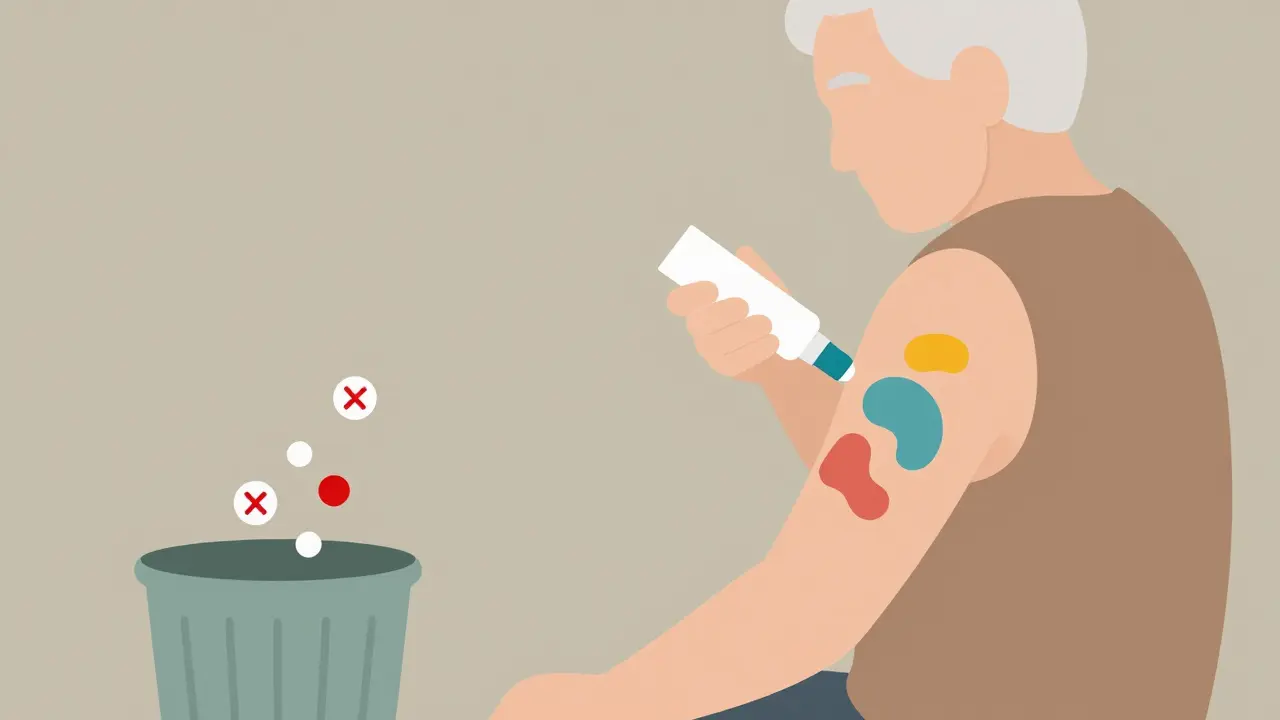
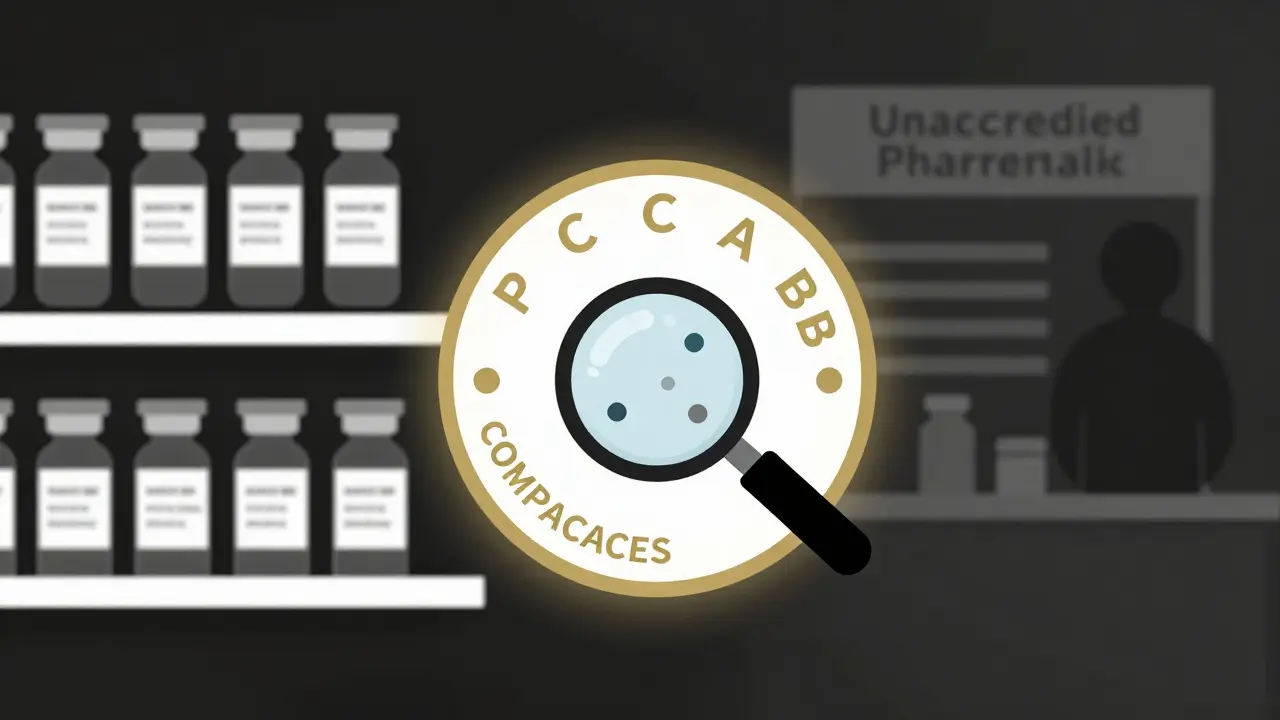
Compounding isn’t risk-free. Unlike FDA-approved drugs, these aren’t tested for safety or effectiveness before they’re sold. The FDA doesn’t approve them. That means quality depends entirely on the pharmacy. In 2012, a compounding pharmacy in Massachusetts shipped contaminated steroid injections. 798 people got fungal meningitis. 64 died. It was a wake-up call. Since then, the FDA has cracked down. But problems still happen. Between 2010 and 2020, compounded drugs made up just 1% of prescriptions but caused 17% of drug recalls. One patient on Reddit reported their compounded thyroid med had wildly different strengths between batches-sending their TSH levels into chaos. The difference between safe and dangerous often comes down to accreditation. Only about 350 of the 7,500 compounding pharmacies in the U.S. are accredited by the Pharmacy Compounding Accreditation Board (PCAB). That means they’ve passed strict audits on cleanliness, training, and record-keeping. If you’re getting a compounded drug, ask: “Is your pharmacy PCAB-accredited?” If they don’t know what you’re talking about, walk away.How to Find a Safe Compounding Pharmacy
Don’t just pick the first one you find online. Here’s how to choose wisely:- Ask your doctor for a referral. They know which pharmacists have experience with your condition.
- Check the PCAB website. Only pharmacies listed there meet national standards.
- Call the pharmacy. Ask if they test each batch for potency and purity. Ask if they use USP standards. If they hesitate, that’s a red flag.
- Look at reviews. Specialty compounding pharmacies average 4.6 stars on Healthgrades. General pharmacies offering compounding? Around 3.8. The gap is real.
What’s Changing in 2026
The FDA is now actively targeting pharmacies that compound weight-loss drugs like semaglutide in large batches, calling it “manufacturing in disguise.” They’re warning pharmacies that can’t prove each batch meets quality standards. At the same time, new tech is emerging. Some pharmacies are starting to use genetic testing to tailor doses based on how a person metabolizes drugs. One clinic reported 30% better outcomes in patients with CYP2D6 gene variants after switching to genetically-informed compounds. But experts agree: compounding should be the exception, not the rule. If a commercial drug works, use it. It’s tested, regulated, and consistent. Compounding is for the cases where there’s no other option.Final Thoughts
Compounded medications aren’t magic. They’re a tool-powerful, precise, and sometimes lifesaving. But they come with responsibility. For patients, that means asking questions, demanding proof of quality, and never accepting a custom drug without a proper prescription. For providers, it means knowing when to refer. For pharmacists, it means upholding the highest standards, because someone’s health depends on it. If your current meds aren’t working-not because they’re ineffective, but because your body won’t tolerate them-compounding might be the answer. Just make sure you’re getting it from someone who knows exactly what they’re doing.Are compounded medications FDA-approved?
No. Compounded medications are not FDA-approved. The FDA does not review them for safety, effectiveness, or quality before they’re dispensed. That’s why it’s critical to use only accredited compounding pharmacies that follow strict standards like USP <795> and <797>. FDA approval applies only to mass-produced drugs, not custom-made ones.
Can I get compounded medications without a prescription?
No. Federal law requires a valid prescription from a licensed provider-like a doctor, nurse practitioner, or dentist-for any compounded medication. Any pharmacy offering custom formulas without a prescription is operating illegally and poses serious safety risks.
How much do compounded medications cost?
Costs vary widely. Simple non-sterile compounds like flavored liquids or topical creams usually range from $30 to $100. Sterile compounds-like IV bags or injections-can cost $200 to $500 due to specialized equipment and testing. Compare that to generic pills, which often cost $10-$50. Insurance coverage is inconsistent; Medicare covers only about 42% of compounded claims.
How do I know if my compounding pharmacy is safe?
Look for PCAB accreditation. Only about 350 of the 7,500 compounding pharmacies in the U.S. have it. PCAB-accredited pharmacies undergo regular audits for cleanliness, staff training, ingredient sourcing, and batch testing. Ask the pharmacy if they’re accredited-and if they don’t know what PCAB is, find another one.
Can compounded drugs be used instead of FDA-approved ones?
No. Compounded medications are meant for cases where FDA-approved drugs aren’t suitable-due to allergies, dosage needs, or delivery issues. They’re not cheaper, safer, or better alternatives when a commercial option exists. The FDA explicitly warns against using compounding as a substitute for approved drugs.



8 Comments
My grandma uses compounded thyroid meds and it saved her life. She couldn't swallow pills and the regular ones made her sick. The pharmacy made her a liquid with no gluten or dye. She takes it with apple juice now and feels like a new person. Just make sure the pharmacy is legit.
Compounding is basically magic… 🧪✨… but also terrifying?? Like, imagine your hormone cream has 3x the dose because someone sneezed near the scale?? I get it, personalized medicine is the future… but also… WHY ISN’T THE FDA ON THIS?? 😭
Unregulated. Untested. Unacceptable.
Hey everyone, if you’re even thinking about going the compounded route, PLEASE ask your doctor for a PCAB-accredited pharmacy referral. I used to think ‘local pharmacy’ was fine-until my cousin got a batch with wrong potency and ended up in the ER. Don’t be like my cousin. Call the pharmacy. Ask about batch testing. Ask if they use USP standards. If they give you a blank stare, walk out. Your health isn’t a gamble.
I appreciate the balance in this post. Compounding isn’t perfect, but for people who have no other options, it’s a lifeline. The key is awareness-not fear. Knowing what to ask for makes all the difference. I wish more doctors talked about this with patients instead of just prescribing the same pills over and over.
so like… the FDA lets these sketchy labs make drugs but gets mad when you buy weed online?? 🤡 the system is broken. also, ‘PCAB accredited’ sounds like a cult. ask your pharmacist if they’ve seen ‘The Dark Crystal.’ if they say yes, you’re good to go.
LOL people act like compounding is some miracle cure. 17% of drug recalls? 64 DEAD from one batch? And you’re still okay with this?? You’re not ‘personalizing’ medicine-you’re playing Russian roulette with your thyroid. If you can’t afford the real drug, get on assistance programs. Don’t gamble with a guy in a lab coat who ‘mixes stuff.’
Why do Americans keep outsourcing their healthcare to some guy in a basement with a scale? In Germany, they just make the damn pill the right size. No compounding. No chaos. Just science. We need regulation, not DIY pharmacy culture.