GLP-1 agonists like Ozempic and Wegovy are transforming obesity treatment by delivering significant weight loss and heart benefits beyond diabetes control. Learn how they work, who benefits most, and what to expect with side effects and cost.
Read MoreWegovy: What It Is, How It Works, and What You Need to Know
When you hear Wegovy, a once-weekly injectable medication approved for chronic weight management in adults. Also known as semaglutide, it’s one of the most studied weight loss drugs in recent years — not because it’s a miracle, but because it actually works for people who’ve struggled with traditional diets. Unlike older appetite suppressants, Wegovy doesn’t just make you feel full faster. It talks directly to your brain’s hunger centers, using a hormone your body already makes — GLP-1 — to slow digestion, reduce cravings, and help you eat less without constant willpower battles.
Wegovy isn’t for everyone. It’s meant for adults with obesity or overweight who also have weight-related health issues like high blood pressure, type 2 diabetes, or sleep apnea. The FDA approved it based on clinical trials where users lost an average of 15% of their body weight over 68 weeks — that’s over 30 pounds for someone weighing 200. But results vary. Some lose more, some less. What’s consistent is that people who stick with it, combine it with lifestyle changes, and don’t skip doses see the best outcomes. It’s not a quick fix. It’s a tool — and like any tool, its value depends on how you use it.
Wegovy belongs to a class of drugs called GLP-1 receptor agonists. That’s a mouthful, but it just means it mimics a natural hormone your gut releases after eating. This same hormone is why you feel satisfied after a meal. Wegovy boosts that signal, making you feel full longer and reducing the urge to snack between meals. It also delays stomach emptying, so food stays in your system longer — another reason you don’t feel hungry as often. These effects are why many users report fewer food cravings, especially for sugary or high-fat foods.
Side effects are common, especially at first. Nausea, vomiting, diarrhea, and constipation are the most frequent complaints. Most people get used to them within a few weeks. But some risks are serious: pancreatitis, gallbladder problems, and possible thyroid tumors (seen in animal studies, not confirmed in humans). If you have a personal or family history of medullary thyroid cancer or Multiple Endocrine Neoplasia syndrome, you shouldn’t use it. Always talk to your doctor before starting — and never share your prescription.
Wegovy costs a lot out of pocket — often over $1,300 a month — but insurance coverage is improving. Many insurers now cover it if you meet their criteria for obesity-related conditions. Some patients use pharmacy discount programs or patient assistance plans to lower the price. It’s also worth noting: once you stop taking it, most people regain the weight. That’s not a failure. It’s biology. Your body fights to return to its old set point. That’s why long-term management — not just the drug — is key.
There’s a lot of noise around weight loss drugs these days. But Wegovy isn’t just another trend. It’s backed by real science, real data, and real people who’ve changed their health. The posts below cover what you won’t hear in ads: how it interacts with other medications, what to expect during the first month, how it affects blood sugar in people with diabetes, and what alternatives exist if it doesn’t work for you. You’ll find practical advice from users, doctors, and pharmacists — no fluff, no hype, just what you need to know before you start.
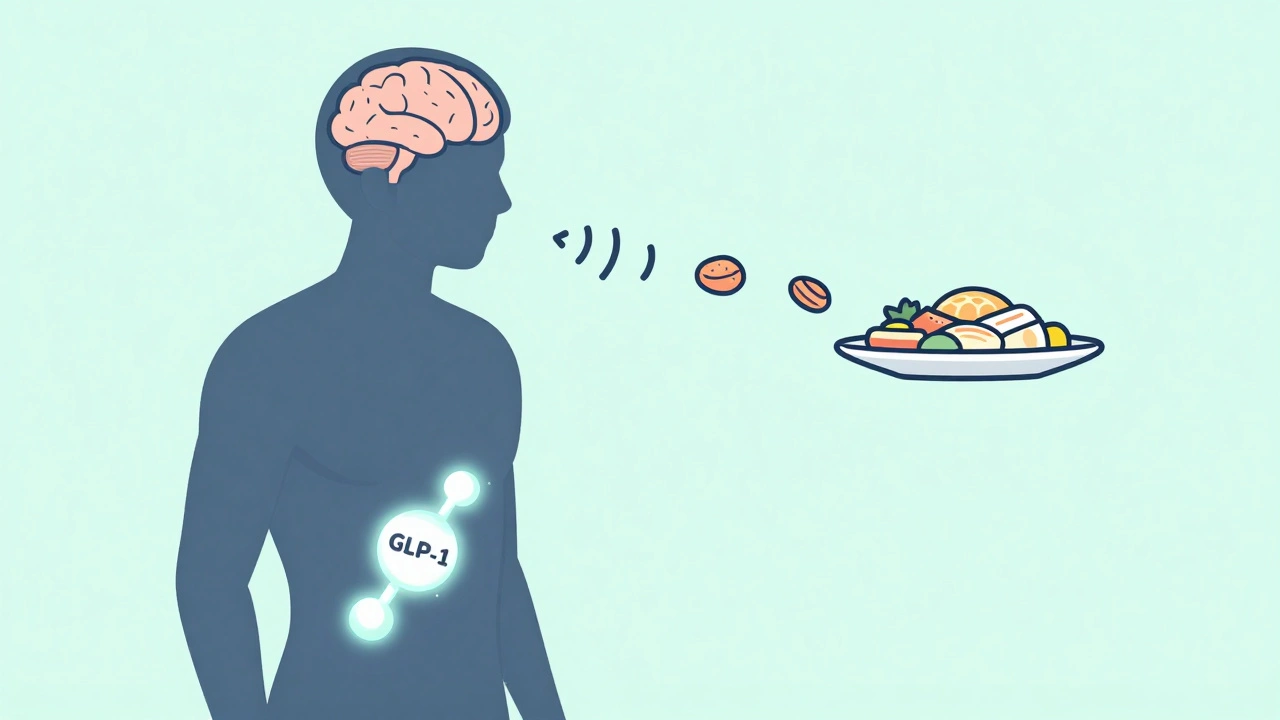
GLP-1 Agonists and Weight Loss: How These Diabetes Drugs Are Changing Obesity Treatment
Archive
Categories
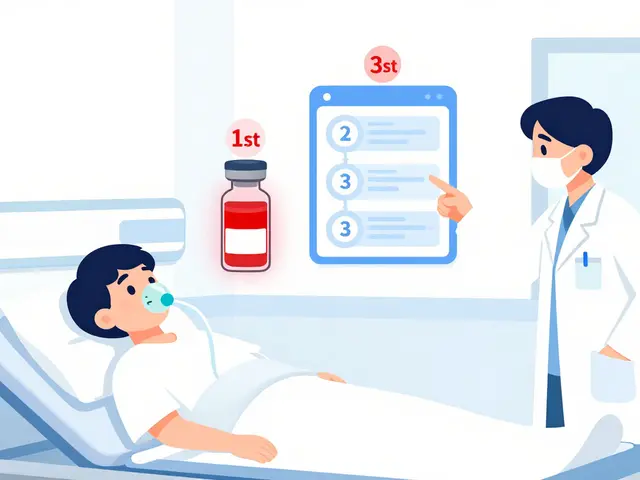
How to Prioritize Replacements for Expired Critical Medications
When critical medications expire, delays or wrong substitutions can endanger lives. Learn how to prioritize safe, evidence-based replacements using tiered protocols, pharmacist input, and real-time monitoring to protect patients.
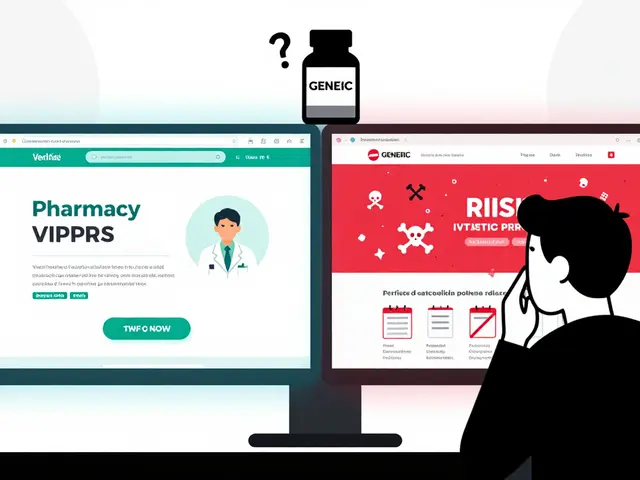
Online Pharmacies and Generics: How to Spot Safe vs. Dangerous Sites
Learn how to identify safe online pharmacies and avoid counterfeit generics. Discover the key signs of legitimacy, real risks from fake meds, and trusted alternatives to protect your health.
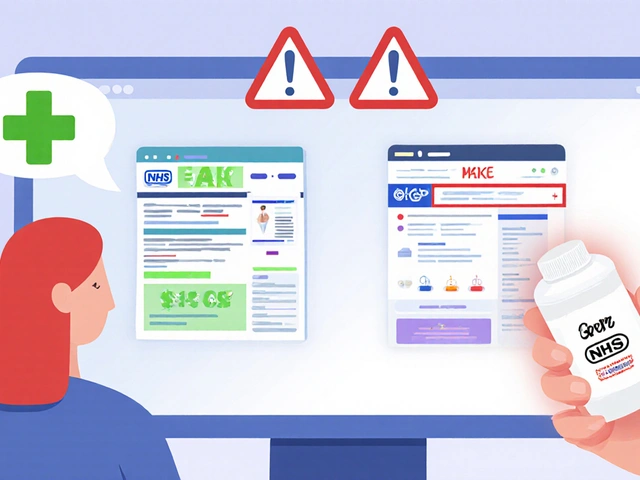
How and Where to Buy Dapasmart Online Safely
Learn how to safely buy Dapasmart online in the UK with a prescription. Avoid fake websites, know the legal options, and spot counterfeit pills before it's too late.

Managing Healthcare Resources During Novel Influenza Outbreaks
Learn how novel influenza strains strain hospitals and discover practical steps to manage beds, staff, PPE, and vaccines during outbreaks.

Environmental Triggers Behind Fungal Skin Discoloration
Explore how humidity, temperature, sweat, clothing, UV light and other environmental factors fuel fungal skin discoloration and learn practical prevention tips.