Learn how to track antidepressant effectiveness and side effects using proven tools like PHQ-9, ASEC, and therapeutic drug monitoring. Patient-led strategies can improve outcomes when combined with clinical care.
Read MoreUnderstanding Side Effects: Keep Your Medication Safe and Effective
Side effects are a common part of taking any medication, but that doesn't mean you have to just accept them. It's important to know what side effects might pop up, how serious they could be, and ways to handle them without tossing out your treatment plan. Whether you're managing blood pressure, fighting allergies, or treating chronic issues, getting a grip on side effects lets you take control of your health instead of letting symptoms catch you off guard.
Medications work by affecting how your body functions, but since bodies are complex, some unintended reactions can happen. Side effects may be as simple as a mild headache or upset stomach, or as serious as allergic reactions or changes in heart rhythm. Knowing which is which helps you decide when to call your doctor or just watch and wait.
Spotting Side Effects Early Makes a Big Difference
Pay attention to how you feel when starting new meds. Start with reading the leaflet that comes with your prescription for side effects to expect. For instance, some blood pressure meds like Metoprolol (Toprol) can cause tiredness or dizziness. If you notice these, don't ignore them; talk to your provider about adjusting dosage or timing to lessen these issues. For drugs like Omeprazole (Prilosec), side effects may include headaches or digestive changes, often easing with time.
Not all side effects happen immediately. Sometimes they develop after weeks or months, so keep track of any new symptoms and share them during check-ups. This ongoing monitoring is especially key with long-term treatments to avoid bigger problems down the road.
Managing Side Effects Without Sacrificing Treatment
If side effects become bothersome, look for practical fixes first. Simple changes like taking medication with food can reduce nausea, or splitting a dose might curb dizziness. Lifestyle tweaks such as proper hydration, avoiding alcohol, or adjusting activity levels can also help manage symptoms.
Never stop or change your medication without talking to a healthcare professional. Some alternatives or supportive treatments can reduce side effects while keeping the main medicine effective. For example, if a certain drug triggers skin issues like redness or burning (seen sometimes in rosacea or sunburn overlaps), your doctor might suggest specific skin remedies alongside your prescription.
Remember, medication is just one part of your health puzzle. Combining smart drug use with lifestyle and diet can minimize side effects’ impact and boost your overall treatment success.
At US Pharma Hub, we want you to stay informed and safe. Explore our resources and articles that give you the lowdown on medication side effects and practical advice. Taking control of how meds affect you starts with knowledge—so you can feel confident about your health choices.
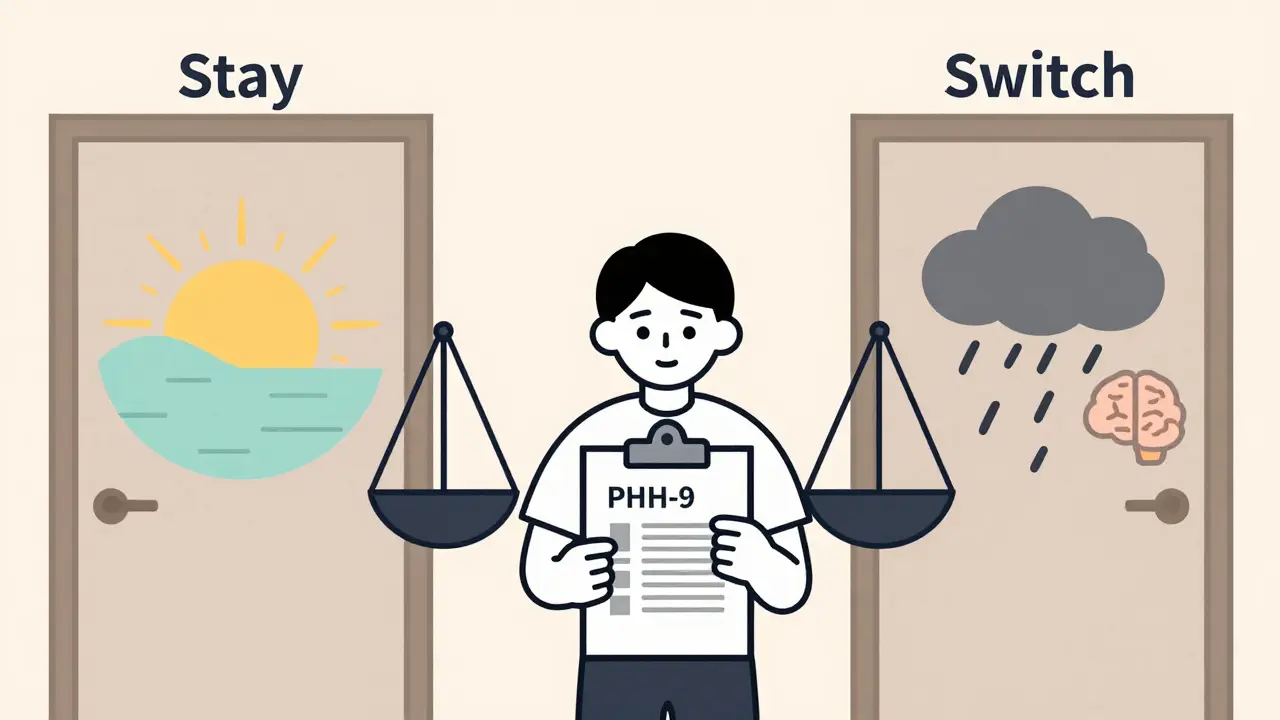
Monitoring Antidepressant Efficacy vs Side Effect Burden: Patient Strategies

Tenormin (Atenolol) Guide: Uses, Dosage, Side Effects & Safety
Discover what Tenormin is, how it works, proper dosing, common side effects, and safety tips. Clear, practical advice for anyone prescribed this beta‑blocker.
Read More
Managing and Preventing Side Effects of Isotretinoin
Isotretinoin is a powerful acne treatment but can come with a slew of side effects. This article explores practical ways to manage and prevent these effects, helping users navigate their treatment with confidence. Learn about dietary adjustments, skincare routines, and lifestyle changes that can mitigate potential issues. Understand when to consult your doctor and how to recognize serious side effects. Empower yourself with the right knowledge to balance treatment success with minimized discomfort.
Read MoreArchive
Categories

Antiemetics and QT Prolongation: Ondansetron Risks and Safe Use
Ondansetron can cause dangerous QT prolongation, especially with IV use. Learn which patients are at risk, how to use it safely, and safer alternatives like palonosetron and dexamethasone.
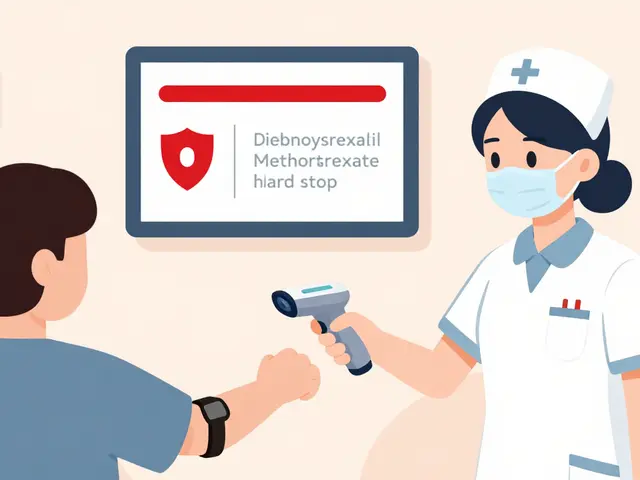
Navigating Medication Safety in Hospitals and Clinics: Essential Practices to Prevent Errors
Medication errors cause thousands of preventable deaths each year. Learn how hospitals and clinics are using proven safety practices-like hard stops, barcode scanning, and double-checks-to protect patients and reduce harm.

Breastfeeding and Medications: What You Need to Know About Drug Transfer Through Breast Milk
Most medications are safe while breastfeeding. Learn how drugs transfer into breast milk, which ones are safest, and how to time doses to protect your baby-backed by the latest research from LactMed and Hale’s guide.

Identifying the Cause of a Burning Sensation: Why It Matters
Experiencing a burning sensation can be uncomfortable and concerning. Identifying its cause is crucial to finding the right treatment. From spicy foods to more serious health conditions like nerve damage or infections, understanding what triggers the sensation can lead to effective relief. This article explores common causes, offers practical tips, and helps readers decide when it's time to see a doctor. Learn how to address this symptom for better wellbeing.

How to Get U.S. Pharmacies to Beat Canadian Drug Prices: Price Match, Coupons & Insider Tips
Prescription costs in the U.S. can feel brutal, driving people to hunt for meds from Canada. But did you know you can often make American pharmacies drop their prices below popular Canadian outlets using price match secrets and coupon stacking? This article digs deep into negotiation tactics, how to use price matches, and which coupons really move the needle. Plus, get the inside scoop on reliable pharmacy alternatives that make saving even easier. Real-world examples, clear steps, and behind-the-scenes strategies for fighting high pharmacy prices in 2025.