Learn how to tell shingles apart from the flu, recognize key symptoms, understand risks, and know when to seek treatment or vaccinate.
Read MoreShingles: What It Is, Who Gets It, and How to Stop It
When talking about shingles, a painful skin rash caused by the reactivation of the chickenpox virus that usually shows up later in life. Also known as herpes zoster, it isn’t just a rash – it can lead to lingering nerve pain and other complications. The virus behind it, varicella‑zoster virus, first gives you chickenpox and then hides in nerve cells, waiting for a chance to flare up again. In simple terms, shingles = VZV reawakening + skin eruption + possible nerve damage.
Why Some People See Shingles and Others Don’t
Age is the biggest trigger; once you hit your 50s, your immune system isn’t as sharp, and the dormant virus can break free. Immunosuppressed folks – those on chemo, steroids, or with HIV – also face a higher risk. The good news is vaccination can cut the odds dramatically. The Shingrix vaccine, a non‑live, adjuvanted shot given in two doses is now the gold standard, showing over 90% effectiveness in preventing both shingles and the dreaded post‑herpetic neuralgia (PHN). Speaking of PHN, that’s the chronic nerve pain that can linger months after the rash fades, and it’s the most common long‑term fallout. So, the chain looks like this: older age → weaker immunity → VZV reactivation → shingles → risk of PHN, unless you get vaccinated.
If shingles does appear, antiviral meds like acyclovir, valacyclovir, or famciclovir are the first line of defense. Starting treatment within 72 hours can speed healing, lessen pain, and lower the chance of PHN. Over‑the‑counter pain relievers, topical patches, and even nerve‑targeting drugs such as gabapentin can help manage the discomfort. Lifestyle tweaks – staying hydrated, avoiding stress, and keeping the rash clean – also play a role. Below you’ll find a range of articles that break down the vaccine schedule, compare antiviral options, explain how to recognize PHN early, and offer practical tips for coping with the pain. Ready to dive deeper? Let’s explore the specifics and arm yourself with the knowledge you need to prevent or tackle shingles head‑on.
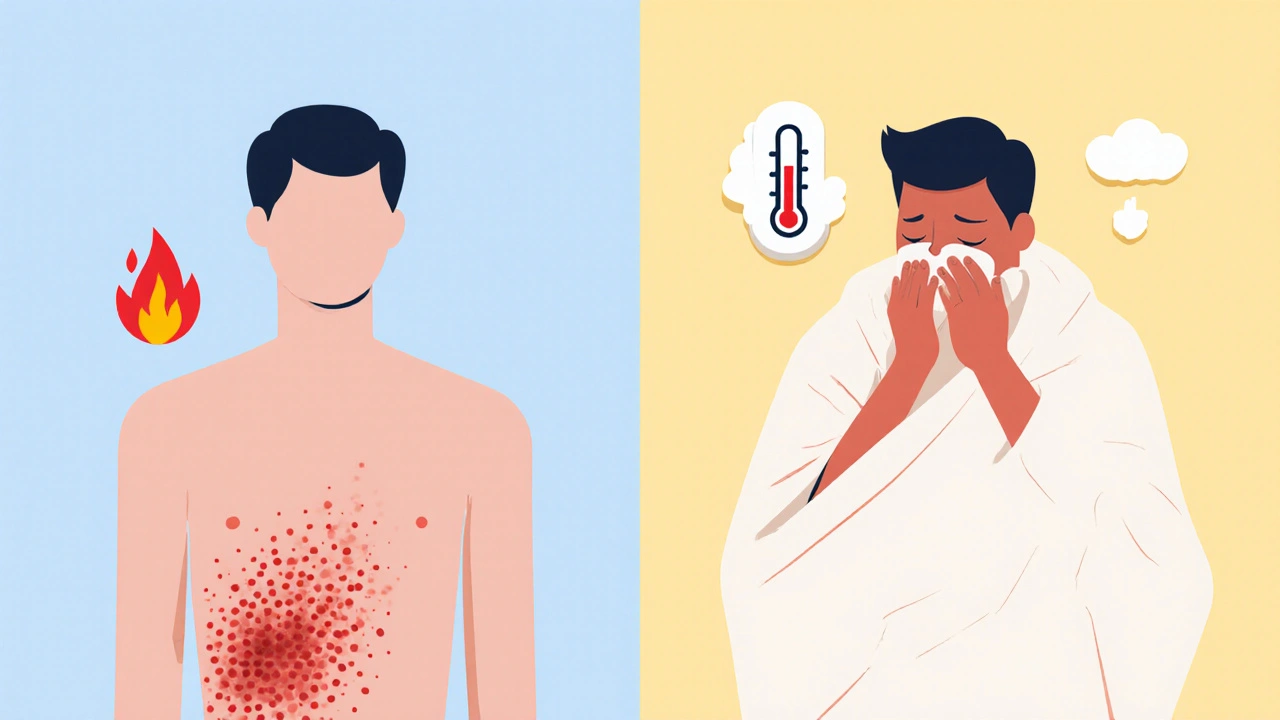
Shingles vs Flu: Symptoms, Risks, and When to Get Treatment
Archive
Categories
What Are Authorized Generics? Complete Explanation
Authorized generics are brand-name drugs sold without the brand name, made by the same manufacturer with identical ingredients. They offer lower prices while maintaining exact formulation-unlike traditional generics. Learn how they work, why they exist, and how to identify them.
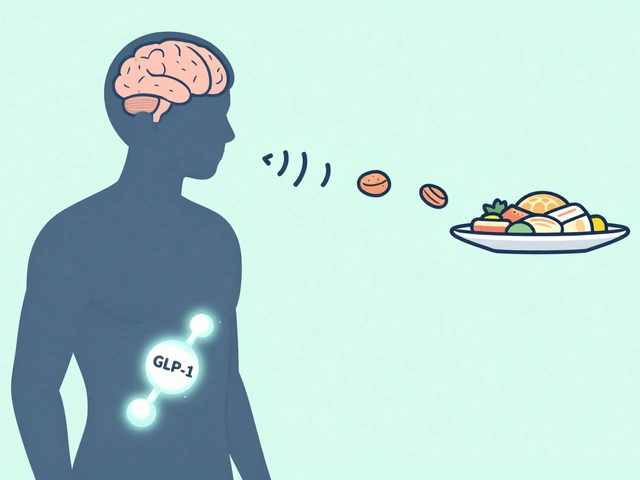
GLP-1 Agonists and Weight Loss: How These Diabetes Drugs Are Changing Obesity Treatment
GLP-1 agonists like Ozempic and Wegovy are transforming obesity treatment by delivering significant weight loss and heart benefits beyond diabetes control. Learn how they work, who benefits most, and what to expect with side effects and cost.

Managing Healthcare Resources During Novel Influenza Outbreaks
Learn how novel influenza strains strain hospitals and discover practical steps to manage beds, staff, PPE, and vaccines during outbreaks.
Medication Errors in Hospitals vs. Retail Pharmacies: What Really Happens Behind the Counter and at the Bedside
Medication errors happen in both hospitals and retail pharmacies, but they differ in frequency, type, and impact. Hospitals have more errors but better safety nets; pharmacies have fewer errors-but they often go unnoticed until it's too late.

Your Guide to Online Pharmacy pharmatheke-europe.co.za: Safe, Fast, and Convenient Medication Access
Explore how pharmatheke-europe.co.za is changing the way people buy medication online. Get tips on safety, ordering, and what sets this pharmacy apart.