Plantar fasciitis causes sharp heel pain, especially in the morning. Learn the real causes, proven treatments like stretching and orthotics, what doesn't work, and how to recover without surgery.
Read MorePlantar Fasciitis: Causes, Relief, and What Works Best
When you step out of bed and feel a stabbing pain in your heel, it’s often not just soreness—it’s plantar fasciitis, an inflammation of the thick band of tissue connecting your heel to your toes. Also known as heel spur syndrome, it’s one of the most common causes of foot pain, affecting over 2 million Americans every year. This isn’t just a runner’s problem. It hits teachers, nurses, warehouse workers, and anyone who spends hours on their feet—or suddenly increases their activity.
The pain usually hits hardest in the morning because the plantar fascia, the ligament that supports the arch of your foot tightens overnight. As you stand up, it stretches suddenly, tearing slightly and triggering inflammation. Over time, this cycle leads to chronic pain. What makes it worse? Poor shoes, flat feet, high arches, obesity, or even just sitting too long. It’s not always about overuse—it’s often about mismatched support.
There’s a lot of noise out there about remedies: stretching, ice, orthotics, night splints, shockwave therapy, even injections. But not all of them work the same for everyone. Some people find relief with simple arch support, custom or over-the-counter inserts that reduce strain on the plantar fascia. Others need physical therapy to strengthen the muscles around the foot and ankle. A few swear by rolling a frozen water bottle under their foot at night. And yes, some end up needing corticosteroid injections—but those come with risks like tissue weakening.
What’s clear from real-world experience is that plantar fasciitis doesn’t vanish overnight. Most people see improvement in 6 to 12 weeks with consistent care. Skipping stretches, wearing worn-out shoes, or ignoring early warning signs can turn a manageable issue into a long-term problem. The good news? Most cases respond well to conservative treatment. You don’t need surgery. You don’t need expensive gadgets. You just need to understand what’s hurting you—and how to stop putting stress on it.
Below, you’ll find real advice from people who’ve been there: how they managed pain while working full-time, what shoes actually helped, why some stretches made things worse, and which supplements or medications showed real results. No fluff. No marketing. Just what works—and what doesn’t—based on actual use and medical insight.
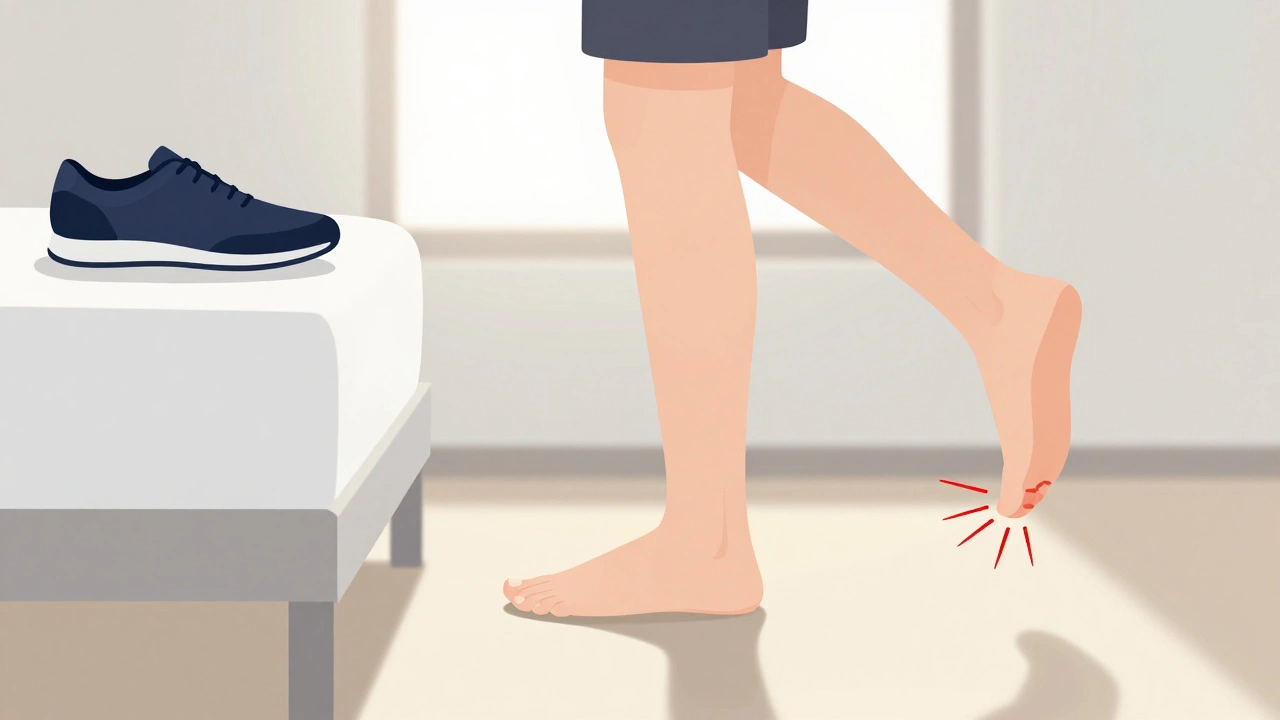
Plantar Fasciitis: Common Causes and Proven Treatment Options for Heel Pain
Archive
Categories

Generic Drug Availability: Why Your Medicine Costs Different Amounts Around the World
Generic drugs are identical in active ingredients but vary wildly in price and availability worldwide due to regulatory, economic, and cultural differences. Learn why the same pill costs $1 in India and $100 in the U.S.

HPV Infections: How Vaccination, Screening, and Early Detection Prevent Cancer
HPV causes most cervical cancers, but vaccination and modern screening can prevent them. Learn how testing, self-sampling, and vaccination work together to stop cancer before it starts.
Buy Toradol Online: A Comprehensive Guide
Explore a comprehensive guide on buying Toradol online, focusing on its uses, potential side effects, and interactions. Learn about common dosages and expert recommendations for safe use. Delve into why this painkiller stands out and when it's typically prescribed. This article includes practical tips and an essential link for those considering purchasing Toradol through online pharmacies.
Extra Help Program for Low-Income Seniors: How to Qualify for Prescription Drug Savings
Learn how low-income seniors can qualify for the Medicare Extra Help Program to pay less for prescriptions. Get the 2025 income limits, application steps, and savings you’re entitled to.

Digital Prescription Transfer: How to Move Your Scripts to Online Pharmacies
Learn how to transfer your prescriptions to online pharmacies with digital systems. Discover how DEA rules, transfer speeds, and insurance issues affect your switch-and how to avoid common mistakes.