Compare Confido with top OTC sleep aids, see how it works, side‑effects, and which option fits different sleep needs in a clear, practical guide.
Read MoreOver the Counter Sleep Aids – Your Guide to Safe, Effective Options
When talking about over the counter sleep aids, medications and supplements you can buy without a prescription to help you fall asleep. Also known as OTC sleep aids, they range from natural hormones to antihistamine‑based pills. One of the most popular choices is melatonin, a hormone that regulates the circadian rhythm and signals the body that it’s night time. Another common option is diphenhydramine, an antihistamine that induces drowsiness by blocking histamine receptors in the brain. For those who prefer plant‑based routes, herbal sleep supplements, such as valerian root, chamomile, or passionflower, offer a milder, sometimes more tolerable, way to calm the mind. Over the counter sleep aids encompass these categories, each with its own mechanism, dosage guidelines, and side‑effect profile, so understanding the differences helps you choose wisely.
Key Factors to Consider When Choosing an OTC Sleep Aid
First, think about why you need help sleeping. If you have trouble falling asleep due to a shifted schedule or jet lag, melatonin’s timing effect often works best because it resets the internal clock. If you’re battling occasional sleeplessness caused by allergies or a noisy environment, an antihistamine like diphenhydramine can provide a quick knock‑out effect, but it may leave you groggy the next day. Herbal sleep supplements tend to be gentler; they influence the GABA system indirectly and are less likely to cause morning fog, making them a go‑to for people who want a subtle boost without a strong hangover. Safety is another big piece of the puzzle—diphenhydramine can interact with other sedatives or worsen glaucoma, while melatonin is generally safe but may cause vivid dreams at high doses. Age matters, too: older adults often respond better to low‑dose melatonin or herbal blends because antihistamines increase fall risk. Knowing the dosage, potential drug interactions, and personal health conditions creates a solid base for picking the right aid.
Lastly, cost, availability, and personal preferences tie everything together. Melatonin supplements are inexpensive and come in various strengths, from 0.3 mg for subtle adjustments to 5 mg for stronger shifts. Diphenhydramine is sold under many brand names and is widely stocked in pharmacies, but you’ll want to watch the label for extra ingredients like pain relievers. Herbal blends can vary in potency, so look for standardized extracts that guarantee a specific amount of active compounds. The articles below dive deeper into related topics—like how sleep apnea can trigger heart rhythm problems, lifestyle tweaks that improve sleep hygiene, and the science behind each ingredient—giving you a full picture of how OTC sleep aids fit into a broader health plan. With that context, you’ll be ready to navigate the options and find the sleep aid that works best for you.
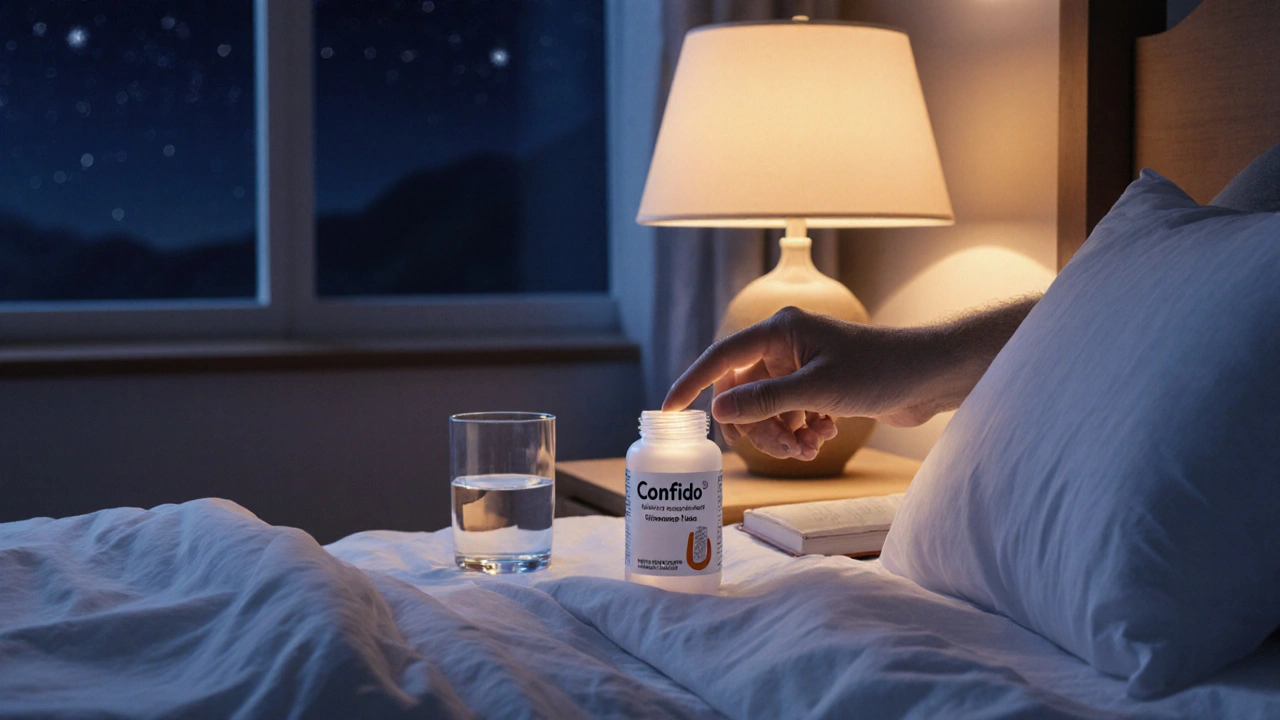
Confido vs Alternatives: Which Sleep Aid Works Best?
Archive
Categories

Quality Defects in Generics: Common Manufacturing Issues and Patient Safety Risks
Generic drugs are cheaper but face far more manufacturing defects than brand-name versions. Common issues like capping, contamination, and weight variation can impact safety and effectiveness. Here's what's causing them-and what's being done to fix them.

Extra Help Program for Low-Income Seniors: How to Qualify for Prescription Drug Savings
Learn how low-income seniors can qualify for the Medicare Extra Help Program to pay less for prescriptions. Get the 2025 income limits, application steps, and savings you’re entitled to.

Urate Targets in Gout: How Allopurinol and Febuxostat Really Work
Learn how urate targets guide gout treatment with allopurinol and febuxostat. Discover why hitting serum urate levels below 6 mg/dL stops flares and dissolves crystals, and how to avoid common mistakes in treatment.

10 Alternatives in 2025 to Lasix for Fluid Management
Exploring ten alternatives to Lasix in 2025, this article delves into various medications that can manage fluid retention effectively. From Spironolactone to herbal options, each diuretic is explained with its benefits and downsides. We also cover potential uses, so you can understand their role in treating conditions like heart failure and hypertension. Ideal for anyone seeking a modern approach to fluid management.

State Laws on NTI Substitution: Varying Requirements Across the US
State laws on NTI drug substitution vary widely across the U.S., with 27 states restricting generic swaps for medications like warfarin and levothyroxine. While the FDA says generics are safe, patient safety concerns are driving state-level rules - and a national shift is coming.