Learn how a Mediterranean‑style diet and regular aerobic exercise work together to lower Alzheimer’s risk, with practical tips, scientific insights, and a useful checklist.
Read MoreOmega-3 Fatty Acids: Benefits, Sources, and Practical Tips
When you hear about Omega-3 Fatty Acids, essential polyunsaturated fats found in fish, algae, and some plants that support heart, brain, and joint health. Also known as omega‑3s, they are a cornerstone of many nutrition plans.
Two of the most active forms are EPA, eicosapentaenoic acid, a fatty acid that helps lower triglycerides and calm inflammation and DHA, docosahexaenoic acid, crucial for brain cell membranes and eye health. Omega-3 fatty acids encompass EPA and DHA, and together they act like a double‑act: EPA fights inflammation while DHA fuels neural pathways. Most research points to a 2:1 or 3:1 EPA‑to‑DHA ratio for heart protection.
Why They Matter for Your Heart and Inflammation
Good cardiovascular health is tightly linked to the intake of omega‑3s. Cardiovascular health, the condition of the heart and blood vessels, improves when omega‑3s lower blood pressure, reduce bad cholesterol, and keep platelets from clumping. At the same time, inflammation—one of the body’s alarm signals—drops as EPA interferes with the production of pro‑inflammatory eicosanoids. In plain terms, eating or supplementing with EPA and DHA can make your arteries smoother and your immune response calmer.
Getting enough omega‑3s isn’t just about heart disease. DHA builds the gray matter in the brain, meaning better memory, focus, and mood regulation. Studies on older adults show that a daily dose of 500‑1000 mg DHA can slow age‑related cognitive decline. Meanwhile, EPA’s anti‑inflammatory power shows up in joint comfort, making it a popular adjunct for arthritis sufferers.
So where do you find these fats? Fatty fish like salmon, mackerel, sardines, and herring deliver a hefty EPA/DHA punch—often 1‑2 grams per 3‑ounce serving. For vegetarians or those who dislike fish, algae‑derived supplements provide DHA and sometimes EPA in a plant‑based format. Even certain nuts and seeds—flaxseed, chia, walnuts—contain ALA, a shorter‑chain omega‑3 that the body can partially convert to EPA and DHA, though the conversion rate is modest.
When you turn to a supplement, look for a few quality markers: molecular distillation to remove contaminants, a clear EPA/DHA ratio on the label, and third‑party testing for purity. A typical adult dose ranges from 250 mg to 1 g of combined EPA and DHA daily, but higher amounts (2‑4 g) are used under medical supervision for severe triglyceride issues. Always check with a healthcare provider if you’re on blood thinners, as omega‑3s can enhance anticoagulant effects.
Cooking with omega‑3 rich oils can also boost intake, but keep heat in mind. Extra‑virgin olive oil or canola oil preserve the fats better than high‑heat oils like soybean or corn. Sprinkle ground flaxseed on oatmeal or yogurt, or blend chia seeds into smoothies for a texture boost and an ALA surge.
Safety-wise, most people tolerate omega‑3s well. Minor side effects include a fishy aftertaste, mild gastrointestinal upset, or rare increased bleeding risk. If you notice any unusual bruising or prolonged bleeding, cut back and talk to a clinician. Pregnant or nursing women should aim for at least 200 mg DHA daily to support fetal brain development.
Now that you’ve got the basics—what omega‑3 fatty acids are, why EPA and DHA matter, how they protect your heart and brain, where to source them, and how to choose a safe supplement—you’re ready to explore deeper. Below you’ll find articles that break down specific conditions, compare medications, and give step‑by‑step guides for buying quality products online. Dive in to see how omega‑3 knowledge fits into a broader health strategy.

How Diet and Exercise Can Help Prevent Alzheimer's Disease
Archive
Categories

OTC Topical Pain Relievers: Creams, Gels, and Patches Safety Guide
OTC topical pain relievers like creams and patches can ease muscle and joint pain safely - but only if used correctly. Learn the hidden risks of menthol, lidocaine, and capsaicin, and how to avoid serious side effects.
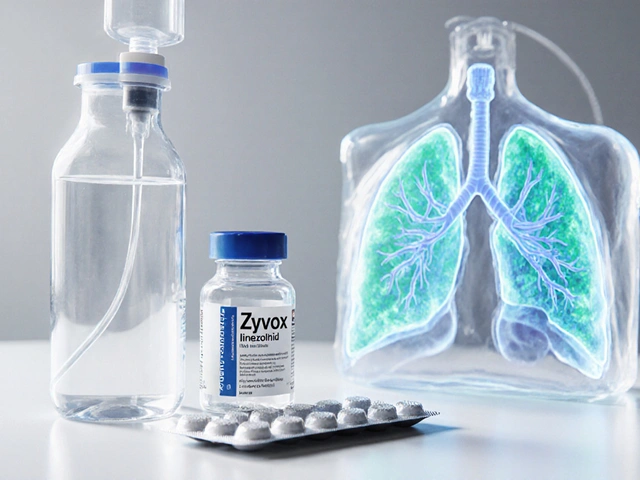
Zyvox (Linezolid) vs Alternative Antibiotics: In‑Depth Comparison
A detailed side‑by‑side look at Zyvox (linezolid) versus its main alternatives, covering uses, safety, dosing, cost and how to pick the right drug.

9 Best Alternatives to Clomid: Exploring Effective Options
Clomid is a well-known fertility drug used to stimulate ovulation, but it's not the only option available. For those seeking alternatives, various supplements and treatments offer unique benefits and drawbacks. From natural supplements like N-Acetylcysteine to advanced therapies like Letrozole, understanding these options can empower you on your fertility journey. This comprehensive guide will help you navigate through nine different Clomid alternatives.

Your Guide to Online Pharmacy pharmatheke-europe.co.za: Safe, Fast, and Convenient Medication Access
Explore how pharmatheke-europe.co.za is changing the way people buy medication online. Get tips on safety, ordering, and what sets this pharmacy apart.

State Laws on NTI Substitution: Varying Requirements Across the US
State laws on NTI drug substitution vary widely across the U.S., with 27 states restricting generic swaps for medications like warfarin and levothyroxine. While the FDA says generics are safe, patient safety concerns are driving state-level rules - and a national shift is coming.