Explore leprosy's journey from ancient references to modern treatment, covering key discoveries, global eradication efforts, and ongoing challenges.
Read MoreMycobacterium leprae: The Bacterium Behind Leprosy
When talking about Mycobacterium leprae, the slow‑growing bacterium that triggers leprosy, a chronic infectious disease of the skin and nerves. Also known as Hansen's bacillus, it thrives at cooler body temperatures and spreads mainly through prolonged close contact. Mycobacterium leprae is a member of the Mycobacterium genus, sharing a hardy cell wall with its famous cousin, tuberculosis‑causing Mycobacterium tuberculosis.
The disease it causes—leprosy, a chronic condition marked by skin lesions, nerve damage, and possible disability. Also referred to as Hansen's disease—depends heavily on the host’s immune response, the body's ability to limit bacterial growth and prevent nerve injury. Strong cellular immunity usually leads to the milder, paucibacillary form, while weak responses allow the more severe multibacillary type to develop.
Key Aspects of Mycobacterium leprae
First, the bacterium’s genetics are famously reduced; it carries roughly 1.6 million base pairs, about a third of a typical mycobacterium. This tiny genome limits its metabolic flexibility, forcing it to rely on host cells for nutrients. That dependency makes it impossible to grow on standard lab media, so researchers still need armadillos or mouse footpads to study it.
Transmission remains a puzzle, but epidemiology points to respiratory droplets from untreated patients as the main route. The incubation period can stretch from several months to up to 20 years, which complicates contact tracing. Early diagnosis—often through skin smears, biopsies, or PCR—cuts transmission chains and improves outcomes.
Clinical presentation splits into two major categories. Paucibacillary leprosy features a few lesions and intact sensation, while multibacillary leprosy shows many lesions, loss of sensation, and bacterial presence in skin smears. The difference isn’t just cosmetic; it dictates the length and composition of therapy.
Treatment relies on multidrug therapy, the WHO‑recommended combination of dapsone, rifampicin, and clofazimine. This regimen kills the bacteria, prevents resistance, and shortens disease duration. For paucibacillary cases, a six‑month course suffices; multibacillary patients need 12 months or more.
Drug resistance is rare but emerging, especially in areas with limited healthcare access. When resistance occurs, clinicians may swap rifampicin for newer agents like ofloxacin or minocycline, but these alternatives lack the robust evidence base of the standard trio.
Vaccination attempts have struggled because the bacterium’s antigens differ from those in the BCG vaccine, which offers only modest protection. Ongoing research explores recombinant proteins and peptide‑based vaccines, hoping to boost immunity without causing disease.
Public‑health strategies focus on early case detection, community education, and reducing stigma. Stigma hampers patients from seeking care, leading to delayed treatment and higher transmission risk. Campaigns that humanize patients and emphasize cure rates have shown measurable improvements in endemic regions.
Historically, leprosy shaped societies—from medieval leper colonies to modern eradication goals. The WHO set a target to eliminate leprosy as a public‑health problem by 2000, and while the global burden dropped dramatically, pockets of high prevalence persist in parts of Asia, Africa, and South America.
Research into the bacterium’s interaction with Schwann cells—cells that wrap peripheral nerves—reveals how it hijacks the nervous system, leading to the hallmark loss of sensation. Understanding this mechanism opens doors to neuroprotective therapies that could preserve nerve function even after bacterial clearance.
Preventive measures include routine skin checks for household contacts, prophylactic single‑dose rifampicin for high‑risk individuals, and maintaining good nutrition to support immune health. These steps, combined with robust treatment, dramatically lower new case rates.
Finally, patient care extends beyond antibiotics. Physical therapy, occupational therapy, and psychosocial support address disability and reintegration challenges. A multidisciplinary approach ensures patients not only survive but thrive.
All of these angles—biology, transmission, treatment, and community impact—form the backdrop for the articles below. They dive into specific drug comparisons, safety tips, and practical guidance that complement what you’ve just read about Mycobacterium leprae and leprosy.

Leprosy History: From Ancient Times to Modern Day
Archive
Categories
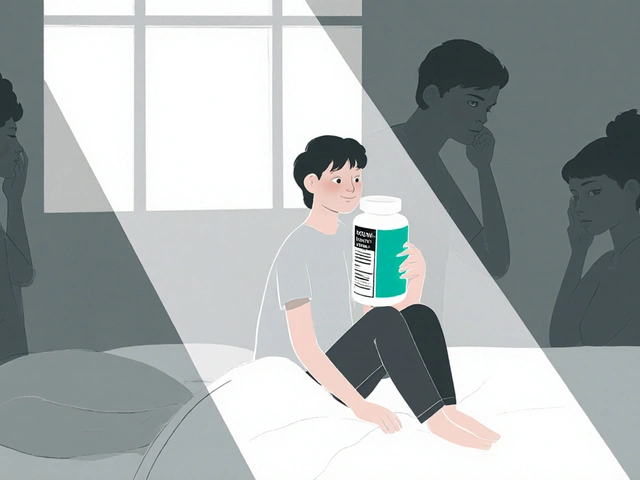
Suicidal Thoughts on Antidepressants: What the Black Box Warning Really Means
The FDA's Black Box warning on antidepressants alerts users to increased suicidal thoughts in young people. While the risk is small and temporary, the warning has led to fewer prescriptions-and more suicides. Here's what you need to know to stay safe.

Antiemetics and QT Prolongation: Ondansetron Risks and Safe Use
Ondansetron can cause dangerous QT prolongation, especially with IV use. Learn which patients are at risk, how to use it safely, and safer alternatives like palonosetron and dexamethasone.
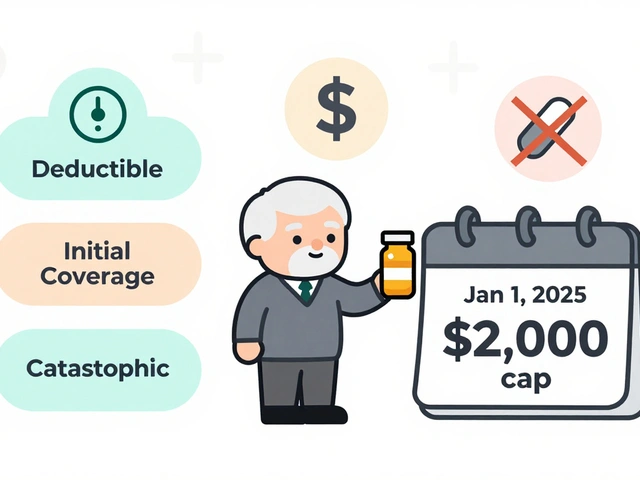
Medicare Part D Drug Coverage Explained for Patients in 2025
Medicare Part D in 2025 caps out-of-pocket drug costs at $2,000 annually, eliminating the donut hole. Learn how the new three-phase system works, how to pick the best plan, and what you still need to pay.
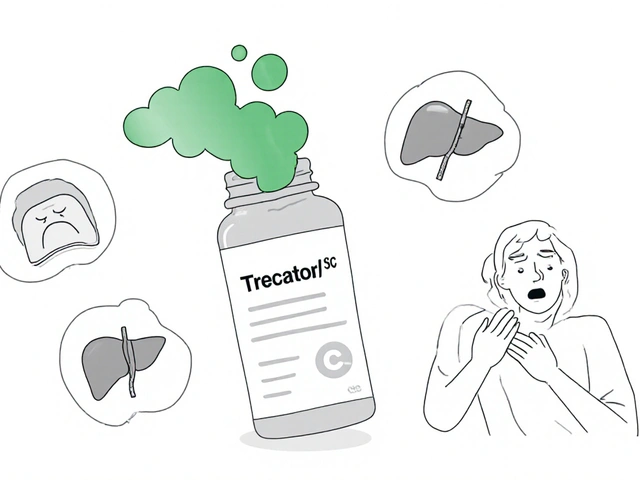
Compare Trecator SC (Ethionamide) with Alternatives for Tuberculosis Treatment
Trecator SC (ethionamide) is a second-line TB drug with tough side effects. Newer alternatives like bedaquiline, pretomanid, and linezolid offer higher cure rates and fewer side effects. Find out which options are now available in the UK.
9 Best Alternatives to Clomid: Exploring Effective Options
Clomid is a well-known fertility drug used to stimulate ovulation, but it's not the only option available. For those seeking alternatives, various supplements and treatments offer unique benefits and drawbacks. From natural supplements like N-Acetylcysteine to advanced therapies like Letrozole, understanding these options can empower you on your fertility journey. This comprehensive guide will help you navigate through nine different Clomid alternatives.