Learn how to safely use motion sickness and jet lag medications without dangerous side effects. Get expert-backed timing tips, what to avoid, and real-world alternatives.
Read MoreMotion Sickness Medication: What Works and What to Avoid
When your stomach rebels during a car ride, boat trip, or plane flight, you’re dealing with motion sickness medication, a class of drugs designed to block the signals between your inner ear and brain that trigger nausea and vomiting. Also known as travel sickness medication, it’s not just for vacationers—commuters, pilots, and even kids in the backseat rely on it to get through the day without feeling sick. The core problem? Your brain gets mixed signals. Your eyes see movement, but your inner ear senses motion differently. That mismatch tricks your body into thinking you’ve been poisoned, so it tries to expel everything. Motion sickness medication works by calming that false alarm.
Not all options are created equal. Some, like ondansetron, a 5-HT3 receptor antagonist commonly used for chemotherapy nausea, are effective but carry risks like QT prolongation, especially with IV use. Others, like dimenhydrinate or meclizine, are older, cheaper, and widely available—but they can make you drowsy, dry your mouth, or blur your vision. Then there are non-pill options: patches behind the ear, ginger chews, or acupressure bands. None of these are magic, but some work better for some people. The key is matching the drug to your body and your trip. A 2-hour drive? A simple tablet might do. A 12-hour cruise? You might need something longer-lasting and less sedating.
What’s missing from most advice? Timing. Taking motion sickness medication after you feel sick is too late. Most need to be taken 30 to 60 minutes before travel—even if you’ve never felt sick before. And don’t mix them with alcohol or other sedatives. That’s how you end up dizzy, confused, and worse off than when you started. Also, watch out for hidden ingredients. Some OTC sleep aids or cold meds contain the same active ingredients as motion sickness drugs. Double-dosing is easy and dangerous.
There’s also a big gap in how we talk about this. People assume it’s just a minor annoyance, but for some, motion sickness is debilitating. It can ruin careers, limit travel, and cause anxiety before every ride. The right medication isn’t just about comfort—it’s about quality of life. And while the posts below don’t all mention motion sickness directly, they cover related issues: how antiemetics like ondansetron affect heart rhythms, how drug interactions can ruin your treatment, and why timing matters with every pill you take. You’ll find real-world advice on what to avoid, what to ask your pharmacist, and how to pick the safest, most effective option for your situation.

How to Manage Motion Sickness and Jet Lag Medications Safely
Archive
Categories

Juvenile Arthritis and Mental Health: Signs, Risks, and Support for Kids and Teens
Kids with juvenile arthritis face more than joint pain-anxiety, low mood, sleep issues, and school stress are common. Spot the signs, act early, and use proven supports.
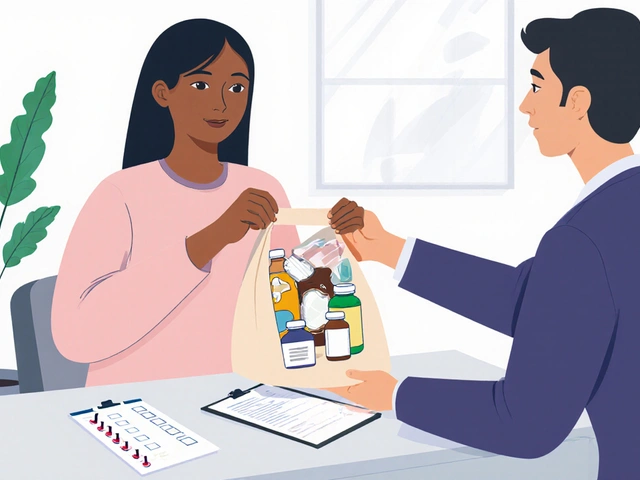
How to Use Your Pharmacy’s Consultation Service for Medication Safety
Learn how to use your pharmacy's consultation service to catch dangerous drug interactions, save money, and prevent medication errors. Pharmacists can review all your meds - even supplements - and stop problems before they happen.

Nitrosamine Contamination in Generic Drugs: Recent Recalls and Regulatory Shifts
Nitrosamine contamination in generic drugs has led to over 500 recalls since 2018, with carcinogenic impurities found in blood pressure meds, diabetes drugs, and antidepressants. Learn how regulators responded, why compliance is costly, and what patients should know.

Buy Cheap Generic Prozac Online - Safe, Legal, and Affordable Options
Learn how to safely buy cheap generic Prozac online, verify reputable pharmacies, understand pricing, and avoid scams with a step‑by‑step guide.
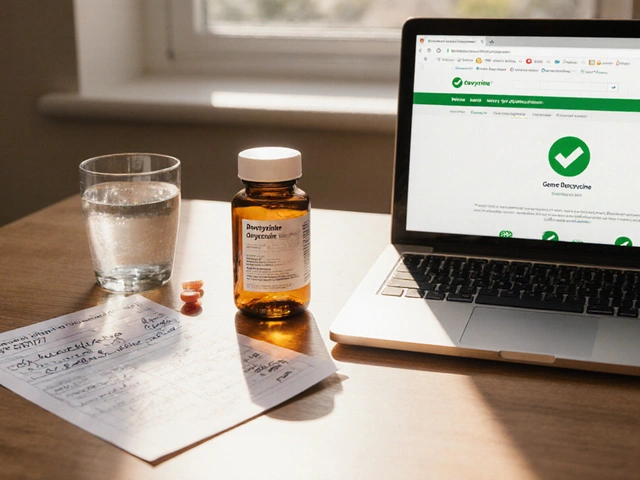
Buy Cheap Generic Doxycycline Online - UK Guide 2025
Learn how to safely buy cheap generic doxycycline online in the UK, verify licensed pharmacies, compare prices, and avoid scams with this 2025 guide.