Worried about Kaposi sarcoma? This guide breaks down the main ways to lower your risk, with easy-to-follow tips on immune health and lifestyle choices. Learn why certain people are more at risk and what daily habits can make a real difference. Get real-world advice, not medical jargon, to keep you and your loved ones safer. If you or someone you know is worried about this cancer, the info here will actually help.
Read MoreKaposi Sarcoma: Understanding the Basics
Kaposi sarcoma is a form of cancer that usually shows up as patches or lumps on the skin, but it can also affect other organs like the lungs or digestive system. It’s caused by an infection with the human herpesvirus 8 (HHV-8), especially in people whose immune system is weakened, like those with HIV or after organ transplants.
Notice any purple, red, or brown spots that don’t fade or lumps that feel raised? That might be Kaposi sarcoma. These skin changes can be painless or cause swelling and discomfort. Sometimes, it also leads to symptoms related to internal involvement, like difficulty breathing or digestive problems, depending on where it spreads.
How Do Doctors Diagnose Kaposi Sarcoma?
If you spot symptoms like unusual skin patches, your doctor will usually perform a biopsy—that’s when they take a small skin sample to check under a microscope. They might also run blood tests for HHV-8 and imaging studies like X-rays or CT scans to see if internal organs are affected.
Treatment Options You Should Know
Managing Kaposi sarcoma depends on its size, location, and how far it’s spread. If it’s limited to the skin and causing no trouble, sometimes doctors just keep an eye on it. But if it’s more aggressive, treatments include antiviral medications to control the virus, chemotherapy to shrink tumors, and radiation therapy for painful or problematic lesions. People with HIV often see improvement by starting or improving antiretroviral therapy.
Living with Kaposi sarcoma means staying in close touch with your healthcare team. The right treatment plan can control symptoms and improve quality of life. If you suspect anything unusual on your skin or have risk factors, don’t hesitate to get checked out—early detection helps a lot.

Kaposi Sarcoma Prevention: Practical Tips for Reducing Your Risk
Archive
Categories
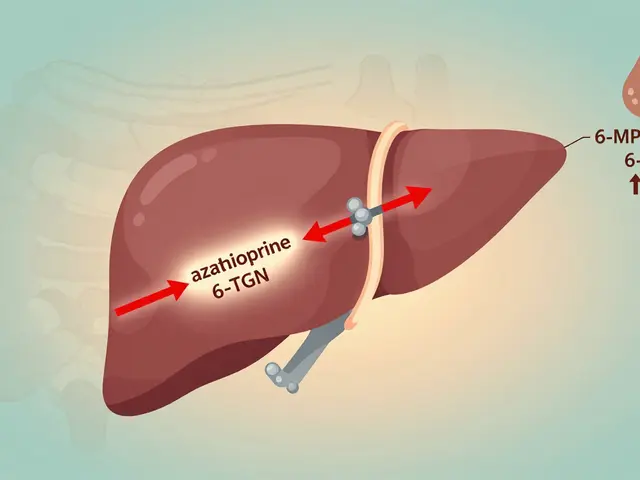
Azathioprine and Allopurinol: How Low-Dose Combination Therapy Prevents Toxic Metabolite Buildup
LDAA therapy combines low-dose azathioprine with allopurinol to redirect toxic metabolite production toward therapeutic effects. It’s a proven solution for patients with high liver enzymes or poor response to standard thiopurine therapy, but requires strict monitoring to avoid bone marrow suppression.

Juvenile Arthritis and Mental Health: Signs, Risks, and Support for Kids and Teens
Kids with juvenile arthritis face more than joint pain-anxiety, low mood, sleep issues, and school stress are common. Spot the signs, act early, and use proven supports.
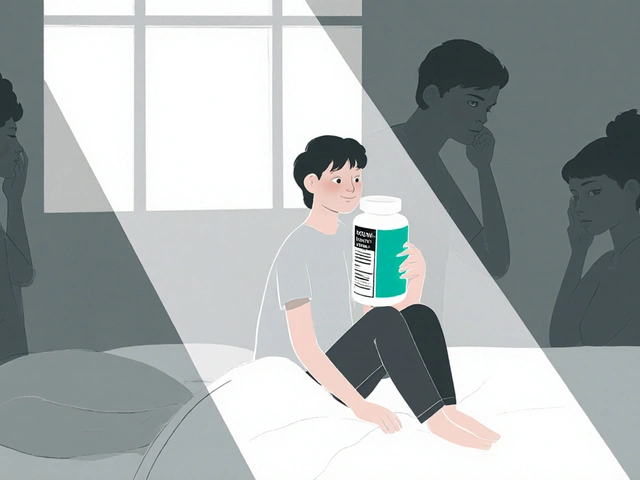
Suicidal Thoughts on Antidepressants: What the Black Box Warning Really Means
The FDA's Black Box warning on antidepressants alerts users to increased suicidal thoughts in young people. While the risk is small and temporary, the warning has led to fewer prescriptions-and more suicides. Here's what you need to know to stay safe.
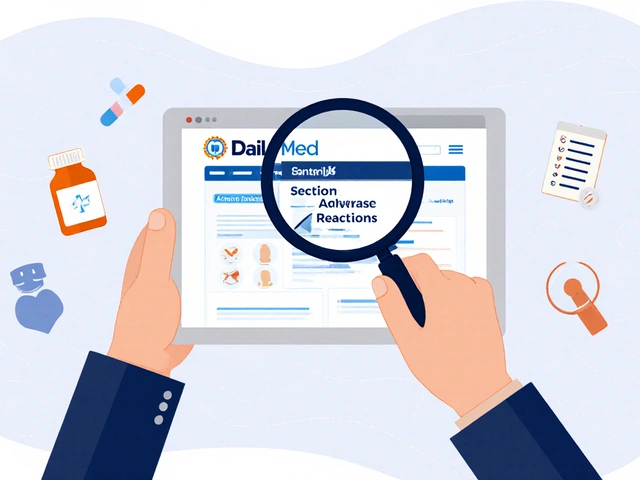
Where to Find Detailed Side Effect Information for Your Medications
Learn where to find accurate, up-to-date side effect information for your medications using FDA-approved sources like DailyMed, MedlinePlus, VigiAccess, and OnSIDES. Avoid outdated or biased tools.
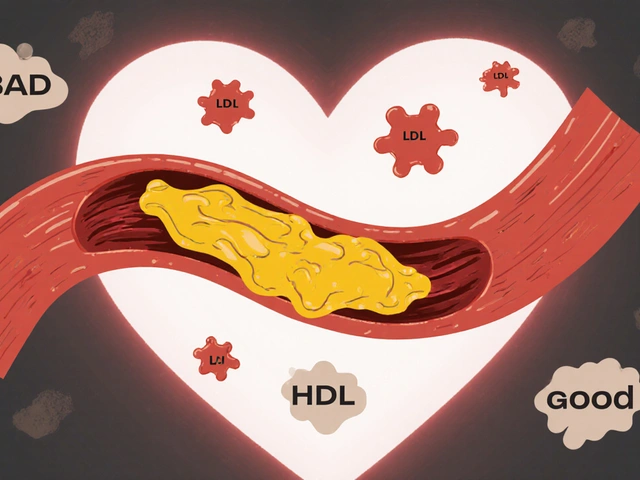
High Cholesterol: What You Need to Know About Hypercholesterolemia
High cholesterol often has no symptoms but can lead to heart disease. Learn what causes hypercholesterolemia, how to test for it, treatment options, and why early action saves lives.