Corticosteroid-induced hyperglycemia is a common and dangerous side effect of steroid therapy. Learn how to monitor blood sugar, recognize risk factors, and use insulin safely to prevent complications like ketoacidosis and prolonged hospital stays.
Read MoreGlucocorticoid Diabetes: How Steroids Cause High Blood Sugar and What to Do
When you take glucocorticoids, a class of powerful anti-inflammatory steroids like prednisone or dexamethasone used for autoimmune diseases, asthma, and arthritis. Also known as corticosteroids, they’re life-saving for many—but they can also trigger glucocorticoid diabetes, a temporary or lasting form of high blood sugar caused by steroid use. This isn’t the same as type 1 or type 2 diabetes, but the symptoms look similar: thirst, frequent urination, fatigue, and blurry vision. It happens because these drugs make your liver dump more glucose into your bloodstream and block insulin from doing its job.
People on long-term steroid therapy—like those with lupus, COPD, or after organ transplants—are most at risk. Even short courses, like a 5-day prednisone pack for a flare-up, can spike blood sugar in sensitive individuals. The effect isn’t random: steroids interfere with insulin signaling in muscle and fat cells, reduce insulin production in the pancreas, and increase glucose production in the liver. This combo is why blood sugar can jump 50% or more during treatment. It’s not your fault. It’s biology. And it’s common enough that doctors should check your glucose levels before and during steroid treatment, especially if you’re overweight, over 45, or have a family history of diabetes.
Managing glucocorticoid diabetes doesn’t always mean stopping the steroids. Often, you can’t. But you can control the blood sugar. Diet matters—cutting back on simple carbs and sugar helps. Timing meals around steroid doses can reduce spikes. Some people need metformin, while others need insulin for a few weeks until the steroids are out of their system. The good news? In many cases, blood sugar returns to normal once the steroids are stopped. But for others, especially those already at risk, this can be the trigger that turns prediabetes into full-blown type 2 diabetes. That’s why monitoring is critical. If you’re on steroids and feel unusually tired or thirsty, don’t ignore it. Get your blood sugar checked.
The posts below cover real-world cases and science-backed ways to handle this issue. You’ll find guides on how steroids interact with diabetes meds, what to eat when you’re on prednisone, how to track glucose without constant fingersticks, and why some people recover while others don’t. These aren’t theory pieces—they’re practical, tested advice from people who’ve lived through it and clinicians who’ve seen the patterns. Whether you’re taking steroids now or just worried about the risk, you’ll find answers here.
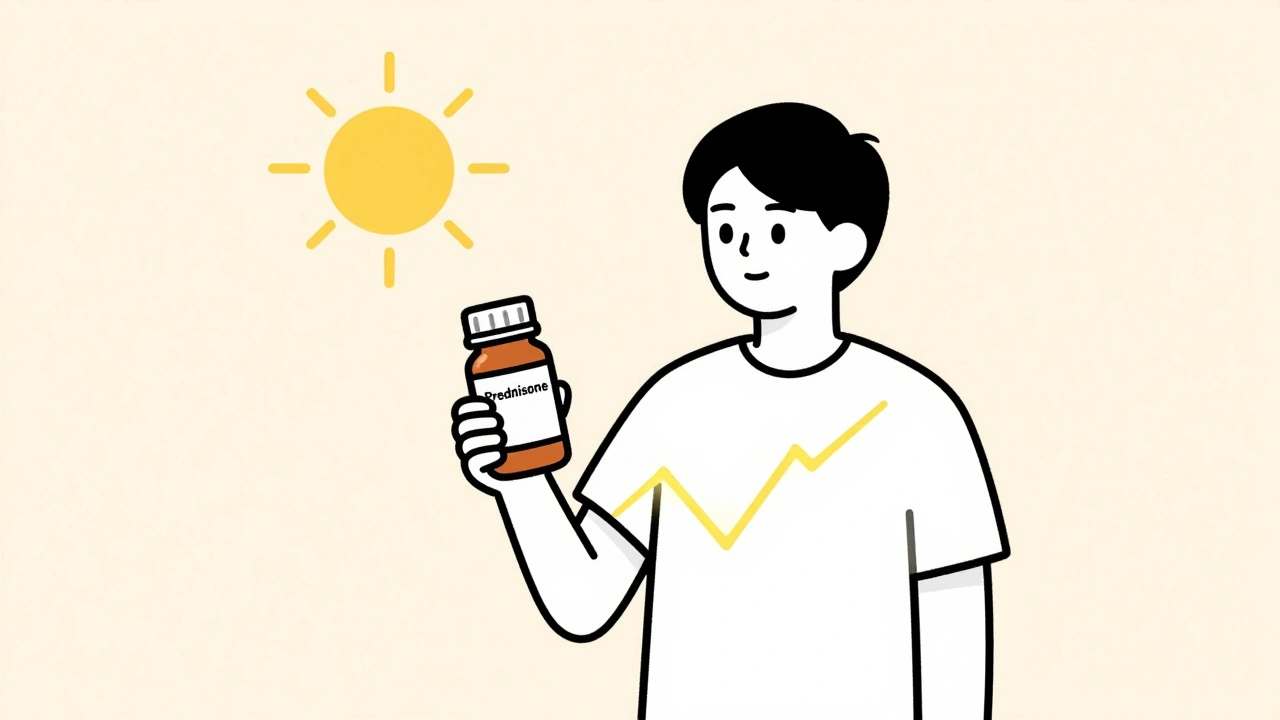
Corticosteroid-Induced Hyperglycemia and Diabetes: How to Monitor and Manage It
Archive
Categories
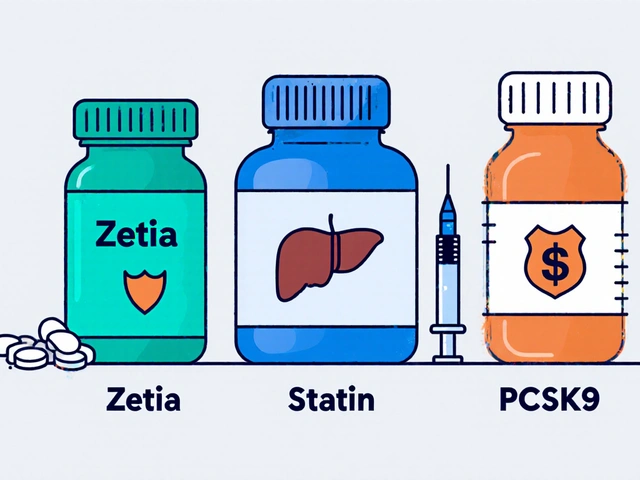
Zetia (Ezetimibe) vs Alternative Cholesterol Drugs: A Detailed Comparison
A concise guide comparing Zetia (ezetimibe) with statins, PCSK9 inhibitors, bile‑acid sequestrants and niacin, covering mechanisms, efficacy, safety and cost.

Monitoring Antidepressant Efficacy vs Side Effect Burden: Patient Strategies
Learn how to track antidepressant effectiveness and side effects using proven tools like PHQ-9, ASEC, and therapeutic drug monitoring. Patient-led strategies can improve outcomes when combined with clinical care.

Extra Help Program for Low-Income Seniors: How to Qualify for Prescription Drug Savings
Learn how low-income seniors can qualify for the Medicare Extra Help Program to pay less for prescriptions. Get the 2025 income limits, application steps, and savings you’re entitled to.
Beta-Lactam Allergies: Penicillin vs Cephalosporin Reactions Explained
Most people labeled penicillin-allergic aren't truly allergic. Learn the real risks of penicillin and cephalosporin reactions, how to tell if your allergy is real, and why mislabeling costs lives and money.

Clavulanic Acid: How It Transforms Bronchitis Treatment
Discover how clavulanic acid boosts bronchitis treatment, its mechanism, dosage, safety tips, and why it outperforms amoxicillin alone.