High cholesterol often has no symptoms but can lead to heart disease. Learn what causes hypercholesterolemia, how to test for it, treatment options, and why early action saves lives.
Read MoreFamilial Hypercholesterolemia: Causes, Risks, and How to Manage It
When you have familial hypercholesterolemia, a genetic disorder that causes dangerously high LDL cholesterol from birth. Also known as FH, it’s not just about eating too much fat—it’s in your DNA. If one parent has it, you have a 50% chance of inheriting it. People with untreated FH often have LDL levels over 190 mg/dL as kids, and heart attacks can happen before age 50—even in people who look healthy and eat well.
This isn’t the same as regular high cholesterol. Most people get it from diet and inactivity. With familial hypercholesterolemia, your liver can’t remove LDL properly because of a broken gene—usually LDLR, APOB, or PCSK9. That means cholesterol builds up in your arteries early, forming plaques that block blood flow. You might see yellowish bumps around your eyes or knuckles (xanthomas), or a gray ring around your cornea. But many have no symptoms at all until they have chest pain or a heart attack.
That’s why testing matters. If a close relative had early heart disease or high cholesterol, get checked. A simple blood test and genetic screening can confirm it. Once diagnosed, treatment isn’t optional—it’s life-saving. statins, a class of drugs that lower LDL by blocking cholesterol production in the liver are the first line of defense. But many people with FH need more—like ezetimibe, a pill that reduces cholesterol absorption in the gut, or newer injectables like PCSK9 inhibitors, biologics that help the liver clear LDL from the blood. Some even need weekly or monthly infusions to get levels down.
Medication alone isn’t enough. You still need to move, eat less saturated fat, avoid smoking, and keep weight in check. But even the healthiest lifestyle won’t fix the genetic flaw. That’s why people with FH often need lifelong, aggressive treatment. And if you have it, your kids should be tested by age 10. Catching it early can prevent heart disease before it starts.
Below, you’ll find real, practical guides on how to manage this condition—what drugs work best, how to avoid dangerous interactions, where to find trustworthy side effect info, and how to talk to your pharmacist about your treatment plan. No fluff. Just what you need to stay protected.
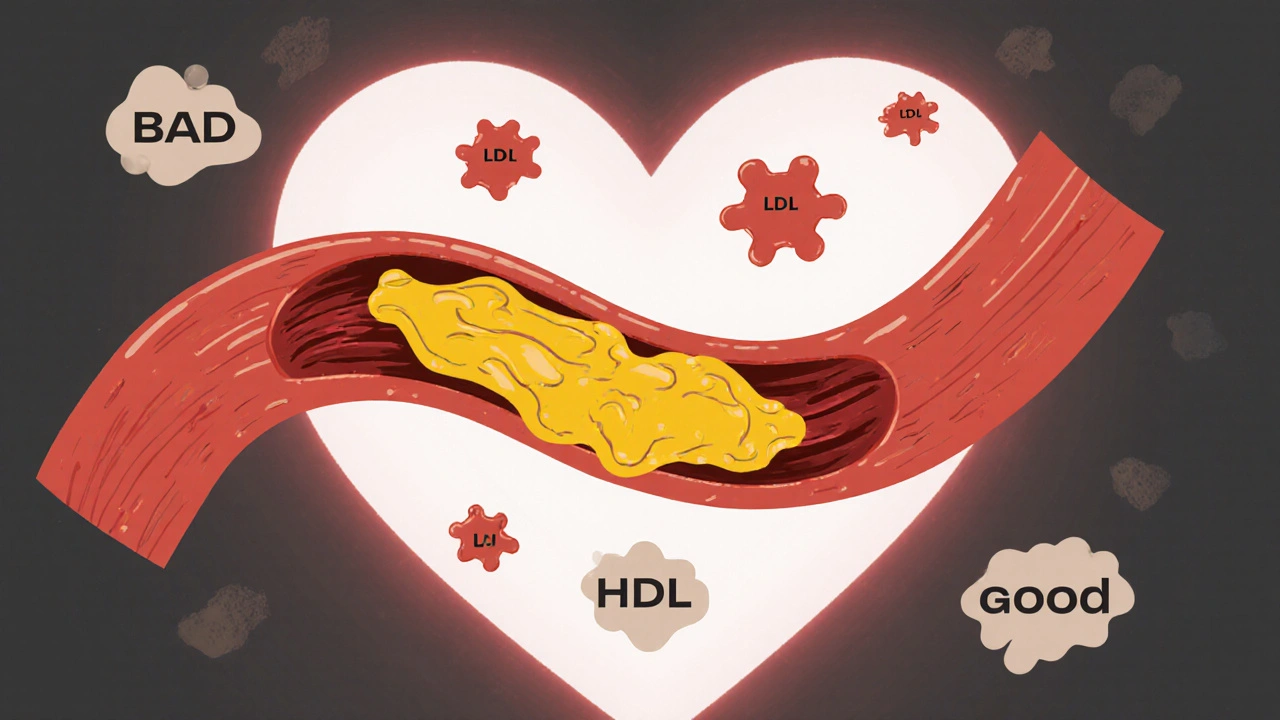
High Cholesterol: What You Need to Know About Hypercholesterolemia
Archive
Categories
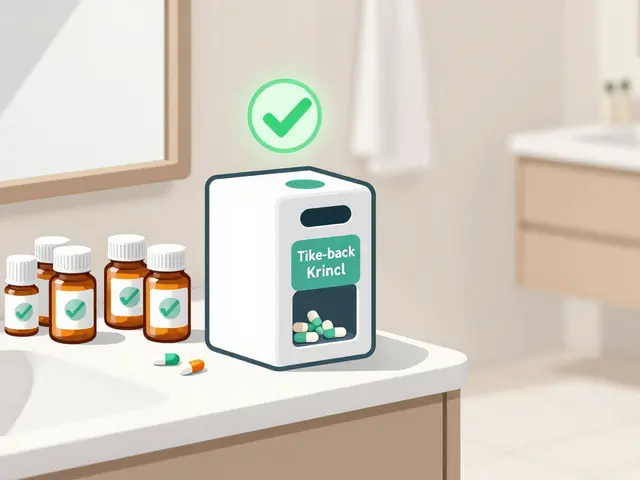
Disposing of Expired Medications Safely: Take-Back and FDA Guidelines
Learn the FDA's safe methods for disposing of expired medications, including take-back programs, mail-back envelopes, and when flushing is allowed. Avoid risks to health and the environment with clear, up-to-date guidelines.
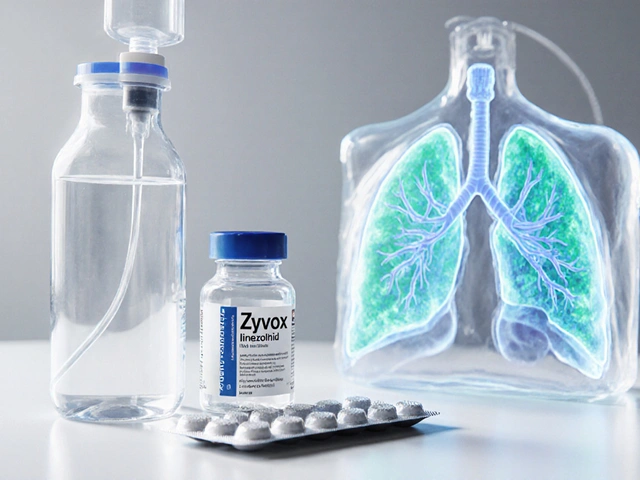
Zyvox (Linezolid) vs Alternative Antibiotics: In‑Depth Comparison
A detailed side‑by‑side look at Zyvox (linezolid) versus its main alternatives, covering uses, safety, dosing, cost and how to pick the right drug.

Review of Uspharmashop.com: Discover Reliable Online Pharmacy Benefits
Explore a thorough review of uspharmashop.com, detailing personal experiences and insights into website usability, pricing, and delivery. Get valuable tips on navigating online pharmacies and snagging discounts with promo codes. Learn how the site transition may affect users and where to find the updated website.
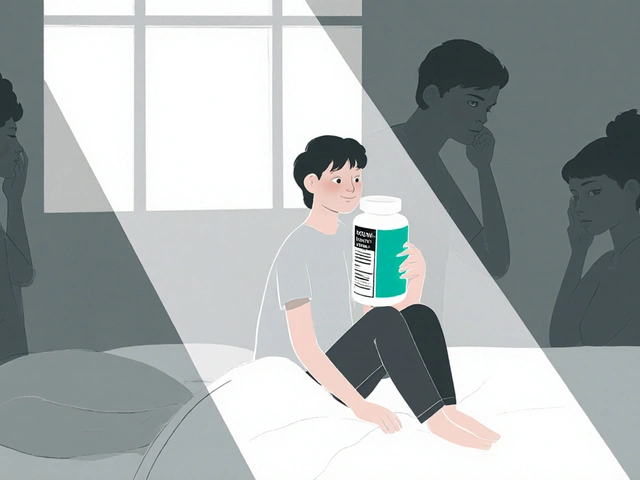
Suicidal Thoughts on Antidepressants: What the Black Box Warning Really Means
The FDA's Black Box warning on antidepressants alerts users to increased suicidal thoughts in young people. While the risk is small and temporary, the warning has led to fewer prescriptions-and more suicides. Here's what you need to know to stay safe.
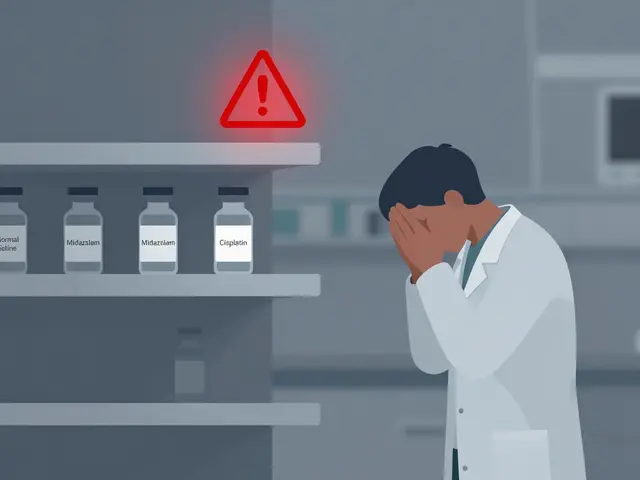
Injectable Medication Shortages: Why Hospital Pharmacies Are on the Front Line
Hospital pharmacies are on the front lines of a growing crisis: injectable medication shortages. With 60% of all drug shortages involving sterile injectables, hospitals face daily disruptions that delay surgeries, compromise care, and force ethical dilemmas. This is not a temporary glitch-it's a systemic failure.