Generic drugs save billions annually and make up 90% of U.S. prescriptions. Learn how they’re made, from reverse engineering brand-name drugs to FDA-approved manufacturing steps - and why they’re just as safe and effective.
Read MoreANDA: What It Is, Why It Matters for Generic Drugs and Patient Safety
When you pick up a generic pill at the pharmacy, chances are it entered the U.S. market through an ANDA, Abbreviated New Drug Application, the FDA’s official pathway for approving generic versions of brand-name medicines. Also known as Abbreviated New Drug Application, it’s the legal and scientific bridge that lets cheaper drugs reach millions without repeating costly clinical trials. This isn’t just paperwork—it’s the reason your blood pressure pill costs $4 instead of $400.
Before an ANDA gets approved, the FDA checks if the generic matches the brand-name drug in active ingredient, strength, dosage form, and how it’s absorbed by your body. That’s called bioequivalence. But it doesn’t stop there. The agency also inspects the manufacturing plant—because a drug isn’t safe just because it has the right chemistry. You’ll find posts here about generic drug defects, common manufacturing issues like capping, contamination, and weight variation that can slip through if oversight is weak, and how pharmaceutical recalls, often triggered by ANDA-related quality failures affect real people. These aren’t edge cases. In 2022, over 100 generic drugs were recalled in the U.S. alone, many tied to production flaws uncovered during the ANDA review process.
ANDA doesn’t just lower prices—it reshapes access. Without it, drugs like metformin, lisinopril, or even birth control pills would be unaffordable for most. But the system has pressure points. The same companies that make brand-name drugs often produce the generics too, and sometimes cut corners. That’s why posts here dig into drug safety, how patients can spot red flags in their meds, and where to find verified side effect data from FDA sources like DailyMed and VigiAccess. You’ll also see comparisons between brand and generic versions, like how Zetia and its generics behave differently in real-world use, or why some people report different effects with the same generic from two different makers.
There’s another layer: the Hatch-Waxman Act, which created the ANDA system in 1984. It balanced innovation and access by letting brand-name makers recover patent time lost during FDA review through patent term restoration, a legal tool that delays generic entry and keeps prices high longer. That’s why some generics still take years to appear—even after a patent expires. And when multiple companies file ANDAs for the same drug, it can lead to shortages if only one manufacturer can meet quality standards.
What you’ll find in these posts isn’t theory. It’s real-world insight: how to read a pill label and know if it’s truly equivalent, where to report bad batches, why your pharmacist might ask if you’ve switched generics lately, and how the system protects—or fails—patients every day. This isn’t about legal jargon. It’s about your health, your wallet, and whether the medicine you rely on is as safe as it should be.
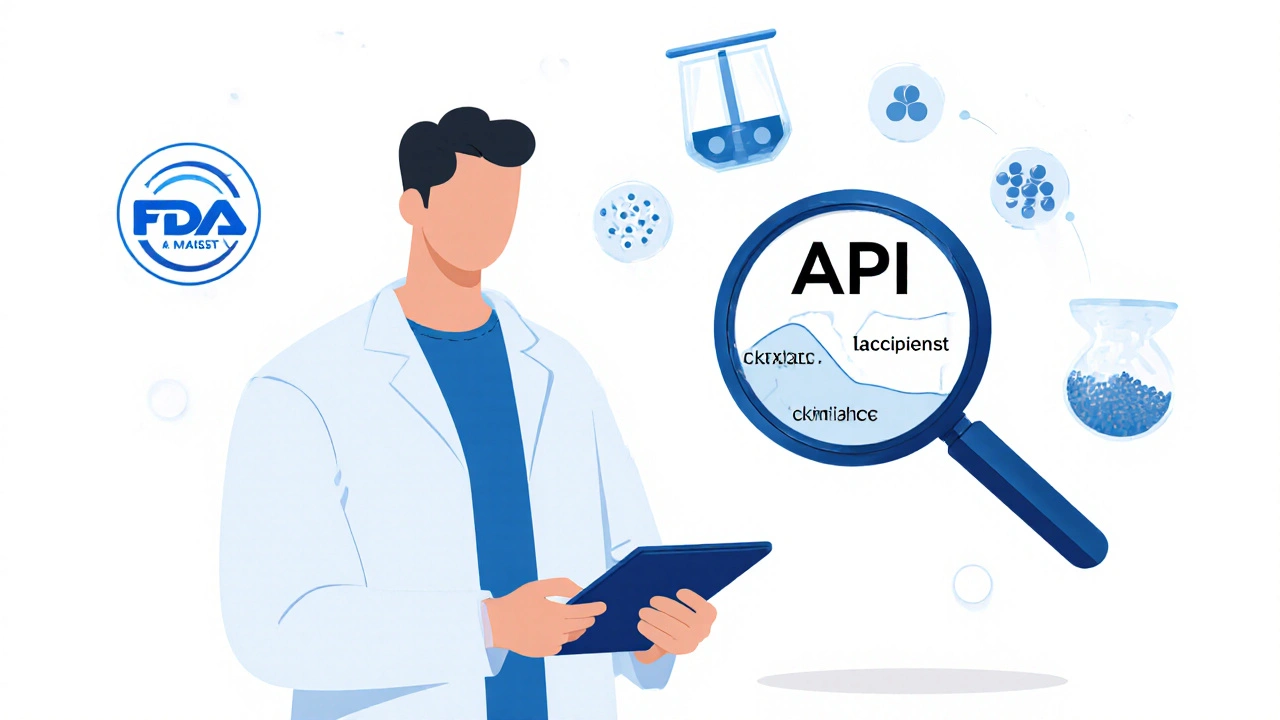
How Generic Drugs Are Made: The Full Manufacturing Process Explained
Archive
Categories
Buy Cheap Generic Doxycycline Online - UK Guide 2025
Learn how to safely buy cheap generic doxycycline online in the UK, verify licensed pharmacies, compare prices, and avoid scams with this 2025 guide.
9 Best Alternatives to Clomid: Exploring Effective Options
Clomid is a well-known fertility drug used to stimulate ovulation, but it's not the only option available. For those seeking alternatives, various supplements and treatments offer unique benefits and drawbacks. From natural supplements like N-Acetylcysteine to advanced therapies like Letrozole, understanding these options can empower you on your fertility journey. This comprehensive guide will help you navigate through nine different Clomid alternatives.

Environmental Triggers Behind Fungal Skin Discoloration
Explore how humidity, temperature, sweat, clothing, UV light and other environmental factors fuel fungal skin discoloration and learn practical prevention tips.
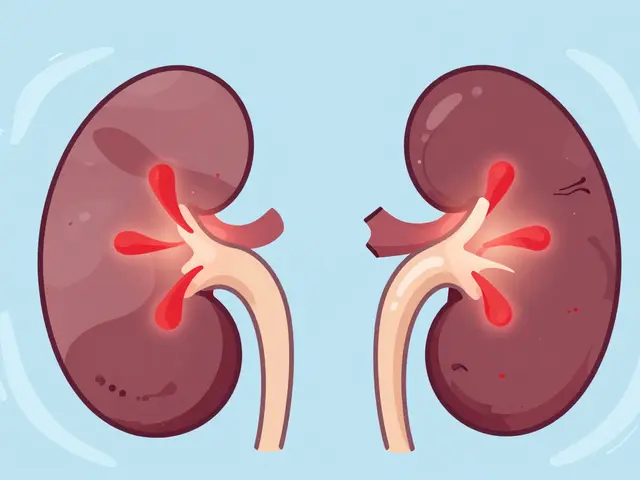
IgA Nephropathy Prognosis and Current Treatments: What You Need to Know in 2025
IgA Nephropathy prognosis and treatment have changed dramatically in 2025. Learn how KDIGO guidelines now recommend early combination therapy, the role of Nefecon and SGLT2 inhibitors, and what patients need to know about proteinuria targets and access to care.
Why Strawberry Dietary Supplements Boost Your Self‑Care Routine (Benefits, Dosage, UK Safety)
Curious if strawberry supplements deserve a spot in your routine? Get evidence-backed benefits, smart dosing, UK safety tips, and a simple plan to make it stick.