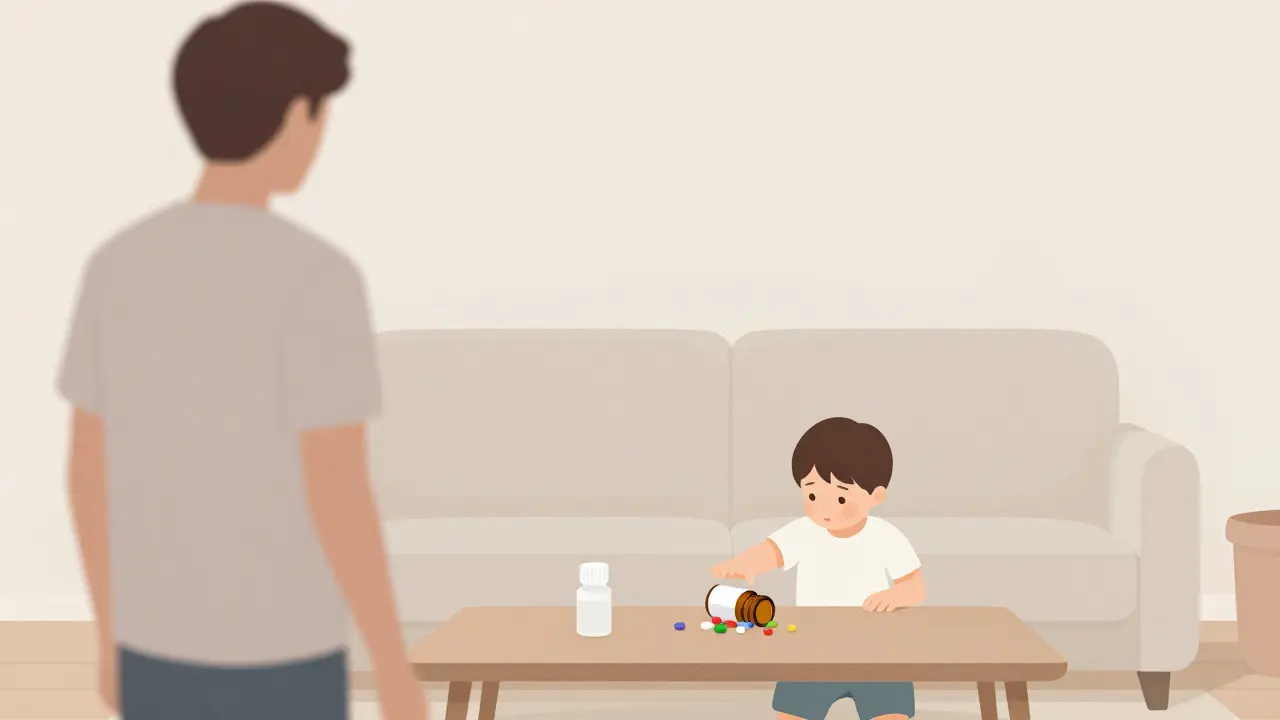
It happens in a split second. You turn your back for five minutes to answer the phone, and when you look back, the bottle of pain relievers is open, and your toddler is holding one. Your heart drops. Is it an emergency? Do you call Poison Control or rush to the ER? Knowing the difference between a minor exposure and a life-threatening overdose can save a child’s life.
Pediatric medication overdose is not just about intentional misuse; it is often an accident caused by confusion over dosages or curious little hands. According to the American Academy of Pediatrics (AAP), drug overdose is a serious public health issue with potentially fatal consequences. Children’s bodies process medications differently than adults, meaning even small errors can lead to severe organ damage if not treated quickly.
Recognizing the Early Warning Signs
The symptoms of a medication overdose depend entirely on what was ingested. There is no single "overdose look" that applies to every drug. However, certain patterns emerge based on the type of medication.
If your child has taken opioids, such as codeine or hydrocodone, watch for these six critical signs identified by the California Department of Public Health:
- Small, constricted "pinpoint" pupils
- A limp body or loss of muscle tone
- Falling asleep suddenly or losing consciousness
- Choking or gurgling sounds (often called the "death rattle")
- Slow, shallow, or absent breathing
- Cold, clammy skin with blue or purple lips and nails
Rady Children's Hospital adds that unresponsiveness to external stimuli-like rubbing their sternum-is a major red flag. If your child is awake but seems confused, dizzy, or irritable, they may have overdosed on stimulants like ADHD medications. These cases can escalate quickly to high blood pressure, seizures, or even stroke.
The Silent Danger: Acetaminophen Toxicity
Acetaminophen (known widely as Tylenol) is perhaps the most dangerous common household medicine because its symptoms are delayed. This delay creates a false sense of security.
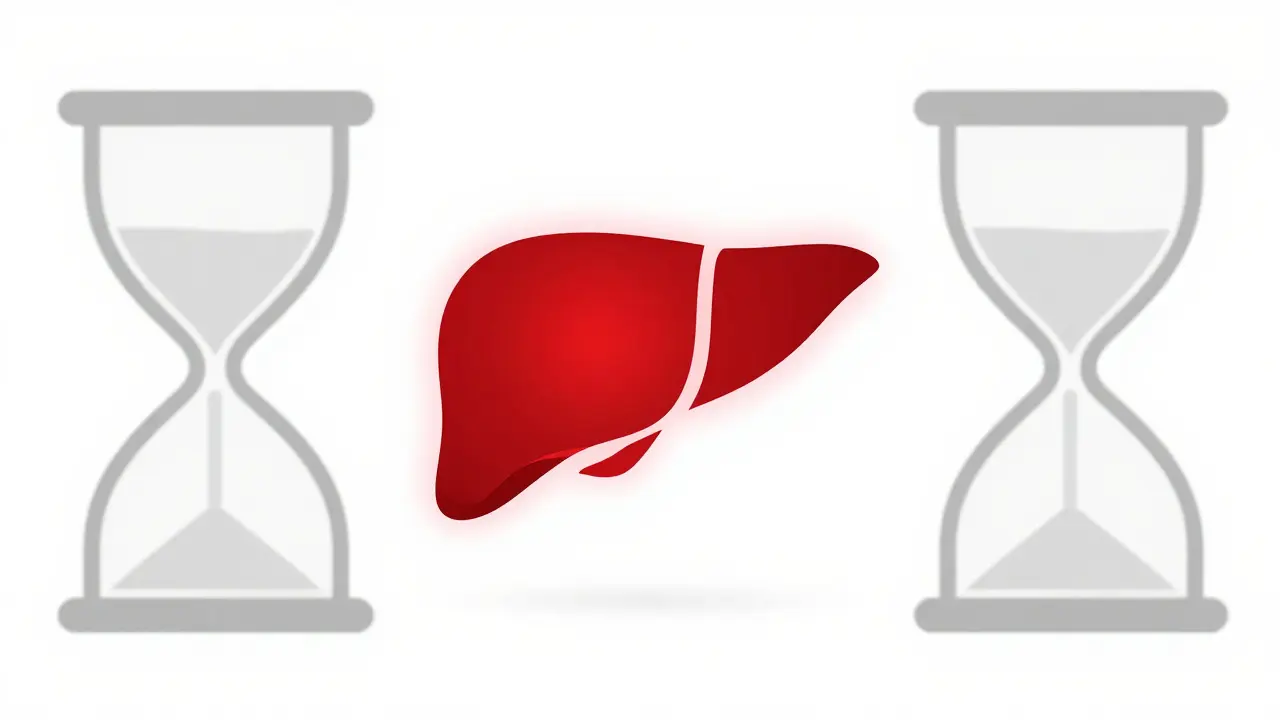
In the first few hours after ingestion, a child may appear completely normal. However, liver damage is progressing silently. Symptoms like nausea, vomiting, abdominal pain, and breathing problems typically do not appear until 24 hours post-ingestion. By then, the window for effective treatment has narrowed significantly.
The Cleveland Clinic notes that N-acetylcysteine (NAC), the antidote for acetaminophen poisoning, is 100% effective if given within eight hours of ingestion. After 16 hours, effectiveness drops to 40%. This means waiting for symptoms to appear can be catastrophic. Dr. Katherine O'Connor, Pediatric Medical Director at The Children's Hospital at Montefiore, emphasizes that the window for effective treatment is narrow, especially since liver damage progresses without visible signs initially.
| Medication Class | Key Symptoms | Onset Time | Immediate Action |
|---|---|---|---|
| Opioids | Pinpoint pupils, slow breathing, unconsciousness | Rapid (minutes) | Administer Naloxone, Call 911 |
| Acetaminophen | Nausea, vomiting, abdominal pain (delayed) | Delayed (up to 24 hours) | Call Poison Control Immediately |
| Stimulants (ADHD meds) | Confusion, rapid heartbeat, agitation, fever | Moderate (30-60 mins) | Call Poison Control or 911 if severe |
| Cough/Cold Meds | Dizziness, hallucinations, rapid breathing | Moderate | Call Poison Control |
Poison Control vs. 911: Who to Call?
This is the decision that causes the most panic. Here is the simple rule: When in doubt, call Poison Control. They are experts who can guide you through the situation in real-time.
You should call the U.S. Poison Control Center hotline (800-222-1222) immediately if:
- Your child swallowed a medication but shows no symptoms yet.
- You suspect an accidental overdose of over-the-counter drugs like cold medicine.
- You are unsure how much was ingested.
However, dial 911 immediately if your child exhibits any of these life-threatening signs:
- Unresponsiveness to stimulation (cannot be woken up).
- Difficulty breathing or cessation of breathing.
- Uncontrollable twitching, shaking, or seizures.
- Severe behavioral changes or psychosis.
- Swallowing difficulties or drooling excessively.
- Rapidly spreading rashes or facial swelling (lips/tongue).
If you suspect an opioid overdose involving fentanyl, administer naloxone immediately if you have it. The California Department of Public Health advises giving one dose, waiting 2-3 minutes, and repeating if necessary while waiting for emergency services. Fentanyl increases the risk of fatal overdose significantly, so speed is critical.
What to Do While Waiting for Help
Time matters. While you are on the phone with Poison Control or waiting for an ambulance, follow these steps recommended by Rady Children's Health:
- Check responsiveness: Rub your knuckles firmly against the child’s sternum or upper lip. See if they react.
- Check breathing: Look at their chest. Are they breathing normally? If not, begin rescue breathing if you are trained.
- Gather information: Find the medication bottle. Note the name, strength, and approximate amount taken. This helps medical professionals choose the right antidote.
- Do not induce vomiting: Unless specifically instructed by Poison Control, do not make your child throw up. This can cause aspiration (breathing vomit into the lungs), which is dangerous.
Alberta Health Services warns that even if a child appears well after an acetaminophen overdose, they need immediate medical evaluation. Problems can develop later, so "watching and waiting" at home is rarely safe for significant ingestions.
Prevention Strategies That Actually Work
Prevention is always better than cure, but standard advice like "use child-resistant caps" isn't enough. Data from the AAP shows that 20% of poisonings occur despite these measures. Here are more robust strategies:
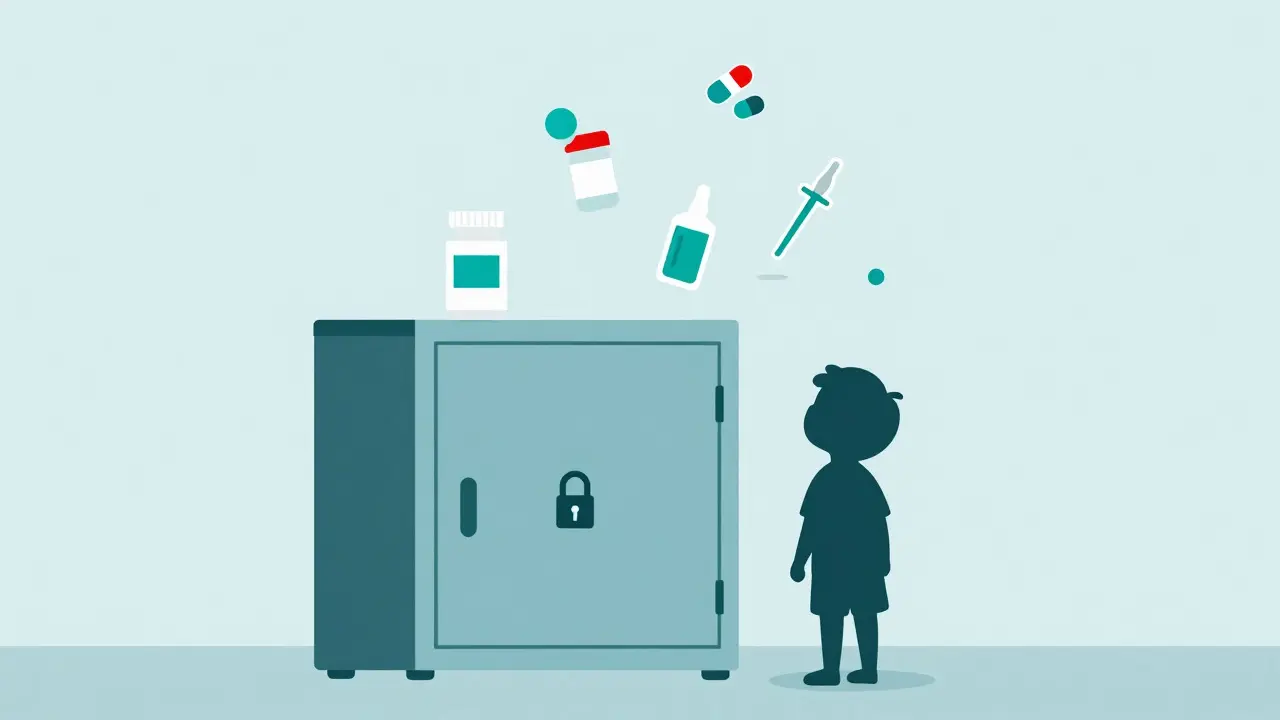
Lock it up. Sixty percent of childhood poisonings happen in the child’s own home. Child-resistant packaging is designed to be difficult for children, not impossible. Store all medications in locked cabinets or high shelves out of reach. Never leave pills on countertops or nightstands where toddlers can climb.
Read the labels carefully. Seventy percent of acetaminophen overdoses in children happen because caregivers combine products containing the same active ingredient. For example, taking a multi-symptom cold medicine along with separate pain relievers can double or triple the acetaminophen dose. Always check the "Active Ingredients" list on every box.
Change the language. Never refer to medication as "candy." This normalizes ingestion and makes pills seem appealing to young children. Use clear terms like "medicine" or "vitamins."">
Use proper measuring devices. Kitchen spoons are inaccurate. The FDA now requires unit-dose packaging for liquid acetaminophen to reduce errors. Use only the syringe or cup provided with the medication. The FDA proposes further requirements for standardized measuring devices by 2025 to prevent an estimated 45,000 annual pediatric dosing errors.
Understanding the Statistics and Risks
It helps to understand the scale of the problem to stay vigilant. The American Association of Poison Control Centers reported over 2.1 million human exposure cases annually. Children under 6 account for nearly half of all exposures. Acetaminophen remains the most common single substance involved in pediatric poisoning cases (12.1% of all exposures), followed by cough and cold preparations (7.8%).
The National Safety Council reports that medication poisoning is the second leading cause of unintentional injury death among children ages 1-4 years. Between 2018 and 2022, there were 1,520 pediatric fatalities from medication poisoning, a 24% increase from the previous five-year period. These numbers highlight why awareness is crucial.
New risks are emerging too. Medical marijuana products accounted for 4,500 pediatric exposures in 2022, a massive 1,475% increase from 2017 levels. The AAP calls for updates to the Poison Prevention Packaging Act to address these new threats. With 68% of U.S. households maintaining 10 or more medications, the complexity of home medication regimens continues to create new overdose risks.
Digital Tools for Safer Management
Technology is also playing a role in prevention and response. In 2023, Poison Control launched webPOISONCONTROL®, an online tool providing real-time guidance for non-emergency exposures. It processed over 120,000 cases in its first year. If you are unsure about a minor exposure, this digital resource can provide immediate expert advice without tying up phone lines.
Additionally, the CDC’s 2024 Opioid Overdose Prevention Toolkit mentions fentanyl test strips. While primarily for adult use, these strips can help identify if diverted medications contain fentanyl, adding a layer of safety if you are managing prescription opioids at home.
How long does it take for acetaminophen overdose symptoms to appear?
Symptoms of acetaminophen overdose, such as nausea and abdominal pain, may not appear for up to 24 hours after ingestion. However, liver damage begins much earlier. This delay makes early intervention critical, as the antidote (NAC) is most effective when given within 8 hours.
Should I make my child throw up if they swallow medicine?
No, do not induce vomiting unless specifically instructed by Poison Control or a doctor. Vomiting can lead to aspiration, where stomach contents enter the lungs, causing pneumonia or choking. Instead, call Poison Control immediately for guidance.
When should I call 911 instead of Poison Control?
Call 911 immediately if your child is unresponsive, having trouble breathing, seizing, or showing signs of severe allergic reaction like facial swelling. Poison Control is best for non-life-threatening exposures or when symptoms are not yet present.
Are child-proof caps enough to prevent overdose?
Child-proof caps reduce risk but are not foolproof. About 20% of poisonings occur despite their use. Experts recommend storing medications in locked cabinets or high, inaccessible places, especially for toddlers who are skilled climbers.
What is the number for Poison Control in the US?
The national Poison Control hotline in the United States is 800-222-1222. It is available 24/7 and provides free, expert advice for potential poisonings and overdoses.