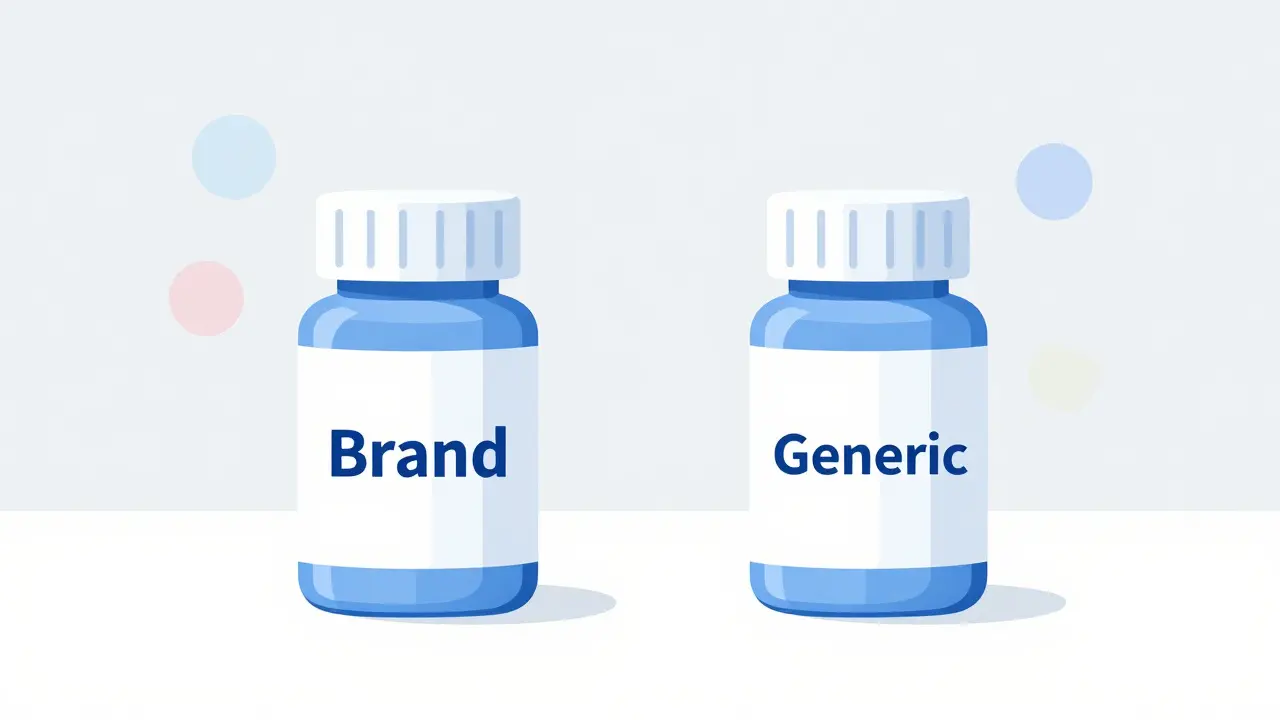
Switching from a brand-name drug to a generic medication is the most common way patients and insurers save money. In fact, generics make up over 90% of prescriptions filled in the United States. But does saving cash mean you’re getting the exact same result? For most people, yes. The U.S. Food and Drug Administration (FDA) requires generics to be bioequivalent, meaning they deliver the same amount of active ingredient into your bloodstream within a similar timeframe as the brand.
However, for some medications-especially those with a Narrow Therapeutic Index (NTI)-small differences can matter. If you’ve recently switched and feel like your condition isn’t controlled as well, you aren’t imagining things. Tracking your body’s response is critical. This guide breaks down exactly how to monitor your health, what metrics to watch, and when to call your doctor.
Understanding Bioequivalence and Why It Matters
To track effectiveness, you first need to know what “effective” means legally versus clinically. The FDA mandates that a generic drug must have a 90% confidence interval for its absorption rate falling between 80% and 125% of the brand-name drug. While this sounds precise, it actually allows for a significant variance in exposure. As noted by Dr. Jerry Avorn at Harvard Medical School, this window can theoretically allow up to a 44% difference in drug exposure between two batches or manufacturers.
For most drugs, like antibiotics or blood pressure meds, your body handles this range easily. But for NTI drugs, such as warfarin, levothyroxine, or certain anti-seizure medications, even a small shift in concentration can push you out of the therapeutic zone. This is why tracking isn’t just about feeling better; it’s about catching subtle shifts before they become emergencies.
Step-by-Step: How to Monitor Your Response
Tracking medication effectiveness isn’t a guessing game. You need a structured approach. Here is a practical protocol based on clinical guidelines from the Institute for Safe Medication Practices (ISMP).
- Establish a Baseline: Before switching, document your current status. If you take warfarin, note your latest INR. If you manage diabetes, record your average HbA1c or daily glucose readings. For mental health medications, use a standardized mood scale or symptom diary. Without a baseline, you have no reference point to judge change.
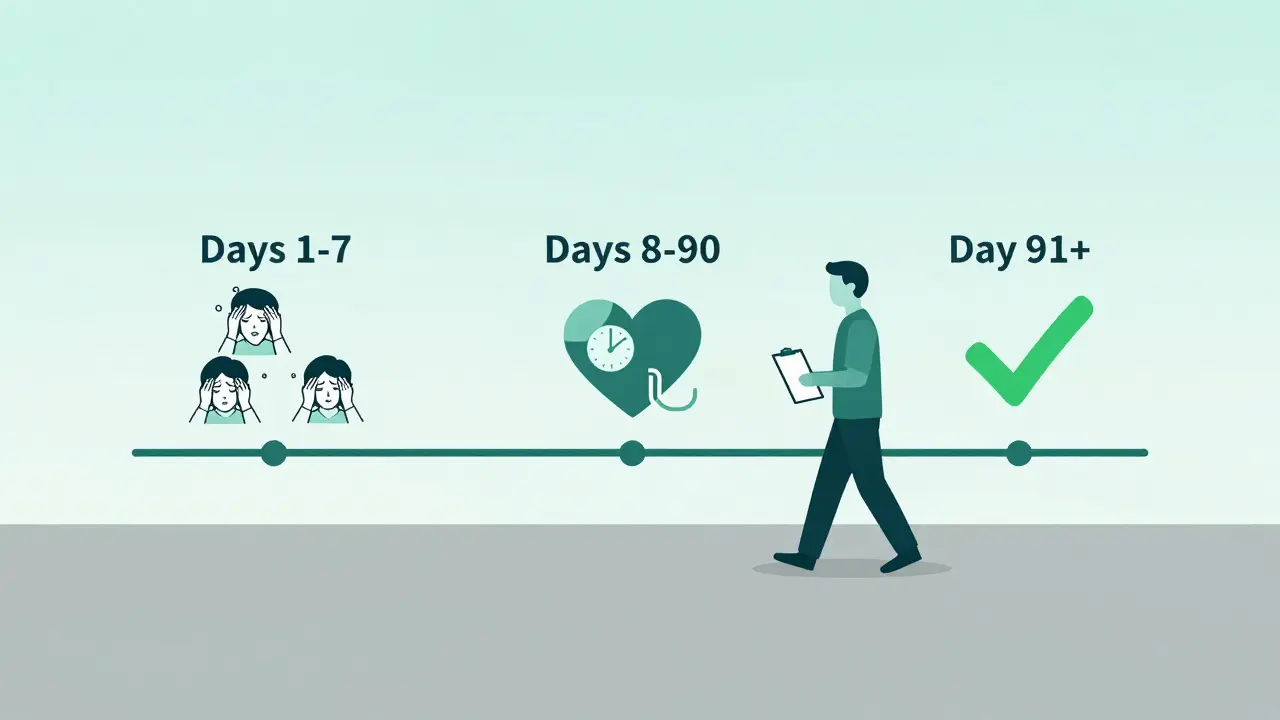
- The First Week (Days 1-7): Focus on immediate side effects. Did you get a headache? Nausea? Changes in sleep? These are often caused by different inactive ingredients (fillers, dyes) in the generic formulation. Keep a simple log: date, time of dose, and any new symptoms.
- The Critical Window (Days 8-90): This is where therapeutic failure usually shows up. For NTI drugs, this period requires strict laboratory monitoring. For non-NTI drugs, rely on patient-reported outcomes. Are your seizures returning? Is your anxiety spiking? Is your blood pressure creeping up?
- Long-Term Stability (Day 91+): If you’ve reached day 90 without issues, the switch is likely successful. Transition back to standard monitoring intervals.
Key Metrics to Watch for Specific Conditions
Not all medications require the same level of scrutiny. Here is how to track effectiveness based on your specific condition.
| Medication Class | Primary Metric | Frequency | Red Flag Threshold |
|---|---|---|---|
| Warfarin (Blood Thinner) | INR Level | Weekly for first month | Outside target range (usually 2.0-3.0) |
| Levothyroxine (Thyroid) | TSH Levels | Every 6-8 weeks | TSH fluctuation >15% from baseline |
| Antiepileptic Drugs (AEDs) | Seizure Frequency | Daily Log | Any breakthrough seizure |
| Lisinopril (Blood Pressure) | Home BP Readings | Twice weekly | Systolic increase >10 mmHg |
| Psychiatric Meds | Mood/Symptom Diary | Daily | Return of prior symptoms |
Research published in the Journal of Clinical Psychopharmacology showed that 23.4% of patients switched to generic levothyroxine experienced TSH fluctuations beyond the therapeutic range within six months, compared to only 8.2% of those who stayed on the brand. This data proves that passive waiting is dangerous for thyroid patients. Active lab tracking is non-negotiable.
Using Technology and EHR Alerts
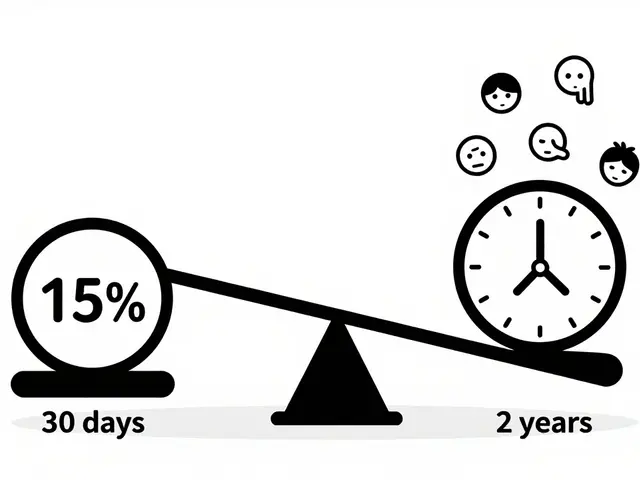
You don’t have to do this alone. Modern healthcare systems are integrating smarter tools. Many Electronic Health Records (EHR), like Epic Systems, now include modules that flag potential therapeutic failures. If your lab values deviate by more than 15% from your baseline within 90 days of a switch, these systems can trigger alerts for your clinician.
If your provider uses such technology, ask them: “Do I have an alert set for my recent generic switch?” Additionally, the FDA has launched initiatives like the ‘Generic Switch Sentinel Network’ to monitor real-world outcomes. On the patient side, apps are emerging that allow you to self-report outcomes. Using a digital pill tracker or a symptom journal app can provide concrete data to show your doctor, moving the conversation from “I feel weird” to “My symptoms worsened by 20% after the switch.”

When to Consider Switching Back
Sometimes, despite best efforts, the generic doesn’t work for you. This isn’t a failure of the drug; it’s a mismatch of chemistry. Studies indicate that treatment discontinuation-defined as a gap in medication supply exceeding 90 days-is a validated proxy for efficacy issues. If you find yourself skipping doses because you feel worse, or if your hospitalization rates increase, it’s time to act.
Here is the decision tree:
- Labs are off: If your INR, TSH, or drug levels are outside the therapeutic window, contact your prescriber immediately. They may adjust the dose or switch you back to the brand.
- Symptoms return: If your seizures break through, your mood destabilizes, or your pain returns, document the timeline. Correlate the start of symptoms with the date of the switch.
- Side effects persist: If nausea, headaches, or rashes started right after the switch and haven’t resolved after two weeks, it’s likely an intolerance to an inactive ingredient.
In a study of digoxin users, those who switched to generic saw a 34.7% increase in hospitalizations for toxicity compared to brand users. This highlights that for high-risk drugs, persistence isn’t always virtue-it can be danger. Don’t hesitate to request a “Dispense as Written” prescription if the generic fails you.
Communicating with Your Pharmacist
Your pharmacist is your frontline defense. Only about one-third of pharmacists have standardized protocols for post-switch monitoring, so you may need to initiate the conversation. Ask these specific questions:
- “Which manufacturer produced my generic?”
- “Does this drug have a Narrow Therapeutic Index designation?”
- “Can we track my refill adherence to ensure I’m not running out due to confusion?”
Pharmacists can often access the FDA Orange Book to check the therapeutic equivalence code. An ‘AB’ rating means the generic is highly comparable. A ‘BX’ rating indicates potential bioequivalence concerns, which should prompt stricter monitoring. Knowing this code empowers you to understand the risk level of your switch.
Is it normal to feel different after switching to a generic?
Yes, it can be. While the active ingredient is the same, inactive ingredients like fillers, binders, and dyes differ between manufacturers. Some patients have sensitivities to these excipients, leading to mild side effects like stomach upset or headaches. However, if you feel significantly worse regarding your primary condition, it may indicate a bioavailability issue, especially with Narrow Therapeutic Index drugs.
What is a Narrow Therapeutic Index (NTI) drug?
An NTI drug is a medication where a small change in blood concentration can lead to serious therapeutic failure or toxic side effects. Examples include warfarin, levothyroxine, phenytoin, and digoxin. Because the margin for error is so slim, these drugs require closer monitoring after a generic switch than standard medications.
How long should I wait to see if the generic works?
Most experts recommend a 90-day monitoring period. Immediate side effects usually appear within the first week. Therapeutic changes, such as shifts in blood pressure or thyroid levels, typically become evident within 30 to 60 days. If you remain stable after 90 days, the switch is considered successful.
Can I refuse a generic substitution?
Yes. You can ask your doctor to write “Dispense as Written” or “Brand Medically Necessary” on your prescription. This instructs the pharmacy not to substitute the generic. Be aware that this may result in higher out-of-pocket costs, as insurance plans often cover generics at a lower copay tier.
What does an 'AB' rating mean in the FDA Orange Book?
An 'AB' rating is the highest therapeutic equivalence code assigned by the FDA. It means the generic drug is considered bioequivalent to the brand-name reference listed drug and is expected to perform similarly in the body. An 'BX' rating suggests there may be concerns about bioequivalence, requiring more caution.