Licorice Medication Interaction Checker
Select Your Situation
Quick Facts
Active Compound: Glycyrrhizin
Safe Limit (EFSA): 100mg/day for healthy adults
Safer Alternative: DGL Licorice or Anise-flavored candy
Assessment Result
Potential Symptoms to Watch:
Recommendations:
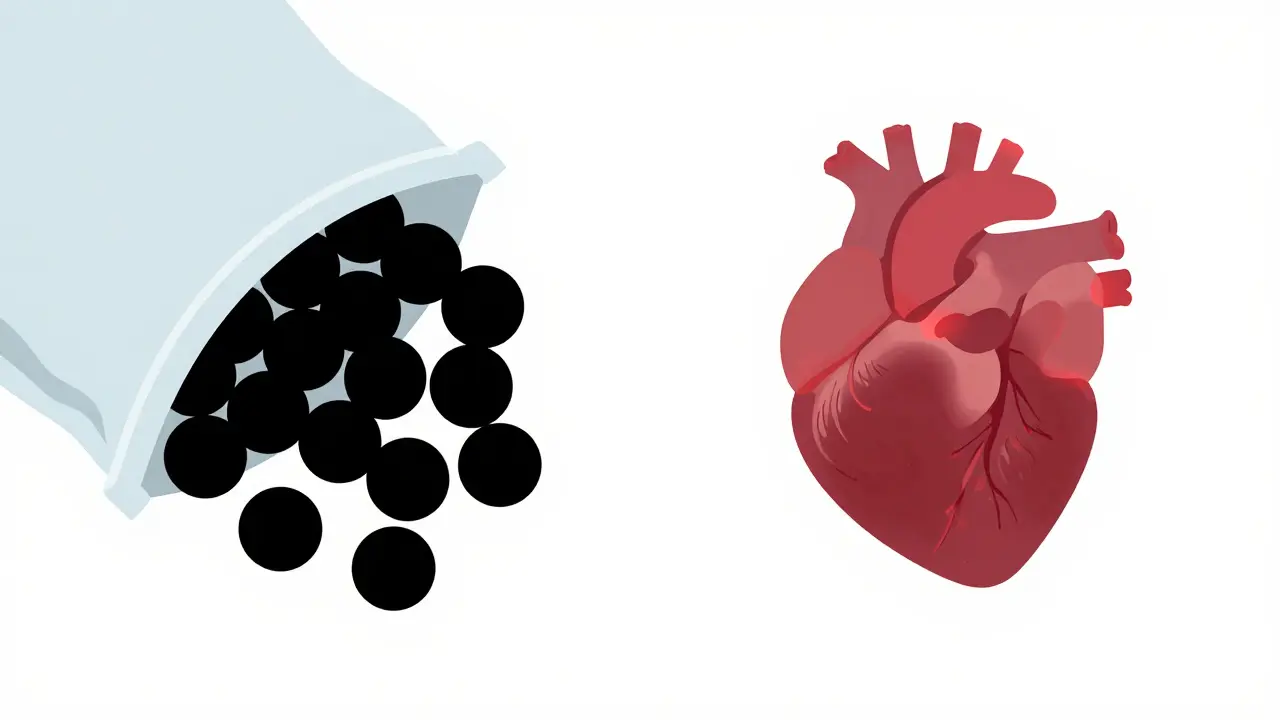
That bag of black licorice in your drawer might be doing more than just satisfying a sweet tooth. For many people, it’s harmless candy. But for those on certain medications, regular consumption can trigger serious health issues like dangerously high blood pressure or low potassium levels. This isn’t about eating one piece occasionally; it’s about the cumulative effect of glycyrrhizin, the active compound found in real licorice root. Understanding how this common treat interacts with your body and prescriptions is crucial for staying safe.
The Real Culprit: Glycyrrhizin vs. Anise Flavoring
Not all "licorice" is created equal. In the United States and parts of Europe, much of what we call licorice candy is actually flavored with anise oil. Anise has no medicinal properties and does not interact with medications. The danger lies in products made from the root of the Glycyrrhiza glabra plant, commonly known as European licorice.
The key component to watch out for is glycyrrhizin, also referred to as glycyrrhizic acid. This compound gives traditional black licorice its distinct bitter-sweet taste and powerful biological effects. When you consume glycyrrhizin, your body processes it into metabolites that interfere with enzyme systems responsible for regulating hormones. Specifically, it inhibits an enzyme called 11β-hydroxysteroid dehydrogenase type 2. This inhibition causes cortisol, a stress hormone, to accumulate and mimic the effects of aldosterone, a hormone that controls salt and water balance in your kidneys.
The result? Your body holds onto sodium and water while flushing out potassium. This process, known as pseudoaldosteronism, can lead to fluid retention, swelling, and significant shifts in electrolyte levels. Traditional black licorice candy typically contains between 0.5% and 2% glycyrrhizin by weight. Herbal supplements and extracts can contain much higher concentrations, ranging from 4% to over 24%. If you are buying "real" licorice, check the label for glycyrrhizin content, though many manufacturers fail to disclose this specific metric.
How Licorice Messes With Your Meds
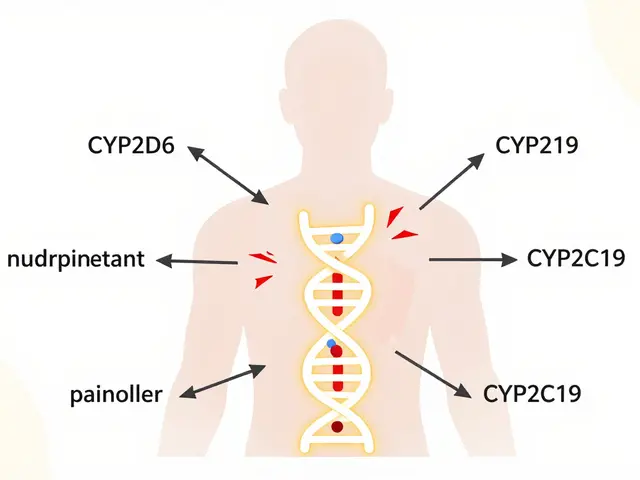
Licorice doesn't just affect your blood pressure; it can alter how your liver processes drugs. The liver uses a family of enzymes known as cytochrome P450 (CYP) to break down most medications. Research suggests that compounds in licorice, such as glabridin and licochalcone A, can inhibit these enzymes. When these enzymes are blocked, drugs stay in your system longer and at higher concentrations, increasing the risk of toxicity.
Conversely, some studies indicate that glycyrrhizin itself might induce certain CYP enzymes, speeding up the metabolism of other drugs and making them less effective. This creates a complex interaction profile where the outcome depends heavily on the specific type of licorice product, the individual's genetics, and the medication involved. Here is a breakdown of the most critical medication classes affected:
| Medication Class | Interaction Mechanism | Potential Risk |
|---|---|---|
| Diuretics (Water Pills) | Additive potassium loss | Severe hypokalemia (low potassium), muscle weakness, heart arrhythmias |
| Antihypertensives | Sodium/water retention counters BP meds | Uncontrolled high blood pressure, stroke risk |
| Digoxin | Hypokalemia increases digoxin sensitivity | Digoxin toxicity, irregular heartbeat |
| Corticosteroids | Additive mineralocorticoid effects | Fluid overload, severe hypertension |
| Warfarin | Variable enzyme inhibition/induction | Unpredictable INR levels, bleeding or clotting risks |
High-Risk Scenarios and Symptoms to Watch
You don’t need to eat pounds of licorice to see effects, but duration matters. The European Food Safety Authority (EFSA) sets a safe upper limit of 100 mg of glycyrrhizin per day for healthy adults. However, if you are on interacting medications, even smaller amounts consumed regularly can be dangerous. Clinical case reports have documented severe reactions after consuming as little as 50-70 grams of traditional licorice daily for two to four weeks.
Consider the case of a patient taking fludrocortisone, a steroid used for adrenal insufficiency. Despite stable usage for years, this individual developed a blood pressure spike to 205/110 mmHg and experienced panic attacks after starting to eat licorice candy. Another documented case involved a 47-year-old man who consumed 200g of licorice daily. Within three weeks, his blood pressure hit 210/120 mmHg, and his potassium levels dropped to a critically low 2.6 mmol/L. These aren’t rare anomalies; they highlight the potent physiological impact of glycyrrhizin.
Watch for these symptoms if you consume licorice while on medication:
- Persistent headaches
- Unexplained fatigue or lethargy
- Muscle weakness or cramps (signs of low potassium)
- Rapid weight gain due to fluid retention
- Confusion or irritability
- Irregular heartbeat or palpitations
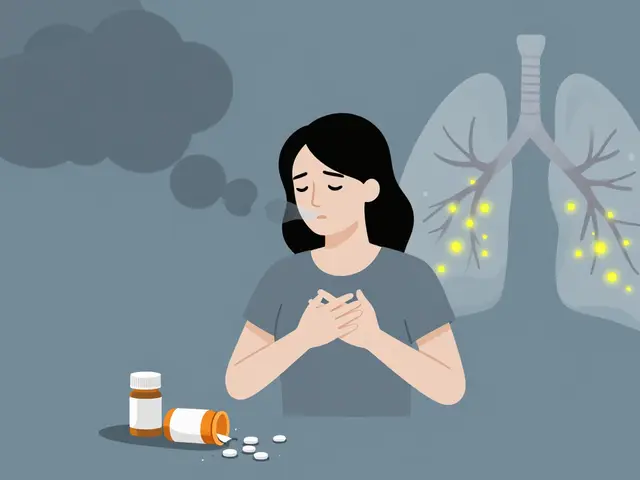
If you notice any of these signs, stop consuming licorice immediately and contact your healthcare provider. Low potassium (hypokalemia) can lead to life-threatening cardiac arrhythmias, especially if you are already taking diuretics or digoxin.
Safer Alternatives: DGL and Anise
If you love the taste of licorice but want to avoid these risks, you have options. First, look for Deglycyrrhizinated Licorice, often abbreviated as DGL. DGL is processed to remove almost all glycyrrhizin, leaving behind the soothing mucilage that makes licorice popular for digestive health. Because it lacks the active compound that causes hormonal interference, DGL is generally considered safe for people on blood pressure or potassium-affecting medications. It has been marketed since the 1970s specifically for this reason.
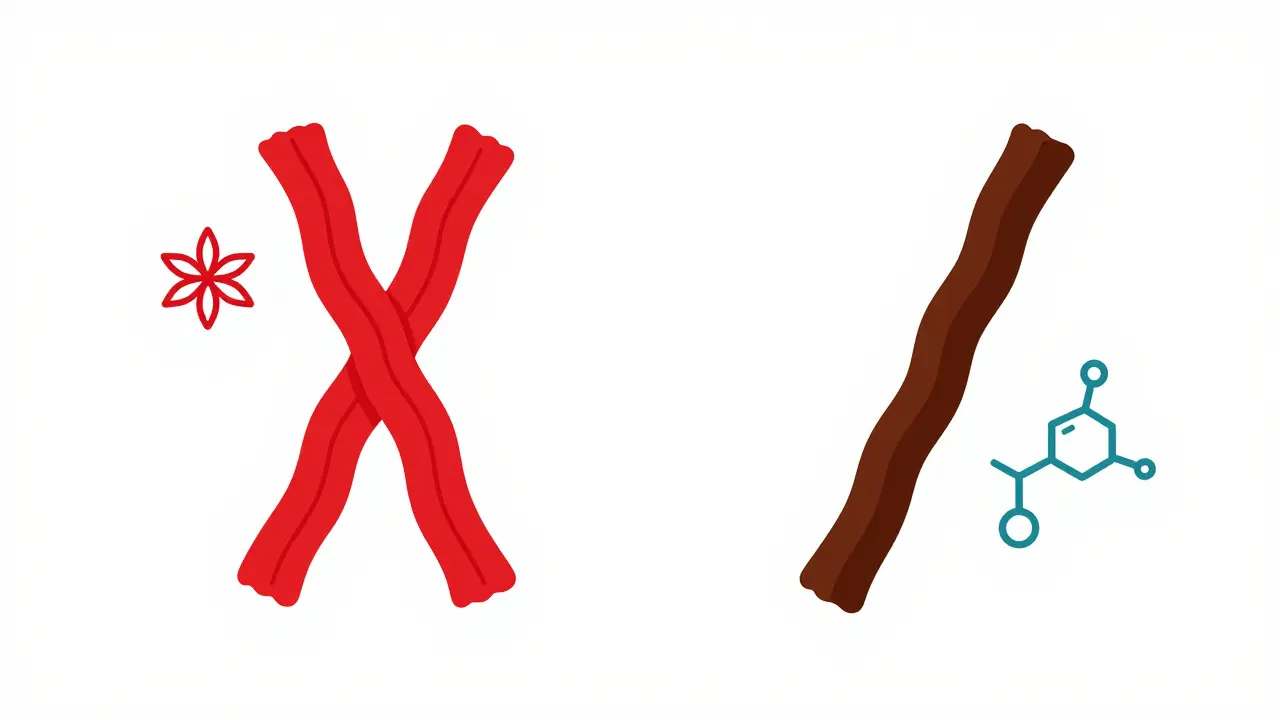
Second, choose anise-flavored candies. Most red licorice and many black varieties sold in North America use anise oil rather than licorice root. Check the ingredient list: if it says "anise flavor" or "anise oil" and does not list "licorice root extract" or "glycyrrhizin," it is likely safe from an interaction standpoint. Always remember that "natural licorice flavor" usually implies the presence of the root and its active compounds.
Practical Tips for Safe Consumption
Navigating licorice intake doesn’t mean you have to give it up entirely, but it requires mindfulness. Here is how to manage your consumption safely:
- Check the Label: Look for warnings about glycyrrhizin. In the UK and EU, products exceeding certain limits must carry warning labels. In the US, labeling is less strict, so assume any "black licorice" contains glycyrrhizin unless stated otherwise.
- Limit Frequency: Avoid daily consumption. Occasional treats (less than once a week) are unlikely to cause issues for most people, even those on medication, but consistency is what leads to accumulation.
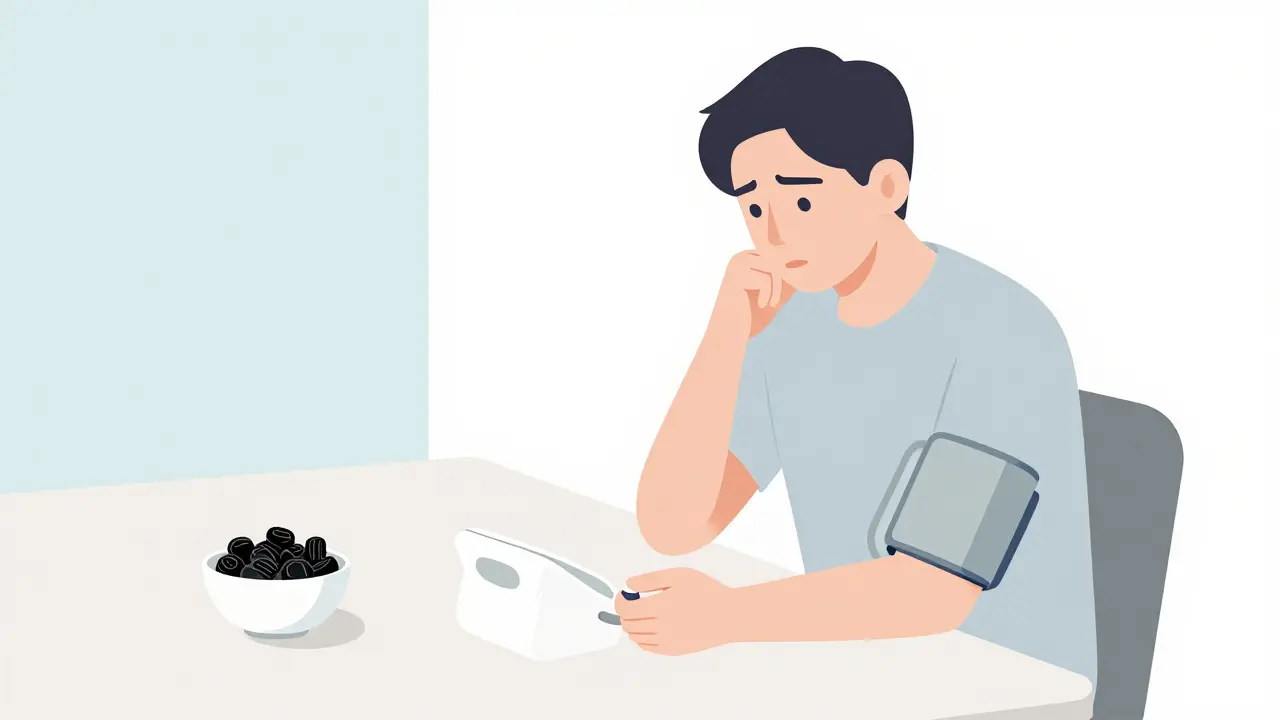
- Monitor Vitals: If you do eat licorice regularly, check your blood pressure at home. If you are on diuretics or digoxin, discuss periodic potassium blood tests with your doctor.
- Inform Your Pharmacist: Pharmacists are trained to spot herb-drug interactions. Mention your licorice habit during consultations, especially when starting new prescriptions.
- Avoid Supplements: Licorice root capsules and teas often contain concentrated doses of glycyrrhizin. These pose a much higher risk than candy and should be avoided entirely if you are on interacting medications.
Regulatory bodies like the FDA classify licorice as Generally Recognized As Safe (GRAS), but this designation comes with caveats regarding excessive consumption. The gap in consumer awareness is significant; surveys show that nearly 70% of supplement users are unaware of potential drug interactions. By educating yourself, you take control of your health outcomes.
Can I eat red licorice if I am on blood pressure medication?
Yes, in most cases. Red licorice is typically flavored with anise oil and contains no glycyrrhizin, the compound that raises blood pressure. However, always check the ingredient list to ensure it does not contain licorice root extract or glycyrrhizin.
How much licorice is too much?
The European Food Safety Authority recommends a maximum of 100 mg of glycyrrhizin per day for healthy adults. For individuals on medications affecting potassium or blood pressure, even small amounts consumed daily can be risky. It is best to avoid regular consumption entirely if you are on these drugs.
What is DGL licorice, and is it safe?
DGL stands for Deglycyrrhizinated Licorice. It is licorice root that has had the glycyrrhizin removed. Because it lacks the active compound that causes hormonal changes, DGL is generally safe for people taking blood pressure or potassium-altering medications. It is often used for digestive relief.
Does licorice interact with birth control pills?
There is limited direct evidence of licorice reducing the efficacy of oral contraceptives. However, because licorice can increase estrogen levels slightly and affect liver enzymes, it may theoretically alter hormone metabolism. If you experience breakthrough bleeding or other issues, consult your doctor, but occasional consumption is generally not considered a major risk.
I feel weak and tired after eating licorice. Should I worry?
Yes, these could be signs of hypokalemia (low potassium). Licorice causes the body to excrete potassium, leading to muscle weakness, fatigue, and potentially dangerous heart rhythms. Stop eating licorice immediately and seek medical advice to have your potassium levels checked.

10 Comments
I never thought about the difference between anise and real licorice root before. It makes sense that the actual root would have stronger effects since it's a plant extract rather than just flavoring oil. I tend to buy those black jelly beans at gas stations so I'll have to check the labels next time. It is interesting how small amounts can add up over time.
They are hiding this from us on purpose!!! The big candy companies know exactly what they are doing with these chemicals in our food supply. It is a conspiracy to make us sick so we buy more supplements which they also control. Wake up people! This is not just about candy it is about control of your body by corporate giants who don't care if you die or not. They want you dependent on their poison pills and their poison sweets.
You are completely missing the point here. The issue is not some grand conspiracy but basic pharmacology. Glycyrrhizin inhibits 11β-hydroxysteroid dehydrogenase type 2. If you cannot grasp that simple enzymatic inhibition leads to pseudoaldosteronism then you are not qualified to comment on medical interactions. People like you spread misinformation because you lack the intellectual capacity to read a label or understand biochemistry. Stop spreading fear mongering nonsense and learn some science.
Oh look another robot trying to use big words to confuse me. You think you are smart but you are just a pawn. They pay you to shut down questions. I trust my gut more than your fake science. My gut says this is all wrong and dangerous for everyone not just people on meds. Keep telling yourself that sugar is safe while your heart fails.
Hey there, I think it is great that we are discussing this topic openly. From a clinical perspective, the interaction between glycyrrhizin and cytochrome P450 enzymes is a well-documented phenomenon in pharmacokinetics. It is really important for patients to understand that 'natural' does not always mean 'safe'. We should encourage open dialogue between patients and healthcare providers regarding dietary habits. Collaboration is key here. Let's work together to ensure better health outcomes through education rather than fear. It is a complex interplay of metabolic pathways that deserves careful consideration.
I actually had a friend who ended up in the hospital because of this. She was taking water pills for her blood pressure and loved eating those Swedish Fish style candies every day. She didn't realize they were real licorice until she started feeling dizzy and her muscles cramping up constantly. It was scary to watch her struggle. I feel like doctors never warn us about these things unless we ask specifically. It feels like they assume we know everything about what we eat. Why do we have to figure this out ourselves? It is so frustrating when you try to be healthy and get hurt instead.
People need to take responsibility for their own actions. If you are on medication it is your job to read the labels. Nobody is forcing you to eat the candy. Blaming the doctor or the company is weak. Just stop eating it if it hurts you. Simple as that. No drama needed.
That is such a cold thing to say. My friend was suffering and nobody helped her until it was almost too late. It is not about blame it is about awareness. We live in a world where information is hidden behind scientific jargon that normal people cannot understand. It is dramatic because losing your health is dramatic. You wouldn't understand empathy if it bit you in the face.
lol u guys r so serious abt candy. i mean sure maybe dont eat a whole bag but cmon. life is short enjoy the sweet stuff. the universe wants u to taste the bitterness and sweetness mixed together its like a metaphor for existence or smth. also spelling matters less than vibes. why stress over potassium when u could be vibing?
In India, we often use licorice root in traditional Ayurvedic preparations for coughs and digestive issues. It is fascinating to see how Western medicine views this through the lens of drug interactions while we view it through holistic balance. However, sarcasm aside, the warning is valid. One must respect the potency of natural compounds. Ignorance is not bliss when it comes to physiology. Perhaps we can bridge the gap between traditional wisdom and modern pharmacology without dismissing either entirely. But yes, check your labels.