Millions of people take levothyroxine, a synthetic form of the thyroid hormone thyroxine (T4), to manage an underactive thyroid. It is one of the most prescribed medications globally, with nearly 260 million packs dispensed in the UK alone between 2016 and 2020. While it is generally safe for lifelong use, getting the dose right is critical. Too little leaves you feeling sluggish; too much can strain your heart. The key to staying healthy isn't just taking the pill-it's knowing how to monitor your levels and when to speak up about brand changes.
Why Monitoring Matters More Than You Think
Levothyroxine has a narrow therapeutic index, meaning the difference between a helpful dose and a harmful one is small. This makes regular blood tests non-negotiable. According to guidelines from the Specialist Pharmacy Service (SPS) updated in 2022, you cannot rely on how you feel alone. Symptoms like fatigue or weight gain are vague and can be caused by many things. Only lab results tell the truth.
When you start the medication or change your dose, your body needs time to adjust. The SPS recommends checking Thyroid Stimulating Hormone (TSH) and Free T4 levels at baseline. After that, TSH testing should happen every 6 weeks after initiation or any dose change. You repeat this every 3 months until your levels stabilize. Once stable-defined as two consecutive TSH measurements within the reference range taken 3 months apart-you can transition to annual monitoring. However, if you are pregnant or have had a recent dose adjustment, monthly checks may be necessary.
Many patients fall through the cracks here. NHS England data from 2022 showed that only 58% of primary care practices follow these recommended intervals. A staggering 32% of hypothyroid patients went more than 18 months without a TSH test. If you haven't had your thyroid checked in over a year, ask your doctor for a referral today. Your heart and metabolism depend on it.
Understanding Your Dose Adjustments
Dosing levothyroxine isn't one-size-fits-all. It depends heavily on your age and health history. For younger patients under 65 without heart disease or severe illness, doctors typically adjust doses every 4 weeks in increments of 25-50 micrograms. They look for clinical improvement and biochemical targets simultaneously.
If you are older or have cardiac issues, the approach is much slower. In these higher-risk cases, adjustments are made in smaller steps of 25 micrograms every 4 weeks. This caution prevents sudden spikes in thyroid hormone that could trigger irregular heartbeats or chest pain. Dr. Rebecca Bahn, past president of the American Thyroid Association, notes that about 15-20% of patients require dose adjustments annually due to aging, weight changes, or new medications. Your body changes, so your dose likely will too.
| Risk Category | Initial Testing | Follow-up Frequency | Dose Adjustment Increment |
|---|---|---|---|
| Low Risk (Under 65, no heart disease) | TSH, Free T4, ECG | Every 6 weeks post-change, then every 3 months | 25-50 mcg every 4 weeks |
| High Risk (Over 65, cardiac disease, pregnancy) | TSH, Free T4, ECG | Monthly during pregnancy or instability | 25 mcg every 4 weeks |
| Stable Patients | Annual check | Once yearly if asymptomatic | No change unless symptoms arise |

The Brand Switching Problem
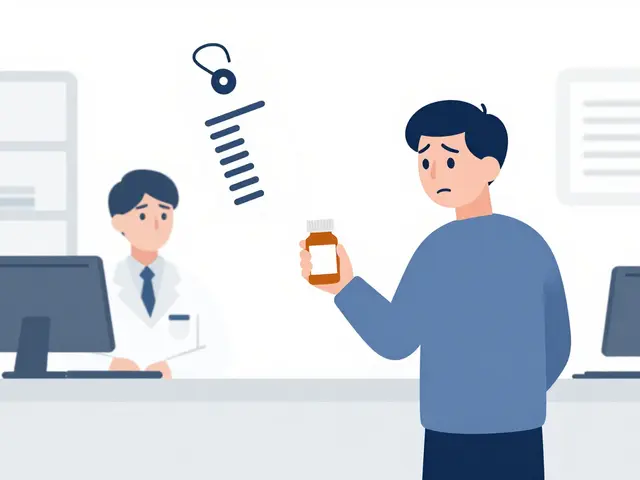
One of the biggest sources of anxiety for thyroid patients is switching brands. Even though generic versions must meet strict bioequivalence standards (90-110% of labeled potency), small differences in fillers or absorption can affect some people. The Medicines and Healthcare products Regulatory Agency (MHRA) reviewed 335 adverse event reports related to product substitution between 2015 and 2019. Of those, 47 were reported by healthcare professionals.
Symptoms reported during switches included fatigue (78%), headache (65%), malaise (52%), anxiety (47%), palpitations (39%), and abnormal weight gain (33%). Alarmingly, only 27 of those 335 cases included actual thyroid function test results. This suggests many patients blamed the brand switch without confirming their hormone levels had actually changed. However, 12 cases reported symptom recurrence even after trying the same medicine again, hinting at true hypersensitivity to specific formulations.
A survey of 1,245 members on Thyroid UK found that 68% experienced adverse symptoms when switching manufacturers, despite identical dosages. If you feel worse after a pharmacy substitutes your brand, do not just suffer in silence. Talk to your pharmacist or doctor. The MHRA now advises clinicians to specify brand names for patients who have previously struggled with switches. You have the right to request consistency.

Drug Interactions and How to Take It Right
Levothyroxine is notoriously finicky about what else you put in your stomach. To absorb it properly, you must take it on an empty stomach, ideally 30-60 minutes before breakfast. Coffee, food, and certain supplements can block its absorption significantly.
Be especially careful with these common interactions:
- Calcium and Iron Supplements: These bind to levothyroxine in the gut. Space them out by at least 4 hours.
- Antacids: Products containing aluminum or magnesium hydroxide reduce absorption. Wait 4 hours between doses.
- Cholesterol Medications: Some bile acid sequestrants interfere with uptake. Consult your doctor about timing.
- Amphetamines: Combining these with high doses of levothyroxine can cause serious heart problems.
MedlinePlus warns that large doses combined with these substances can lead to life-threatening issues. Always keep a current list of all supplements and medications with your GP. If you start a new drug, assume it might interact until proven otherwise.
When to See a Specialist
Most hypothyroidism is managed by general practitioners, but some cases need an endocrinologist. The SPS guidelines recommend referral for:
- Patient under 16 years old
- Pregnant or post-partum women
- Patients with evidence of pituitary disease
- Those with ischemic heart disease
- Patients taking amiodarone or lithium
If you have persistent symptoms despite normal TSH levels, ask about combination therapy. Research from the Mayo Clinic is exploring personalized dosing based on genetic markers, suggesting that 23% of dose variability may be genetic. While liothyronine (T3) combination therapy remains controversial, it may help a small subset of patients who don't respond to levothyroxine alone. Don't settle for "normal" labs if you still feel terrible-seek a second opinion.
How often should I get my thyroid tested?
If you are newly diagnosed or recently changed your dose, you should be tested every 6 weeks. Once stable, annual testing is standard. However, if you are pregnant, experience new symptoms, or start interacting medications, you may need monthly checks.
Can I switch levothyroxine brands freely?
For most people, yes. But if you have sensitive reactions, ask your doctor to prescribe a specific brand name. About 68% of surveyed patients reported issues with brand switches, including fatigue and anxiety.
What foods interfere with levothyroxine?
Coffee, high-fiber foods, soy, and walnuts can reduce absorption. Take your pill on an empty stomach with water only, waiting 30-60 minutes before eating or drinking anything else.
Is levothyroxine safe for long-term use?
Yes, it is considered safe for lifelong use when monitored correctly. The risks come from incorrect dosing, not the medication itself. Regular TSH testing ensures you stay in the safe zone.
Why do I still feel tired if my TSH is normal?
Normal TSH doesn't always mean optimal symptom control. Factors like vitamin deficiencies, sleep apnea, or individual hormone conversion issues can persist. Discuss these possibilities with an endocrinologist rather than accepting fatigue as inevitable.