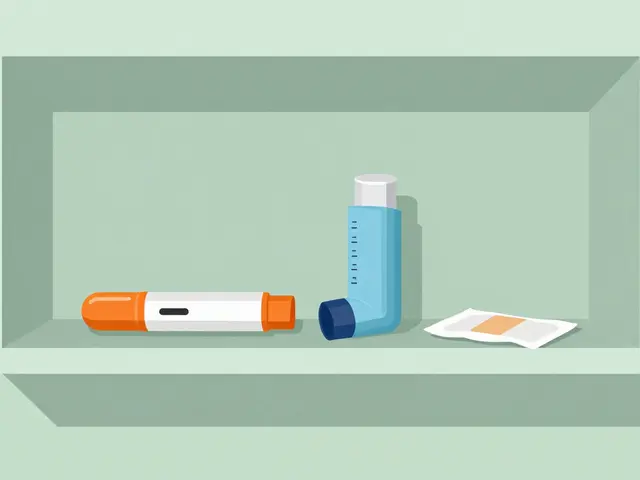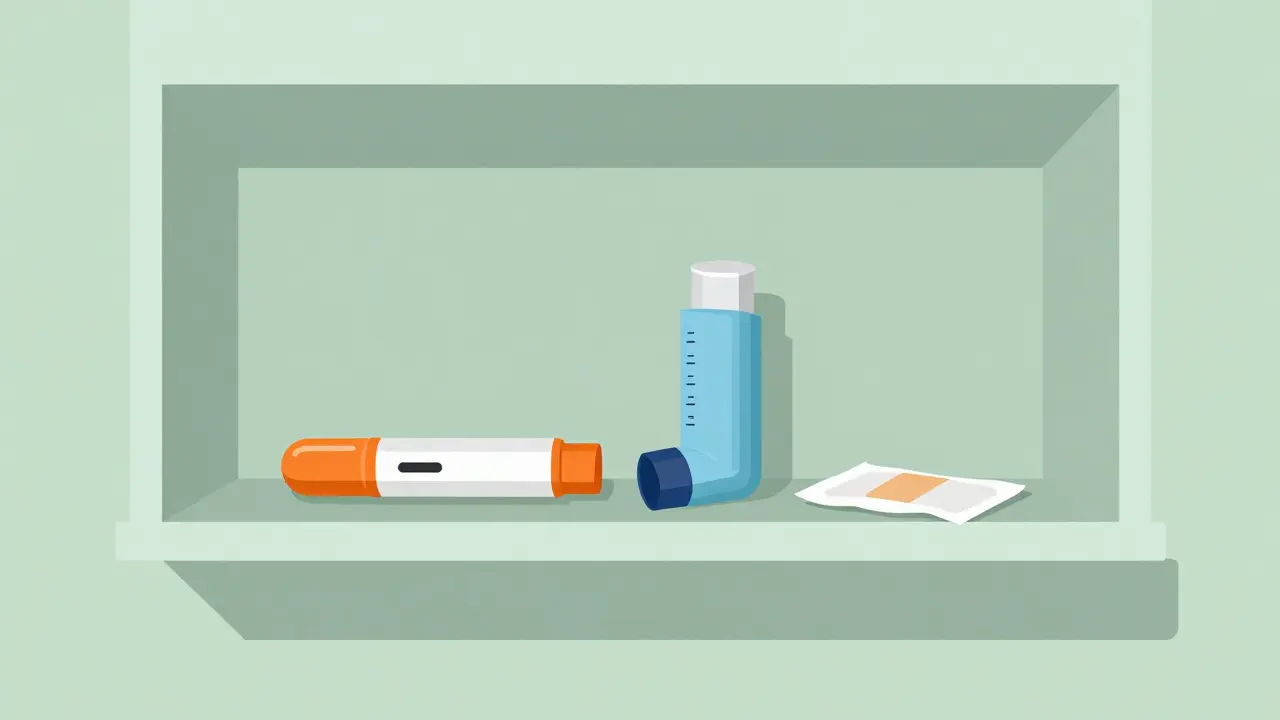
That box in the back of your medicine cabinet is probably sitting on an expired EpiPen, a half-used inhaler, or a crumpled nicotine patch. It’s easy to forget about them until you’re cleaning out the bathroom drawer. But throwing these items straight into the bin isn’t just messy-it can be dangerous. You aren’t just tossing trash; you are discarding potent drugs, pressurized chemicals, and sharp needles. Doing it wrong risks hurting sanitation workers, poisoning pets, or damaging local water supplies.
Disposing of these specific medical devices requires more than a quick toss. Each one has unique hazards. An EpiPen contains a needle and epinephrine, making it both a sharp object and a controlled substance risk. Inhalers hold pressurized gases that can explode if crushed or burned. Medicated patches often contain residual drugs that stay active even after they fall off your skin. The goal here is simple: get these items out of your home safely without harming people or the environment. Let’s break down exactly how to handle each type so you can clear that cabinet with peace of mind.
Handling Expired EpiPens: Treating Them as Sharps
An EpiPen (or any epinephrine auto-injector like Auvi-Q) is not just a plastic tube. It is a medical device classified as a "sharp" because it contains a spring-loaded needle. Even if the needle is covered by a safety cap, it remains hazardous. If you throw an EpiPen in regular recycling or trash, that needle can puncture bags, injure waste handlers, or stick out where a child or pet could find it.
The safest route is always a take-back program. When you pick up your new prescription from your pharmacy or doctor, ask if they accept old injectors. Many clinics have dedicated sharps containers for this exact purpose. According to guidelines from the Global Allergy and Asthma European Network (GA²LEN), returning used or expired injectors to your healthcare provider is the optimal method. They already have the infrastructure to incinerate them safely.
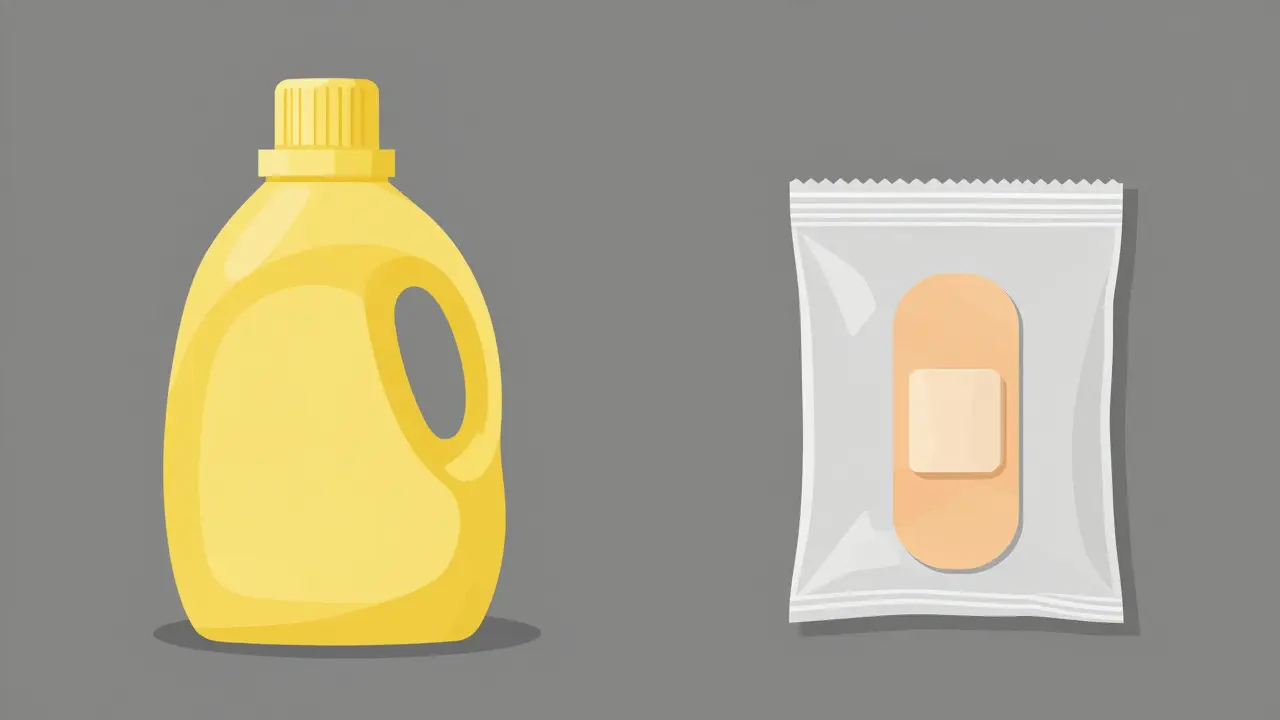
If your provider doesn’t take them, look for a DEA-designated drug take-back facility. These are often located at police stations or fire departments. You can find the nearest one using the DEA’s online locator tool. For those who need to store the EpiPen at home before dropping it off, do not use a thin plastic bag. Instead, place the injector in a heavy-duty, puncture-proof container. A thick laundry detergent bottle works well. Screw the lid on tight, label it clearly with "SHARPS - DO NOT RECYCLE," and keep it out of reach of children. Once the container is full, many pharmacies sell sealable kits that you can mail back to a processing center.
Avoid dismantling the device yourself. Some users try to remove the battery or needle, but this exposes you to the remaining medication and increases the risk of accidental injection. Treat the whole unit as a single hazardous object.
Disposing of Inhalers: Managing Pressurized Hazards
Inhalers, particularly Metered-Dose Inhalers (MDIs), pose a different kind of threat. They are small pressure vessels containing propellants like hydrofluoroalkanes (HFAs). If you crush an inhaler in a garbage truck compactor or throw it into a fire, it can explode. Beyond the physical danger, the propellants contribute to greenhouse gas emissions when released improperly into the atmosphere.
First, check the label. The FDA requires manufacturers to include specific disposal instructions on the packaging. Often, the advice is to contact your local trash and recycling facility. Rules vary wildly by location. In New York City, for example, aerosol cans must go to specialized Household Special Waste Drop-Off Sites. In other areas, once the canister is completely empty, it may be accepted in curbside recycling, but only if local guidelines permit.
Here is a practical workflow for inhalers:
- Check for emptiness: If there is any medication left, treat it as pharmaceutical waste. Do not recycle it yet.
- Contact local authorities: Call your municipal waste management office. Ask specifically about "aerosol cans" or "pressurized medical devices."
- Use pharmacy drop-offs: Chains like Walgreens and CVS sometimes accept inhalers, though availability varies by state. A 2022 survey showed less than half of Walgreens locations accepted them, so call ahead.
- Never puncture: Do not try to vent the gas yourself. Leave the valve intact.
If your local program accepts metal or plastic aerosol cans, ensure the inhaler is fully depleted. If it still has dose counts left, it belongs in a drug take-back bin, not the recycling bin. This distinction prevents environmental contamination and ensures the remaining drug is destroyed securely.
Medicated Patches: Folding, Flushing, or Taking Back?
Transdermal patches-whether for nicotine, pain relief (like fentanyl), or hormone therapy-are tricky because the adhesive side holds onto the medication long after you peel them off. That sticky residue is still potent. If a dog chews on a discarded fentanyl patch, it can be fatal. If the patch ends up in a landfill, the drugs can leach into groundwater.
The FDA maintains a "flush list" of medications that are dangerous enough to warrant immediate flushing if no take-back option is available. Fentanyl patches are on this list. For these high-risk items, the instruction is clear: fold the patch in half with the sticky sides together to trap the residue, and flush it down the toilet. Yes, flushing is usually discouraged for most drugs, but for high-potency opioids, the risk of accidental ingestion outweighs the environmental impact of wastewater treatment plants filtering it out.
For non-flush-list patches, such as nicotine or estrogen patches, follow these steps:
- Fold it: Fold the patch in half, sticky side to sticky side. This minimizes exposure.
- Contain it: Place the folded patch in a sealed bag or container. Some people mix it with unpalatable substances like coffee grounds or cat litter inside a jar to deter scavengers, though folding alone is often sufficient if contained well.
- Take it back: Bring it to a Drug Take-Back Day event. The DEA hosts these twice a year (usually April and October), collecting hundreds of thousands of pounds of unused meds. Permanent collection boxes are also available at many law enforcement agencies.
Do not use DisposeRx packets for patches. These gel-forming packets are great for pills, but patches don’t dissolve properly in them, leaving behind contaminated solids. Stick to folding and secure containment for patches unless instructed to flush.

Finding Local Disposal Resources
You might wonder, "Where do I actually go?" The landscape of disposal options depends heavily on where you live. Urban areas generally have more permanent drop-off sites than rural communities. A study in the *Journal of Rural Health* noted that only 37% of rural counties had permanent disposal locations compared to 89% of urban counties.
Start with these resources:
- DEA National Take Back Initiative: Use their website to find authorized collectors near you. There are over 14,000 locations nationwide.
- Safeneedledisposal.org: This site helps you locate sharps disposal services, which covers EpiPens.
- Your Pharmacy: Ask your pharmacist. Many stores have reverse distributors who accept various forms of medication waste, including some devices.
- Local Hazardous Waste Facilities: Most counties operate household hazardous waste (HHW) events or permanent centers that accept aerosols and medical waste.
If you live in a state with strict regulations, like California, you may be required to use designated sharps collection centers or mail-back programs. Ignoring these laws can result in fines, but more importantly, it keeps our communities safer. Always verify local rules, as they change frequently.
| Item Type | Primary Hazard | Best Disposal Method | What to Avoid |
|---|---|---|---|
| EpiPen / Auto-Injector | Needle (Sharps), Epinephrine | Pharmacy/Doctor Return, DEA Take-Back | Regular Trash, Recycling, Dismantling |
| Metered-Dose Inhaler | Pressurized Gas, Residual Drug | Hazardous Waste Facility, Pharmacy Drop-off | Crushing, Incineration, Curbside Recycling (if not empty) |
| Fentanyl Patch | High-Potency Opioid Residue | Flush (per FDA Flush List) or Take-Back | Regular Trash, Compost |
| Nicotine/Hormone Patch | Active Drug Residue | Fold & Seal, then Take-Back | Loose Trash, DisposeRx Packets |
Why Proper Disposal Matters
It’s easy to think that one EpiPen or one patch doesn’t make a difference. But collectively, improper disposal creates significant problems. Pharmaceuticals found in waterways can disrupt aquatic ecosystems, affecting fish reproduction and wildlife health. The USGS has documented pharmaceuticals in 80% of sampled waterways, partly due to inadequate waste management.
On a human level, accidental poisonings are a real risk. The FDA reported that 12% of accidental pediatric poisonings involved improperly discarded medications. A child finding an attractive-looking inhaler or a patch in the trash can lead to emergency room visits. Sanitation workers deserve protection from hidden needles and chemical leaks. By taking five minutes to dispose of these items correctly, you protect your family, your neighbors, and the environment.
Can I put an expired EpiPen in the regular trash?
No, you should not put an EpiPen in regular trash. It contains a needle, which classifies it as a sharp. This poses a risk of injury to sanitation workers and others who handle the waste. Instead, place it in a puncture-proof container and take it to a pharmacy, hospital, or DEA-approved take-back location.
Should I flush my expired inhaler down the toilet?
Generally, no. Inhalers are pressurized metal or plastic containers that can clog plumbing or explode under pressure. They are not designed to be flushed. Check with your local hazardous waste facility or pharmacy for proper drop-off options. Only flush if the manufacturer explicitly instructs you to do so, which is rare for inhalers.
How do I dispose of a used nicotine patch?
Fold the patch in half with the sticky sides together to trap the nicotine residue. Place it in a sealed bag or container. Then, take it to a drug take-back event or a pharmacy that accepts medication waste. Do not leave it loose in the trash where pets or children could access it.
Are there penalties for improper medical waste disposal?
Penalties vary by location. Some states and municipalities have strict laws regarding sharps and hazardous pharmaceutical waste, which can result in fines. More importantly, improper disposal violates ethical standards and poses public health risks. Always check your local health department regulations.
When are the next DEA Drug Take-Back Days?
The DEA typically hosts National Prescription Drug Take Back Days twice a year, usually in mid-April and mid-October. However, many locations offer permanent drop-boxes year-round. Check the DEA’s official website for the current schedule and nearby locations.