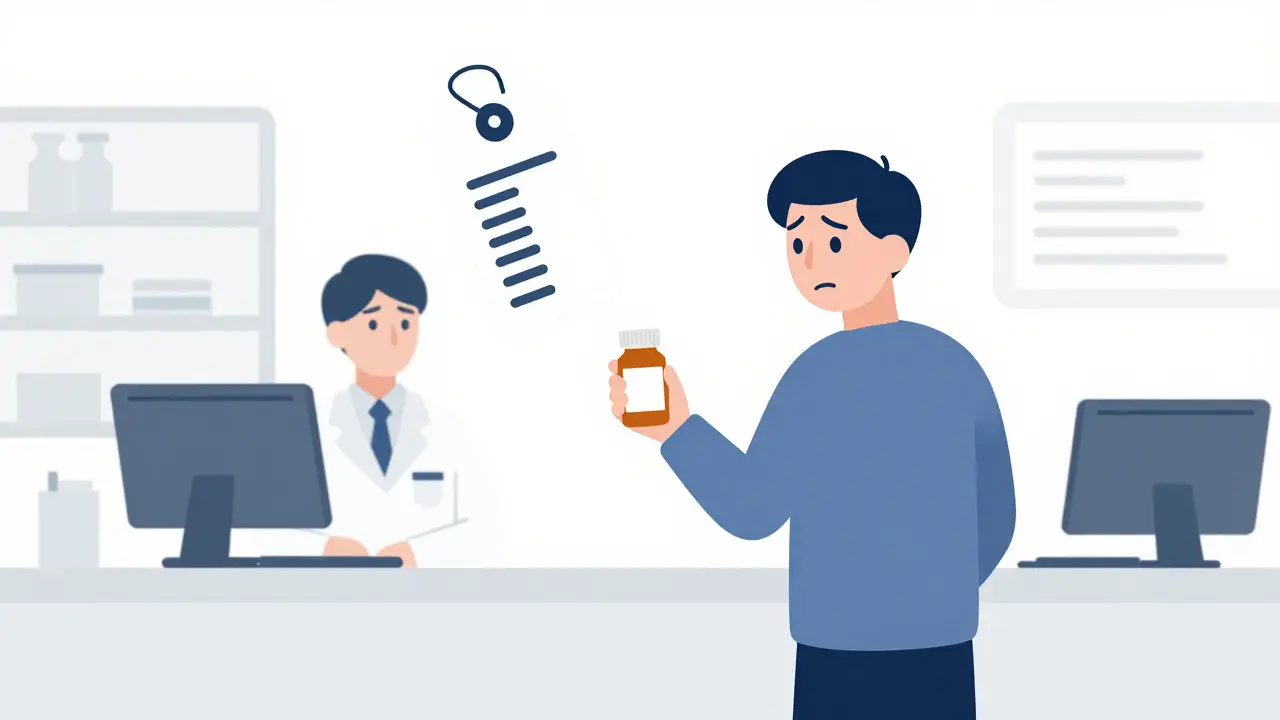
Picture this: You walk into your local pharmacy with a prescription for a life-saving medication. The pharmacist hands you the bottle, and you see a price tag that makes your stomach drop. You know there’s a generic version out there, but when you ask about it, the conversation gets confusing. Is the "authorized generic" the same as the regular one? Will your insurance actually cover it? And most importantly, which one will keep more money in your pocket?
You aren't alone in feeling stuck. Most patients assume that if a drug has a generic name, it’s automatically cheaper. But the reality of today’s pharmaceutical market is messier. There are traditional generics, and then there are authorized generics, which are identical versions of brand-name drugs marketed under a generic label by the brand company itself or through a partner. Understanding the difference between these two can mean saving hundreds-or even thousands-of dollars a year.
This guide cuts through the jargon. We’ll show you exactly what to ask your doctor and pharmacist, how to spot the hidden costs in your insurance plan, and why sometimes the "generic" option isn’t actually the cheapest choice. By the end, you’ll have a script ready to use at your next refill.
The Big Picture: Why Generics Save Money
Before we get into the nitty-gritty of asking questions, it helps to understand why generics exist in the first place. In 1984, the U.S. passed the Hatch-Waxman Act (officially known as the Drug Price Competition and Patent Term Restoration Act). This law created a shortcut for generic manufacturers. Instead of spending billions on new clinical trials, they could prove their drug was "bioequivalent" to the brand name. That means it works in the body within an 80-125% range of the original drug’s performance.
The results have been massive. According to the FDA’s 2022 report, the U.S. healthcare system saved $408 billion from generic and biosimilar medicines in that year alone. Over the last decade, those savings hit $2.9 trillion. When a patent expires and competition kicks in, prices usually crash. Within one year of a generic entering the market, prices typically fall by more than 75%. Some drugs see drops exceeding 90%.
But here’s the catch: that 75% drop is the *list* price. Your actual cost depends on your insurance, your pharmacy benefit manager (PBM), and whether the generic is "traditional" or "authorized."
Traditional Generic vs. Authorized Generic: What’s the Difference?
Most people think all generics are the same. They’re not. Let’s break down the two main types you’ll encounter.
| Feature | Traditional Generic | Authorized Generic (AG) |
|---|---|---|
| Manufacturer | A different company than the brand maker | The brand-name company itself (or a partner) |
| Ingredients | Same active ingredient; may differ in fillers/dyes | Chemically identical to the brand-name drug |
| Pricing Power | Competitive; often leads to steep price wars | Brand controls price; often higher than traditional generics |
| Insurance Rebates | Often subject to aggressive PBM rebates | May bypass some rebate structures, affecting net cost |
| Goal | Market share through low cost | Protect brand profits while competing with other generics |
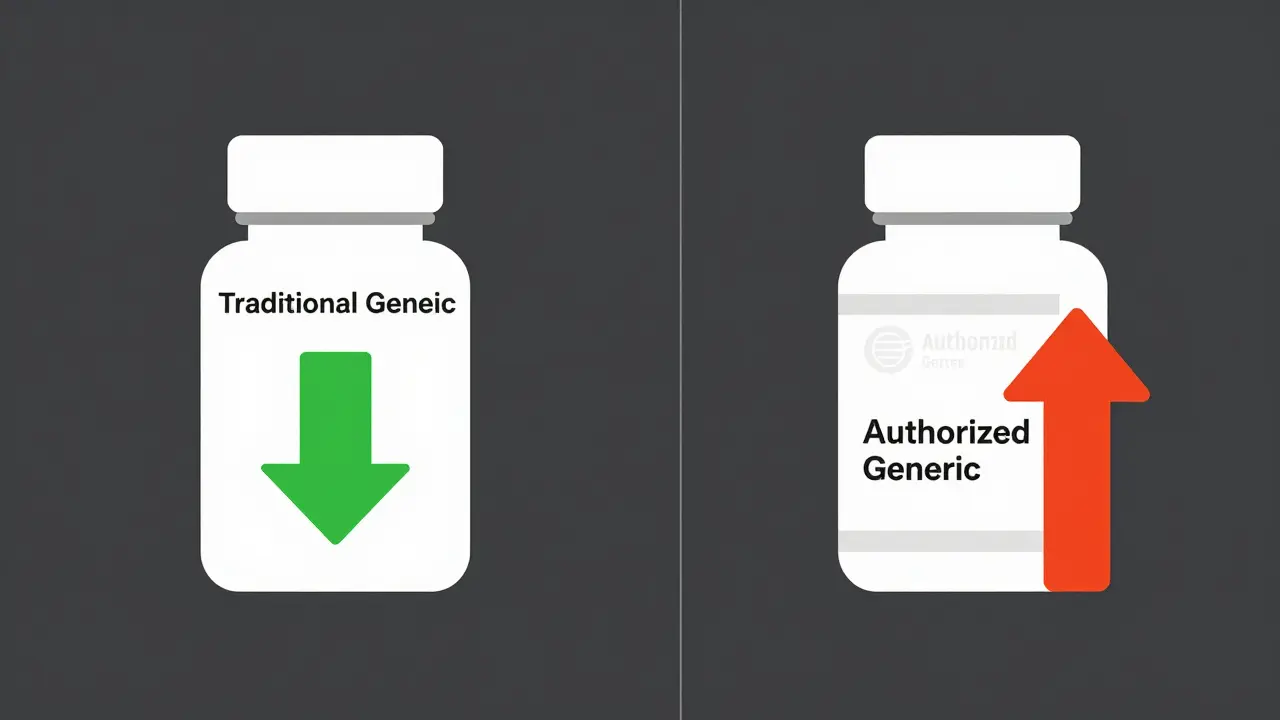
An authorized generic is essentially the brand-name drug in a plain white bottle. It’s made by the same company, often in the same factory. Because it’s identical, some patients prefer it, thinking it’s "safer" or "better." But financially, it can be a trap. Brand companies often launch AGs right after a patent expires to slow down the price drop caused by traditional generics. A study in JAMA Internal Medicine noted that while AG list prices might be lower than the brand, they are often significantly higher than traditional generics once you factor in how insurers negotiate.
Why Your Insurance Might Treat Them Differently
This is where it gets tricky. You might see two generic bottles on the shelf-one from Company A (traditional) and one from the Brand Maker (authorized). Both look like generics. But your insurance plan might classify them differently.
Insurance plans use something called a formulary, which is a list of covered medications grouped into tiers based on cost. Usually, traditional generics sit in Tier 1 (the cheapest tier). However, because authorized generics are sold by the brand company, some PBMs (Pharmacy Benefit Managers) don’t offer the same deep discounts or rebates for them. This can push the AG into a higher tier, meaning your copay goes up-even though the drug is technically a "generic."
A real-world example shared by users in online healthcare forums highlights this perfectly. One patient switched from a brand insulin to an authorized generic, expecting huge savings. The list price dropped from $350 to $90. But because their insurance plan treated the AG differently than a traditional generic, their copay stayed at $45. Had they asked for a traditional generic competitor, they might have paid $10 or less.
Another user reported switching from an AG to a traditional generic for a blood pressure medication and saving $20 a month. The pills were therapeutically equivalent, but the pricing structure behind the scenes was completely different.
The Exact Questions to Ask Your Pharmacist
Pharmacists are busy. They often dispense whatever is in stock or what the insurance default sends through. If you want to save money, you need to be proactive. Here is a step-by-step script to use at the counter.
- Ask for the specific type: Don’t just say "Is there a generic?" Instead, ask: "Is this an authorized generic or a traditional generic?" If they look confused, follow up with: "Who manufactures this generic? Is it the same company that makes the brand name?"
- Check the formulary tier: Ask: "Does my insurance plan treat this authorized generic the same as a traditional generic for copay purposes?" This is crucial. If the AG is on a higher tier, you’re paying more for no medical benefit.
- Compare cash prices: Sometimes, if you’re uninsured or have a high deductible, the cash price matters most. Ask: "Can you check GoodRx or another discount tool to compare the cash price of this AG versus a traditional generic competitor?"
- Request a substitution: If a traditional generic is available and cheaper, say: "I’d like to switch to the traditional generic manufacturer if possible. Can you call in a change to my prescription?"
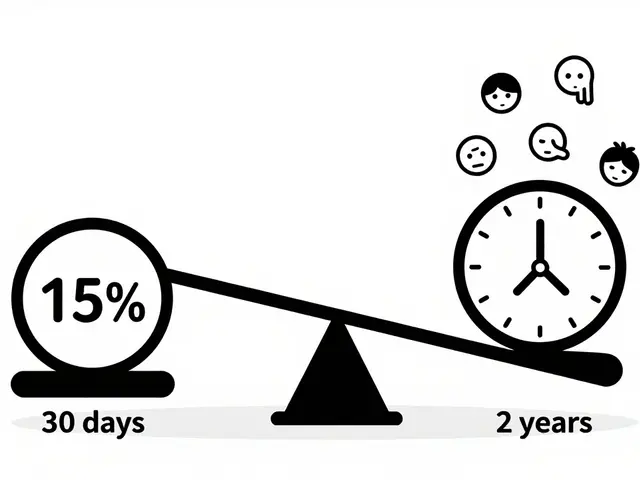
A 2023 study in the Journal of the American Pharmacists Association found that patients who specifically asked about authorized generics saved 15-25% more than those who only asked about generics generally. Why? Because they avoided the AG traps described above.
When to Talk to Your Doctor
Sometimes, the pharmacist can’t help because the doctor wrote the prescription "Dispense as Written" (DAW). This locks you into a specific brand or type. If you’re facing high costs, call your doctor’s office. Keep it simple:
"Hi, I’m trying to manage my medication costs. My current prescription is for [Brand Name] or its authorized generic. Are you open to prescribing a traditional generic alternative instead? I’ve heard it’s therapeutically equivalent but often cheaper due to insurance tiers."
Most doctors are happy to help. They care about adherence-if you can’t afford the med, you won’t take it. Unless there’s a specific medical reason to stick with the brand or AG (which is rare for most chronic conditions), they will likely switch you to a traditional generic.

Tools and Resources to Verify Costs
Don’t rely solely on memory or assumptions. Use data. Here are three practical ways to verify if you’re getting the best deal:
- GoodRx / SingleCare: These apps let you compare cash prices for different manufacturers. Search for your drug, and look at the manufacturer names. If the manufacturer is the same as the brand name, it’s an AG. Compare its price to others.
- Your Insurance Portal: Log in to your health plan’s website. Look up the drug in the formulary. Check which manufacturer is listed as "Preferred" or "Tier 1." Often, only traditional generics get this status.
- FDA Orange Book: For the tech-savvy, the FDA’s Approved Drug Products with Therapeutic Equivalence Evaluations (the Orange Book) lists which generics are bioequivalent. While dense, it confirms that multiple manufacturers offer the same drug, giving you leverage to ask for the cheapest one.
Common Pitfalls to Avoid
Even with the best intentions, you can slip up. Here are common mistakes patients make:
- Assuming "Generic" Means Cheapest: As we discussed, an AG is a generic, but it might not be the cheapest generic. Always ask which manufacturer is being used.
- Ignoring Fillers and Dyes: While the active ingredient is the same, traditional generics may have different inactive ingredients (fillers, dyes). If you have allergies or sensitivities, mention this to your pharmacist. However, for 95% of people, this doesn’t matter, and the savings outweigh the risk.
- Not Checking Shortages: Sometimes, a traditional generic is out of stock. In these cases, the AG might be your only option. Ask your pharmacist: "Is there a shortage of the traditional generic? If so, how long will it last?"
Looking Ahead: The Future of Generic Savings
The landscape is shifting. The FDA is pushing harder for competition in complex generics (like inhalers and skin creams) through its Drug Competition Action Plan. Meanwhile, biosimilars-the biological equivalent of generics-are gaining ground, offering up to 50% savings on expensive biologic drugs.
However, challenges remain. Drug shortages affect over 300 products annually, limiting choices. And while the FTC has cracked down on "reverse payments" (where brands pay generics to stay off the market), authorized generics remain a legal strategy for brand protection. This is why your vigilance matters. Policies change, but your ability to ask the right questions remains constant.
By understanding the difference between traditional and authorized generics, you take control of your healthcare costs. You don’t need to be a pharmacist or an economist. You just need to know what to ask. Next time you pick up a prescription, pause. Ask who made it. Ask how your insurance treats it. You might be surprised by how much you can save.
Are authorized generics safer than traditional generics?
Medically, both are safe and effective. The FDA requires all generics, including authorized ones, to meet strict bioequivalence standards. Authorized generics are chemically identical to the brand-name drug, while traditional generics must demonstrate they work similarly in the body. There is no significant safety difference for the vast majority of patients.
Why would a brand company sell an authorized generic?
Brand companies use authorized generics to protect their profits after a patent expires. By selling a generic version themselves, they can compete with other generic manufacturers, potentially slowing down the price drop that usually happens when multiple competitors enter the market. It allows them to capture some of the generic market share without fully abandoning their brand identity.
Can my pharmacist switch me from an authorized generic to a traditional one?
Yes, in most cases. If the prescription is not marked "Dispense as Written" (DAW), pharmacists have the authority to substitute one generic for another. However, they may need to check stock levels and insurance preferences. If the insurance plan favors a specific manufacturer, the pharmacist might need to call the insurer or the doctor to authorize the switch.
Do all insurance plans treat authorized generics the same as traditional generics?
No. While many plans group all generics together in the lowest copay tier, some Pharmacy Benefit Managers (PBMs) negotiate different rebate rates for authorized generics because they are sold by the brand company. This can result in authorized generics being placed on a higher tier, leading to a higher out-of-pocket cost for the patient compared to a traditional generic.
What should I do if the only available generic is an authorized one?
If traditional generics are out of stock due to shortages, an authorized generic is a valid and safe alternative. In this case, compare the cash price using tools like GoodRx. If the cost is too high, ask your doctor if a therapeutic alternative (a different drug in the same class) is available that has traditional generic competition. Do not skip doses due to cost; talk to your healthcare provider immediately.


15 Comments
honestly this is such a lifesaver article because i was totally confused about why my copay went up even though the pharmacist said it was generic so thanks for breaking it down
The distinction between authorized generics and traditional generics is often overlooked by patients who assume all non-brand medications are priced identically. It is crucial to understand that Pharmacy Benefit Managers (PBMs) negotiate rebates differently based on the manufacturer. When you request a specific manufacturer, you are essentially bypassing the default formulary tier logic that often favors the brand owner's authorized version. I recommend checking your plan's specific formulary tier list online before visiting the pharmacy. This proactive step ensures you are not paying a premium for a product that is chemically identical but financially distinct.
people really need to stop trusting their insurance companies to do the math for them because they literally don't care if you save money or not just ask for the traditional generic every single time
One must consider that the "traditional" generic market is fraught with quality control issues that the average consumer ignores in favor of penny-pinching. The FDA’s bioequivalence standards are notoriously lenient, allowing for significant variations in dissolution rates and inactive ingredients. While the authorized generic offers the assurance of the original manufacturer’s rigorous quality protocols, the cost difference is often negligible when one accounts for the potential health risks associated with substandard traditional generics. It is a false economy to prioritize minor savings over pharmaceutical integrity. :)
I completely agree with the points raised here regarding the importance of understanding the pharmaceutical supply chain dynamics. It is quite fascinating how the Hatch-Waxman Act has shaped the current landscape, yet many individuals remain unaware of the subtle differences between authorized and traditional generics. By taking the time to inquire about the specific manufacturer, patients can indeed exert some level of control over their healthcare expenditures. It is always advisable to maintain open lines of communication with both pharmacists and physicians to ensure that one receives the most cost-effective treatment option available without compromising on therapeutic efficacy. :) :) :)
i just asked my pharmacist last week and she looked at me like i was crazy but then she checked the system and switched me to the other one and saved me like twenty bucks so yeah weird how that works
We need to talk about the systemic issues here because it is absolutely unacceptable that patients have to become amateur economists just to afford their basic medications. The fact that brand companies can release an authorized generic to stifle competition and keep prices artificially high is predatory behavior that harms vulnerable populations. We should be demanding stricter regulations on these practices rather than just teaching people how to navigate a broken system. Your guide is helpful but it puts the burden on the victim instead of addressing the root cause of the price gouging.
This information is imperative for maintaining fiscal responsibility within household budgets. One must adhere strictly to the protocol of verifying the manufacturer identity prior to dispensation. It is not merely a suggestion; it is a necessary action to prevent financial exploitation by pharmaceutical entities. Do not allow ambiguity to persist in your healthcare interactions. Demand clarity. Demand transparency. Ensure that your expenditure aligns with the actual value received. The distinction between authorized and traditional generics is a critical determinant of economic efficiency in personal healthcare management.
It feels like we are dancing around the edges of a much larger conversation about corporate greed masquerading as medical innovation. The idea that a pill in a white bottle from the same factory costs more than one from a competitor is almost poetic in its absurdity. We are navigating a labyrinth of bureaucratic red tape where the keys to our wallets are held by algorithms designed to maximize profit margins rather than patient well-being. Yet, there is power in asking questions, in refusing to accept the default setting. Each inquiry is a small act of rebellion against a system that expects us to be passive consumers. Let us embrace this knowledge as a tool for empowerment and solidarity.
Stop blaming pharma. Blame government regs. They kill competition.
I am currently dealing with a situation where my prescribed medication has been discontinued by the traditional manufacturer due to alleged supply chain disruptions which seems highly suspicious given the timing of the patent expiration for the brand name drug. My physician has insisted on continuing the authorized generic despite my concerns regarding the long-term effects of the different excipients used in the formulation. I have attempted to contact the FDA to report this potential conflict of interest but have received no substantive response thus far. Does anyone have experience with filing formal complaints against manufacturers who engage in such anti-competitive behavior? I feel entirely powerless in this scenario and would appreciate any guidance on how to escalate this matter effectively.
You guys are making this way harder than it needs to be. Just look at the NDC number on the box. If the first three digits match the brand name manufacturer, it's an AG. Simple as that. No need to argue with the pharmacist or write essays. Just show them the GoodRx app and say 'I want the cheaper one.' Most of the time they will just do it to get you out the door faster. Don't overthink it.
It is really interesting to see how different countries handle this issue. In South Africa, we have a lot of generic competition right from the start because of strict pricing controls. Seeing how complex it is in the US makes me appreciate having a simpler system even if the wait times are longer. Thanks for sharing this perspective because it helps me understand what my friends back home go through when they visit family.
The paradigm shift towards patient-centric cost optimization is undeniable. Leveraging digital health ecosystems such as GoodRx allows for real-time arbitrage opportunities between authorized and traditional generic supply chains. It is essential for stakeholders to recognize the strategic advantage of informed consumerism. By utilizing data-driven decision-making frameworks, patients can mitigate the financial toxicity associated with chronic disease management. The integration of blockchain technology in supply chain transparency could further enhance trust and reduce information asymmetry in the near future.
i think the key takeaway here is just being polite but firm when you ask because pharmacists are stressed out too so if you approach it as a team effort to find the best deal everyone wins and you avoid any awkward tension at the counter