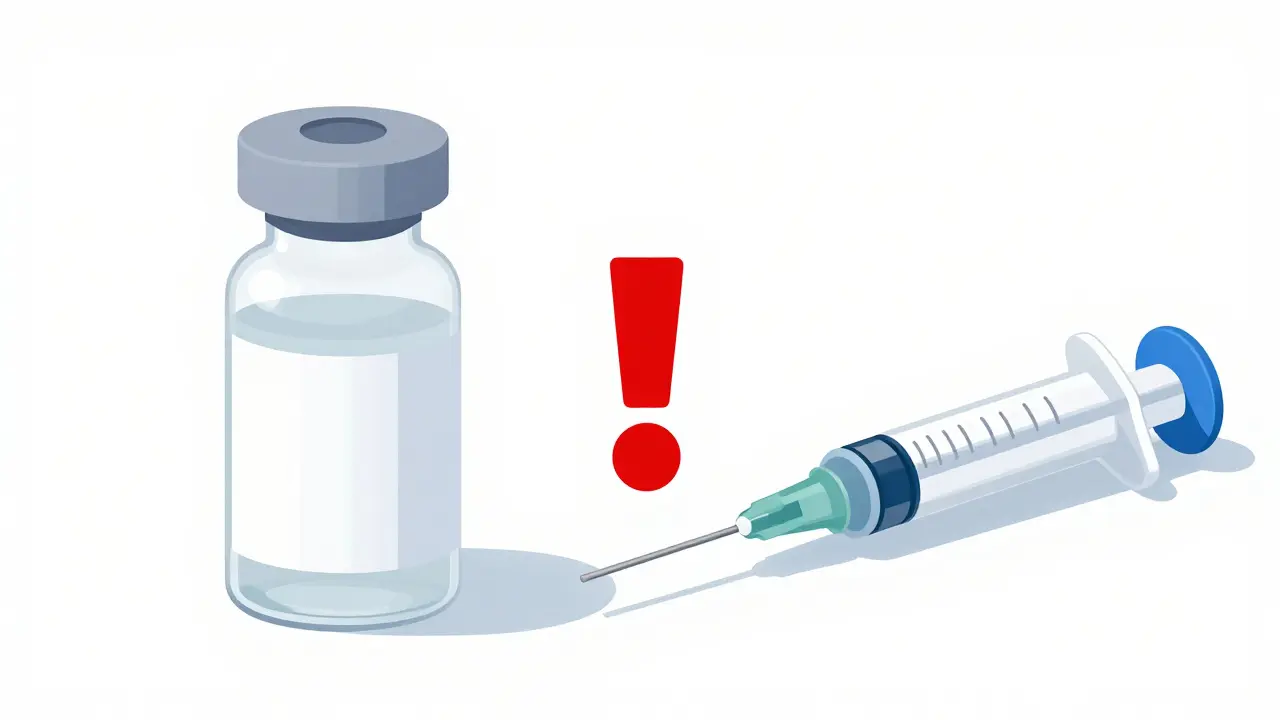
A tiny decimal point in the wrong place or a look-alike vial can turn a life-saving treatment into a fatal mistake in seconds. In the fast-paced environment of a hospital or clinic, the margin for error is razor-thin. That is why healthcare systems don't just rely on a single person's focus; they use a system of redundancies. When dealing with high-risk medications, the goal isn't just to be careful-it is to create a process where a mistake is nearly impossible to overlook before it reaches the patient.
The Core Concept of High-Alert Medications
Not all drugs carry the same risk profile. Some medications are forgiving; if a patient gets a slightly higher dose of a vitamin, the outcome is usually negligible. Others are "high-alert." According to the Institute for Safe Medication Practices (ISMP), these are drugs that bear a heightened risk of causing significant patient harm when used in error. The harm isn't necessarily because the drug is more toxic, but because the consequences of a mistake are catastrophic and often irreversible.
To manage this, the Joint Commission mandates that healthcare organizations identify these hazardous medications in writing and follow a strict process for managing them. It is not a suggestion; it is a regulatory requirement to prevent sentinel events-those unexpected occurrences involving death or serious physical or psychological injury.
Which Medications Require Extra Verification?
While every hospital might have a slightly different list based on their specific patient population, certain drug classes almost always trigger a "double-check" requirement. These usually include medications that affect the heart, blood clotting, or consciousness.
Common examples include:
- Insulin: A small dosing error can lead to severe hypoglycemia and coma.
- Heparin and other anticoagulants: Incorrect doses can cause internal bleeding or failure to prevent a stroke.
- Opioids (IV, epidural, or intrathecal): These can cause respiratory depression if administered too quickly or in too high a dose.
- Chemotherapy (antineoplastic agents): These are designed to kill cells; the wrong dose can be devastating to healthy tissue.
- Potassium Chloride concentrate: This can cause cardiac arrest if not diluted and administered correctly.
In specialized areas, the rules get even tighter. For instance, in Neonatal Intensive Care Units (NICUs) or pediatric wards, almost all cardiac medications require dual verification because children's bodies process drugs differently and cannot tolerate the same dosing variances as adults.
| Medication Class | Primary Risk of Error | Critical Verification Point |
|---|---|---|
| Insulin | Severe Hypoglycemia | Exact unit dose and concentration |
| Anticoagulants (Heparin) | Hemorrhage / Bleeding | Infusion pump rate and timing |
| Opioids (IV) | Respiratory Depression | Route and administration speed |
| Chemotherapy | Systemic Toxicity | Patient ID and drug specific dose |
| Electrolytes (Potassium) | Cardiac Arrest | Dilution ratio and route |
How the Independent Double Check (IDC) Works
You might think a "double check" just means two people looking at a syringe. In reality, a true Independent Double Check (IDC) is a specific psychological safeguard. If Nurse A tells Nurse B, "I've drawn up 5 units of insulin, can you check it?", that is a joint check, not an independent one. The second person is already biased by the first person's claim.
In a proper IDC, the second practitioner must perform the calculations and verification from scratch, without seeing the first person's work. Only after both have reached the same conclusion independently is the medication administered. This process is designed to defeat "confirmation bias," where our brains tend to see what we expect to see rather than what is actually there.
During this process, staff verify the "Nine Rights" of medication administration:
- Right Patient (using at least two identifiers)
- Right Drug
- Right Dose
- Right Route
- Right Time
- Right Documentation
- Right Reason
- Right Response
- Right to Refuse
For chemotherapy, the standards set by the American Society of Clinical Oncology (ASCO) are even more rigorous. Practitioners must verify the physical integrity of the drug, the expiration date, and the specific symptom management plan before signing the Medication Administration Record (MAR).
The Human Factor and the "Checklist Fatigue" Problem
Despite the logic, manual double-checking isn't a magic bullet. There is a documented struggle in healthcare: the more rules you add, the more people find ways to bypass them. A 2022 ISMP survey revealed a sobering statistic: 68% of nurses reported skipping required double checks during high-workload periods. The most common reason? There simply wasn't another qualified person available at that exact moment.
When a process becomes a "box-ticking exercise," it loses its effectiveness. If a second nurse habitually signs off on a colleague's work without actually doing the math, the safety net disappears. This is why experts now argue against "blanket verification." If you require a double check for every single medication, the truly dangerous ones get lost in the noise.
Moving Toward Technology-Based Verification
Because humans get tired and distracted, the industry is shifting toward Barcode Medication Administration (BCMA). Bedside barcode scanning offers a more reliable verification strategy than a manual check because the computer doesn't suffer from fatigue or confirmation bias. It simply matches the drug's barcode to the patient's wristband and the physician's order.
We are also seeing the rise of Autoverification, where electronic health records (EHR) integrate with pharmacy systems to bypass manual pharmacist steps for certain low-risk orders. However, for complex tasks-like programming a high-risk infusion pump or preparing a customized chemotherapy cocktail-human judgment and a manual IDC remain irreplaceable.
The current trend is a "strategic placement" approach. Instead of ten mediocre checks, hospitals are implementing three high-intensity checks at the most vulnerable points: the prescribing stage, the pharmacy dispensing stage, and the final bedside administration.
What is the difference between a double check and an independent double check?
A standard double check often involves one person showing their work to another, which can lead to confirmation bias. An independent double check requires the second person to perform the calculation or verification without any knowledge of the first person's result, ensuring two unbiased opinions on the dose and drug.
Who is allowed to perform a double check for controlled substances?
Generally, only licensed professionals such as nurses, pharmacists, and prescribers (MDs, DOs, NPs, or PAs) are authorized to act as witnesses or checkers for controlled substances to ensure legal and clinical accountability.
Can barcode scanning replace manual double checks entirely?
While barcode scanning is more reliable for identifying the correct patient and drug, it cannot replace human judgment for complex tasks, such as verifying the physical appearance of a drug or calculating a dose based on a patient's fluctuating real-time vitals.
Why are some medications considered "high-alert" even if they aren't toxic?
A medication is high-alert if the consequences of an error are severe. For example, insulin isn't "toxic" in a traditional sense, but an overdose causes a sudden drop in blood sugar that can lead to permanent brain damage or death, making it high-risk.
What should a nurse do if a second checker is not available?
Safety protocols dictate that high-risk medications should not be administered without the required verification. The nurse should notify their supervisor to arrange for a qualified second checker, as bypassing the safety check is a primary cause of preventable medication errors.
Final Steps for Ensuring Safety
If you are managing a clinical environment or working as a practitioner, start by auditing your high-alert list. Does it reflect your actual patient data, or is it just a copy of another hospital's list? Focus your energy on the "deadly dozen"-the medications that would cause the most harm in your specific ward. Ensure that your staff is trained not just in what to check, but in the psychology of the independent check. When the team understands that they are fighting confirmation bias, not just following a rule, the culture of safety becomes a reality rather than a piece of paperwork.


8 Comments
This is basically a textbook summary that any first-year nursing student could have written. You completely glossed over the actual administrative failures that lead to the 68% skip rate. It's just lazy writing to say people are tired without mentioning the systemic staffing crises that make these 'independent' checks a joke in a real ward. Seriously, do a bit more research into actual hospital staffing ratios before posting this fluff.
Actually, the whole concept of the "Nine Rights" is an outdated pedagogical framework 🙄. Most modern clinicians focus on the intersection of patient safety and digital integration rather than reciting a list like a prayer. Plus, relying on a second human is just adding another point of failure to the equation 📉. True safety comes from algorithmic precision, not asking another overworked nurse to squint at a vial for five seconds 🤡.
The epistemological tension between manual verification and algorithmic hegemony is quite fascinating. We are essentially navigating a transition from heuristic-based safety protocols to a digitized paradigm of risk mitigation, yet the ontological necessity of human judgment remains a critical fail-safe against systemic glitches in the BCMA infrastructure.
It's all very nice on paper, but have we considered why the pharmaceutical industry pushes these specific high-alert lists while the barcodes are developed by companies with ties to the same conglomerates managing the hospitals? I've noticed a pattern where the technology doesn't actually eliminate error, it just digitizes the blame so the corporation is shielded from liability while the bedside nurse takes the fall for a system designed to fail. If you look at the data, these 'safety' updates often coincide with new hardware procurement cycles which makes me wonder if the primary goal is patient health or just ensuring a steady stream of software subscription fees from the healthcare budget.
absolute garbage to let a nurse bypass a check just cause they are busy... a patient life isnt a suggestion and skipping a double check is a moral failing of the highest order plain and simple
I think we can all agree that the pressure nurses face is immense. Instead of judging the 68% who struggle, let's focus on how we can support each other and build a culture where asking for a second check is seen as a strength, not a burden. We are all learning together.
oh wow imagine thinking a barcode actually stops a mistake when the software crashes every Tuesday at 10am and we all just have to wing it while the administration pats themselves on the back for the new scanners
true this helps