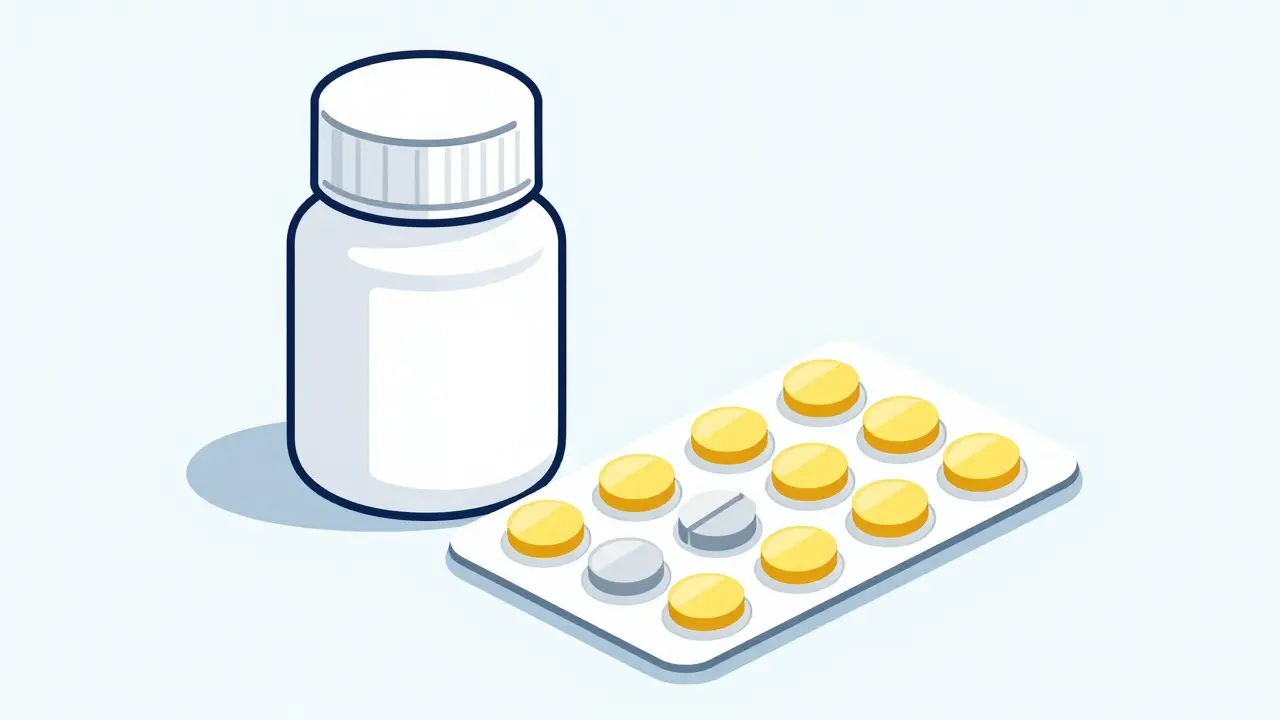
Understanding the Threat of Fake Pills
In March 2025, authorities during Interpol's Operation Pangea XVI shut down 13,000 illegal websites and seized over 50 million doses of unapproved medicines worldwide. This isn't just a statistic; it represents millions of potential patients walking a tightrope. When you walk out of a pharmacy in Bristol or London expecting relief from your condition, trust is the currency you pay with. But what happens when that trust is sold to criminals?
The rise of counterfeit generics has become one of the most concerning issues in modern healthcare. These aren't just knock-off pills; they are dangerous imitations that mimic legitimate off-patent drugs. Unlike genuine medications that undergo strict testing to prove they work, fakes contain whatever the seller wants-often nothing active or, worse, toxic substances. By March 2026, we are seeing a shift where criminal networks are using pharmaceutical-grade equipment to manufacture these deceptions, making them harder to spot than ever before.
Defining Counterfeit Generics vs. Legitimate Drugs
Counterfeit Generics Falsified versions of generic medications designed to look like authentic brands but lacking regulatory approval, often containing incorrect or harmful ingredients.To understand the risk, you need to know what you're up against. A legitimate generic medicine must demonstrate bioequivalence, meaning its performance falls within 80% to 125% of the original brand-name drug. This ensures it works the same way in your body. In contrast, counterfeit generics enter the supply chain through illegal channels completely outside government oversight.
| Feature | Authentic Generic | Counterfeit Generic |
|---|---|---|
| Regulatory Status | FDA or EMA Approved | No Approval / Illegal |
| Active Ingredient | Correct dosage (80-125%) | 0% to 30% or Toxic Substitute |
| Packaging Quality | Holograms, QR Codes, Batch # | Misspellings, Poor Print Quality |
| Price Point | Consistent Market Price | Suspiciously Low (30-50% off) |
The Hidden Danger in Your Medicine Cabinet
It's easy to think this problem only affects low-income regions, but recent data tells a different story. During 2025, U.S. Customs intercepted thousands of shipments of weight-loss drugs entering from Asia. While high-income nations have better infrastructure, the digital marketplace knows no borders. If you ordered a popular treatment online because it was cheaper than the doctor prescribed, you may already be holding a risk.
Common targets for counterfeiting are lifestyle pharmaceuticals. Think antibiotics, painkillers, and specifically drugs for erectile dysfunction or diabetes. A report from 2025 highlighted how counterfeit versions of semaglutide were infiltrating legitimate pharmacy channels. In August of that year, a pharmacy in Iowa was fined $25,000 for unknowingly selling fake weight-loss pens. Even licensed brick-and-mortar pharmacies can sometimes receive tainted stock if their distributors weren't vetted correctly.
Visual Cues: How to Spot a Fake Pill
Your eyes are the first line of defense. Criminal networks try to copy the box, the logo, and even the blister pack foil, but perfection is expensive and hard to maintain at scale. Here is what you need to look for:
- Spelling and Grammar: Check the label. Does "pharmaceutical" have two 'l's? Are the font sizes consistent? Counterfeit printers often struggle with complex text alignment.
- Color Variations: Tablets should have a uniform color. If one pill looks speckled or duller than others, that's a red flag.
- Holographic Stickers: Many manufacturers now use security seals. If a box that should have one is missing it, or the hologram looks static (no movement when tilted), suspect it immediately.
- Batch Numbers: Look for a clear, laser-printed code on the box and the individual container. They must match.
The Digital Minefield: Online Pharmacies
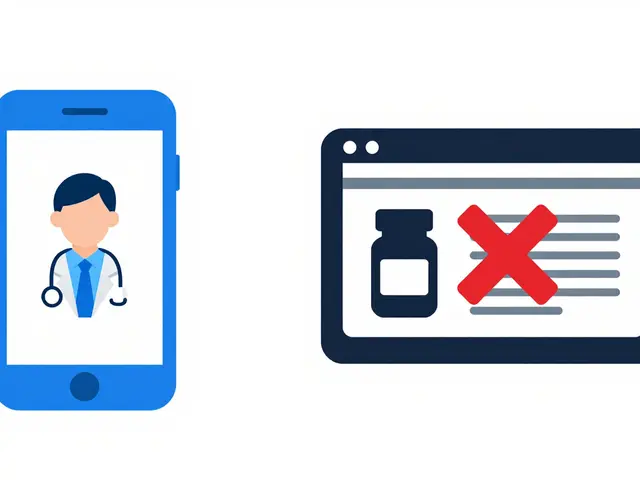
Buying medication online offers convenience, but it opens doors to illicit sellers. Former FDA Commissioner Dr. Scott Gottlieb warned in 2025 that criminal sophistication is rising dramatically. He noted that 89% of illegal online pharmacies don't require prescriptions. If a site lets you buy prescription meds without a doctor's consultation, treat it as a scam.
To stay safe, always check for verification seals. In the US, look for the VIPPS (Verified Internet Pharmacy Practice Sites) seal. In Europe, check for the EU Common Logo for online pharmacies-a small icon indicating the site is legally established within an EU country. Don't just click the image; hover over it. On fake sites, these logos are just static pictures that lead nowhere.
If you are purchasing insulin or pen devices like Ozempic, use manufacturer tools. Novo Nordisk's "Verify Your Pen" system saw millions of checks in late 2025 alone. Scanning the code confirms if the unit matches their records. It takes seconds, but it saves years of potential health complications.
The Global Scale and Regional Risks
World Health Organization (WHO) is A specialized agency of the United Nations responsible for international public health, tracking global medicine quality standards.Risk varies by location. According to the WHO, approximately 1 in 10 medicines in low- and middle-income countries are substandard or falsified. That means 10% of the market is compromised. However, even here in the UK and Europe, the threat persists through dark web sales and social media channels. In March 2025, Operation Pangea specifically targeted social media platforms where sellers advertised directly to consumers, bypassing traditional search engines.
The impact isn't just financial; it's lethal. Substandard antibiotics contribute to antimicrobial resistance. If you take a fake antibiotic for an infection, bacteria survive and mutate. We could face a future where common infections become untreatable. In May 2025, alerts came from Colombia regarding fraudulent oncology biologics. Cancer patients relying on these treatments lost time and money to fake injections that contained zero active serum.
Practical Steps for Consumer Protection
You don't need to be a chemist to verify your meds. Start with a routine checklist every time you get a new prescription. First, ask your pharmacist to show you the storage conditions. Second, verify the National Drug Code (NDC) or barcode against the bottle contents. Third, inspect the tablet itself. Break a tablet if unsure-it often reveals powders inconsistent with standard manufacturing.
Keep your receipts and batch numbers. If you experience unexpected side effects or lack of efficacy, report it. The FDA has a MedWatch program for adverse events. In Europe, the Yellow Card scheme serves a similar purpose. Reporting helps agencies close loopholes and issue recalls before more people get hurt. Remember, silence helps the criminals more than the regulators.
Frequently Asked Questions
Can I tell a counterfeit generic just by the price?
Generally yes. If a medication costs significantly less than the average market rate, especially below 30% of typical pricing, it is highly suspicious. Legitimate generics are cheap, but not dirt-cheap.
What should I do if I suspect my medication is fake?
Stop taking it immediately. Do not discard it; save the packaging and the pills as evidence. Contact your local pharmacy authority (like the MHRA in the UK or FDA in the US) and file a formal report.
Are online pharmacies always unsafe?
Not all. Legitimate online pharmacies exist and require prescriptions. Always verify they have a physical address and a verifiable license number listed on the site.
Why are some drugs targeted more than others?
Criminals target high-demand drugs with high profit margins, such as weight-loss injectables, steroids, and treatments for chronic conditions where patients renew regularly.
Is there an app to verify my medicine?
Many manufacturers offer official apps or QR scanning features. Third-party apps like TrueMed claim to authenticate batches, but manufacturer tools are generally the most reliable source of truth.
10 Comments
really important read for sure :) lets keep sharing tips so nobody gets hurt by bad pills :)
scary topic indeed but glad we know what to look for :)
It is frankly baffling that anyone would purchase medication from an unregulated source. People prioritize convenience over their own biological safety and then wonder why the system is failing them. You truly lack basic common sense if you ignore the warnings.
You definitely need to be hyper-vigilant about checking packaging! Many people overlook the holographic seals completely! It is crucial that you compare the font sizes on every box! I have seen instances where the ink was visibly smudged on fakes! Please scan the QR codes provided by the manufacturer always! There are legitimate apps that verify batch numbers instantly! Do not accept vague excuses from suspicious vendors ever! Saving receipts is an absolute necessity for potential reporting later! We must report any discrepancies to the FDA without delay! Your health relies on the integrity of the supply chain significantly! Criminal networks exploit online trust gaps aggressively! Always verify the VIPPS seal on internet pharmacy sites! Static images of logos are immediate red flags to ignore! Check the expiration date alignment on blister packs too! Stay informed and safe while navigating the digital market 💊✅✨
Trust becomes currency in a marketplace shadowed by deceit and the pill bottle holds more than chemistry it holds our faith in institutions 😌
good news is technology helps spot fakes now so stay vigilant and dont panic too much
i agree that tools help but human error still exists which means we must remain critical thinkers constantly questioning the origin of every substance we ingest
this issue crosses borders sadly but community vigilance helps keep prices fair for honest patients globally
This really puts things into perspective for all of us 🥺💪 we need to look out for each other when buying health supplies please check those labels
you guys need to stop being lazy with your prescriptions and verify things yourself instead of assuming the pharmacy won't get scammed 🙄💊