Rosacea and summer sun can be a tough combo. This article dives into practical ways to prevent sunburn-triggered rosacea flares, including smart SPF tips, the real scoop on antioxidant serums, and soothing post-sun routines. Grab dermatologist tricks to protect your skin if you’re prone to flares. The advice here goes beyond generic rules, focusing on science-backed, easy strategies for daily life. Learn what really helps and what to skip for happier, healthier skin.
Read MoreUnderstanding SPF: How to Protect Your Skin from the Sun
SPF stands for Sun Protection Factor, and it's a number that tells you how well a sunscreen protects your skin from UVB rays, the type that cause sunburn. You’ve probably seen SPF numbers on sunscreen bottles, but what do they really mean for your skin health?
Think of SPF as a speed bump that slows down UVB rays from damaging your skin. For example, if you use SPF 30, it means your skin will take 30 times longer to burn than without protection. So if your skin normally starts to burn after 10 minutes in the sun, SPF 30 should protect you for about 5 hours—though you’ll need to reapply every two hours because sweat, swimming, and rubbing can wipe it off.
Picking the Right SPF for Everyday Use
Choosing the right SPF depends on how long you’ll be outside and your skin type. For daily routines, SPF 15 to 30 usually does the trick. If you’re spending a long day outdoors, especially near water or snow, go for SPF 50 or higher for extra defense. Keep in mind that no sunscreen blocks 100% of UV rays, so combine sunscreen with hats, sunglasses, and shade for best results.
Using sunscreen properly makes a huge difference too. Don’t skimp on the amount—about one ounce (a shot glass full) is ideal to cover your whole body. Apply it 15 minutes before you head outside so your skin absorbs it well. Missing spots like ears, back of the neck, and feet is a common mistake to avoid.
Beyond SPF: What You Should Know About Sun Protection
SPF only covers UVB rays, so check if your sunscreen also says "broad-spectrum." That means it protects against UVA rays, which age your skin and increase cancer risk but don’t cause burning. Broad-spectrum sunscreens are your best friend for all-around sun defense.
Also, consider other sunscreen features based on your activities, like water resistance if you're swimming or sweating a lot. Sensitive skin? Look for sunscreens labeled hypoallergenic or made for sensitive skin. Mineral sunscreens with zinc oxide or titanium dioxide can be gentler choices and start working immediately.
Remember, sun protection goes beyond sunscreen—wear protective clothing and try to avoid peak sun hours when UV rays are strongest, typically 10 a.m. to 4 p.m. Staying safe under the sun not only protects your skin today but helps prevent serious problems in the future.
If you want to explore more, check out our articles on skin care, sunburn treatments, and choosing the best products for your skin type. At US Pharma Hub, we're here to help you keep your skin healthy and glowing all year round.

Rosacea Sunburn Prevention: Dermatologist-Approved SPF, Serums, and Cooling Skin Routines
Archive
Categories
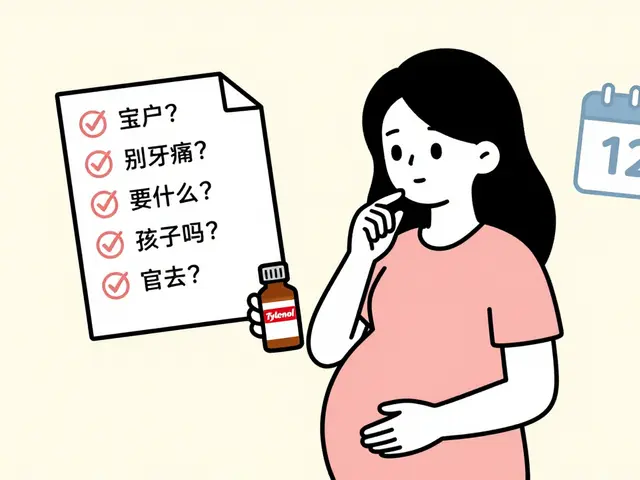
OTC Medication Safety During Pregnancy: What to Ask First
Learn which OTC medications are safe during pregnancy and what to ask your doctor before taking anything. Avoid common mistakes with pain relievers, cold meds, and antacids.
UK Substitution Laws: How NHS Policies on Generic Medicines and Care Shifts Affect You
UK NHS substitution laws now require pharmacists to use generic medicines unless specified otherwise, and shift care from hospitals to community settings. Learn how these 2025 changes affect your prescriptions, access to care, and what to do if you're struggling with digital-only services.
Liquid Biopsy: How Circulating Tumor DNA Is Changing Cancer Monitoring
Liquid biopsy using circulating tumor DNA (ctDNA) is transforming cancer care by enabling non-invasive, real-time monitoring of tumors through simple blood tests. It detects recurrence earlier, guides treatment changes, and reduces the need for painful tissue biopsies.

Buy Cheap Generic Prozac Online - Safe, Legal, and Affordable Options
Learn how to safely buy cheap generic Prozac online, verify reputable pharmacies, understand pricing, and avoid scams with a step‑by‑step guide.

How to Buy Cheap Generic Motrin Online in the UK
Learn how to safely purchase cheap generic Motrin (ibuprofen) online in the UK, compare top pharmacies, spot legit sellers, and avoid common pitfalls.