Think you know what causes motion sickness, or how to avoid it? This article tackles the biggest myths about motion sickness, from car rides to virtual reality. You'll discover why some common beliefs are totally off the mark, what science actually says, and get real, practical tips for handling nausea—whether you're on land, sea, or in the air.
Read MoreMotion Sickness Myths: What You Really Need to Know
Ever felt queasy on a bumpy road or a choppy boat ride and wondered if there's more to motion sickness than just feeling carsick? There are loads of theories out there, but not all of them hit the mark. Let's clear up some common myths that might actually be making your motion sickness worse or confusing you about what's really going on.
Myth 1: Motion Sickness Only Happens When You're Sick
Many think you only feel motion sickness if you’re already unwell, but that’s not the case. Motion sickness is caused by your brain getting mixed signals from your eyes, inner ear, and muscles about movement. So, even if you feel fine beforehand, your brain might get confused when your eyes see one thing but your body feels another. For example, reading a book in a moving car can trigger motion sickness because your eyes are fixed on the pages, not on motion outside.
Interestingly, some people are just more prone because of their inner ear sensitivity or even genetics. So, feeling sick during travel isn’t about catching something; it’s more about how your body processes motion cues.
Myth 2: Fresh Air Always Fixes Motion Sickness
Opening a window or stepping onto the deck of a boat feels like instant relief, right? Sometimes it helps, but it’s not a guaranteed cure. Fresh air can ease nausea for some by reducing stuffy or strong-smelling environments that worsen the symptoms. But if your brain is still confused about motion, fresh air alone won’t completely fix that feeling.
Sometimes, taking a break to focus on the horizon can calm your senses more than just fresh air. The key is helping your brain get consistent messages about movement by looking at stable objects outside the moving vehicle.
So, if fresh air doesn't help, don’t worry—you can try other tactics like acupressure bands or over-the-counter meds designed for motion sickness.
Motion sickness is a common problem, but knowing what’s true and what’s a myth can make a huge difference in how you deal with it. Instead of guessing, try focusing on steady visual cues, keep your head still, and prepare with proven remedies. This way, you’ll enjoy your journey without the nausea dragging you down.

Motion Sickness Myths: What Most People Get Wrong (And How to Really Handle It)
Archive
Categories

Buy Toradol Online: A Comprehensive Guide
Explore a comprehensive guide on buying Toradol online, focusing on its uses, potential side effects, and interactions. Learn about common dosages and expert recommendations for safe use. Delve into why this painkiller stands out and when it's typically prescribed. This article includes practical tips and an essential link for those considering purchasing Toradol through online pharmacies.

Prilosec: How Omeprazole Works, Benefits, Risks, and Real-Life Tips
Prilosec, also known as omeprazole, is a widely used medication for managing acid reflux and heartburn. This article explores how it works, when and how to use it, important precautions, and practical advice based on real experiences. You’ll also learn about side effects, drug interactions, and tips for safer long-term use. Real-world statistics and expert-backed facts make it easier to get the most from your treatment.

Practical Tips for Managing Urinary Incontinence While Traveling
Learn how to handle bladder leakage on the road with smart prep, the right products, tech tools, and emergency plans so travel stays stress‑free.
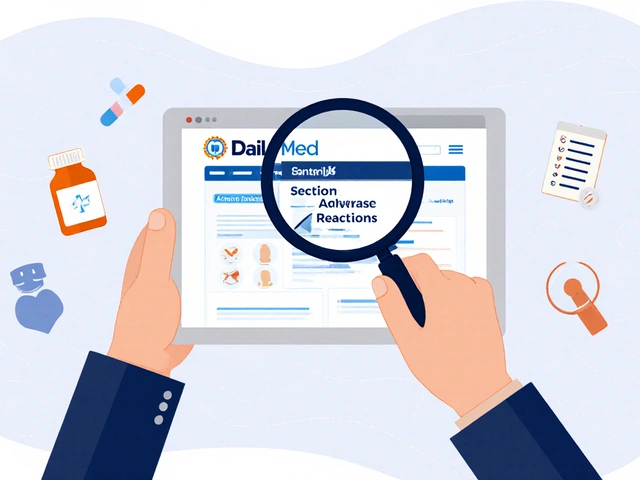
Where to Find Detailed Side Effect Information for Your Medications
Learn where to find accurate, up-to-date side effect information for your medications using FDA-approved sources like DailyMed, MedlinePlus, VigiAccess, and OnSIDES. Avoid outdated or biased tools.
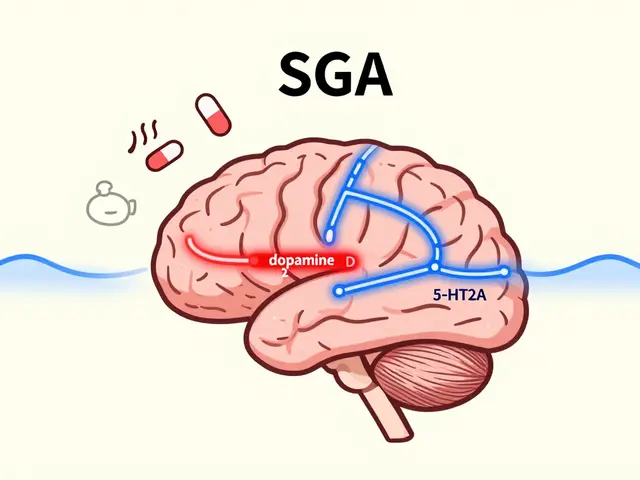
Schizophrenia: How Antipsychotic Medications and Atypical Agents Work and Which Ones Are Best
Antipsychotic medications are essential for managing schizophrenia, but not all are the same. Learn how atypical antipsychotics like aripiprazole, clozapine, and olanzapine compare in effectiveness, side effects, and real-world use.