Dairy products like milk and yogurt can block antibiotics such as doxycycline and ciprofloxacin from being absorbed. Learn how timing your meals and meds can make the difference between healing and relapse.
Read MoreAntibiotic Absorption: How Food, Supplements, and Other Drugs Affect Your Treatment
When you take an antibiotic, a medicine designed to kill or slow the growth of bacteria, it doesn’t just work the moment it hits your stomach. Its effectiveness depends on how well your body absorbs it—and that’s where things go wrong. Many people don’t realize that common items like calcium-fortified orange juice, iron pills, or even antacids can block up to 50% of your antibiotic from entering your bloodstream. This isn’t a minor issue. If your antibiotic isn’t absorbed properly, the infection won’t clear, resistance can grow, and you might end up sicker than before.
One of the biggest culprits is calcium, a mineral found in dairy, supplements, and fortified foods. Calcium binds to certain antibiotics like tetracycline and ciprofloxacin, forming a compound your body can’t absorb. The same thing happens with iron, a nutrient critical for blood health but a silent enemy to many antibiotics. If you take iron supplements or eat iron-rich meals right before or after your antibiotic, you’re essentially neutralizing it. Even something as simple as milk or yogurt can interfere. Timing isn’t just helpful—it’s essential. Most antibiotics need to be taken on an empty stomach, at least two hours before or after eating anything with calcium, iron, or magnesium.
It’s not just minerals. Antacids, proton pump inhibitors, and even some fiber supplements can change the pH in your gut or physically trap the antibiotic, keeping it from being absorbed. And it’s not just about missing the dose—it’s about missing the effect. A study published in the Journal of Antimicrobial Chemotherapy showed that patients who took their antibiotics with calcium supplements had significantly higher rates of treatment failure compared to those who spaced them out. The fix? Know your drug. Some antibiotics are less affected, but most aren’t. Keep a simple log: what you take, when, and what you eat. Talk to your pharmacist. They see this every day and can give you a clear schedule that works with your life.
What you’ll find below is a collection of real, practical posts that dig into exactly how these interactions work. You’ll learn why calcium-fortified juice ruins more than just your thyroid meds, how iron supplements sabotage antibiotics, and what alternatives exist when timing is impossible. These aren’t theoretical warnings—they’re based on patient experiences, pharmacy records, and clinical data. If you’ve ever wondered why your infection didn’t get better, or why your doctor kept asking about your supplements, this is the answer you’ve been looking for.
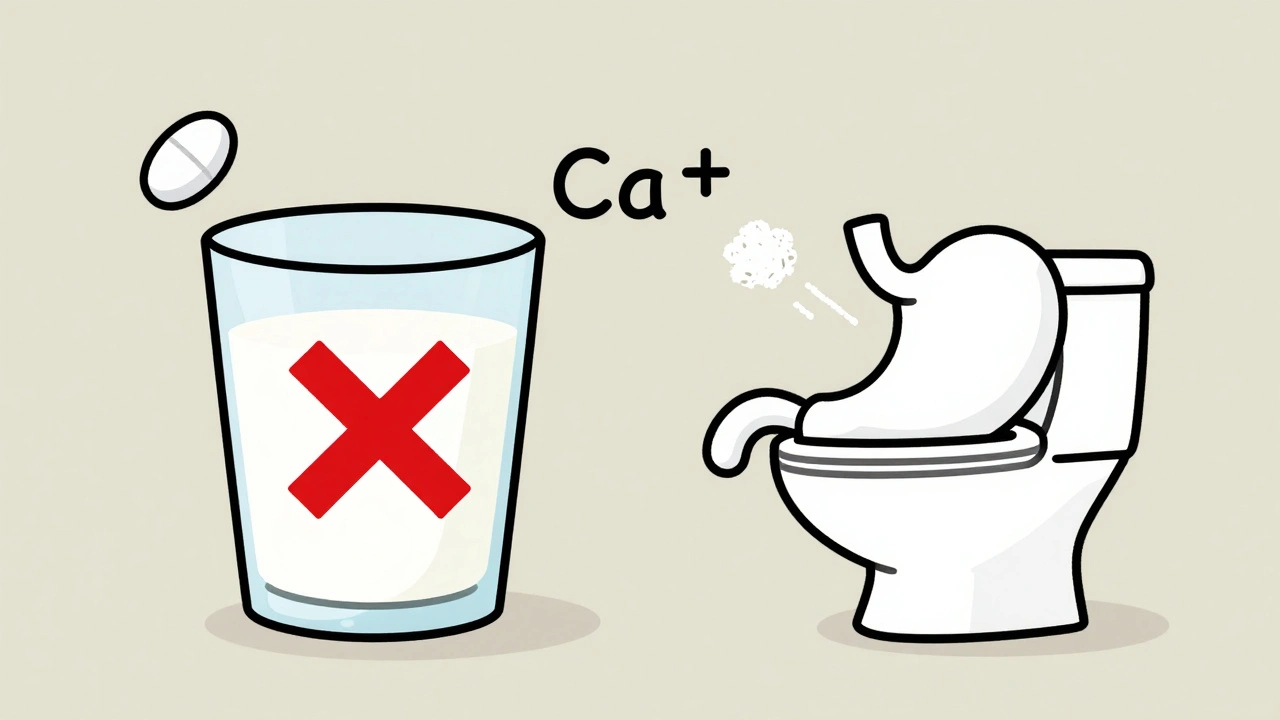
Dairy Products and Antibiotic Absorption: Timing Matters
Archive
Categories

Rosacea Sunburn Prevention: Dermatologist-Approved SPF, Serums, and Cooling Skin Routines
Rosacea and summer sun can be a tough combo. This article dives into practical ways to prevent sunburn-triggered rosacea flares, including smart SPF tips, the real scoop on antioxidant serums, and soothing post-sun routines. Grab dermatologist tricks to protect your skin if you’re prone to flares. The advice here goes beyond generic rules, focusing on science-backed, easy strategies for daily life. Learn what really helps and what to skip for happier, healthier skin.

Urate Targets in Gout: How Allopurinol and Febuxostat Really Work
Learn how urate targets guide gout treatment with allopurinol and febuxostat. Discover why hitting serum urate levels below 6 mg/dL stops flares and dissolves crystals, and how to avoid common mistakes in treatment.
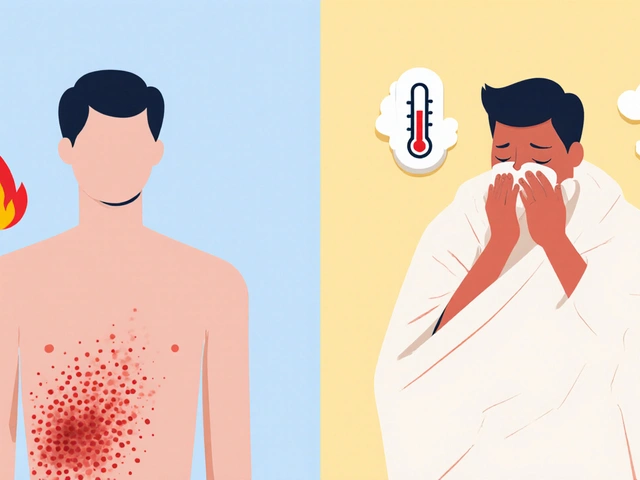
Shingles vs Flu: Symptoms, Risks, and When to Get Treatment
Learn how to tell shingles apart from the flu, recognize key symptoms, understand risks, and know when to seek treatment or vaccinate.

Rosacea or Sunburn: A Clear Guide to Spotting the Difference Fast
Confused between rosacea and sunburn after a day in the sun? This article breaks down their early signs, crucial differences, and what to watch for in the first 24 hours. Learn when redness is more than just sun and when it’s time to worry. Helpful tips and real-life examples make it easy to know what’s happening to your skin.

Motion Sickness Myths: What Most People Get Wrong (And How to Really Handle It)
Think you know what causes motion sickness, or how to avoid it? This article tackles the biggest myths about motion sickness, from car rides to virtual reality. You'll discover why some common beliefs are totally off the mark, what science actually says, and get real, practical tips for handling nausea—whether you're on land, sea, or in the air.