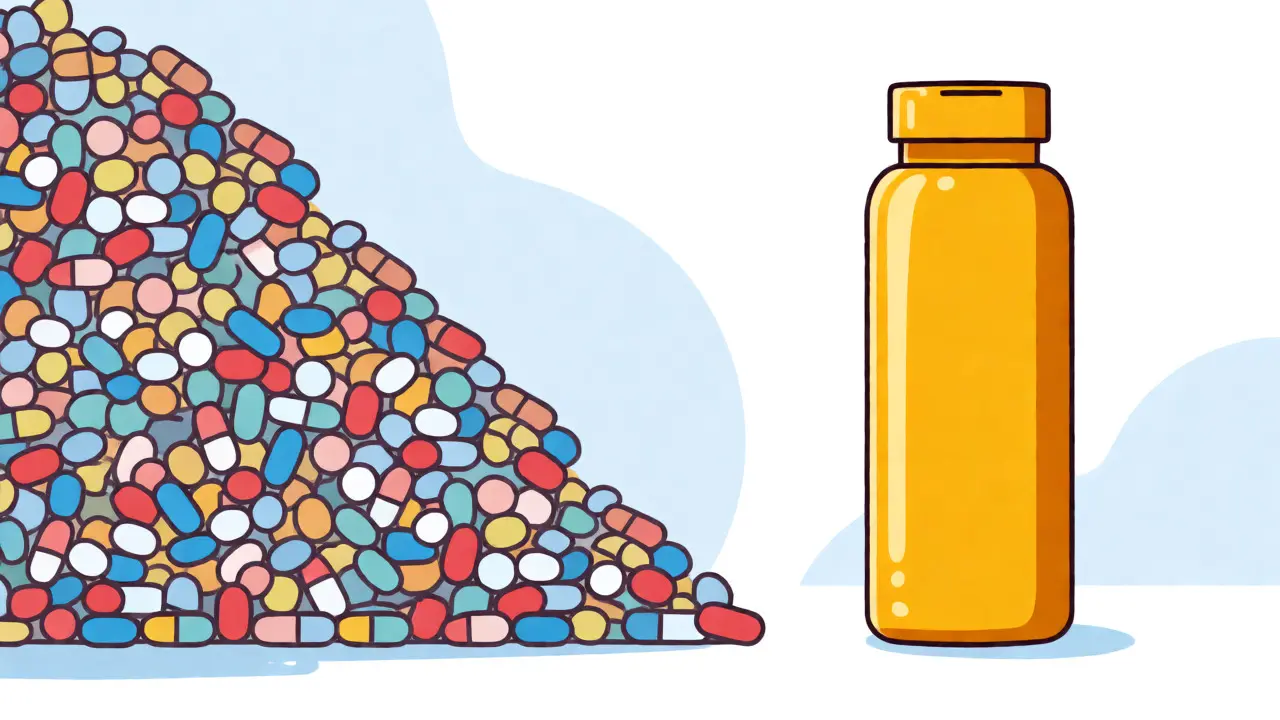
You might think that because generic drugs make up nearly 90% of all prescriptions filled in the United States, they should account for a similar share of spending. The reality is starkly different. In 2024, while generics dominated the volume of pills and liquids dispensed, they represented only about 12% of total prescription drug expenditures. This massive gap isn't an accounting error; it’s the result of a system where generic medications serve as the primary firewall against skyrocketing healthcare costs, saving the U.S. economy hundreds of billions annually.
The numbers are staggering. According to the Association for Accessible Medicines (AAM) and IQVIA Institute data released in early 2025, generics and biosimilars saved patients and the healthcare system $467 billion in 2024 alone. When you look at the decade from 2015 to 2024, cumulative savings hit $3.4 trillion. That’s not just pocket change-it’s enough to reshape entire national budgets. But how does a market with such low per-unit prices generate trillions in savings? And why are we still hearing complaints about high drug prices if generics are so prevalent?
The Mechanics of Massive Savings
To understand the impact, you have to look at the price differential. Brand-name drugs often cost thousands of dollars more than their generic counterparts. For example, Americans spent $98 billion on generic medicines in 2024, compared to $700 billion on brand-name prescriptions. If generics didn’t exist, or if they were priced similarly to brands, those $98 billion in spending would likely balloon into hundreds of billions more.
This dynamic relies on competition. When a patent expires, multiple manufacturers can produce the same active ingredient. This influx of competitors drives prices down rapidly. Sometimes, prices drop by 80-90% within months of launch. It’s a brutal economic environment for manufacturers, but a boon for consumers and insurers. The savings aren't just theoretical; they directly lower out-of-pocket costs for millions of people. A survey by Managed Healthcare Executive found that patients who switched to generics reported average monthly savings of $147 per medication. For someone managing chronic conditions like hypertension or diabetes, this difference determines whether they can afford their treatment.
| Category | Prescriptions Filled | Total Spending | Avg. Cost Per Rx |
|---|---|---|---|
| Generic Medications | 3.9 Billion (90.2%) | $98 Billion | ~$25 |
| Brand Medications | 435 Million (9.8%) | $700 Billion | ~$1,609 |
Biosimilars: The Next Frontier
While traditional small-molecule generics dominate the conversation, biosimilars are becoming increasingly critical. These are highly similar versions of complex biologic drugs used to treat cancer, autoimmune diseases, and other serious conditions. Because biologics are grown in living organisms rather than chemically synthesized, creating a "copy" is much harder than making a standard generic pill.
Despite the complexity, biosimilars are delivering real savings. They generated $20.2 billion in savings in 2024 and $56.2 billion cumulatively since 2015. The market for biosimilars is growing fast, projected to expand at a compound annual growth rate of 22.7% through 2029. Why the surge? As patents expire on blockbuster biologics like Humira and Enbrel, biosimilar competitors enter the market, forcing prices down. Unlike small molecules, where price drops are immediate and steep, biosimilar adoption has been slower due to regulatory hurdles and physician hesitation. However, as interchangeability designations become more common-allowing pharmacists to substitute a biosimilar without calling the doctor-adoption rates are climbing.
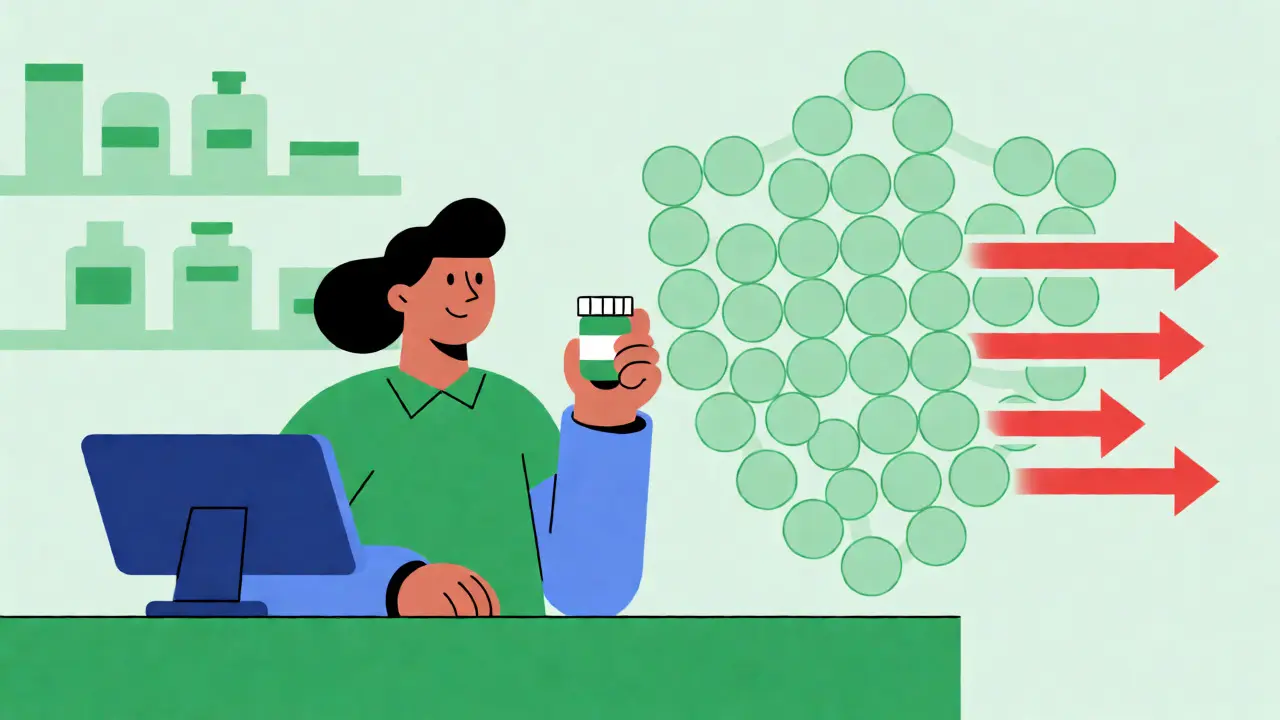
Where the Money Goes: Therapeutic Classes
Not all generics save the same amount of money. The biggest savings come from treating widespread chronic conditions. The top ten generic therapeutic classes accounted for $216.5 billion in savings in 2024. Think about the most common health issues: high blood pressure, high cholesterol, diabetes, and acid reflux. Millions of people take these medications every day. When a cheap, effective generic version of a statin or an ACE inhibitor becomes available, the aggregate savings across the population are enormous.
For instance, the ten most commonly prescribed generic medicines alone saved $89.5 billion in 2023. These aren't niche drugs for rare diseases; they are the workhorses of modern medicine. By keeping these treatments affordable, the healthcare system prevents costly complications. Uncontrolled diabetes leads to kidney failure; uncontrolled hypertension leads to strokes. Generics keep patients adherent to their regimens, which avoids expensive hospitalizations later.
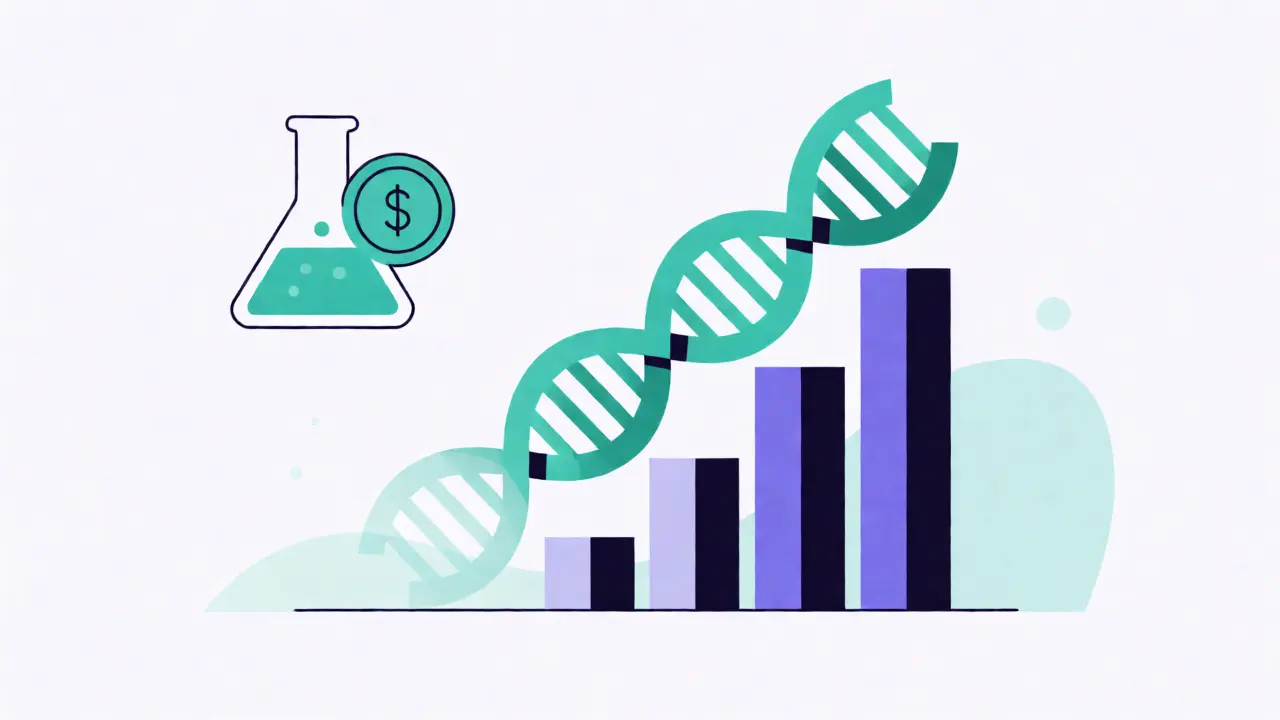
Barriers to Full Potential
If generics are so great, why don't we see even more savings? The answer lies in anti-competitive practices by brand-name manufacturers. Companies use strategies like "patent thickets," where they file dozens of secondary patents around a single drug to delay generic entry. A JAMA Health Forum study found that lost competition due to patent thickets on just four widely prescribed drugs cost the system over $3.5 billion in two years.
Another tactic is "pay-for-delay" settlements, where brand companies pay generic manufacturers to wait before launching their cheaper versions. Blue Cross Blue Shield estimated these practices add nearly $12 billion to annual drug costs. There’s also "product hopping," where a brand company slightly tweaks its formulation (e.g., changing a pill to a capsule) just before the patent expires, moving patients to the new, patented version and leaving the old generic behind.
Regulatory barriers also play a role. The FDA receives an average of 118 citizen petitions per year, many filed specifically to delay generic approval. While some petitions raise legitimate safety concerns, others are strategic delays. Furthermore, Pharmacy Benefit Managers (PBMs), who negotiate drug prices for insurers, sometimes prioritize higher-rebate brand drugs over cheaper generics if the rebate structure favors them, though this dynamic is shifting under legislative scrutiny.
Global Context and Future Outlook
The U.S. actually leads developed nations in generic utilization, with a 90% fill rate compared to 60-80% in many European countries. Yet, the U.S. still pays significantly more for drugs overall. Experts like Dr. Peter Bach argue that systemic market failures mean Americans overpay for both brand and generic drugs compared to peers abroad. The fragmented purchasing power in the U.S.-where individual insurers negotiate separately-weakens leverage against manufacturers.
Looking ahead, the potential remains huge. The IQVIA Institute projects that generics and biosimilars could generate $5.1 trillion in cumulative savings from 2025 to 2034. Legislative efforts, such as the Affordable Prescriptions for Patients Act, aim to curb patent abuse and could unlock another $7.2 billion in annual savings. However, risks loom. Drug shortages affected 287 generic medications in late 2024, often due to thin profit margins driving manufacturers out of the market. Consolidation is also a concern; the top ten generic manufacturers now control 63% of the market, up from 51% in 2015. Less competition among suppliers could eventually lead to price increases.
For patients, the takeaway is clear: ask your pharmacist about generic options. Check if your insurance formulary encourages them. Understand that while the packaging might look different, the active ingredient is identical. The system works best when consumers actively participate in choosing cost-effective care. Every time you choose a generic, you’re not just saving a few dollars-you’re contributing to a mechanism that keeps the broader healthcare economy from buckling under the weight of pharmaceutical inflation.
Are generic drugs less effective than brand-name drugs?
No, generic drugs must meet strict FDA standards for bioequivalence, meaning they deliver the same active ingredient in the same amount and manner as the brand-name drug. While inactive ingredients (like dyes or binders) may differ, clinical studies confirm they have the same therapeutic effect. Most patient reports of differences are anecdotal or related to psychological factors, though some individuals may react to specific inactive ingredients.
Why do generic drugs cost so much less?
Generic manufacturers do not bear the cost of research, development, and clinical trials required to bring a new drug to market. Those costs were incurred by the original brand-name developer. Additionally, once a generic enters the market, multiple companies compete to sell the same product, which drives prices down through supply and demand dynamics.
What is a biosimilar and how is it different from a generic?
A biosimilar is a copy of a biologic drug, which is made from living organisms. Unlike standard generics, which are chemically synthesized and easier to replicate exactly, biologics are complex molecules. Biosimilars are "highly similar" to the reference product but not necessarily identical due to natural variations in biological processes. They undergo rigorous testing to prove no clinically meaningful differences exist.
Do insurance plans always cover generic drugs?
Most insurance plans strongly prefer generics and place them on lower tiers of their formulary, resulting in lower copays for patients. However, coverage depends on the specific plan. Some plans may require prior authorization or step therapy (trying the generic first) before covering a brand-name alternative. Always check your plan's formulary or ask your pharmacist.
How do patent laws affect generic availability?
Patent laws grant exclusive rights to drug developers for a set period, usually 20 years from filing. Once the patent expires, generics can enter the market. However, companies often file additional patents on manufacturing processes or formulations, creating "patent thickets" that can delay generic entry. The Hatch-Waxman Act balances these protections by allowing generic manufacturers to challenge weak patents and gain market exclusivity periods themselves.

11 Comments
Big Pharma is laughing all the way to the bank while we get crumbs. The system is rigged and generics are just a band-aid on a bullet wound.
I work in pharmacy tech and this data tracks perfectly with what I see daily. It's heartbreaking how many patients skip doses because of cost even when they have insurance. The $147 monthly savings figure is real for chronic conditions but only if the patient actually fills the prescription. We need more transparency from PBMs too because sometimes the 'cheaper' generic isn't actually cheaper after rebates are applied at the PBM level not the patient level. Its a complex mess but generics are definitely the best tool we have right now to keep people alive without going bankrupt.
It’s fascinating... almost poetic, really?? 🤔 How can something so essential be treated as a luxury item by some? 💸 The disparity between volume and value speaks volumes about our societal priorities! 😮 We celebrate efficiency yet punish innovation? Or is it the other way around? 🌀 The moral weight of these numbers is heavy... very heavy indeed. ⚖️
in india generics are everything here. we dont have choice mostly. its sad that us has so much money but still cant fix pricing fully. at least we get cheap meds. hope things improve for everyone.
One must consider the philosophical implications of such economic stratification within the healthcare sector; it is not merely a matter of dollars and cents but rather a reflection of our collective moral compass. When we observe that ninety percent of prescriptions are filled with generic alternatives yet account for a mere fraction of total expenditure, we are witnessing a fundamental dissonance in the market structure that demands rigorous intellectual scrutiny and systemic reform. The notion that pharmaceutical companies utilize patent thickets to stifle competition suggests a deliberate manipulation of legal frameworks to maintain artificial scarcity, thereby inflating prices beyond reasonable limits for the average consumer who lacks the bargaining power of large institutional buyers. Furthermore, the emergence of biosimilars represents a critical juncture where scientific advancement intersects with economic necessity, offering a potential pathway toward equitable access for those suffering from complex autoimmune disorders and malignancies. However, one cannot ignore the chilling effect of consolidation among manufacturers, which threatens to erode the very competitive dynamics that drive down costs in the first place. As we look toward the projected trillions in future savings, we must remain vigilant against the erosion of regulatory standards that ensure safety and efficacy amidst aggressive cost-cutting measures. Ultimately, the pursuit of affordable healthcare is not just an economic imperative but a humanitarian obligation that requires sustained advocacy and legislative intervention to protect the vulnerable members of our society from predatory practices.
They tell you it saves money but they don't mention the quality drop. I switched to generic blood pressure meds last year and felt like garbage for months until I went back to brand. Probably placebo or conspiracy but whatever. Also PBMs are definitely skimming off the top. Nobody talks about their profits.
Dude, reading this made my blood boil!! 🔥 These corporate sharks are bleeding us dry while pretending to help us out. It's absolutely disgusting how they game the system with those stupid patents. Like seriously, do they think we're idiots?? 🤡 They charge insane amounts for stuff that costs pennies to make. And then they whine about R&D costs which are basically tax write-offs anyway. It's a complete scam and we need to wake up before we're all paying thousands for aspirin. 🤬💸
Great breakdown! 👍 This is exactly why I always ask my pharmacist about generics. It helps so much with my budget. Keep fighting the good fight! 💪
Generic drugs are just watered down versions. You get what you pay for. If it was truly equal, brands would go out of business instantly. They wouldn't survive. So clearly there is a difference. Simple logic.
@Joshua Cole I hear you on the feeling of being unwell after switching. Sometimes inactive ingredients cause sensitivities, but clinically studies show bioequivalence. @P.m P.m Actually brands wouldn't go out of business because they constantly develop new molecules. Generics compete with old patents. But yeah PBMs are shady.
We are trapped in a cycle of consumption where health is commodified. The 'savings' are illusory if the system itself is broken. We buy time, not life.