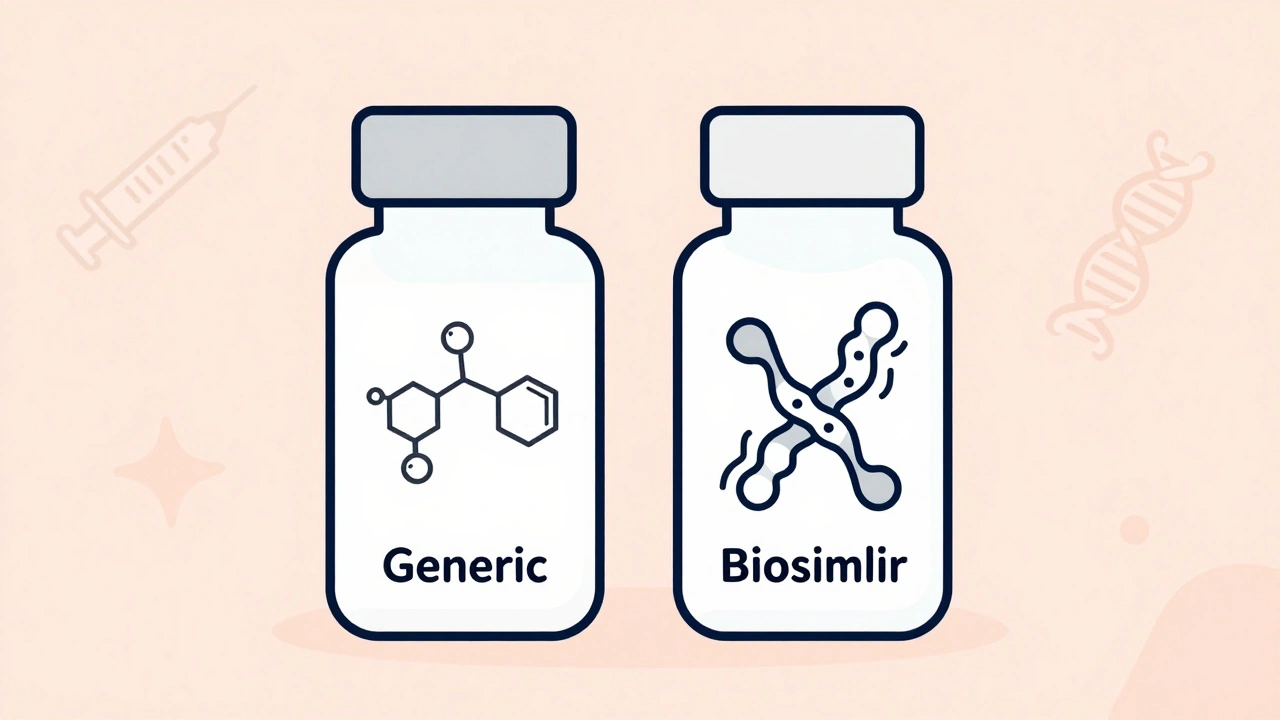
When you hear the word generic, you probably think of cheap pills that work just like the brand-name version. That’s mostly true. But if someone mentions biosimilars, you might get confused-are they just generics for fancy drugs? The short answer: no. They’re not the same. And understanding why matters, especially if you’re taking a biologic for arthritis, cancer, or diabetes.
What Are Generics, Really?
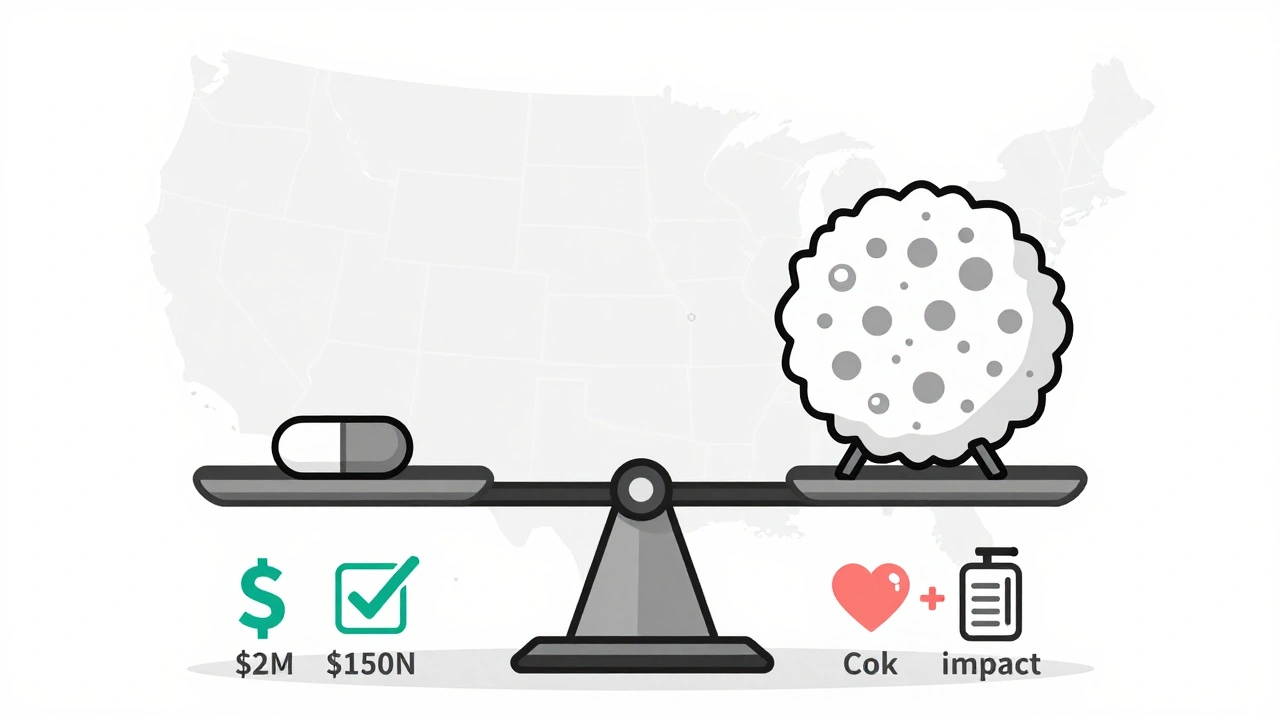
Generics are copies of brand-name drugs made from simple chemicals. Think aspirin, ibuprofen, or metformin. These drugs have a single, well-defined chemical structure. Once the patent expires, any company can make the exact same molecule using the same formula. The FDA doesn’t need to run new clinical trials to prove they work-they just need to show the generic is absorbed into your bloodstream at the same rate and to the same level as the original. That’s called bioequivalence.Because the chemistry is straightforward, making a generic is cheap. It costs between $2 million and $5 million to get one approved. That’s why generics usually cost 40% to 50% less than the brand-name version. In the U.S., about 90% of all prescriptions are filled with generics. They’re everywhere. And they’re safe. If your doctor prescribes a generic, you can usually swap it in at the pharmacy without asking anyone.
What Are Biosimilars?
Biosimilars are different. They’re copies of biologic drugs-medicines made from living cells. These aren’t pills you swallow. Many are injected or infused. Examples include Humira for rheumatoid arthritis, Herceptin for breast cancer, and insulin for diabetes. Biologics are huge, complex proteins-thousands of times bigger than a typical chemical drug. They’re grown in bioreactors using living cells, like Chinese hamster ovary cells. Even tiny changes in temperature, pH, or nutrient mix can alter the final product.That’s why biosimilars can’t be exact copies. No two batches of a biologic are identical, even from the same manufacturer. So a biosimilar isn’t meant to be identical-it’s meant to be highly similar. The FDA requires biosimilar makers to run hundreds of tests to prove their product matches the original in structure, function, and safety. They also need animal studies and often limited human trials to show there’s no clinically meaningful difference.
Because of this complexity, developing a biosimilar costs $100 million to $200 million. That’s why they only save about 15% to 33% compared to the brand-name biologic-not the 50% you get with generics. As of late 2023, the FDA has approved 42 biosimilars. That sounds like a lot, but it’s a tiny fraction of the 10,000+ generic drugs available.
Why You Can’t Just Swap Them Like Generics
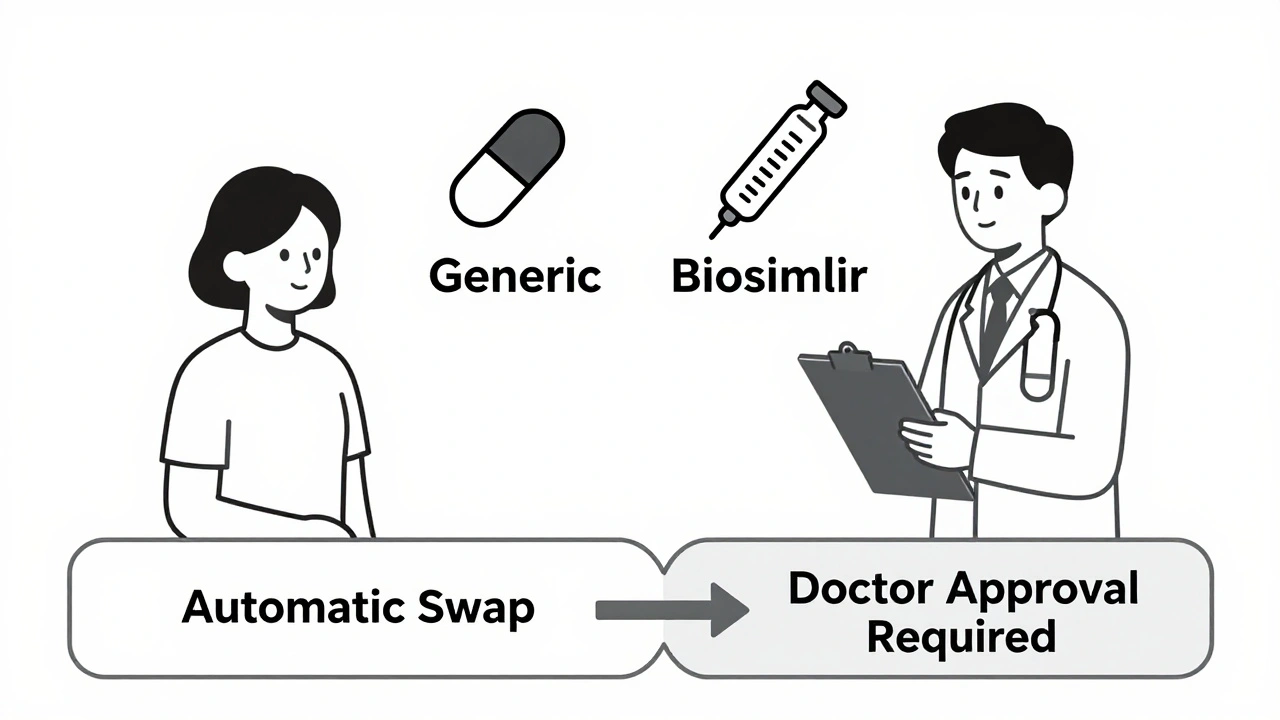
Here’s the big difference: generics are automatically interchangeable. Your pharmacist can swap your brand-name drug for a generic without telling your doctor. In every state, that’s legal.With biosimilars? Not so fast.
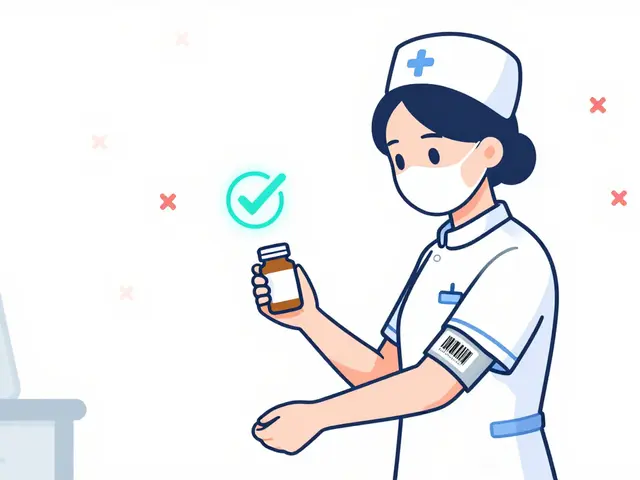
Only biosimilars that have been designated as interchangeable by the FDA can be swapped without a doctor’s approval. And as of 2023, only 7 out of the 42 approved biosimilars have that status. The rest? Your doctor has to specifically prescribe them. If you’re on a brand-name biologic and your insurance wants to switch you to a biosimilar, they’ll need your doctor’s OK.
Why the caution? Because biologics can trigger immune reactions. If your body starts making antibodies against the drug, it might stop working-or worse, cause side effects. That’s not a risk with small-molecule generics. The American Society of Health-System Pharmacists warns that automatic substitution of biosimilars could lead to unpredictable immune responses. So switching from one biologic to another-even if it’s a biosimilar-requires careful monitoring.
Regulatory Paths: Two Different Systems
The rules for generics and biosimilars come from two completely different laws.Generics follow the Hatch-Waxman Act of 1984. It’s simple: prove bioequivalence, and you’re approved.
Biosimilars follow the Biologics Price Competition and Innovation Act (BPCIA) of 2009. It’s layered. You need to prove:
- Structural similarity using advanced lab tests
- Functional similarity (does it bind to the same targets?)
- Similar safety and immunogenicity in animals
- Pharmacokinetic data in humans
- Potentially, clinical trials comparing outcomes
There’s also a 12-year data exclusivity period for biologics-meaning no biosimilar can even apply until that time passes. For generics, it’s only 5 years. That’s one reason why biosimilars took so long to arrive in the U.S. market.
Market Reality: Why Biosimilars Are Still Rare
Even though biosimilars have been around since 2015 in the U.S., they make up less than 3% of the biologics market. Why? Several reasons:- Patent thickets: Companies like AbbVie filed over 240 patents for Humira to delay competition. It took until 2023 for the first major biosimilar to hit the market.
- Reimbursement issues: Many providers use a “buy-and-bill” model-they buy the drug and bill insurance. If the biosimilar is cheaper, they make less profit. That creates a financial disincentive to switch.
- Provider hesitation: A 2022 survey found 68% of rheumatologists wanted more training before prescribing biosimilars. Many worry about switching patients who are stable on the brand-name drug.
- Limited education: Patients and pharmacists often don’t know the difference. Some think “biosimilar” means “lower quality.” It doesn’t. But that myth persists.
In Europe, biosimilars are much more common. They make up 35% of the biologics market there. Why? Simpler substitution rules, stronger price pressure, and more aggressive government policies.
Where Are They Used?
Biosimilars are mostly used in three areas:- Immunology: Drugs for rheumatoid arthritis, psoriasis, Crohn’s disease (like adalimumab, etanercept, infliximab)
- Oncology: Cancer treatments like trastuzumab (Herceptin), bevacizumab (Avastin), rituximab (Rituxan)
- Endocrinology: Insulin glargine for diabetes
Generics? They’re used for almost everything else: blood pressure, cholesterol, infections, depression, pain. If you take a pill daily, it’s probably a generic.
What’s Changing?
The landscape is shifting. In March 2023, the FDA approved the first interchangeable biosimilar for Humira-Amjevita. It hit the market in January 2024 with a 35% price cut. That’s a big deal. More interchangeable biosimilars are expected in the next few years as patents expire for drugs like Stelara and Eylea.The Inflation Reduction Act of 2022 also helps. It caps insulin costs at $35 a month for Medicare patients and eliminates the Part D coverage gap. That makes biosimilars more attractive to insurers and patients alike.
Experts predict biosimilars could capture 25% to 30% of the U.S. biologics market by 2028. That’s a huge jump from today’s 3%. But it won’t happen overnight. Education, reimbursement reform, and trust-building are still needed.
Bottom Line: Don’t Confuse Them
Biosimilars are not generics. They’re not cheaper versions of biologics-they’re highly similar versions, made with more complexity, tested more rigorously, and harder to swap.If you’re on a biologic drug, ask your doctor: Is there a biosimilar available? Is it interchangeable? Should I switch? Don’t assume it’s safe just because it’s cheaper. But don’t assume it’s unsafe either. The science says biosimilars are effective and safe-when used correctly.
Generics are simple, proven, and reliable. Biosimilars are complex, promising, and still growing. Both lower costs. But they do it in very different ways.
Are biosimilars as safe as brand-name biologics?
Yes. The FDA requires biosimilars to show no clinically meaningful differences in safety, purity, or potency compared to the original biologic. Thousands of patients have used biosimilars in the U.S. and Europe with safety profiles matching the reference product. Ongoing monitoring continues, but there’s no evidence they’re riskier.
Can I switch from a brand-name biologic to a biosimilar?
It depends. If the biosimilar is designated as "interchangeable," your pharmacist can switch you without your doctor’s permission. If not, your doctor must prescribe the biosimilar specifically. For patients already stable on a biologic, switching isn’t always recommended unless there’s a clear cost or access benefit. Always discuss this with your provider.
Why are biosimilars more expensive than generics?
Because they’re harder to make. Biosimilars are produced using living cells, which introduces natural variability. Manufacturers must replicate the complex structure of a biologic without access to the original production process. This requires hundreds of lab tests, animal studies, and clinical trials-costing $100 million to $200 million. Generics are simple chemical copies made for $2 million to $5 million.
Do biosimilars work as well as the original biologic?
Yes. Clinical trials show biosimilars have equivalent effectiveness. For example, biosimilars for infliximab and adalimumab have shown the same response rates in patients with rheumatoid arthritis and Crohn’s disease. The FDA only approves them after confirming no clinically meaningful difference in outcomes.
Why aren’t more biosimilars available in the U.S.?
Three main reasons: patent thickets (like AbbVie’s 240+ patents on Humira), financial disincentives for providers under "buy-and-bill" reimbursement, and provider hesitancy due to lack of familiarity. Regulatory delays and slower adoption compared to Europe also play a role. But with major biologics losing patent protection in the next few years, more biosimilars are expected to enter the market.
What Comes Next?
The future of biosimilars looks bright, but not simple. More interchangeable products are coming. Insurers are pushing for them. Patients are asking for lower costs. But trust must be built-through clear communication, provider education, and transparent data.If you’re taking a biologic, know your options. Ask your doctor if a biosimilar is right for you. If you’re on a generic, you’re already benefiting from decades of proven, low-cost access. Both types of drugs help make treatment affordable. But they’re not the same-and that’s okay. Understanding the difference helps you make smarter choices.


8 Comments
Generics are the unsung heroes of modern medicine. I’ve been on metformin for years-same效果, 1/10th the price. No drama.
Wow, this really breaks it down. I didn’t realize biosimilars needed so much testing. Makes sense though-living cells are way more finicky than chemicals. Thanks for clarifying.
It is truly lamentable that the general public conflates biosimilars with generics. Such a fundamental misunderstanding of pharmacological science is not merely unfortunate-it is dangerously reductive. The FDA’s rigorous criteria for biosimilars are not a bureaucratic burden but a necessary safeguard against biological unpredictability.
So we’re paying $100M to make a drug that’s ‘similar’ but not identical… and the savings are what, 20%? Meanwhile generics cost $5M and save 50%. This whole biosimilar thing feels like a fancy shell game to keep Big Pharma’s profits alive.
Think about it like this… generics are like photocopying a handwritten note… biosimilars are like trying to grow the exact same tree from the same seed in a different forest with different soil and weather… you get something that looks the same but the roots might whisper different things to the leaves… and nobody really knows what the whisper means until someone gets sick
soo glad biosimilars are coming! i have ra and humira costs was killing me… now my doc switched me to amjevita and i save so much! its not cheaper but its way better than before
It is imperative that we recognize the epistemological chasm that exists between the ontological nature of small molecule pharmaceuticals and the emergent complexity of biologics… the reductionist paradigm of generic substitution cannot be transposed onto biosimilars without risking therapeutic destabilization… the body does not perceive molecular equivalence as human logic does… it responds to structural nuance… to glycosylation patterns… to conformational dynamics… and to treat them as interchangeable is to misunderstand the very essence of biological identity
Regulatory clarity and provider education are essential. Biosimilars are safe. They are not generics. Do not confuse them. Trust the science. Ask your doctor. Save money. Stay healthy.