Bempedoic Acid Side Effect Risk Assessor
Select the factors that apply to you to see how your baseline risk compares to the general population. This tool uses data from clinical trials (CLEAR Outcomes) to provide a personalized perspective.
Your Medical Profile
Risk Assessment Results
Fill out your profile and click Analyze to see your estimated risks for Gout and Tendon Injury compared to placebo.
Recommended Actions
Imagine starting a new medication for high cholesterol only to wake up with a swollen, painful big toe or feel a strange snap in your calf. While Bempedoic acid is a prescription drug used to lower LDL cholesterol in patients who cannot tolerate statins, it comes with a specific set of risks that differ significantly from traditional lipid-lowering therapies. If you’ve been prescribed this medication, likely under the brand name Nexletol, understanding these nuances isn't just about reading a leaflet-it’s about knowing exactly what symptoms signal a problem versus what might just be an adjustment period.
This guide breaks down the real-world side effects of bempedoic acid, focusing heavily on the two most concerning issues: gout and tendon injuries. We’ll look at the data behind these risks, how they compare to statins, and practical steps you can take to manage them safely.
Key Takeaways
- Gout Risk: Bempedoic acid raises uric acid levels, leading to gout attacks in about 1.5% of patients (compared to 0.5% on placebo).
- Tendon Issues: There is a small but notable risk of tendon rupture (0.7% vs 0.1% on placebo), which increases if combined with certain antibiotics or statins.
- Muscle Pain: Unlike statins, muscle pain is less common (5.8%), making it a viable option for many statin-intolerant patients.
- Monitoring: Regular checks of uric acid and liver enzymes are essential, especially during the first month of treatment.
Why Your Body Reacts Differently to Bempedoic Acid
To understand the side effects, you have to understand how the drug works. Most cholesterol medications, like statins, work by blocking an enzyme called HMG-CoA reductase in the liver. However, bempedoic acid targets a different enzyme: ATP-citrate lyase. This means it stops cholesterol production earlier in the process. Because it acts differently, it doesn’t affect muscles as much as statins do, which is why it’s often prescribed when statins cause unbearable muscle pain.
However, this unique mechanism has a trade-off. By inhibiting ATP-citrate lyase, the body produces more pyruvate, which can influence purine metabolism. This leads to higher levels of uric acid in the blood. High uric acid is the primary driver of gout. So, while you might escape the muscle aches associated with statins, you’re trading some of that risk for a higher likelihood of joint inflammation.
The Gout Connection: More Than Just a Sore Toe
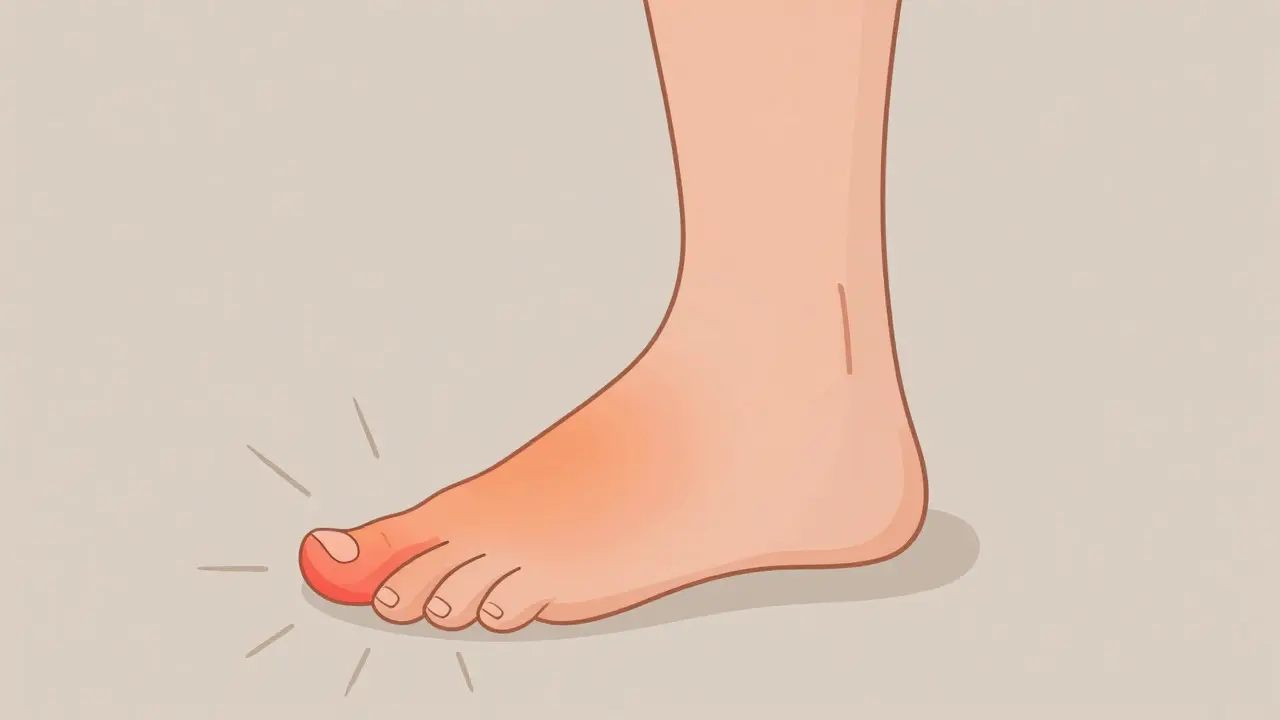
Gout is a form of inflammatory arthritis caused by urate crystal deposits in joints. It’s not just a mild discomfort; it can be excruciating. Clinical trials for bempedoic acid showed that hyperuricemia (high uric acid) occurred in approximately 2.1% of patients taking the drug, compared to just 0.4% of those on a placebo.
Here is what the numbers say about actual gout attacks:
- General Population: About 1.5% of patients experienced a gout flare, compared to 0.5% in the placebo group.
- Past Gout History: If you have had gout before, your risk jumps to 2.3%, whereas those without history saw a rate of 1.2%.
Dr. Christopher Cannon, a professor of medicine at Harvard Medical School, noted in a 2021 editorial that clinicians must counsel patients on early signs. The onset typically happens within the first four weeks of starting the medication. If you notice redness, heat, or intense pain in your big toe, ankle, or knee shortly after starting bempedoic acid, don’t ignore it. It could be a sign that your uric acid levels are spiking.
Tendon Injuries: A Rare but Serious Risk
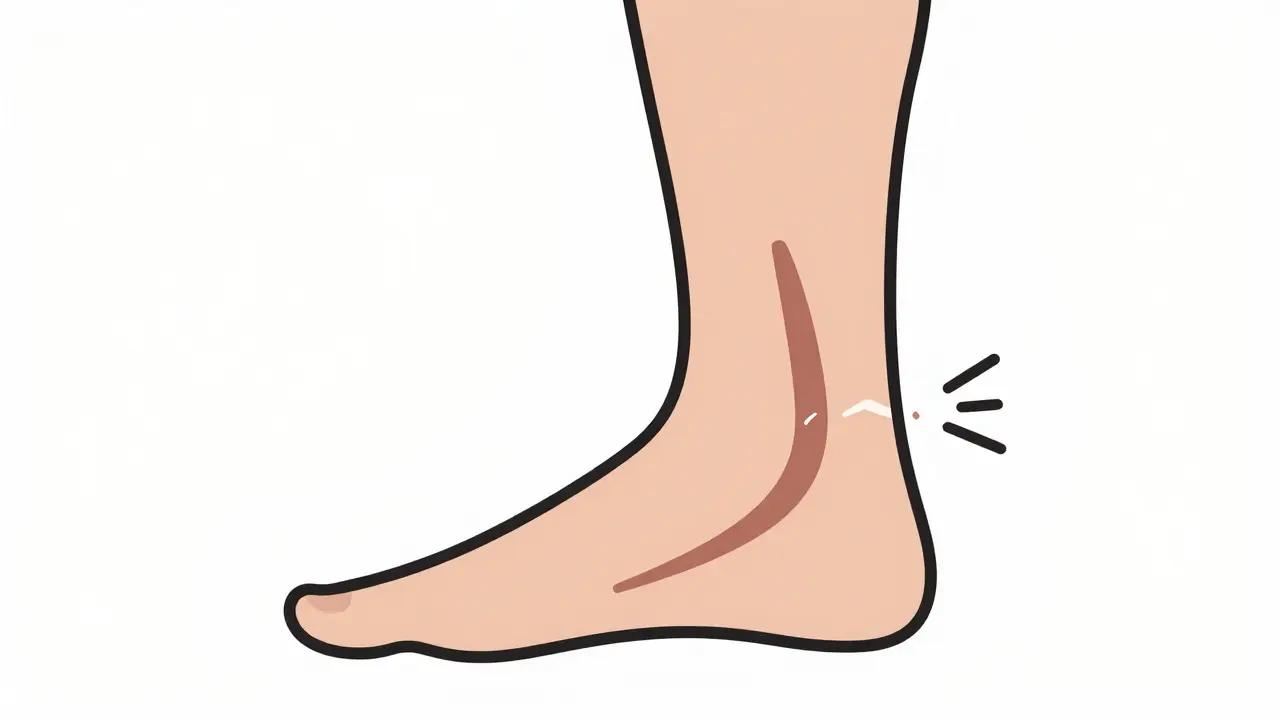
While gout gets the headlines, tendon problems are another critical area to watch. Statins are known to rarely cause tendon issues, but bempedoic acid carries its own distinct risk profile. Data from clinical trials indicates that tendon-related events occurred in 0.7% of patients taking bempedoic acid, compared to 0.1% in the placebo group.
The risk becomes more significant if you combine bempedoic acid with other medications. Specifically, using it alongside fluoroquinolone antibiotics (like ciprofloxacin or levofloxacin) can increase tendon toxicity. Additionally, if you are already on a moderate-intensity statin, adding bempedoic acid can raise the incidence of tendon injuries to around 1.8%. This is nearly six times higher than statin monotherapy alone.
What should you look for? According to MedlinePlus, warning signs include:
- Hearing a 'snap' or 'pop' in the heel, calf, or shoulder area.
- Sudden bruising near a tendon without major trauma.
- Inability to move a limb or bear weight normally.
If any of these occur, stop taking the medication and seek medical attention immediately. Tendon ruptures require prompt evaluation to prevent long-term mobility issues.
Comparing Bempedoic Acid to Statins and Other Options
You might wonder why not just stick with a statin or try ezetimibe? The answer lies in tolerance and efficacy. Here is a quick comparison of the side effect profiles based on recent meta-analyses and trial data:
| Side Effect | Bempedoic Acid | Statins (Typical) | Ezetimibe |
|---|---|---|---|
| Muscle Pain/Spasms | 5.8% | 10-15% | <1% |
| Gout Attacks | 1.5% | 0.5-1.0% | 0.7% |
| Tendon Events | 0.7% | 0.1-0.3% | 0.2% |
| Liver Enzyme Elevation | 2.2% | Variable | Rare |
| Anemia | 1.8% | Rare | Rare |
Managing the Risks: Practical Steps for Patients
Knowing the risks is one thing; managing them is another. Here is how you can protect yourself while staying on therapy:
- Monitor Uric Acid Levels: The FDA recommends checking uric acid at baseline and again four weeks after starting treatment. If levels are elevated, your doctor might prescribe prophylactic allopurinol (100-300 mg daily). Studies show this can reduce gout incidence by about 65% in bempedoic acid users.
- Watch for Tendon Symptoms: Be mindful if you start taking fluoroquinolone antibiotics. Inform your doctor you are on bempedoic acid. Also, avoid sudden spikes in intense physical activity if you feel any minor tendon ache.
- Track Liver Function: Elevated liver enzymes (ALT/AST) occur in about 2.2% of patients. Regular blood tests will catch this early. If levels exceed three times the upper limit of normal, your provider may need to adjust your dose or switch medications.
- Manage Mild Side Effects: Muscle spasms, back pain, and hand/foot pain are common but usually resolve within 2-4 weeks. Only about 1.2% of patients quit the drug because of these mild symptoms. Give it a little time before deciding it’s not working for you.
Who Should Avoid Bempedoic Acid?
While safe for many, it’s not for everyone. You should discuss extra caution with your doctor if:
- You have a history of severe gout or uncontrolled hyperuricemia.
- You have pre-existing tendon disorders (like Achilles tendinitis).
- You are currently taking fluoroquinolone antibiotics.
- You have significant liver disease.
Frequently Asked Questions
Does bempedoic acid cause more gout than statins?
Yes. Bempedoic acid is associated with a higher rate of gout attacks (1.5%) compared to statins (0.5-1.0%). This is because bempedoic acid increases uric acid levels in the blood, which can lead to crystal formation in joints. Statins do not have this same direct effect on uric acid metabolism.
Can I take bempedoic acid if I have a history of tendon tears?
It depends. If you have active or severe pre-existing tendon disorders, doctors often advise against it due to the increased risk of rupture. However, if your tendon health is stable, it may still be an option with close monitoring. Always consult your cardiologist or rheumatologist before starting.
How long does it take for bempedoic acid side effects to appear?
Gout attacks typically begin within the first four weeks of starting the medication. Mild side effects like muscle spasms or fatigue may also appear early on but often subside after 2-4 weeks. Tendon issues can happen at any time but are rare and often linked to concurrent antibiotic use.
Is bempedoic acid safer for the heart than statins?
Both are effective at reducing cardiovascular events. The CLEAR Outcomes trial showed bempedoic acid reduced major adverse cardiovascular events by 13%. While statins have a longer track record, bempedoic acid offers a similar benefit for those who cannot tolerate statins, making it a valuable alternative rather than necessarily 'safer' in a broad sense.
What should I do if I get a gout attack while on bempedoic acid?
Contact your doctor immediately. They may prescribe anti-inflammatory medication to manage the flare and consider adding allopurinol to lower your uric acid levels long-term. Do not stop taking bempedoic acid abruptly without medical advice, as consistent cholesterol management is crucial for heart health.