Hyperkalemia Risk Estimator
Instructions: Select the options that apply to your current health profile to estimate your risk level for developing high potassium levels.
Your Risk Assessment
Recommendation:
Please select your conditions above to generate a personalized recommendation based on clinical guidelines.
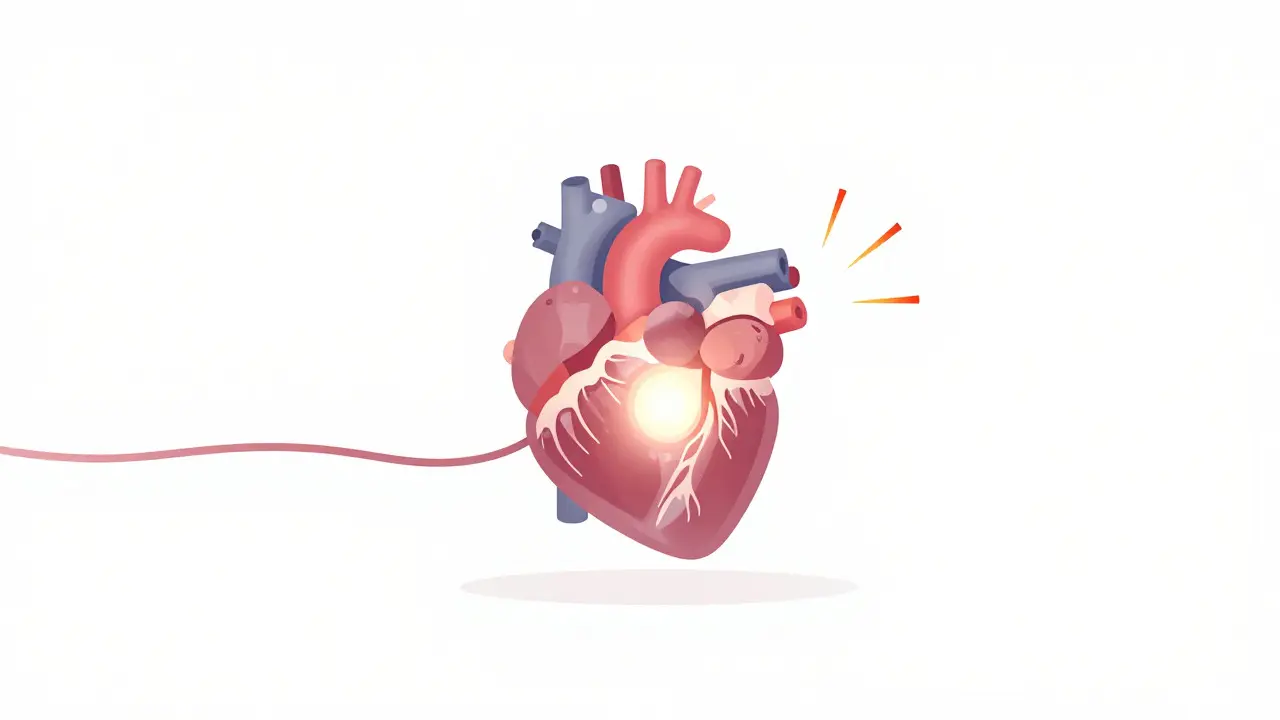
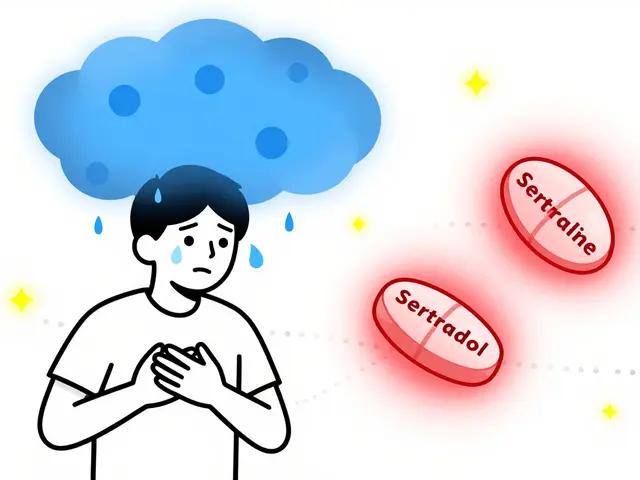
Imagine your heart is a pump that needs the right balance of electricity to keep beating steadily. Now imagine a chemical imbalance that throws that electrical system into chaos, potentially stopping the pump entirely. This isn't a movie plot; it’s the reality of hyperkalemia, defined as high levels of potassium in the blood (serum potassium >5.0 mmol/L). For millions of people taking common medications for high blood pressure or heart failure, this condition is a silent threat lurking behind two widely prescribed drug classes: ACE inhibitors and potassium-sparing diuretics.
You might be on these meds because they save lives. They reduce mortality in heart failure by 23% and after a heart attack by 26%. But when you combine them, you create a "double hit" on your body’s ability to get rid of excess potassium. The result? A significantly higher risk of dangerous potassium buildup. Understanding this interaction isn’t just academic-it’s about keeping your heart rhythm stable and avoiding emergency room visits.
How These Medications Work Against Each Other
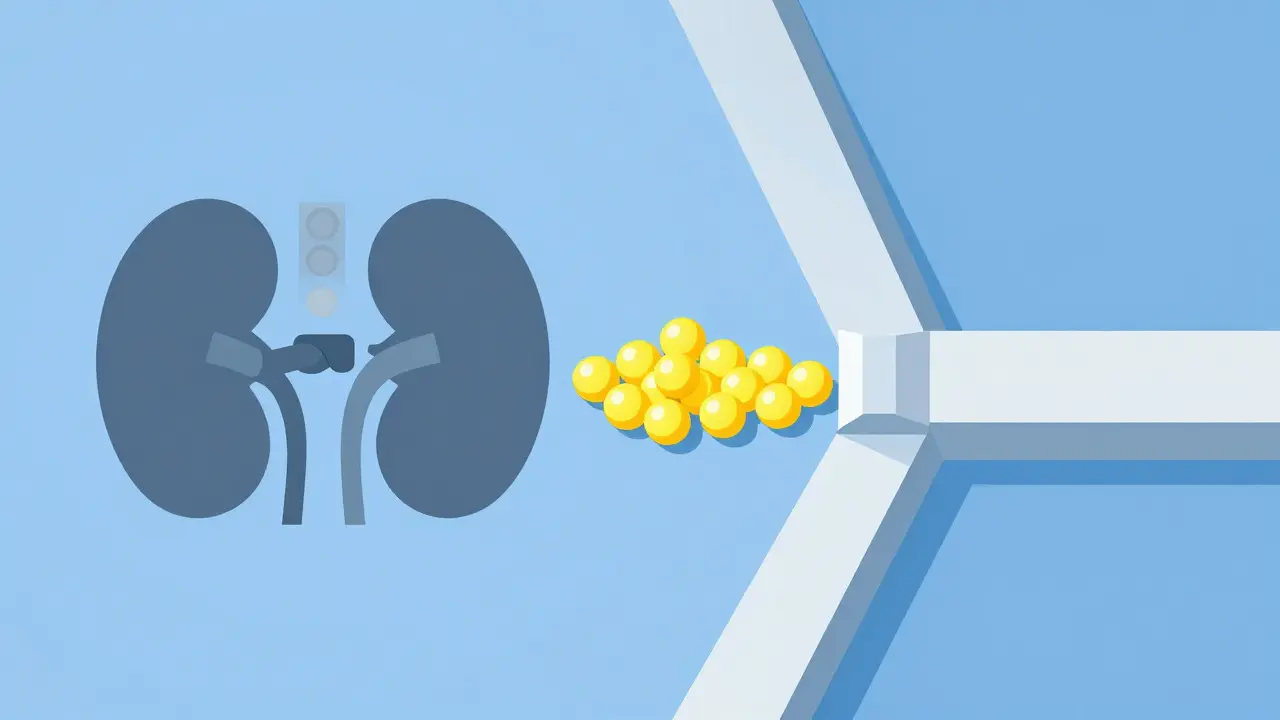
To understand the risk, you have to look at how your kidneys handle potassium. Normally, your body maintains a tight balance. You eat potassium, your cells use some, and your kidneys excrete the rest. This process relies heavily on a hormone called aldosterone. Aldosterone tells your kidney tubules to dump sodium back into your blood and push potassium out into your urine.
ACE inhibitors (like lisinopril or enalapril) work by blocking the formation of angiotensin II. Without angiotensin II, your adrenal glands produce less aldosterone. Less aldosterone means your kidneys don’t signal strongly enough to excrete potassium. It’s like turning down the volume on the command to "get rid of potassium."
Now, add potassium-sparing diuretics to the mix. Drugs like spironolactone or eplerenone block the receptors where aldosterone works. Others, like amiloride, directly block the channels in the kidney that let potassium pass through. When you take an ACE inhibitor *and* a potassium-sparing diuretic, you are suppressing the hormone AND blocking its effect. Your kidneys effectively lose their primary mechanism for removing potassium.
This complementary mechanism creates a perfect storm. Research shows that patients on this combination have a 3 to 5 times higher risk of developing hyperkalemia compared to those taking an ACE inhibitor alone. In clinical trials involving chronic kidney disease patients, the incidence of hyperkalemia jumped from 4.2% with ACE inhibitors alone to 18.7% when spironolactone was added.
Who Is at Highest Risk?
Not everyone who takes this combination will develop dangerous potassium levels. However, certain factors make you far more susceptible. Think of these as warning flags that require extra vigilance.
- Chronic Kidney Disease (CKD): If your estimated glomerular filtration rate (eGFR) is below 60 ml/min/1.73 m², your kidneys are already struggling to filter waste. Adding drugs that further impair potassium excretion is risky. Patients with eGFR <30 face a hyperkalemia risk of nearly 20% when on RAAS inhibitors.
- Diabetes: Diabetes often causes subtle kidney damage (diabetic nephropathy) before other symptoms appear. It also affects how insulin regulates potassium movement into cells.
- Heart Failure: Congestive heart failure reduces blood flow to the kidneys, naturally lowering their filtration capacity. The Cleveland Clinic Journal of Medicine notes that heart failure adds significant points to a patient’s hyperkalemia susceptibility score.
- Older Age: Kidney function declines naturally with age. An 80-year-old processes drugs differently than a 40-year-old, even if their lab numbers look similar on paper.
- Other Medications: NSAIDs (like ibuprofen), beta-blockers, and heparin can all contribute to higher potassium levels.
A landmark study published in JAMA Internal Medicine found that elevated serum urea nitrogen (>18 mg/dL) and creatinine (>1.5 mg/dL) were independent predictors of hyperkalemia in patients using ACE inhibitors. If you have any of these conditions, your doctor needs to monitor you closely.
| Risk Factor | Impact on Potassium Levels | Monitoring Frequency Recommendation |
|---|---|---|
| eGFR < 60 ml/min/1.73 m² | High - Reduced filtration capacity | Weekly initially, then monthly |
| Type 2 Diabetes | Moderate to High - Potential nephropathy | Within 1-2 weeks of starting therapy |
| Heart Failure (NYHA Class III-IV) | High - Reduced renal perfusion | Every 2-4 weeks until stable |
| Baseline Potassium > 4.5 mmol/L | Moderate - Starting point is elevated | Within 1 week of initiation |
| NSAID Use | Moderate - Reduces renal blood flow | Monitor if NSAID use increases |
Recognizing the Symptoms: Why Blood Tests Are Crucial
Here is the tricky part: mild to moderate hyperkalemia often has no symptoms. You won’t feel tired, weak, or nauseous until the potassium levels get dangerously high. This is why relying on how you "feel" is a dangerous strategy. The only way to know your status is through regular blood tests.
When potassium levels exceed 6.0 mmol/L, the situation becomes life-threatening. At this stage, you might experience muscle weakness, tingling sensations, or palpitations. In severe cases, it can lead to cardiac arrhythmias-irregular heartbeats that can degenerate into ventricular fibrillation and sudden death. The heart simply stops pumping effectively because the electrical signals governing contraction are disrupted.
Data shows that 78% of hyperkalemia cases occur within the first three months of starting therapy. The peak incidence is between 4 and 6 weeks. This is the critical window where doctors must check your levels. If you’ve been stable for years, don’t get complacent. Changes in kidney function, new medications, or dietary shifts can trigger a spike at any time.
Management Strategies: Keeping Potassium in Check
If your doctor prescribes this combination, it’s usually because the benefits outweigh the risks. But you need a plan to manage the side effects. Here is what effective management looks like based on current clinical guidelines.
- Frequent Monitoring: Don’t skip labs. If you’re high-risk, expect to test within 1 week of starting or changing doses, then again at 2 weeks and 4 weeks. Once stable, quarterly checks are standard.
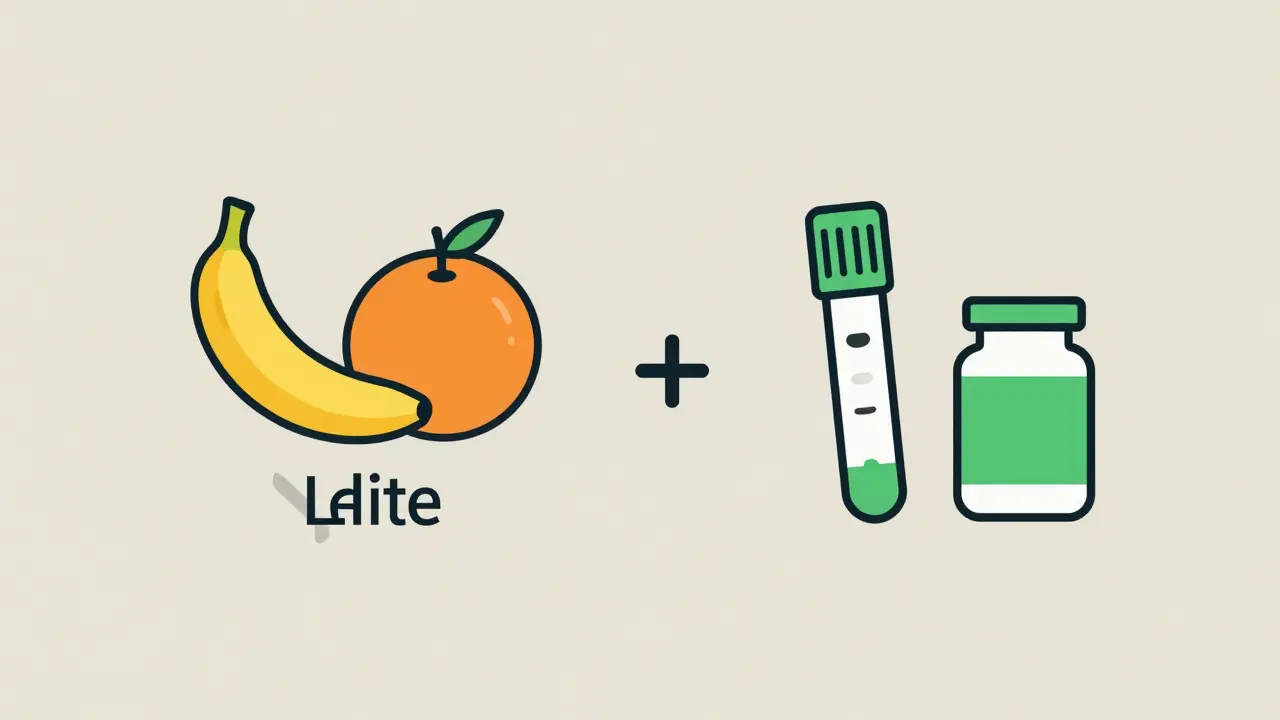
- Dietary Adjustments: You don’t need to eliminate potassium entirely, but you should avoid loading up on high-potassium foods. Bananas, oranges, potatoes, tomatoes, and spinach are major contributors. The FDA recommends a maximum daily intake of 4,700 mg (120 mmol) for general health, but patients on these meds may need to restrict this to 50-75 mmol/day during unstable periods. Be wary of processed foods; many contain hidden potassium additives like potassium chloride.
- Medication Review: Ask your pharmacist about over-the-counter drugs. NSAIDs like ibuprofen and naproxen can worsen kidney function and raise potassium. Switching to acetaminophen for pain relief might be safer.
- New Therapies: If diet and monitoring aren’t enough, ask about newer potassium binders. Drugs like patiromer (Veltassa) and sodium zirconium cyclosilicate (Lokelma) were approved recently to help lower potassium levels without stopping your life-saving heart medications. Clinical trials show they can reduce serum potassium by 0.8-1.2 mmol/L within 48 hours.
- SGLT2 Inhibitors: Recent data from the DAPA-CKD trial suggests that adding an SGLT2 inhibitor (like dapagliflozin) can actually reduce hyperkalemia risk by 32% in patients with chronic kidney disease. This represents a shift toward triple-therapy approaches that protect both the heart and the kidneys.
If your potassium rises above 5.5 mmol/L, clinicians may reduce the ACE inhibitor dose by 50% or add a non-potassium-sparing diuretic like hydrochlorothiazide. Hydrochlorothiazide helps flush out potassium, counteracting the retention caused by the other drugs. Sodium bicarbonate supplementation is another option if metabolic acidosis is present, reducing recurrence rates by nearly half.
Common Questions About This Drug Interaction
Can I eat bananas while taking ACE inhibitors and spironolactone?
It depends on your current potassium levels. A medium banana contains about 422 mg of potassium. If your levels are normal and stable, occasional consumption is likely fine. However, if you have chronic kidney disease or elevated baseline potassium, you should limit high-potassium fruits like bananas, oranges, and melons. Always consult your doctor or a dietitian for personalized advice.
Is ARB therapy safer than ACE inhibitors regarding potassium?
ARBs (Angiotensin Receptor Blockers) work similarly to ACE inhibitors but block the receptor rather than the enzyme conversion. Some studies suggest ARBs may cause slightly less hyperkalemia than ACE inhibitors, but the risk remains significant, especially when combined with potassium-sparing diuretics. The difference is not large enough to consider one completely safe over the other without monitoring.
What happens if my potassium level is 5.8 mmol/L?
A level of 5.8 mmol/L indicates moderate hyperkalemia. Your doctor will likely review your medications, check your kidney function (creatinine/eGFR), and assess your diet. They may temporarily reduce the dose of your ACE inhibitor or potassium-sparing diuretic, prescribe a potassium binder, or add a thiazide diuretic. Immediate lifestyle changes to reduce dietary potassium are also recommended.
How quickly do potassium binders like Veltassa work?
Patiromer (Veltassa) typically begins lowering potassium levels within 7 hours, with maximal effect seen around 24-48 hours. Sodium zirconium cyclosilicate (Lokelma) acts faster, often showing reduction within 1 hour. These medications allow patients to continue essential heart failure treatments that would otherwise need to be stopped due to high potassium.
Should I stop taking my medication if I miss a blood test?
Do not stop your medication abruptly without consulting your doctor. Stopping ACE inhibitors or diuretics suddenly can cause blood pressure spikes or fluid retention, worsening heart failure. Instead, contact your provider immediately to reschedule the lab work. If you experience symptoms like muscle weakness or palpitations, seek medical attention promptly.
Next Steps for Patients
If you are currently prescribed this combination, take control of your health today. First, confirm with your pharmacy whether you are on any hidden sources of potassium, such as salt substitutes. Second, set a reminder for your next blood test. Third, discuss the possibility of newer therapies like SGLT2 inhibitors or potassium binders if your levels have been borderline. Knowledge is your best defense against hyperkalemia. Stay informed, stay tested, and keep your heart beating strong.


9 Comments
all this panic over potassium is just fear mongering. my uncle took lisinopril and spironolactone for ten years without a single blood test and he's fine. doctors love to scare people into compliance so they can sell more lab work. it's not that dangerous.
Actually, while anecdotal evidence is comforting, the clinical data cited in the post regarding the 3 to 5 times higher risk is quite robust. It is important to remember that hyperkalemia is often asymptomatic until it becomes critical which makes regular monitoring essential rather than optional. The mechanism involving aldosterone suppression is well documented in nephrology literature. Many patients with chronic kidney disease are particularly vulnerable because their baseline filtration rate is already compromised. Ignoring these guidelines can lead to preventable cardiac events. It is always better to be safe and get those quarterly checks done even if you feel perfectly healthy. Your kidneys don't send pain signals when potassium builds up so relying on feeling good is a risky strategy.
hey guys great article really opened my eyes. i never thought about how the meds fight each other inside the body. its like a battle royale in your kidneys lol. we gotta listen to our bodies but also trust the science right? thanks for sharing this info it helps us all stay smarter about our health journey together. lets keep supporting each other here!
Wow! This is such an incredibly important topic that affects so many of us out there! I have seen firsthand how quickly things can change if you aren't watching those levels closely. It is absolutely vital that we take charge of our own health and understand what these medications are doing to our systems. Don't let the complexity scare you away from learning more! You are stronger than you think and knowledge is your superpower here. Keep asking questions and stay proactive about your wellness journey because every small step counts towards a healthier life! Let's spread the word and help others avoid these silent threats!
i read somewhere that in some cultures people use salt substitutes heavily which is basically pure potassium chloride. it might be worth mentioning that dietary habits vary wildly around the world so what works for one person might be deadly for another depending on their background. we should be more inclusive of different eating patterns when giving advice. hope this helps clarify things for everyone reading.
LET'S GOOOO! Stay strong everyone! If you're on these meds you are fighting hard for your heart health and that deserves respect! Don't let the side effects stop you from living your best life. Just monitor those levels and crush it! You got this buddy! Keep pushing forward and stay positive!
Oh please, spare me the medical drama. These drugs are prescribed by incompetent quacks who just want to pad their insurance claims. The 'risk' is exaggerated to keep you dependent on their system. Natural remedies exist but big pharma wants you hooked on expensive pills and endless lab tests. Wake up sheeple! The real danger is trusting the establishment blindly instead of thinking for yourself. It is all a conspiracy to control your health narrative!
There is a profound philosophical angle here regarding the balance of nature within our own biology. Potassium is essential for life yet in excess it becomes a poison much like too much water can drown a plant. We must find harmony between treatment and preservation of natural function. The introduction of SGLT2 inhibitors represents a fascinating evolution in our understanding of renal protection. It reminds us that medicine is not static but a dynamic dialogue with our physiology. Embrace the complexity and seek wisdom in the nuances of care.
obviously only the educated elite understand the nuance of aldosterone antagonists. most people here probably cant even spell eGFR correctly. it is pathetic how laymen try to interpret complex pharmacokinetics based on reddit posts. stick to your day jobs and leave the medical decisions to those with actual degrees and not just internet opinions. truly embarrassing display of ignorance.